Skip to content

7 different Arabica varieties that are cultivated in Colombia

With so many types of coffee beans in the world today, it might seem intimidating to start knowing about different types of coffee beans, but it does not have to be so complicated. We can start simply with the fact that coffee beans can be largely divided into two main varieties: Robusta and Arabica.

The origins of coffee plants can be traced back to the African continent and the island of Madagascar. The coffee variety that is cultivated in Colombia is the Arabica variety, which is known for and often regarded as being superior to Robusta for its sweet aroma and smooth, mellow taste.

7 different Arabica varieties that are cultivated in Colombia

In recent years, different varieties that are resistant to plant diseases and climate changes have been developed from the original Arabica species to improve production and bean quality. For example, Castillo is a variety of Arabica that is highly resistant to coffee rust, a fungal coffee disease that is devastating to vulnerable coffee plantations. This variety was developed through selective breeding techniques at Cenicafé (Colombia’s National Center for Coffee Research), which is in turn operated by FNC (National Coffee Growers Foundation). This variety combines the two highly desirable characteristics of a coffee variety: abundant production and excellent cup quality.

The first Arabica variety that arrived in Colombia and was subsequently cultivated was Typica, then it was the Bourbon variety; followed by the Maragogipe, which was later replaced by the high-yielding Caturra. In recent years, due to its high resistance to Coffee Leaf Rust disease, the recently developed Castillo variety has become very popular and is cultivated across many regions of Colombia.

Coffee Fruit


We have mentioned earlier that the two most important types of coffee are Arabica and Robusta. Then why are we only discussing Arabica variety when it comes to Colombia? You might have guessed it right – Colombia is one of the few countries in the world that produces only Arabica coffee varieties, which explains why Colombian coffees are among the best in the world. One of the indisputable reasons why Arabica has been the traditionally cultivated variety in Colombia is because Colombia is an ideal location to grow Arabica coffee both in terms of its geography and climate. The Andean mountain range that extends from North to South of Colombia, has an altitude of 1200m to 2300m, and a temperature that ranges from 18°C to 24°C. Not only the high altitude and the optimum temperatures, but also the perfect amount of rainfall, the richness of the volcanic soil, and the naturally present biodiversity in these regions of Colombia provides a condition that is just perfect for Arabica cultivation.

Arabica beans are typically grown in countries near the Equator, such as Indonesia, Eastern Africa, America, and especially the African continent – the place where Arabica coffee was first discovered; what all these places, including Colombia of course, have in common is a constant level of sunlight and a warm climate throughout the year, which are crucial for the cultivation of Arabica coffee.

Now that we are well acquainted with the Arabica coffee production in Colombia, let's dive a little deeper and take a closer look at the seven different sub-varieties of the Arabica family of coffees that are cultivated in Colombia.

Typica

The distinctive features of the Typica coffee trees are that they are conically shaped, have tall trunks and long stems, which make it a variety with a lower yield compared to others. The coffee cherries and the seeds are elongated and narrow. Despite its low yield and susceptibility to diseases, Typica is still grown due to the high quality of beans and the bold, complex flavors that it can bring to the final cup.

Bourbon

The name of this variety might suggest it has something to do with whiskey but in reality, that is not the case. The name comes from the fact that it was originally produced by the French region which was called Bourbon at that time and later introduced by the French to Latin America, including Colombia.

The trees are less conically shaped than Typica trees but they have more secondary branches and the branches are closely spaced from the main stem. These features allow Bourbon to have a yield that is 20-30% higher than Typica. Bourbon coffee cherries are relatively small and dense. Although this variety is known for its sweet cupping profile, it is rarely cultivated in Colombia because of its small size.

Caturra

It is a natural dwarf-mutant of the Bourbon variety and therefore the trees are shorter than that of Bourbon’s. However, Caturra plants have even more secondary branches than the Bourbon plants and the branches are wide-spreading.

This allows more cherries to grow on each branch and not only that, but it also allows a more densely packed plantation style (more trees can be grown on each unit of land). These features give the Caturra variety a higher yield potential.

Coffee farm

Maragogipe

Maragogipe is a natural mutant of Typica which is native to Maragogipe, a municipality in Brazil. Maragogipe trees stand taller than that of both Typica and Bourbon and are also characterized by large leaves. Its cherries and beans are the largest among all the coffee species and have earned the name of "elephant coffee beans". Despite the large beans and being appreciated as a rarity in certain coffee markets, the Maragogipe variety has low productivity.

Tabi

The name of this Arabica coffee variety “Tabi” means “Good” in Guambiano (a native Colombian tribe dialect). This name is a well-deserved one, and might as well be an understatement. This cultivar was born by Cenicafé’s (Colombia's National coffee research institute) pursuit of producing a variety that was resistant to coffee diseases but also had a great cup quality and productivity.

Finally, in 2002, the Tabi variety was introduced: a cross between Typica, Bourbon, and Timor hybrid. The genes derived from Timor hybrid give Tabi variety its strong resistance to Coffee Leaf Rust disease, whereas the genes from Typica and Bourbon give it exceptional cup quality. Similar to Typica and Bourbon, the Tabi variety has a tall trunk and long branches.

Colombia

The Colombia variety, also known as Variedad Colombia, has been improved across five generations of breeding cycles and was finally perfected and introduced by Cenicafé in 1983. The crossing process which resulted in the Colombia variety started by hybridizing Coffee Leaf Rust resistant varieties Caturra and Timor hybrid.

Then the offsprings of this cross were self-pollinated with Caturra for four times to result in the Colombia variety which is, like its parent Caturra, highly resistant to Coffee Leaf Rust and has a high yield. As this variety was made before the first outbreak of Coffee Leaf Rust in Colombia, it is sometimes believed to be the variety that saved Colombia's coffee industry.

And finally…Castillo

Born through the hybridization techniques leading up to the Colombia variety, Castillo is a new variety that was developed by Cenicafe over two decades. Castillo is the flag of “Colombia sin Roya" (Colombia without Rust), a program targeted to renew and recover high-quality coffee production in Colombia, which was implemented by FNC (National Federation of Coffee Growers).

It is highly resistant to Coffee Leaf Rust disease (CLR) and Coffee Berry Disease (CBD). Moreover, it is better at adapting to the environment and has a higher yield than both Colombia and Caturra varieties. It boasts of large bean size, and its beans give the final cup a rich taste and deep flavors. Needless to say, Castillo is currently the most cultivated variety in Colombia.

This post was first published in 2021 but it was updated in 2023 just for you. 


FAQs about Colombian Arabica Coffee Varieties

Why does Colombia have so many distinct Arabica varieties?

Colombia is the second-largest Arabica producer globally (behind Brazil), with diverse growing regions across multiple altitudes and microclimates. The Colombian National Federation of Coffee Growers (FNC) maintains breeding programs that develop region-specific cultivars optimized for specific climate, altitude, and disease-resistance conditions. The result is 7+ commercially significant Arabica varieties grown in Colombia.

Major Colombian Arabica varieties: Caturra (most-common, mid-altitude balanced profile), Bourbon (heritage variety, premium specialty grade), Typica (oldest cultivated variety, classic Latin American character), Maragogype (large-bean specialty), Variedad Colombia (disease-resistant hybrid), Castillo (modern disease-resistant), Cenicafe 1 (newest disease-resistant). Each variety produces slightly different flavor profile under similar growing conditions.

For coffee customers, this means Colombian coffee isn't a single character — it's a category with significant internal variety. JPCo's Colombia Cerro El Pital is specifically Caturra variety from a particular high-altitude region, demonstrating one corner of Colombian Arabica's range.

Which Colombian Arabica variety is most-common in U.S. specialty coffee?

Caturra dominates by volume, with Castillo and Variedad Colombia growing share. Caturra produces classic Colombian profile (chocolate, caramel, balanced acidity) and has moderate disease resistance. Castillo is newer (released 2005) and increasingly common because of better resistance to coffee leaf rust; specialty buyers initially resisted Castillo but quality has improved with cultivation experience.

Specialty single-origin Colombian coffees often specify variety on packaging — "Caturra" or "Castillo" or "Bourbon" appears alongside region and farm. Reading labels lets you connect specific variety to flavor experience over time. After tasting 5-10 different specifically-labeled varieties, your palate develops sense of what each variety contributes.

Generic "Colombian coffee" without variety specification is usually Caturra-heavy blends with mixed varieties from various farms. Quality varies; specialty cafes and roasters increasingly disclose variety information that consumer-grade brands don't.

What's distinctive about each major Colombian Arabica variety?

Caturra: medium body, balanced acidity, chocolate-and-caramel profile. The workhorse Colombian variety. Bourbon: more complex aromatic character, fruit-leaning, premium specialty grade. Heritage variety with smaller-yield disadvantages. Typica: classic clean profile, less acidic than Caturra, oldest cultivated Arabica.

Maragogype: distinctive large beans ("elephant beans"), unique gentle flavor, often included in specialty blends for character. Variedad Colombia: hybrid disease-resistance variety, balanced profile, increasingly common in commercial-grade Colombian. Castillo: modern hybrid, disease-resistant, improving specialty quality over time. Cenicafe 1: newest variety (released 2016), still developing reputation in specialty market.

If you want to taste Colombian variety differences: buy 3-4 specifically-labeled single-origin Colombian coffees from different varieties; brew at same parameters; compare side by side. The differences become apparent through direct comparison; sequential drinking can miss the nuances.

How do Colombian Arabicas compare to Ethiopian or Brazilian Arabicas?

Different fundamental characters. Ethiopian Arabicas (especially heirloom varieties) produce floral, fruit-forward, sometimes wine-like profiles. Brazilian Arabicas produce nuttier, lower-acid, fuller-body profiles. Colombian Arabicas occupy middle ground — chocolate-and-caramel with balanced acidity, between Ethiopian brightness and Brazilian fullness.

For specialty coffee exploration, tasting all three regions teaches you the range of Arabica character. Colombian Caturra as starting point; Ethiopian Yirgacheffe for fruit-forward exploration; Brazilian Cerrado for nutty-and-low-acid profile. Each represents a distinct Arabica position. JPCo's Brazil Cerrado demonstrates Brazilian Arabica character at specialty quality.

Most U.S. specialty coffee blends use Colombian Caturra as the base bean, adding Ethiopian for fruit complexity or Brazilian for body. Single-origin Colombian shows you the base character without blending; trying Colombian alongside common blends teaches you what Colombian contributes to the broader specialty coffee landscape.

How can I taste Colombian Arabica variety differences myself?

Three-step process. First, buy variety-specific Colombian coffees from 2-3 different specialty roasters. Look for labels that specify variety ("Caturra," "Castillo," "Bourbon"). Second, brew each at the same parameters (V60 pour-over, 1:16 ratio, 200°F water). Third, taste alternately, taking notes on body, acidity, sweetness, finish.

After 3-5 sessions of comparative tasting, you'll start identifying variety differences consistently. Caturra's balanced character becomes recognizable. Bourbon's aromatic complexity becomes detectable. Castillo's evolution shows in quality improvement over harvest years.

Don't try to identify variety blindly without context. Even professional cuppers struggle to identify variety blind from cup alone (terroir, processing, and roasting affect flavor more than variety). The exercise is calibration, not identification mastery. Building familiarity with what each variety tastes like under standard conditions is the realistic goal.

Related products

10 reviews

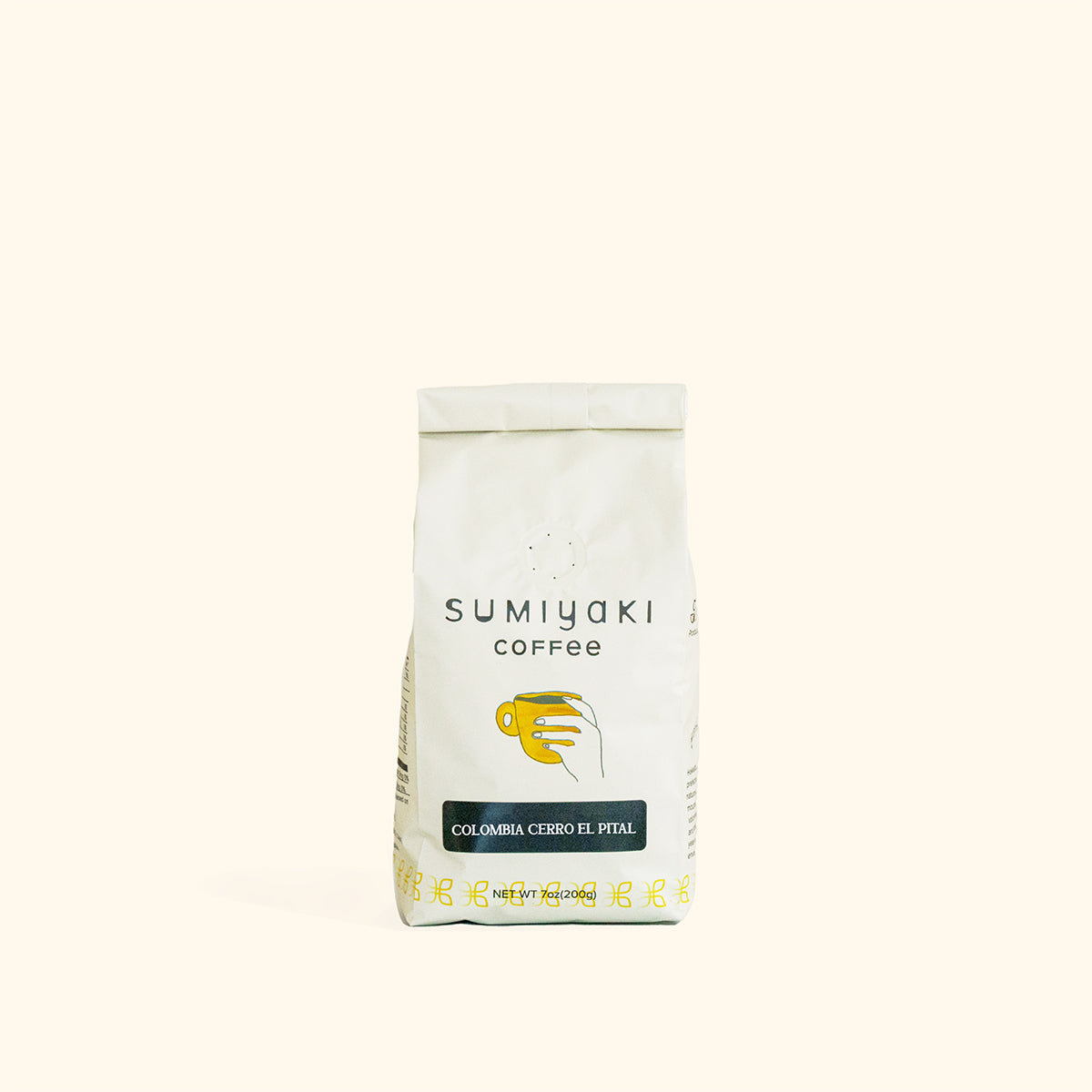
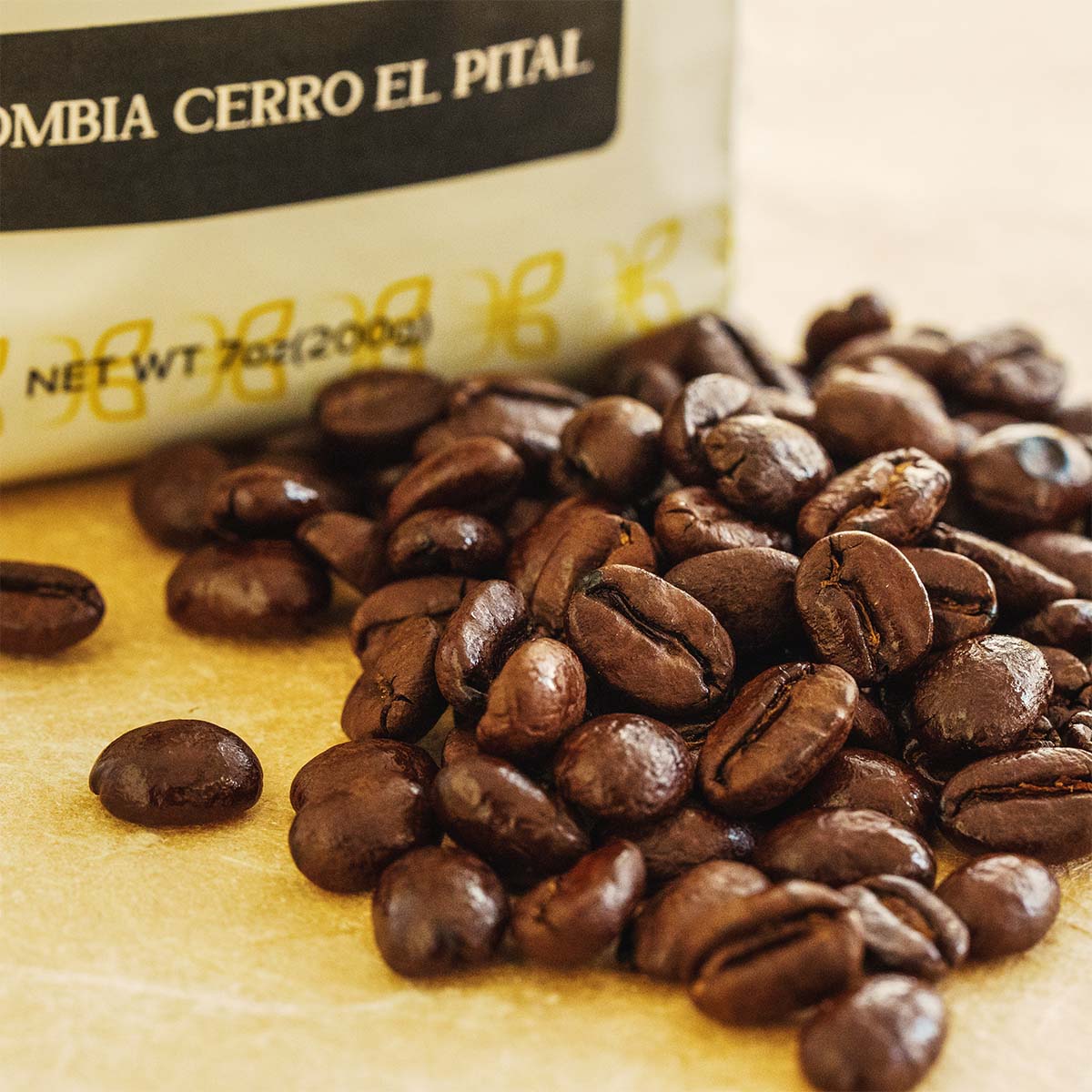
Colombia Cerro El Pital - Arabica Caturra

USD $40.00
Quick view

This exclusive single-origin coffee from Pital Mountain is a specialty-grade coffee certified by the FNC (Federation of Colombian Coffee Growers) and sourced from a contract farm in the Huila Department of Colombia. Grown at an altitude of 1700 meters in the lush, fertile region of Pital, this coffee benefits from the area's unique weather and rich soil, surrounded by majestic mountains and rivers like the Magdalena, Cauca, Caqueta, and Patia. Carefully selected by the COAGROBRISAS cooperative, this coffee captures the natural beauty and exceptional quality of one of Colombia’s most renowned coffee-producing regions.

5 reviews

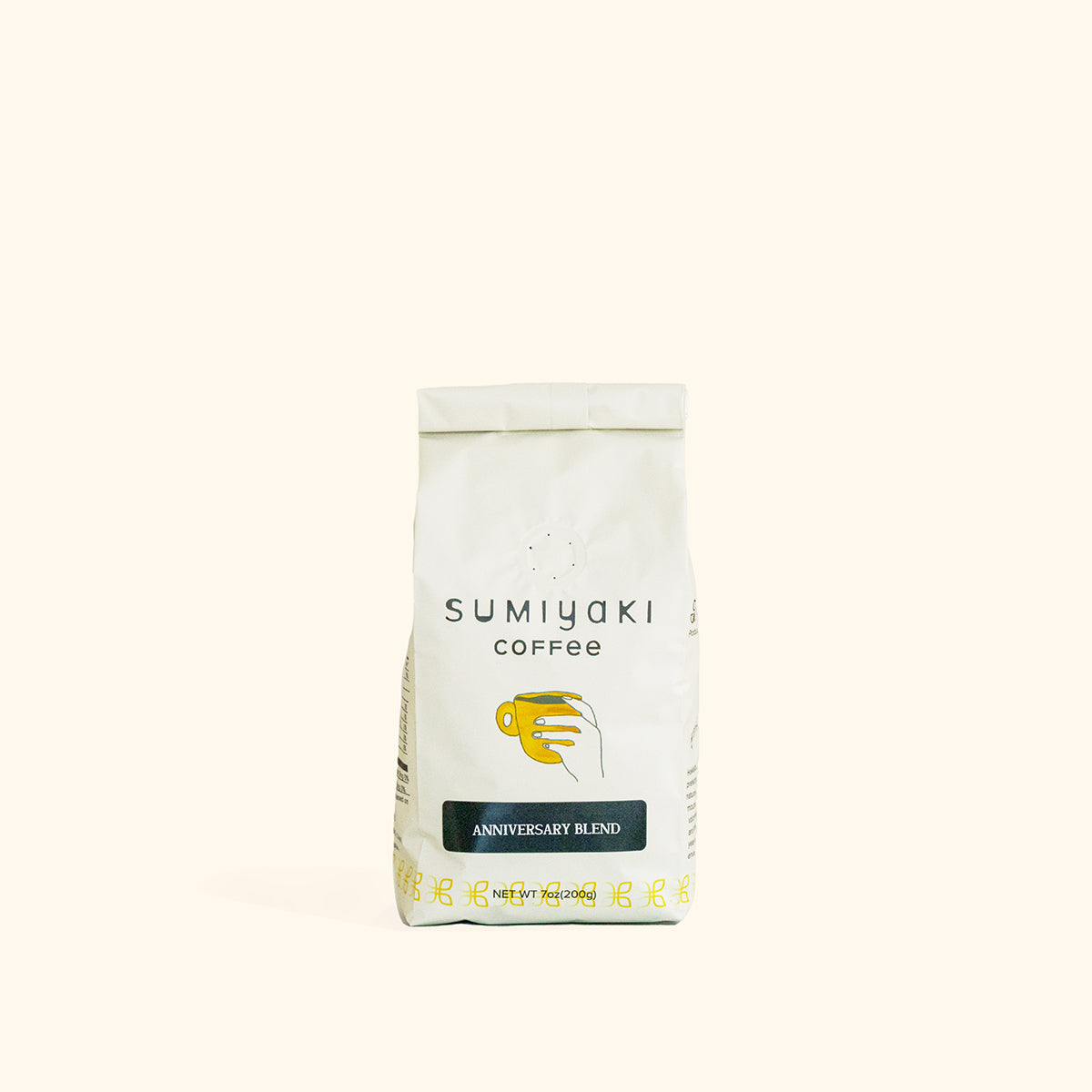
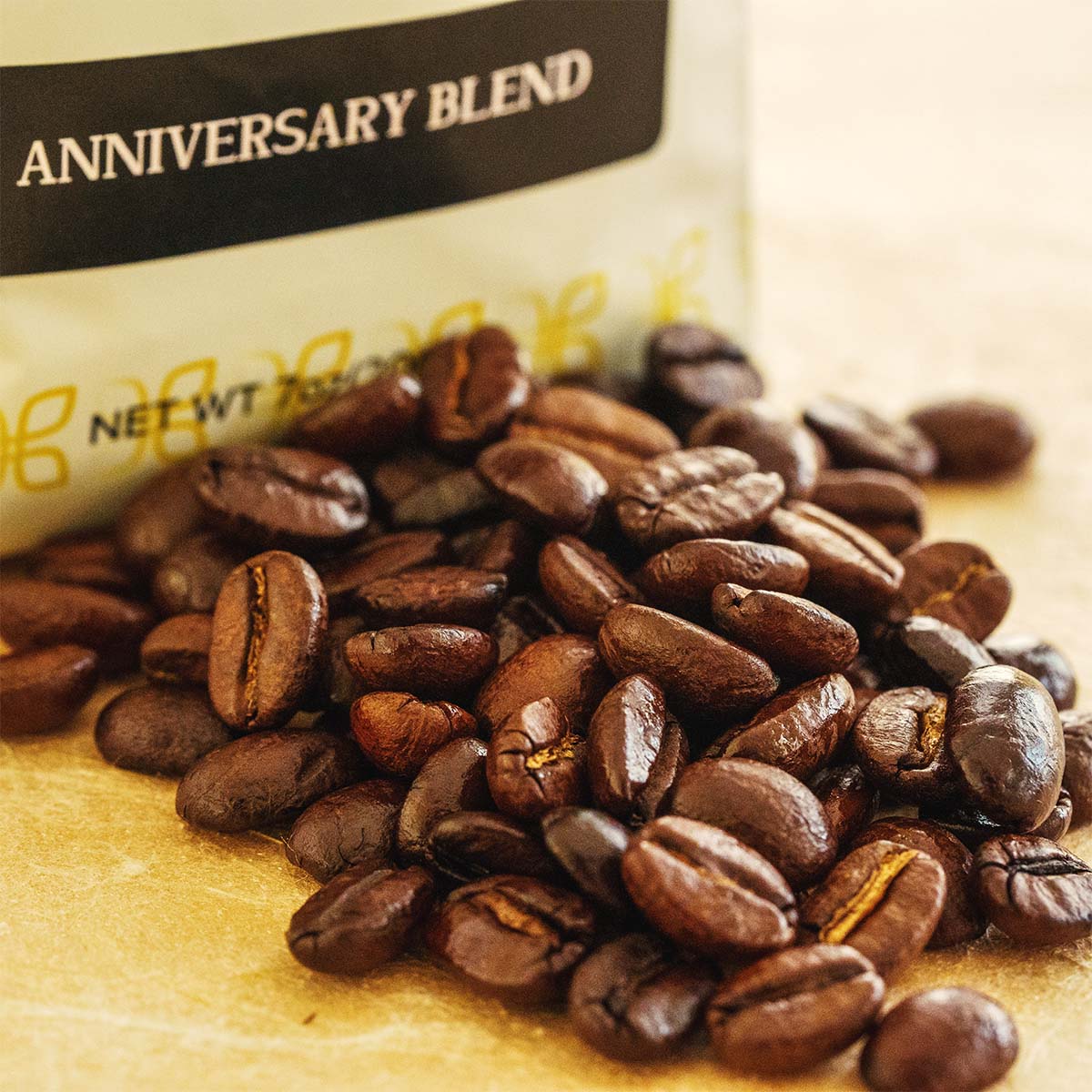
Anniversary Blend (Colombia, Brazil, Indonesia)

USD $35.00
Quick view

Do you enjoy your coffee fruity & sweet? Then this premium blend is for you, with beans from Colombia, Brazil, and Ethiopia. This blend is the fruitiest coffee in our selection.

This blend was the limited 30th-anniversary blend of Sapporo Coffee Kan in 2012. It was widely popular and was kept as a regular selection. The base of the blend is Colombia Pital-Mountain - Single Origin Premium Coffee.

With bright and sweet tones and a citrusy finish, this coffee invokes the sweeter side of life. For the best enjoyment of this high-end blend, use it to make a creamy espresso or latte-style coffee.

2 reviews

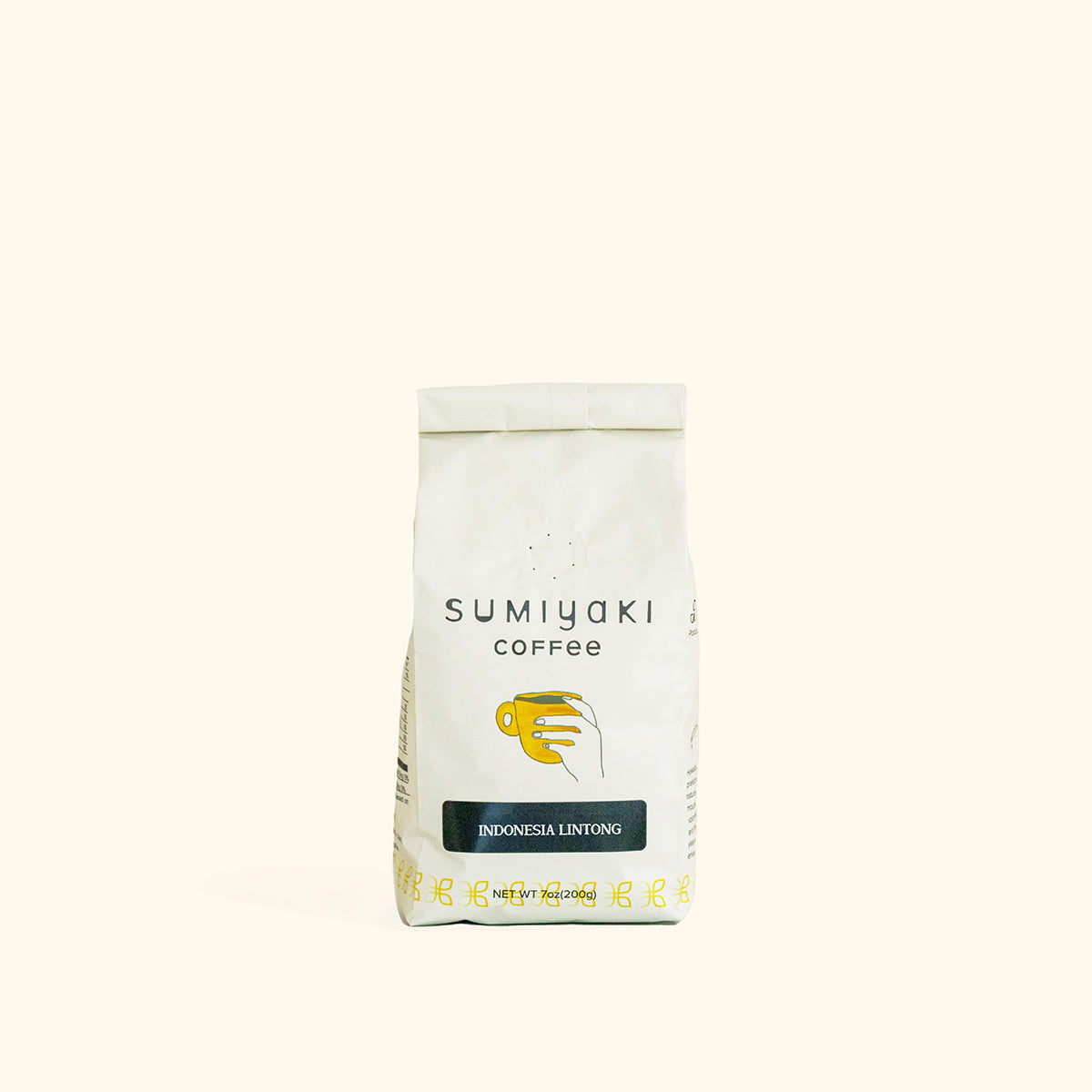
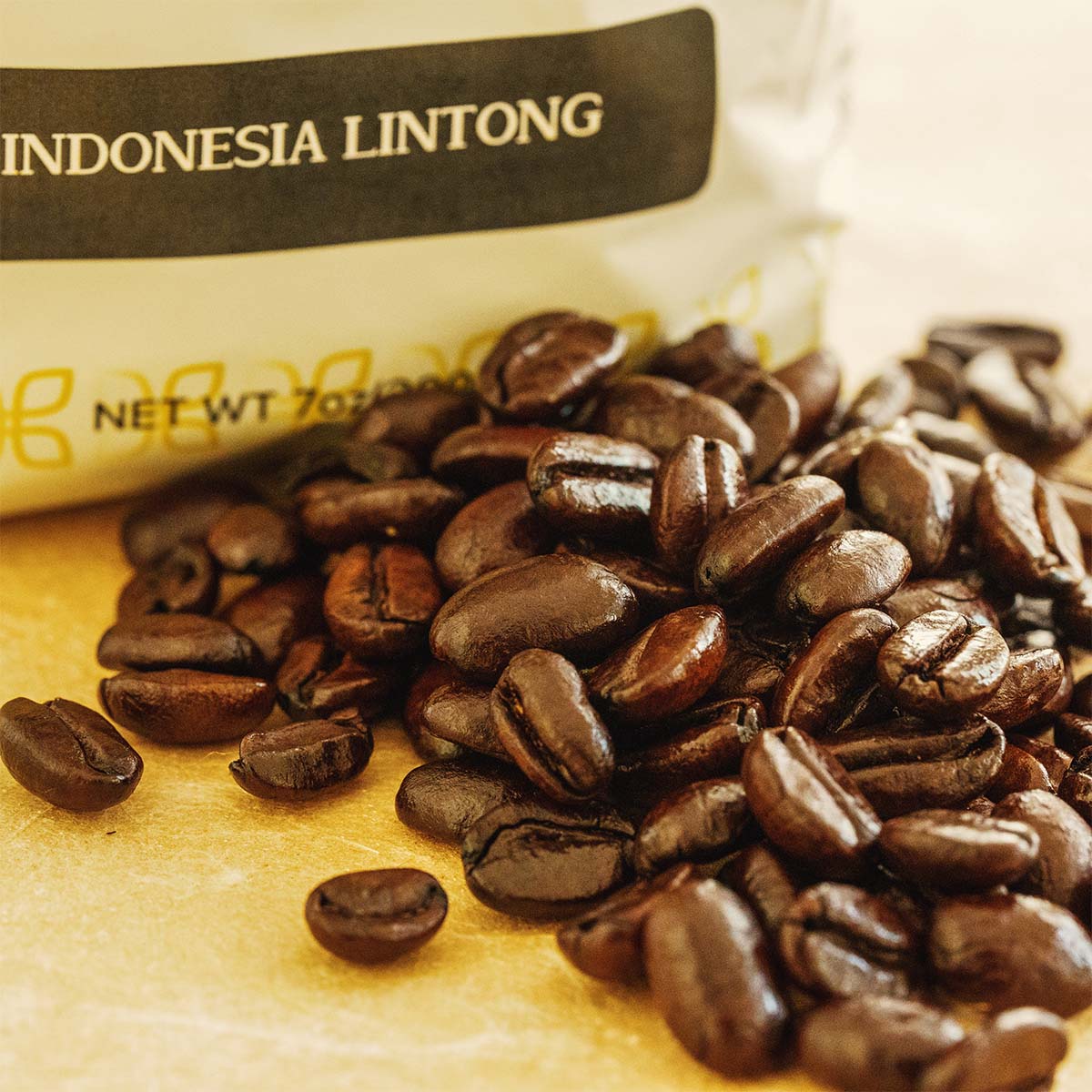
Indonesia Lintong - Arabica Typica

USD $48.00
Quick view

This exclusive contract farm coffee, Mandheling Berkat Lingtong, comes from the lush, fertile region of Lingtong Nihuta, located south of Lake Toba in North Sumatra. Grown at an altitude of 1350 to 1400 meters, this special variety—meaning "the blessing of Lingtong" in Indonesian—is distinct from the more common Mandheling coffee. Cultivated without artificial chemicals on humus-rich soil, the coffee trees are carefully spaced at four-meter intervals, allowing them to grow thick, strong, and healthy for decades, producing large, vibrant red cherries. Around 40 local families handpick and deliver the cherries to a fine selection factory, where they are traditionally processed using the Sumatran method and meticulously screen sorted, resulting in Sapporo Coffee Kan’s original specialty coffee with rich, complex flavors.

3 reviews

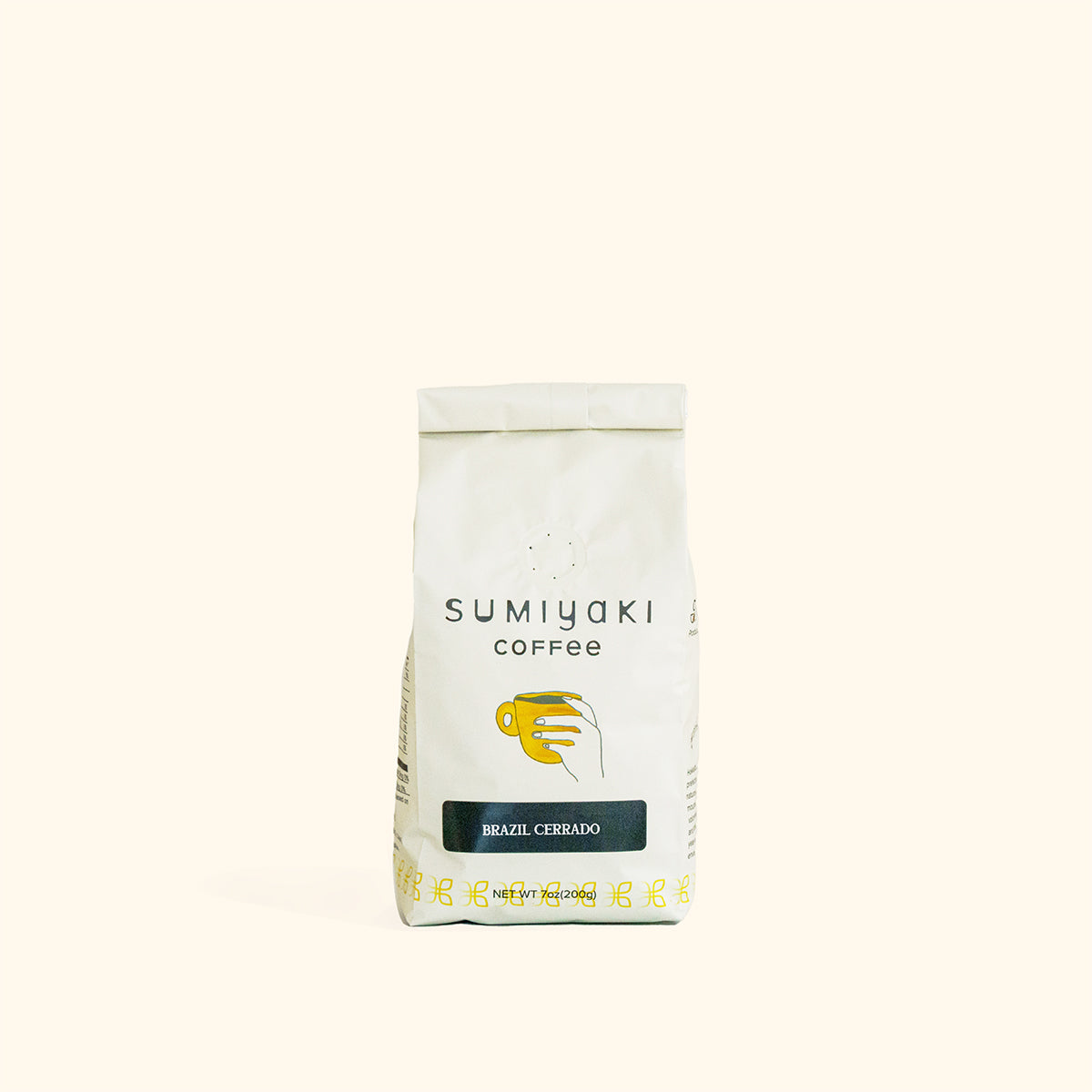
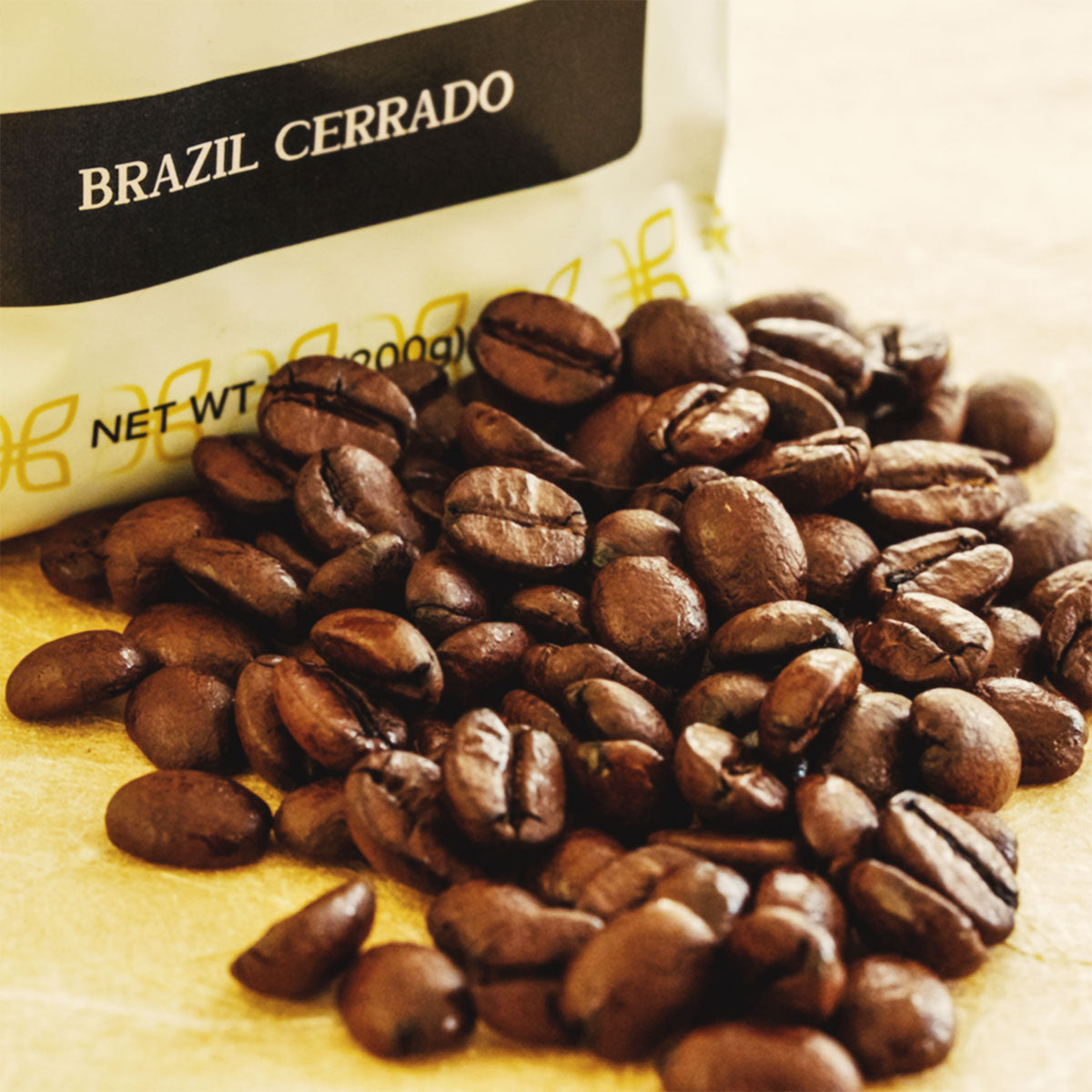
Brazil Cerrado - Arabica Catuai

USD $35.00
Quick view

This exclusive contract farm coffee from Brazil’s Cerrado region comes from the Shimada Plantation, managed by third-generation Japanese American coffee producer Hugo Shimada. Since 2018, a direct partnership has connected us to this farm, located in the Patrocínio municipality of Minas Gerais, a renowned area for producing exceptional coffee. To preserve the beans' natural sweetness and distinctive character, the coffee is processed using the natural method, allowing the beans to stay in contact with the ripened cherry longer and absorb its rich flavors. Stored carefully and aged in the cherry form, this process brings out a deep, sweet, and vibrant profile in every cup. To ensure even higher quality, production is limited to a select 247-hectare area, capturing the true individuality and excellence of the Cerrado terroir.

Papua New Guinea Baroida Estate Sumiyaki Coffee (Limited-Time Seasonal Single-Origin)

USD $25.00
Quick view

Sapporo Coffee Kan’s limited-time seasonal single-origin from Papua New Guinea’s Baroida Estate is roasted with the traditional Japanese sumiyaki charcoal-roasting method, bringing out a smooth body, gentle sweetness, clean finish, and cocoa-like richness.

14 reviews

Hokkaido Blend (Colombia, Brazil, Honduras, Indonesia)

USD $25.00
Quick view

Sapporo Coffee Kan's most popular and long-selling signature blend, known as "the house blend," offers a rich, full-bodied coffee experience with a pleasant, mild bitterness and a mellow taste. Crafted by adding the finest Mandheling Berkat Lingtong beans to the blend, it achieves a rare balance—delivering depth and complexity without the sharp acidity often found in other coffees. For those who prefer a smoother, less acidic cup without sacrificing richness and flavor, this special house blend truly hits the spot.


Related Articles You May Be Interested

Everything You Need to Know about Different Types of Coffee - List of every type of coffee in the universe (maybe)
Everything You Need to Know about Different Types of Coffee  - List of every type of coffee in the universe (maybe)
How Soil Affects the Taste of Coffee
How Climate Affects the Taste of Coffee
Top 10 Most Exotic Premium Coffees
About Our Premium Decaf Coffee
What Makes Charcoal Roasting Expensive?
How Season Affects the Taste of Coffee
How Harvesting and Processing Technology Affects the Taste of Coffee
Everything You Need to Know about Peru Coffee

Get Free Bonus Books

Join Japanese Coffee Club

Sign up for free to the Coffee Club to get advice and exclusive articles about how to choose Japanese Coffee, and tips, tricks, and recipes for enjoying Japanese coffee.

Unsubscribe anytime. It’s free!

About the author

Kei Nishida

Author, CEO Dream of Japan

info@japaneseCoffeeCo.com

Certification: PMP, BS in Computer Science

Education: Western Washington University

Kei Nishida is a passionate Japanese tea and coffee connoisseur, writer, and the founder and CEO of Japanese Coffee Co. and Japanese Green Tea Co., both part of Dream of Japan.

His journey began with a mission to introduce the world to the unparalleled quality of Japanese green tea. Through Japanese Green Tea Co., he established the only company that sources premium tea grown in nutrient-rich sugarcane soil—an innovation that led to multiple Global Tea Champion awards.

Building on this success and his passion for Japanese craftsmanship, Kei expanded into the world of coffee, pioneering the launch of Japanese Coffee Co., the first company to bring Sumiyaki charcoal-roasted coffee to a global audience. His dedication to authenticity and quality ensures that this traditional Japanese roasting method, once a well-kept secret, is now enjoyed worldwide.

Beyond tea and coffee, Kei has also introduced Japan’s legendary craftsmanship to the world through Japanese Knife Co., making handmade katana-style knives—crafted by a renowned katana maker—available outside Japan for the first time.

Kei’s journey continues as he seeks out and shares the hidden treasures of Japan, one cup and one blade at a time.

Learn more about Kei

Related Posts

OC Japan Fair April 2026 — Visit Us at Booth #A8!
OC Japan Fair Spring 2026 Recap (April 3 - 5 2026)

We were at OC Japan Fair again! April 3-5 2026 with new products, Miki Pon's art debut and more. Here is a recap video f

Read More
Introducing the Sakura Blend (桜ブレンド): Our Limited-Time Spring Seasonal Coffee Is Here!

Meet Sakura Blend — our first spring seasonal coffee! Bright, smooth, naturally sweet. Not sakura-flavored. While suppli

Read More
How a Sumiyaki Roaster Machine Works: Inside the Japanese Charcoal Roasting Process

Discover the art of Japan’s charcoal coffee roasting — where binchotan, far-infrared heat, and artisan skill create a de

Read More
Leave a comment

Your email address will not be published..

Cart

Your cart is currently empty.

Start Shopping

Select options