Skip to content

Coffee Science - 12 Scientific Tips for Brewing Coffee To Taste Better

The no more protracted debate that coffee has been a staple drink. It is not just in the morning for most of us, and many of us would stay curious to make everything better in this world. This curiosity beats all of us and also applies to every sip of our favorite drink. Have you ever wondered the do’s and don’ts of coffee to think that we take a cup of it at least every day? From its origin and farming to machine maintenance, read on to find out 12 of the essential scientific tips that influence a better coffee quality for you or your customers. This write-up would tour you on suggestions to prepare a better cup of coffee along with data and scientific reasons to back them up.

Click here to download table of contents and first few pages

Sign up to Japanese Coffee Club (free newsletter) to get this book for free today.

Coffee Science

Coffee Science Table of Contents

Sign up to Japanese Coffee Club (free newsletter) to get this book for free today.

FAQs about Coffee Science Tips

What’s the most underrated coffee variable for taste?

Honestly, water. Most home brewers obsess over beans and grind, then use tap water that’s either too soft (under-extracts and tastes flat) or too hard (over-extracts and tastes bitter). Aim for water with about 150 ppm total dissolved solids. A simple Brita filter on tap water works for most cities. Pair good water with a fresh roast like Asa Tsuyu and the difference is dramatic.

How Water Affects the Taste of Coffee

Does the brew ratio really matter that much?

Yes — it’s the single biggest control you have. SCA standard is 1:16 (60g coffee per liter of water). Want stronger? Go 1:14. Want lighter? Try 1:18. Most home coffee tastes weak because people use 1:20 or worse. Get a kitchen scale, measure once, taste the difference.

Should I weigh my coffee or use a scoop?

Weigh it. Scoops are wildly inconsistent — bean density varies from roast to roast, so 1 scoop of light roast and 1 scoop of dark roast are different gram amounts. A $15 kitchen scale is the highest-leverage coffee upgrade you can buy. Pair it with a fresh Hokkaido Blend and you’ll never go back.

What temperature should brew water actually be?

195–205°F (90–96°C). Below that you under-extract — sour, weak, thin. Above that you scald the grounds — bitter, harsh. If you don’t have a temperature kettle, boil water, take it off heat, wait 30 seconds, then pour. The science of water in coffee is the deepest rabbit hole; that one tip alone gets you 80% of the way.

How Water Affects the Taste of Coffee

How long should I actually brew?

Method-dependent. Pour-over: 3–4 minutes total. French press: 4 minutes. Espresso: 25–30 seconds. Cold brew: 12–18 hours at room temp or fridge. Going outside these windows tilts toward under- or over-extraction. The brew time is locked once you nail grind size and water temperature.

How Grinding Affects the Taste of Coffee

Related products

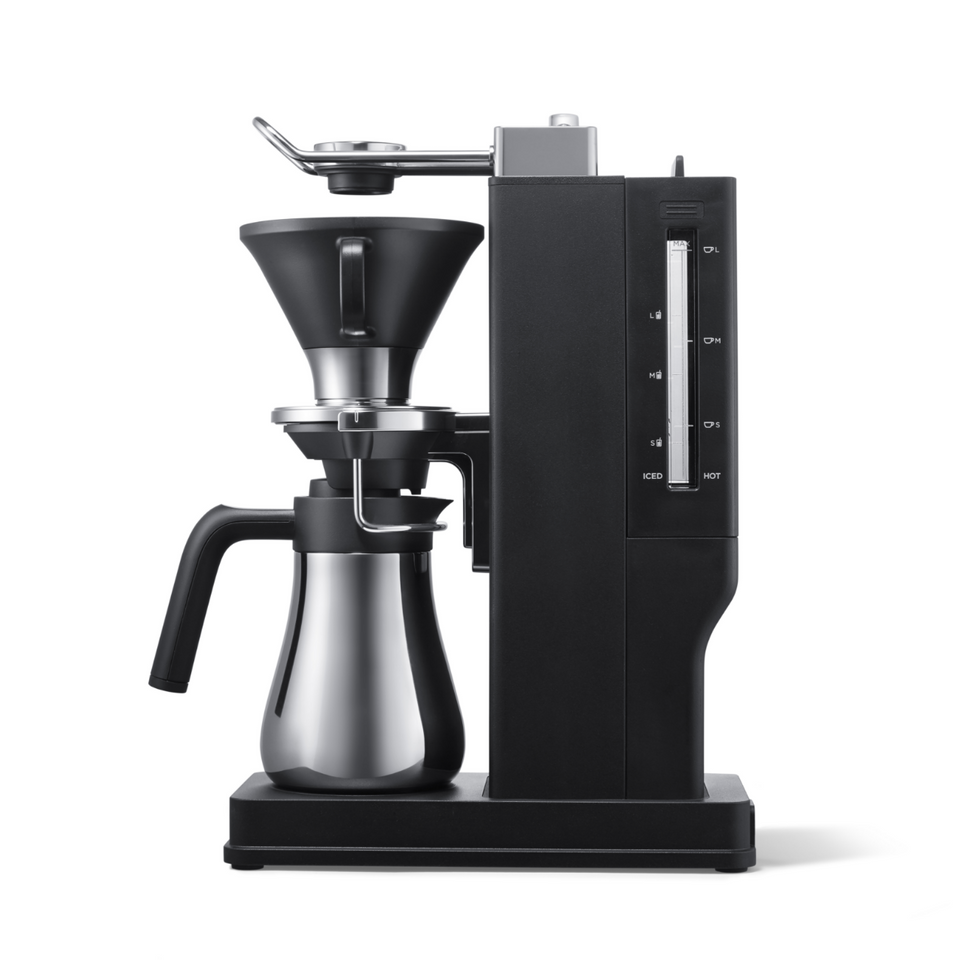
BALMUDA The Brew

USD $699.00
Quick view

BALMUDA The Brew brings the true taste of café-quality coffee into your home with its automated pour-over system.

With precise temperature control, ultra-accurate dripping, and a unique bypass pouring method, it creates a bold yet clean cup every time.

Its compact stainless steel and matte black design adds a refined presence to any space.

Choose from three modes—Regular, Strong, and Iced—each optimized for a perfect brewing experience.

37 reviews

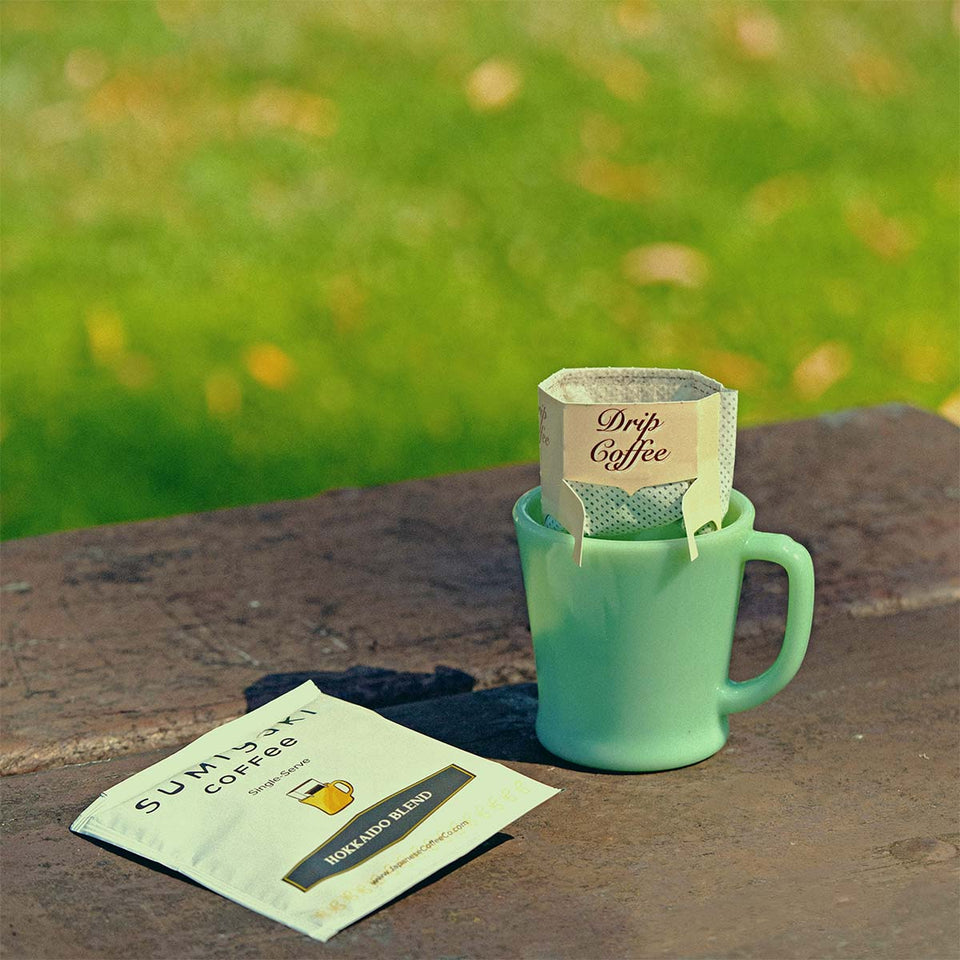
Hokkaido Blend Single-Serve Pour-Over - Disposable Filter Bag

USD $42.00 USD $39.00
Quick view

The Single-Serve Disposable Filter Bag (Cup-On) is an ingenious coffee-brewing method that has been popular in Japan for quite some time but remains lesser known elsewhere. Designed to hold the perfect amount of ground coffee for a single cup, each filter bag features a clever paper structure that securely stabilizes onto your cup—just pour hot water, and voilà, a fresh and delicious drip coffee is ready with minimal effort and no special equipment. What sets this Cup-On apart from other pour-over filters is its unique 4-point system, an innovative design that prevents the filter from becoming soaked after pouring, ensuring a consistent and flavorful brew. Among the many variations of cup-on filters available in Japan, this premium version stands out for delivering an exceptional pour-over experience crafted for true coffee enthusiasts.

28 reviews

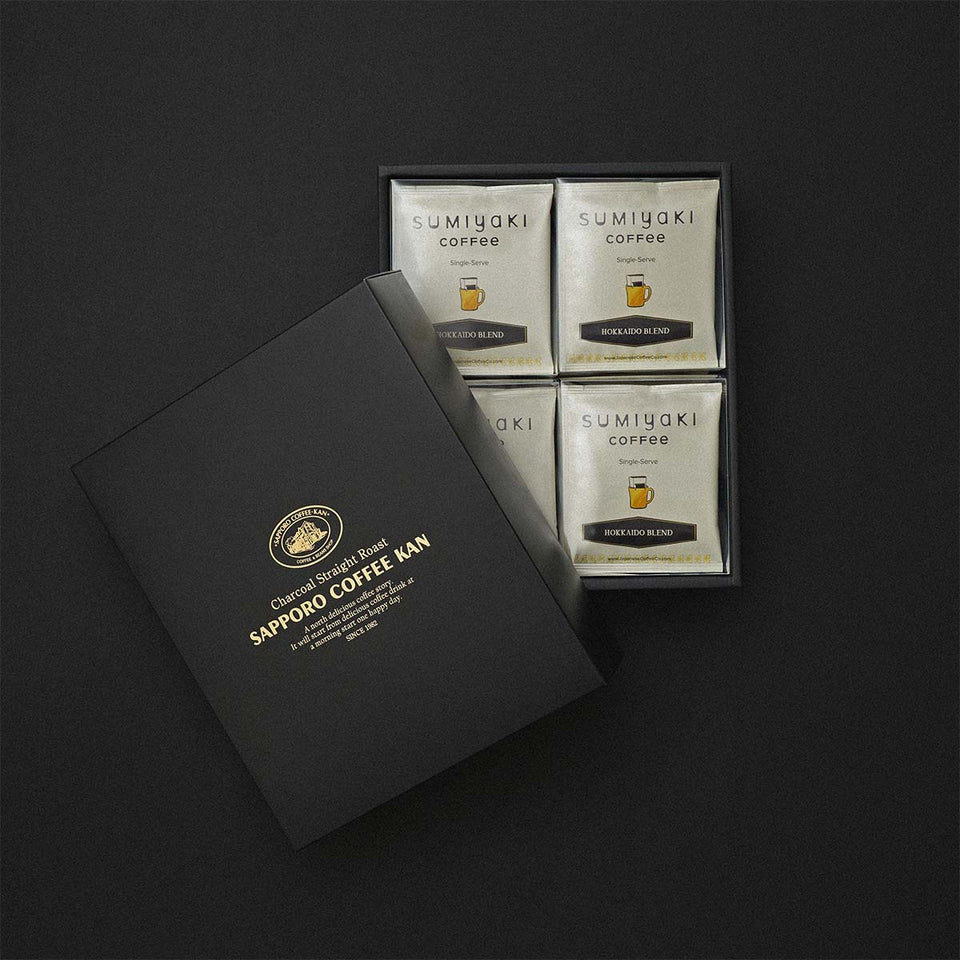
Hokkaido Blend Single-Serve Pour-Over Gift Box Set

USD $85.00 USD $79.99
Quick view

Looking for the perfect gift for a coffee lover? This beautifully rustic gift set features four of our most popular Sumiyaki coffees, each portioned into single-serve disposable filter bags designed for an effortless pour-over experience. Each filter bag holds the ideal amount of ground coffee for one cup and includes a clever paper structure that stabilizes securely onto your cup—just pour hot water and enjoy a fresh, delicious brew with minimal effort. This ingenious brewing method, known in Japan as "Cup-On," brings the joy of café-quality drip coffee anytime, anywhere without the need for special equipment. The set includes 28 single-serve bags, and each package is thoughtfully designed with an easy-open cut line and a pro tip for optimal brewing: lightly tap the coffee grounds with a spoon to even the surface for a perfectly balanced cup.


Related Articles You May Be Interested

How Roasting Affects Taste of Coffee
Brewing Tips for Premium Coffee
How Vending Machine Changed Japan's Coffee Culture
Can Japan Grow Coffee? - Coffee Quiz
5 Best Coffee Drinks for Students to Focus Better and Increase Productivity

Get Free Bonus Books

Join Japanese Coffee Club

Sign up for free to the Coffee Club to get advice and exclusive articles about how to choose Japanese Coffee, and tips, tricks, and recipes for enjoying Japanese coffee.

Unsubscribe anytime. It’s free!

About the author

Kei Nishida

Kei Nishida

Author, CEO Dream of Japan

info@japaneseCoffeeCo.com

Certifications: PMP, BS in Computer Science

Education: Western Washington University
Kei Nishida is a passionate Japanese tea and coffee connoisseur, writer, and the founder and CEO of Japanese Coffee Co. and Japanese Green Tea Co., both part of Dream of Japan.

His journey began with a mission to introduce the world to the unparalleled quality of Japanese green tea. Through Japanese Green Tea Co., he established the only company that sources premium tea grown in nutrient-rich sugarcane soil—an innovation that led to multiple Global Tea Champion awards.

Building on this success and his passion for Japanese craftsmanship, Kei expanded into the world of coffee, pioneering the launch of Japanese Coffee Co., the first company to bring Sumiyaki charcoal-roasted coffee to a global audience. His dedication to authenticity and quality ensures that this traditional Japanese roasting method, once a well-kept secret, is now enjoyed worldwide.

Beyond tea and coffee, Kei has also introduced Japan’s legendary craftsmanship to the world through Japanese Knife Co., making handmade katana-style knives—crafted by a renowned katana maker—available outside Japan for the first time.

Kei’s journey continues as he seeks out and shares the hidden treasures of Japan, one cup and one blade at a time.

Related Posts

OC Japan Fair April 2026 — Visit Us at Booth #A8!
OC Japan Fair Spring 2026 Recap (April 3 - 5 2026)

We were at OC Japan Fair again! April 3-5 2026 with new products, Miki Pon's art debut and more. Here is a recap video f

Read More
Introducing the Sakura Blend (桜ブレンド): Our Limited-Time Spring Seasonal Coffee Is Here!

Meet Sakura Blend — our first spring seasonal coffee! Bright, smooth, naturally sweet. Not sakura-flavored. While suppli

Read More
How a Sumiyaki Roaster Machine Works: Inside the Japanese Charcoal Roasting Process

Discover the art of Japan’s charcoal coffee roasting — where binchotan, far-infrared heat, and artisan skill create a de

Read More
Leave a comment

Your email address will not be published..

Cart

Your cart is currently empty.

Start Shopping

Select options