Skip to content

Does Coffee Bean Size matter to your coffee’s taste? – Coffee Quiz

One of the things I love when buying coffee is browsing the shelves of my local roastery, deciding which pack of coffee will be my next.

I do have some personal favorites, sure. But you leave so much flavor and aroma on the table, when you don’t try new things every once in a while…

The Single Origin Blends I usually go for, always have variety, grind, roast, etc. written on the outside. Sometimes something that describes their taste as well, but it was only recently that I noticed…

What is the Bean Size doing here?

coffee QUIZ

So, confused as I was, I asked one of the roasters. What he told me was that, when it comes to coffee beans, size is one of the vital things that define their quality.

But that made me wonder…

Why does that matter? How does it impact the flavor? Are larger or smaller beans better?

So without further ado, this is what I found!!!

Size-based Grading System

Before going forward with the big questions, however, let’s cover up some basics, shall we?

During the processing of the beans, either at the start or the finish, depending on the producer, coffee is sorted out based on its size in a procedure called Screening.

This process basically involves several sieves with different hole sizes, from which the beans are passed through.

The sieves, large and square as they are, are called Screens (hence the name Screening), and their hole sizes range from 20/64 of an inch (8.0 mm), to 8/64 of an inch (3.2 mm), used for sorting the coffee beans based on their size.

The bean sizes from 20/64 to 8/64 are called “Grades”, and are used, in most cases, as a quality determinant.

coffee fruit ready to harvest

Why size matters?

In general, the larger the beans, the better the flavor.

This has to do mainly with the time the plant has had to grow and ripen, and as an immediate consequence, the time it had to develop its aroma and taste.

The largest beans of Arabica and Robusta, the two kinds of coffee that represent around 97% of worldwide production, are called elephants, and they are 19/64 and 20/64 of an inch in size. They are an exception, as well as Peaberries, to the general size-flavor relation, and we will talk more about them later.

The Different names and traits of Commercial Sizes

Coffee beans from 18/64 to 17/64 of an inch are simply called “Large” in industrial terms but come with different names depending on their place of origin.

For example, they can be found as Supremo (Colombia), Superior (Central America) and AA (Africa and India). If you see one of these names on the package, it is an indicator of high-quality beans.

It means they had time to develop their profile and if the processing is done right, that will be evident in your cup!

After them, we have the “Medium” size beans (Excelso, Segundas or AB), that range from 15/64 to 16/64 of an inch in size.

Despite not having as much time as the large beans to ripen, there are some very-well processed medium size beans that can easily go on par, or even exceed their slightly larger relatives in overall cup quality.

japanese coffee beans

Next ones are the “Small” beans (UCQ, Terceras, or C), which size at 14/64 of an inch, and are the lowest quality with acceptable, satisfactory taste.

Of course, that isn’t always true because in some countries, like Ethiopia, which produce smaller beans in general, these beans can lead to very vivid flavors and rich aromas when managed properly.

Anything smaller than 14/64 of an inch is called a “Shell” and is considered a cheap coffee bean size.

There is an exception to that as well, the Peaberry beans, of which we will talk about in the next section!

Exceptions

There are two main exceptions where the size-quality relation breaks. These exceptions are Elephant sized beans, and Peaberries.

Elephant beans, which are mainly found in Africa and India, encounter problems when it comes to roasting, and that’s the reason they are not considered good.

Due to their size, they tend to be softer than other beans, so they break earlier than supposed to, resulting in an imbalance of flavors.

The Elephant exception is only true for Arabica and Robusta varieties, though. There are 2 more, less dominant varieties, Liberica and Excelsa, that account for 3% of global production.

These varieties grow much taller than the average tree (up to 20m) and produce beans as large as Elephants. However they are considered very high quality because they are not as soft, so the roasting process flows much smoother.

Peaberries on the other hand, while incredibly small (8/64 to 13/64 of an inch), tend to be one of the most flavorful and “cream of the crop” beans, known for their premium profile and delightful aromas.

harvesting japanese coffee fruit

What leads to the size?

Size is a result of several separate factors.

The main determinant of coffee size is the variety of the beans, however, different conditions such as weather and altitude can also impact the size.

If all conditions, from soil to altitude to weather are not met, a coffee bean can end up as small as half the average size of its variety, resulting, in most cases, in a suboptimal result.

It should be noted that coffee cherries, from which the beans are extracted, don’t grow at the same speed even under the same conditions, so that’s why a single crop can consist of a range of different sizes.

Conclusion

After this article, I am confident many of you will start noticing the size of your beans more often.

I believe that’s a good thing. Now you know much more about what each size means for your own cup.

That said, there are many roasteries that blend all sizes of beans and generate fascinating results, taking everything into account, from variety to roast to what brewing method will be used in each blend.

The bottom line is that… Yes, size does matter when it comes to your daily cup, but the only way to really know if you like it, is to try it yourself!!

FAQs about Coffee Bean Size

Does coffee bean size matter for taste?

A bit, but less than people think. Larger beans (high screen size — 18+) often come from higher altitudes and tend to be denser, which correlates with better flavor potential. But bean size alone isn’t a quality marker; processing, varietal, and roasting matter more. Try our Colombia Caturra (typically screen 17–18) to taste a properly graded bean.

What is "screen size" on a coffee bag?

Screen size = the diameter of the bean in 64ths of an inch. Screen 18 = 18/64ths = ~7mm. Higher screen numbers = bigger beans. Specialty coffee is typically screen 17+; commodity coffee is screen 14–16. Our specialty roasts are all in the 16–18 range.

Why do specialty roasters care about bean size uniformity?

For roast consistency. If your batch contains both screen-15 and screen-18 beans, they roast at different rates — small ones over-cook while big ones under-cook. Sorting beans to uniform size means a more even roast and a cleaner cup. Japanese specialty roasters are especially strict on this.

Are smaller beans always lower quality?

Not always. Some elite varietals (Geisha, Pacamara, Bourbon) naturally produce smaller beans with extraordinary flavor. Size is a rough proxy for quality, not a guarantee. The bigger signal is consistency — you want all beans in a bag to be roughly the same size, whatever that size is.

Does bean size affect grinding?

Slightly. Mixed-size beans grind unevenly because larger beans require more burr engagement. If you’re seeing inconsistent grind from a good grinder, mixed bean sizes might be a culprit. Stick with specialty single-origin coffee like our Brazil Cerrado for the most uniform grind output.

Related products

16 reviews

Hokkaido Blend (Colombia, Brazil, Honduras, Indonesia)

USD $25.00
Quick view

Sapporo Coffee Kan's most popular and long-selling signature blend, known as "the house blend," offers a rich, full-bodied coffee experience with a pleasant, mild bitterness and a mellow taste. Crafted by adding the finest Mandheling Berkat Lingtong beans to the blend, it achieves a rare balance—delivering depth and complexity without the sharp acidity often found in other coffees. For those who prefer a smoother, less acidic cup without sacrificing richness and flavor, this special house blend truly hits the spot.

3 reviews

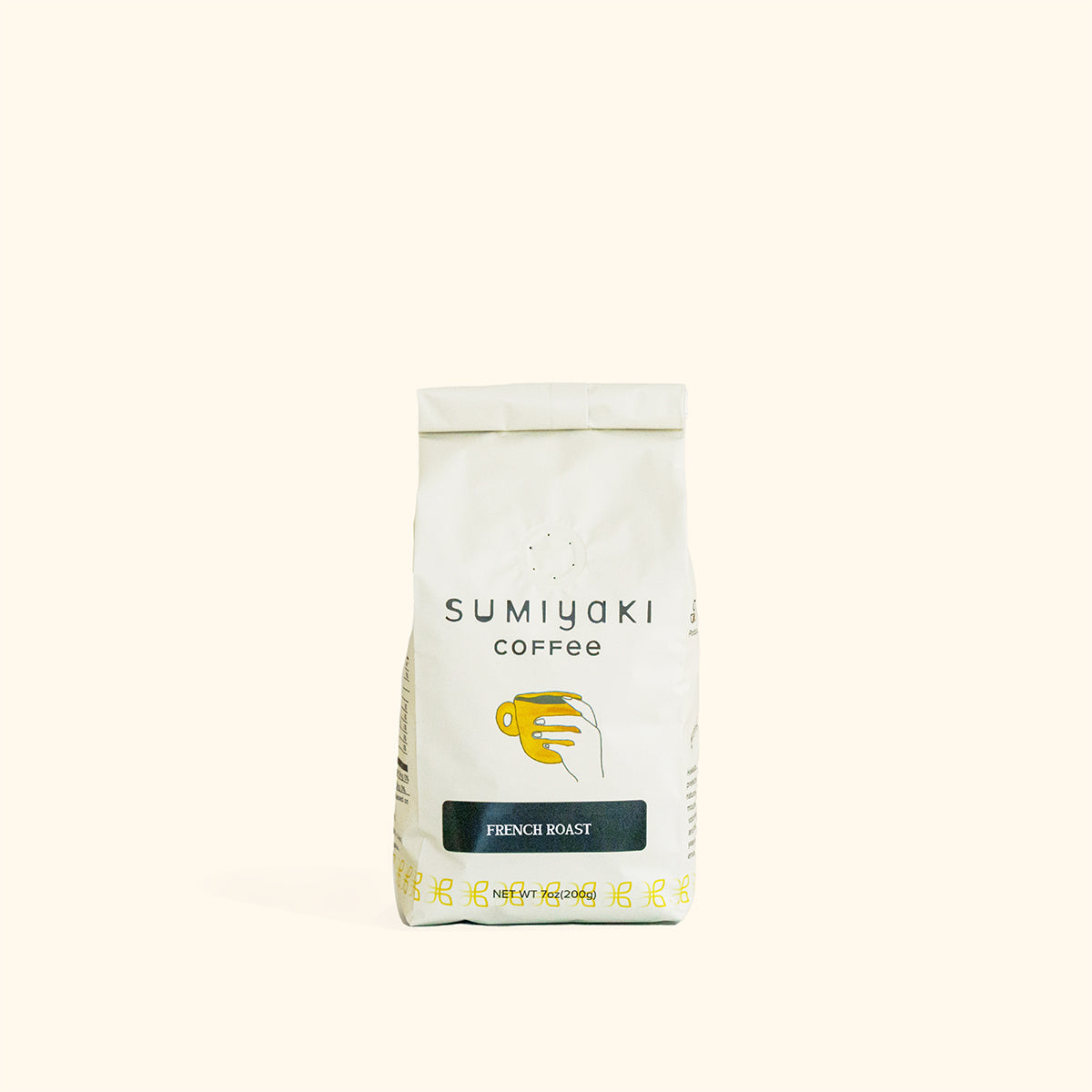
French Roast Blend (Colombia, Brazil, Indonesia)

USD $25.00
Quick view

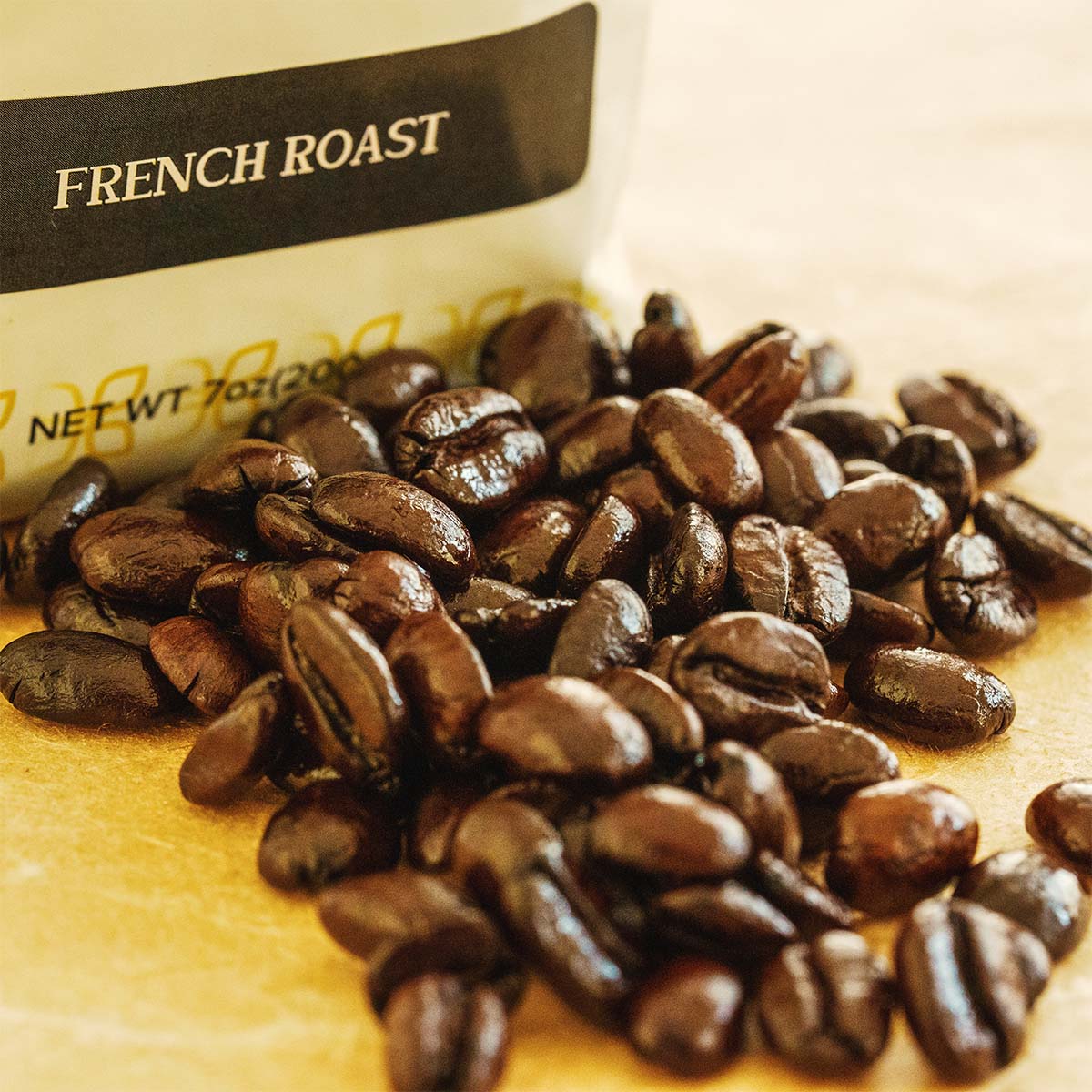
Experience the dark side of coffee with our French Roast Blend, crafted from a rich combination of beans from Colombia, Brazil, and Ethiopia. This bold blend features low acidity, a heavy body, and deep, smoky flavors, achieved by roasting the beans at a high temperature that brings their natural oils to the surface. Versatile and full of character, it delivers exceptional taste both with and without milk, making it perfect for café au lait, iced coffee, or even coffee-based cocktails with a splash of brandy.

5 reviews

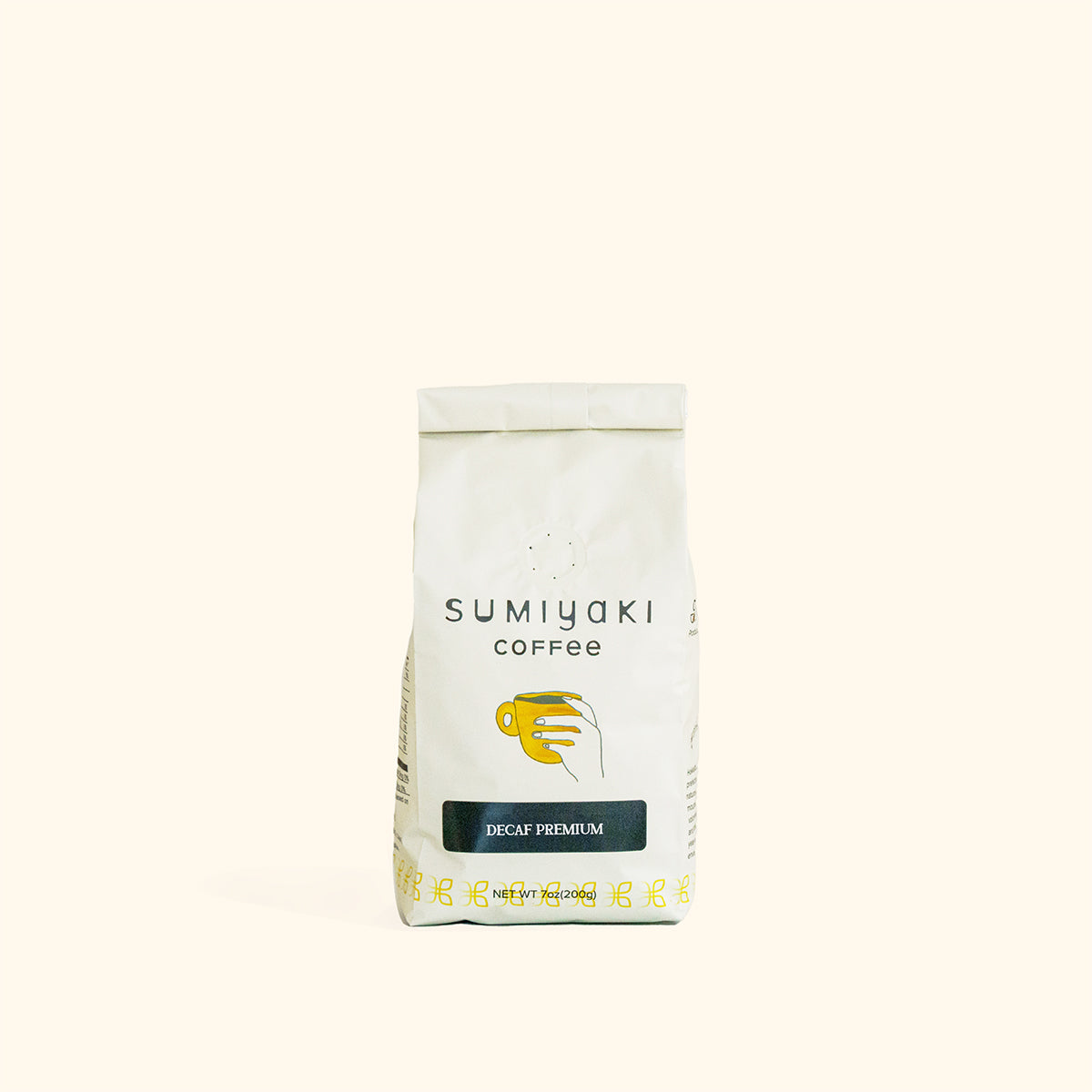
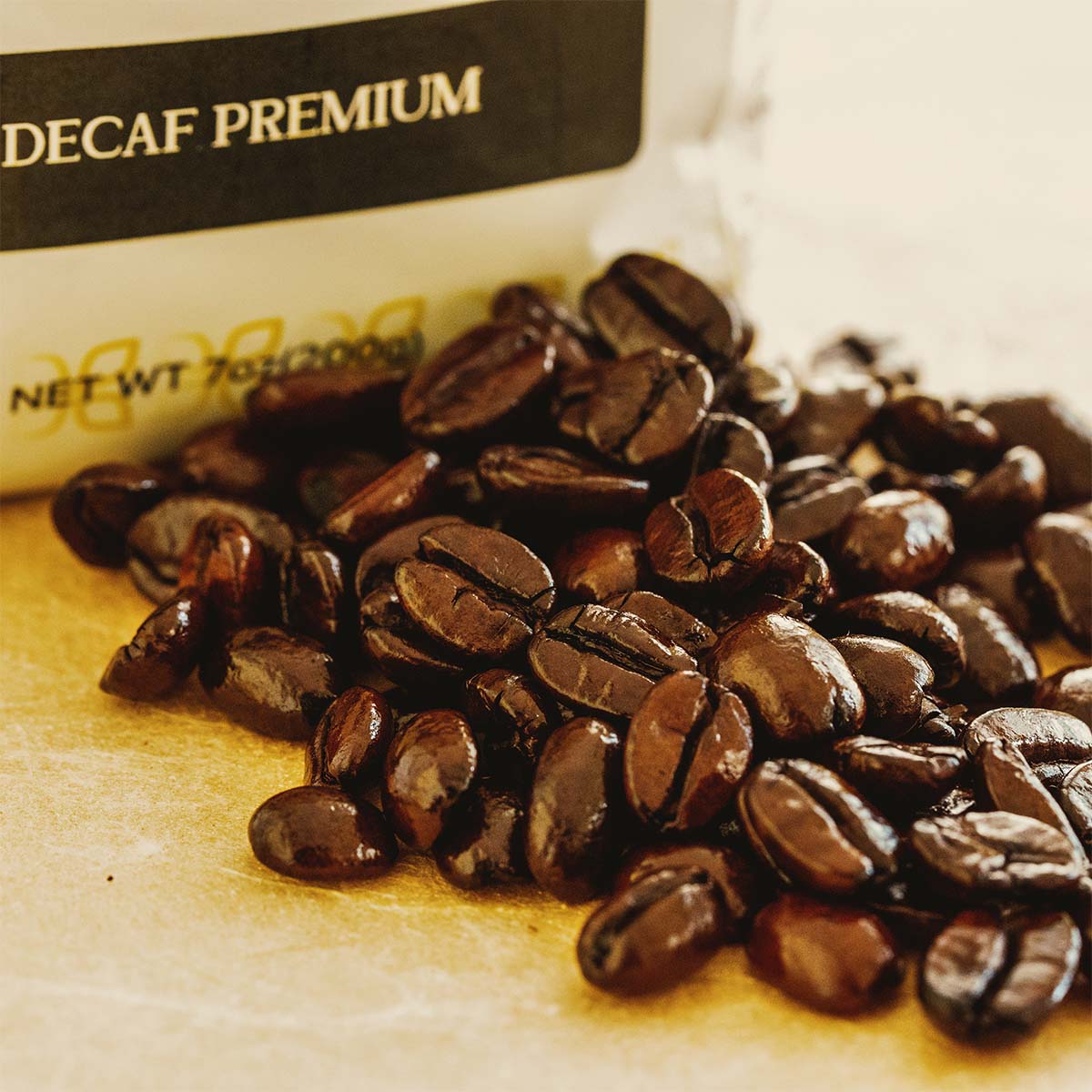
Decaf Premium Blend (Colombia, Brazil, Ethiopia)

USD $35.00
Quick view

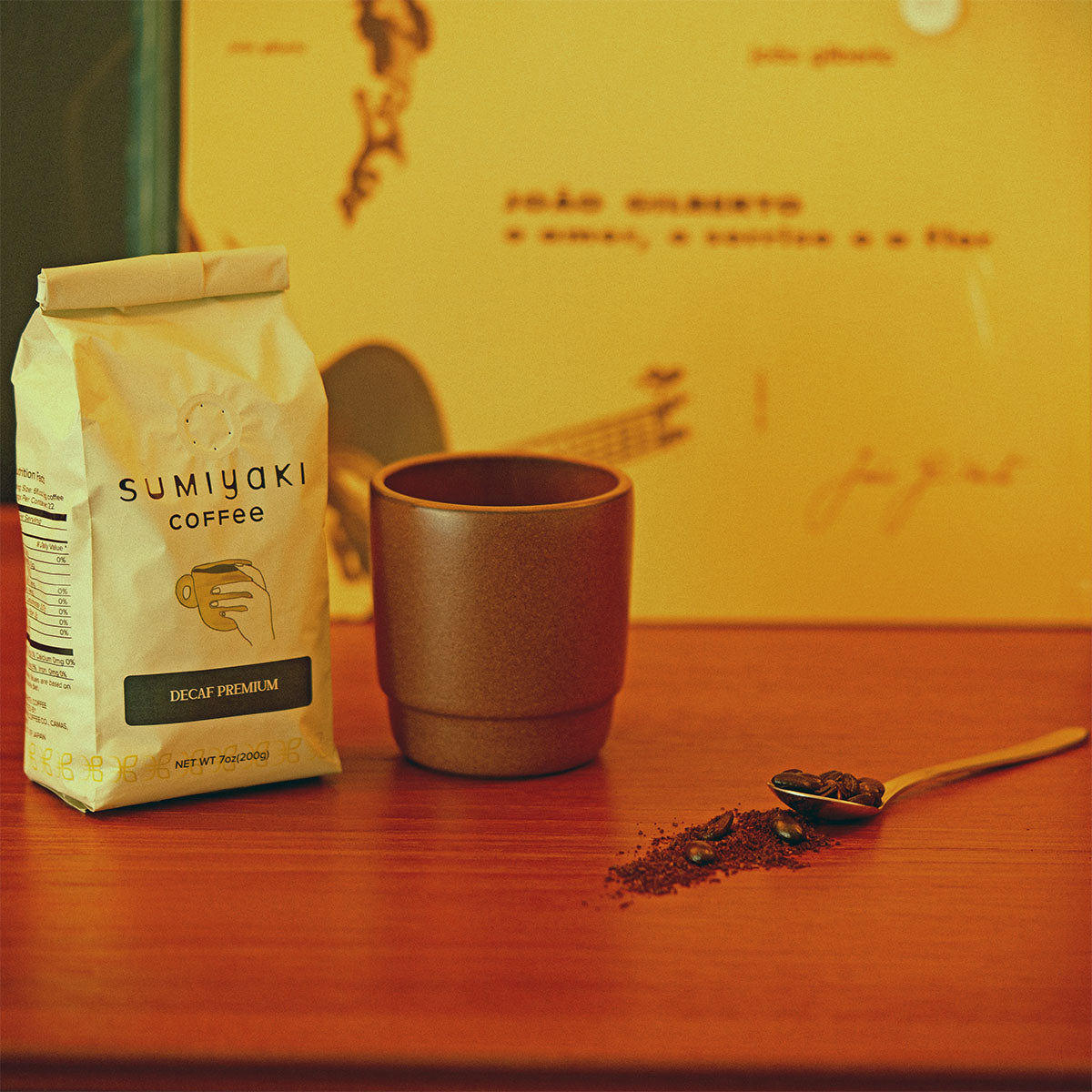
The secret behind Sapporo Coffee Kan’s original Caffeine-off blend lies in a groundbreaking German method called the "Liquid Dicarboxylic Acid Extraction Method," which removes 93–98% of caffeine while preserving the coffee’s original flavor, aroma, and richness. Unlike conventional decaf processes that strip away essential taste components, this technique uses a careful combination of low pressure and temperature over an extended period, ensuring the coffee’s delicious character remains intact. The beans are then roasted using Sapporo Coffee Kan’s unique CSR (Charcoal Straight Roasting) method, minimizing oxidation and preserving the coffee’s vibrant profile. As a result, this decaf coffee is so flavorful and satisfying that it is served at high-end restaurants with evening desserts, offering a true specialty coffee experience for caffeine-sensitive individuals, pregnant women, nursing mothers, and anyone advised to reduce caffeine intake.

10 reviews

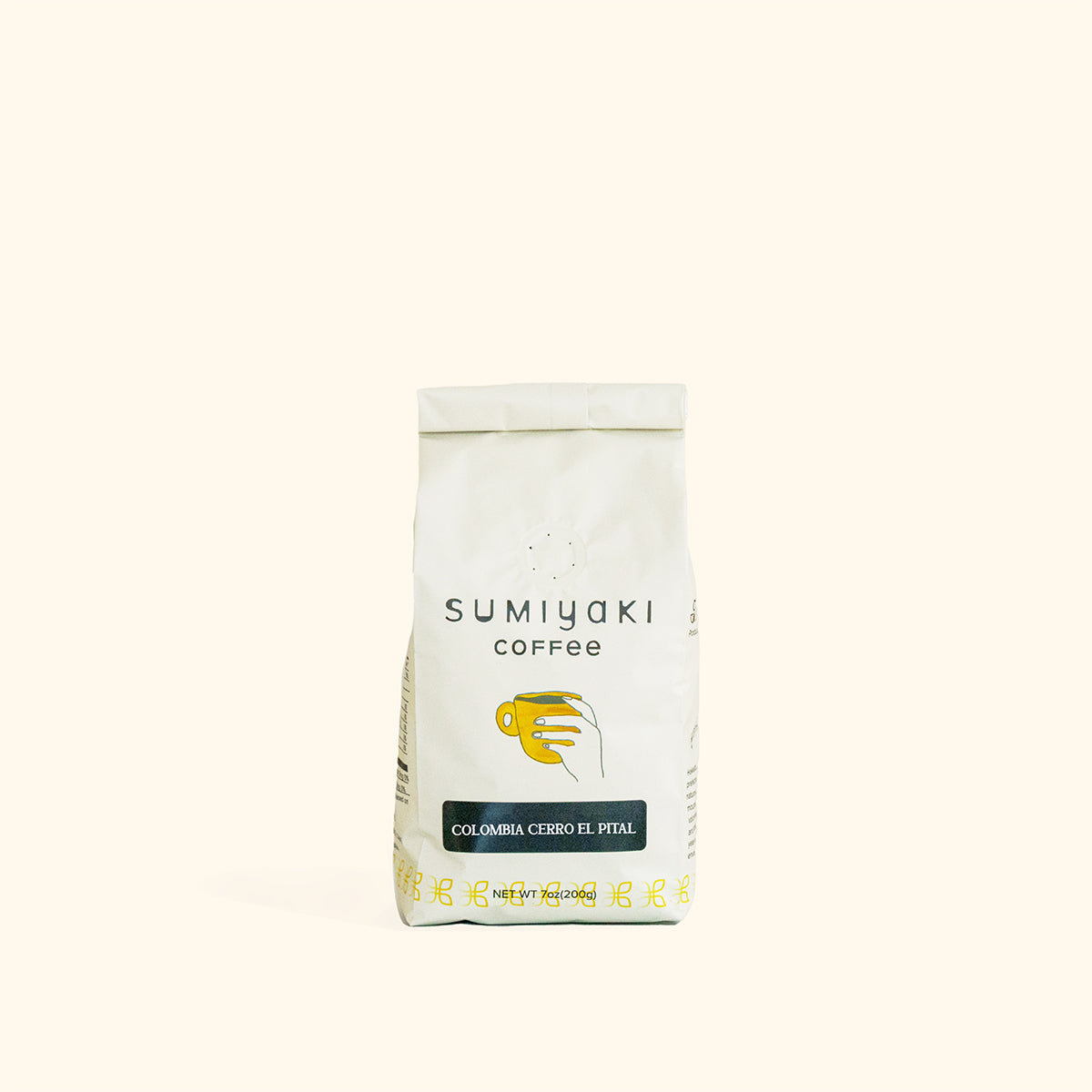
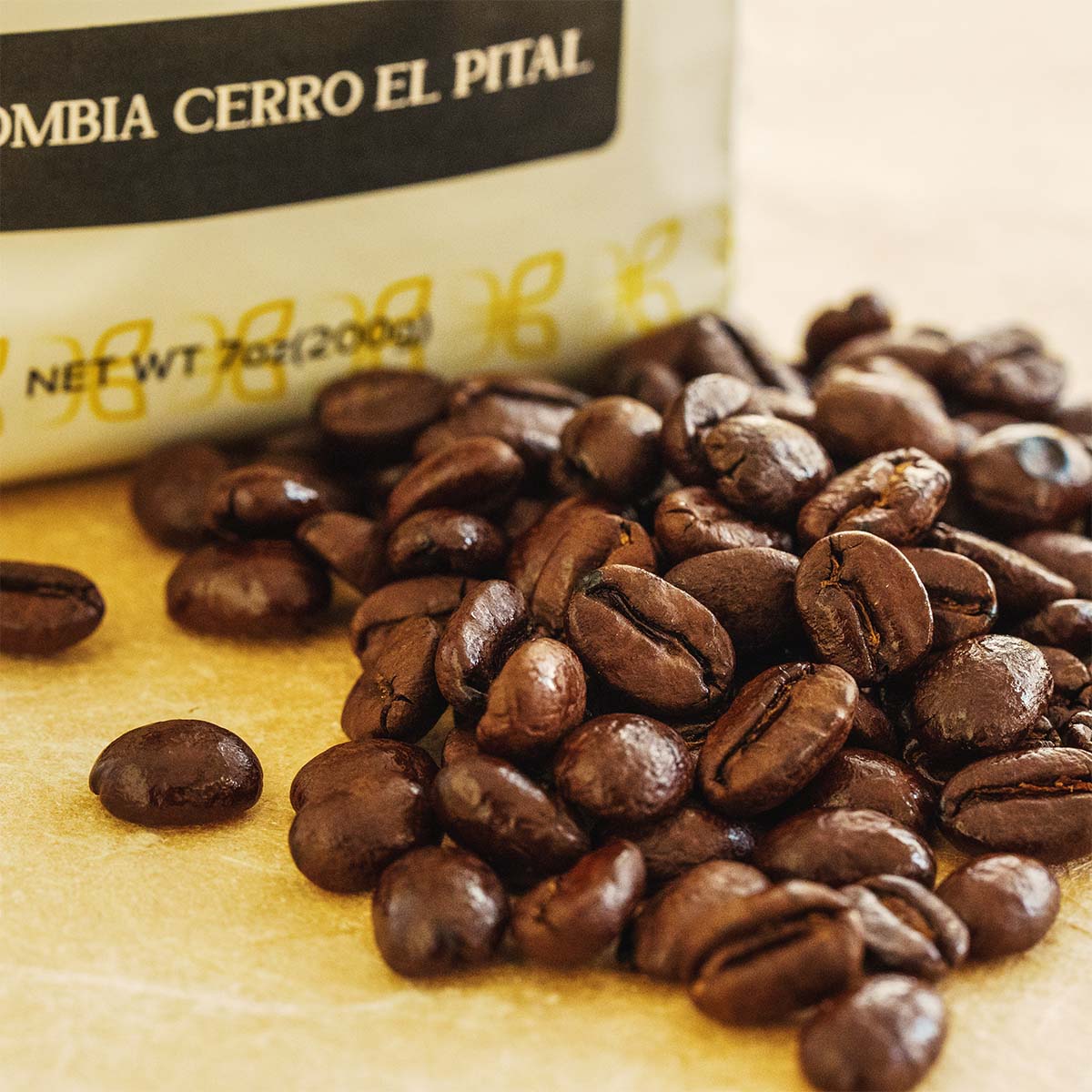
Colombia Cerro El Pital - Arabica Caturra

USD $40.00
Quick view

This exclusive single-origin coffee from Pital Mountain is a specialty-grade coffee certified by the FNC (Federation of Colombian Coffee Growers) and sourced from a contract farm in the Huila Department of Colombia. Grown at an altitude of 1700 meters in the lush, fertile region of Pital, this coffee benefits from the area's unique weather and rich soil, surrounded by majestic mountains and rivers like the Magdalena, Cauca, Caqueta, and Patia. Carefully selected by the COAGROBRISAS cooperative, this coffee captures the natural beauty and exceptional quality of one of Colombia’s most renowned coffee-producing regions.

3 reviews

Asa Tsuyu Blend [Light Blend] (Colombia, Brazil, Ethiopia)

USD $25.00
Quick view

Delicate, invigorating, and oh so pure! This blend knows how to dish up a warm welcome. Our lightest blend features beans from Columbia, Brazil, and Ethiopia. We’ve found that this roast makes an incredible espresso, as well as a beautiful, bright drip coffee. With pure coffee flavor, soft touch of sourness and a rich sweet aroma —this light blend helps you start the day off right.

5 reviews

Select Blend Combination Set (Get 30% Off)

USD $110.00 USD $77.00
Quick view

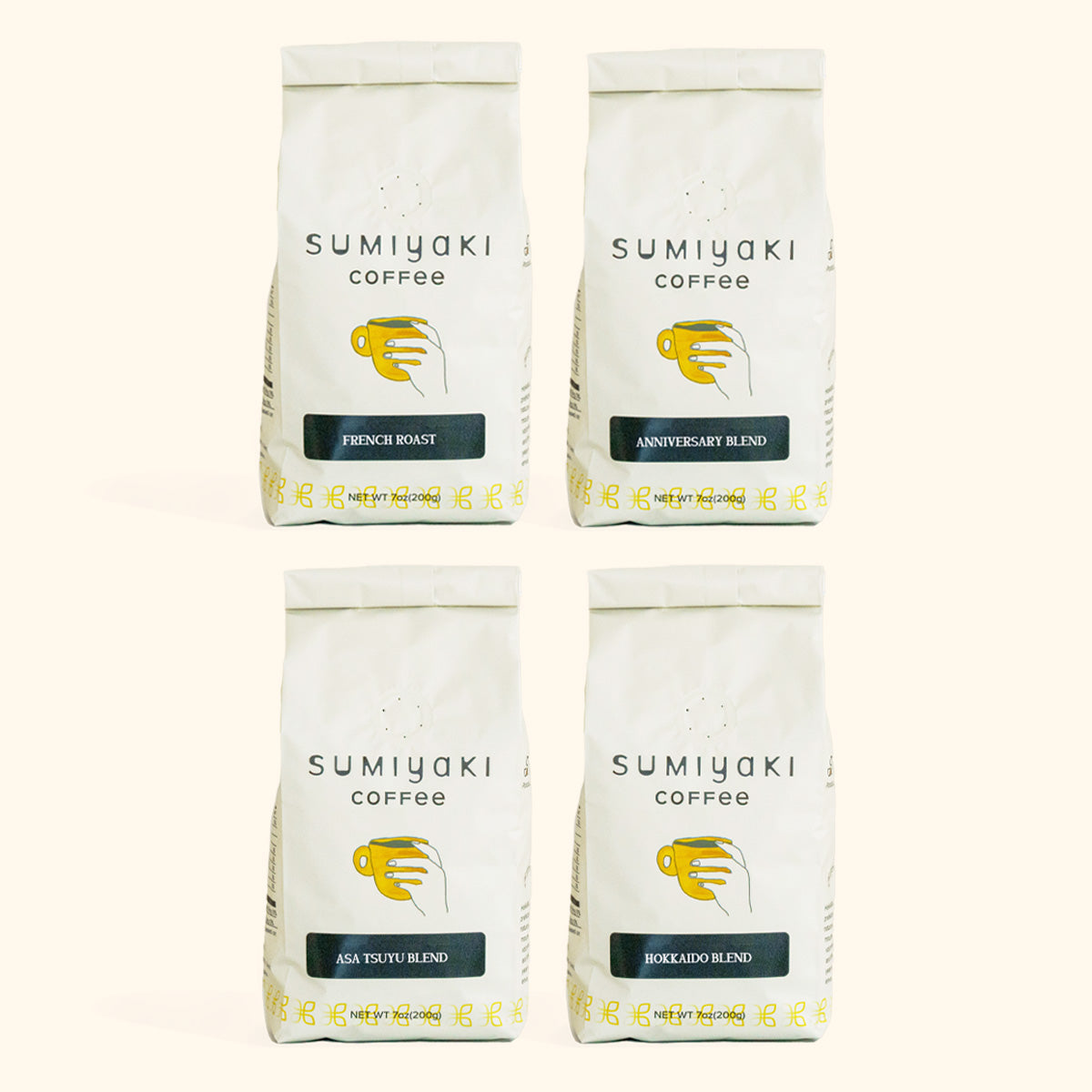
Get 30% off for a limited time when you purchase this special Combination Set featuring four of our most popular Premium Blend Sumiyaki Coffees. Your order will include four 200g packages: Anniversary Blend Coffee (Colombia, Brazil, Indonesia), the fruity favorite originally created for Sapporo Coffee Kan’s 30th anniversary; Asa Kiri Blend, a light roast with pure coffee flavor and a soft touch of sourness; Hokkaido Blend, the signature house blend beloved for its rich and balanced taste; and French Roast Blend, a dark, smoky roast perfect for pairing with milk or crafting café au lait and coffee cocktails. All beans are roasted to order under the expert blending tradition of Sapporo Coffee Kan, led by Ito Eiichi, the renowned “King of Blenders” in Japan, ensuring every cup is a masterful balance of flavor and aroma.


Related Articles You May Be Interested

Does the Type of Mug or Glass Affect How Coffee Tastes? – Coffee Quiz
Can I Mix Coffee With Tea? – Coffee Quiz
How to Select Good Decaf Coffee from Bad Decaf Coffee? - Coffee Quiz
Is it ok to drink too much coffee daily? – Coffee Quiz
Is it ok to Freeze Coffee? - Coffee Quiz

Get Free Bonus Books

Join Japanese Coffee Club

Sign up for free to the Coffee Club to get advice and exclusive articles about how to choose Japanese Coffee, and tips, tricks, and recipes for enjoying Japanese coffee.

Unsubscribe anytime. It’s free!

About the author

Kei Nishida

Kei Nishida

Author, CEO Dream of Japan

info@japaneseCoffeeCo.com

Certifications: PMP, BS in Computer Science

Education: Western Washington University

Kei Nishida is a passionate Japanese tea and coffee connoisseur, writer, and the founder and CEO of Japanese Coffee Co. and Japanese Green Tea Co., both part of Dream of Japan.

His journey began with a mission to introduce the world to the unparalleled quality of Japanese green tea. Through Japanese Green Tea Co., he established the only company that sources premium tea grown in nutrient-rich sugarcane soil—an innovation that led to multiple Global Tea Champion awards.

Building on this success and his passion for Japanese craftsmanship, Kei expanded into the world of coffee, pioneering the launch of Japanese Coffee Co., the first company to bring Sumiyaki charcoal-roasted coffee to a global audience. His dedication to authenticity and quality ensures that this traditional Japanese roasting method, once a well-kept secret, is now enjoyed worldwide.

Beyond tea and coffee, Kei has also introduced Japan’s legendary craftsmanship to the world through Japanese Knife Co., making handmade katana-style knives—crafted by a renowned katana maker—available outside Japan for the first time.

Kei’s journey continues as he seeks out and shares the hidden treasures of Japan, one cup and one blade at a time.

Related Posts

Behold: Balmuda's "The Brew" - Tokyo-based design powerhouse brings their coffee maker to the US
Behold: Balmuda's "The Brew" - Tokyo-based design powerhouse brings their coffee maker to the USA

Experience Balmuda's excellent coffee machine as Tokyo's design influence makes its way to the United States. This cutti

Read More
Everything You Need to Know About Papua New Guinea Coffee — And Its Surprising Connection to Japan

PNG coffee has deep ties to Japan — from Blue Mountain roots to today's specialty scene. Meet Baroida Estate and try our

Read More
OC Japan Fair April 2026 — Visit Us at Booth #A8!
OC Japan Fair Spring 2026 Recap (April 3 - 5 2026)

We were at OC Japan Fair again! April 3-5 2026 with new products, Miki Pon's art debut and more. Here is a recap video f

Read More
Leave a comment

Your email address will not be published..

Cart

Your cart is currently empty.

Start Shopping

Select options