

Coffee is not just a simple drink. Coffee has become an art form that many of us have adopted into our daily routine.
Some people even consider it their life’s work, and there are some who have dedicated their entire lives to perfecting the taste of coffee. As with any other work, its quality depends on the person who does it, which in turn affects how good the coffee tastes.
If your coffee tastes bad, you can always blame yourself for not doing it right! But what if you are following all the brewing instructions perfectly?

There may be something else at play that is affecting your cup's flavor: brewing time or temperature might be too high or low; water might be too hard or soft; beans could be old or maybe you are just not using the right dose.
Today, I will explore all the variables that might affect the flavor of your brew and will help you understand how to brew the perfect cup of coffee!
What affects the taste of coffee
How a coffee tastes depends on many different factors such as roast, grind, water quality, and the method of preparation.
Roasting
Roasting creates the aroma of the coffee! Duration and temperature are essential. The coffee beans are usually roasted in hot air between 400 and 600 degrees.
Then they reach temperatures between 200 and 260 degrees. The beans lose much of their moisture, change color, and grow larger. Lightly roasted coffee is milder in taste, dark roasted coffee is stronger.
Grinding degree
If the coffee powder is too fine, the coffee may taste strong; if it is too coarse, it will appear thin and bland. Knowing how the grinding degree is affecting your brew is essential for making a delicious cup of coffee!
In fact, one of the most common questions we get asked here at Japanese Coffee Company is “What is the best way to brew Japanese Sumiyaki coffee?”. You can enjoy it by using any brewer you want, you just need to choose the most optimal grind size for that brewer.
This is why I’ve put together a guide to explain which grind size is right for your brewer!

Brew ratio
The dosage of coffee to water is a decisive factor for the desired taste of the coffee. It’s important to try and find that balance between the two.
Brewing temperature
The water temperature should be between 86 and 89 degrees Celsius, but not higher than 96 degrees, i.e. also below the boiling point.
Water quality
Salts and minerals in the water are important flavor carriers for the aroma. The water for making coffee should contain minerals and oxygen.
Warm it up as soon as possible so that as little oxygen as possible is lost. It’s best you do not use hard, chalky, or chlorinated water.
Shelf time and storage
Drink freshly brewed coffee as soon as possible and do not keep it warm for long. The aroma dissipates quickly and the coffee tastes bitter.
You should also use the coffee powder as fresh as possible, store it in a cool and airtight place, and consume it as soon as possible. Ideally, you should grind whole beans fresh just before you brew them.
Brew Ratio and Brewing Temperature
So far I have published two articles explaining how roasting and grinding affect the taste of your coffee.
Today, I would like to talk to you about two very important factors that affect flavor while you are brewing your morning cup of Joe: the brew ratio and the brewing temperature.

How does the temperature affect the taste of coffee?
The temperature plays a decisive role during preparation. There is a reason why the brewing temperature is an important factor in the extraction process.
From a chemical point of view, a rising temperature means that the water molecules are supplied with more energy. They dissipate this additional energy by moving faster and faster.
In turn, this intensifies the interaction between water and coffee. So, it's all about the right temperature! Everyone in the professional coffee world agrees that you should never use boiling water to brew your coffee.
A temperature between 86 and 96 degrees is recommended for coffee, and particularly for the espresso, it should be at least 92 degrees. Then once you brew the coffee let it cool down for a few minutes.
If the coffee is too hot, you not only scald your mouth, you also have no taste benefit from it. Only when the coffee has cooled a few degrees is it ready to be enjoyed.
What’s interesting is that the first change in taste begins at a coffee temperature of around 50 degrees.
The intensity of the aromas decreases noticeably as less and less steam rises from the cup. Below 50 degrees the bitter taste notes are reduced and make room for numerous others that could not be tested at a higher temperature.
Sweet, but also coffee with a high acid content, really comes into its own between 40 and 50 degrees. At a temperature between 30 and 40 degrees, the coffee develops its entire spectrum of aromas, and the sweetness is now supplemented by flavor notes that really characterize the coffee in question.
If you can only taste them weakly at higher temperatures, notes such as nutty, chocolate or flowery really come into their own. (See my other article about flavor profile to learn more about these terms) So, as you can see the temperature of the water you use to brew your coffee has a major impact on its flavor.
But what about the brew ratio?

How does the brew ratio affect the taste of coffee?
The ratio of coffee to water is important for perfect coffee preparation. If you prefer consistent coffee quality, you should definitely weigh the coffee before preparation.
The decisive factor for the dosage is basically the amount of coffee that is to be brewed. This is called the “brew ratio” meaning the ratio of coffee to water. Coffee experts agree that only perfect coffee dosage guarantees a full-bodied and well-balanced coffee.
The Specialty Coffee Association has provided a simple guide that every coffee drinker can use:
|
Coffee |
Water |
|
60 g |
1 L |
|
30 g |
500 ml |
|
12 g |
200 ml |
|
7.5 g |
125 ml |
Ultimately, it also depends on your taste, how heavily or how lightly you drink your coffee. So there are different recommendations depending on the coffee bean, coffee powder, and coffee brewer.
Coffee strength preferences are often very different from person to person. This is precisely why the dosage suggestion made by the experts is so important.
Every coffee lover can orientate themselves on this and thus determine their own individual taste in grams. Your palate decides how vigorously or how mild your coffee should be brewed.
Final Thoughts
The most important lesson here is that every decision you make when brewing coffee impacts the flavor. If you're not sure what to do with your next pot, experiment!
It's fun and will give you a chance to find out how different coffees taste in various brew ratios or water temperatures.
You may be surprised by the results--or maybe pleasantly unsurprised!--and it'll help ensure you get exactly what you want from your morning cup of joe!
FAQs about Brewing and Coffee Taste
Does the brewing method really change the flavor that much?

Does water temperature matter?
![Asa Tsuyu Blend [Light Blend] Coffee (Colombia, Brazil, Ethiopia)](http://japanesecoffeeco.com/cdn/shop/files/web-ready_Asa_Tsuyu_Blend_life-style_375x375_crop_center.jpg?v=1754689231)
Why does my coffee taste different at home than at the café?

What’s the most forgiving brewing method for beginners?

Related products



![Asa Tsuyu Blend [Light Blend] Coffee (Colombia, Brazil, Ethiopia)](http://japanesecoffeeco.com/cdn/shop/files/web-ready_Asa_Tsuyu_Blend_life-style.jpg?v=1754689231)
![Asa Tsuyu Blend Package [Light Blend] Coffee (Colombia, Brazil, Ethiopia)](http://japanesecoffeeco.com/cdn/shop/files/AsaTsuyuBlendpackage.jpg?v=1754689220)
![Asa Tsuyu Blend [Light Blend] Coffee Beans (Colombia, Brazil, Ethiopia)](http://japanesecoffeeco.com/cdn/shop/files/AsaTsuyuBlendcoffeebeans.jpg?v=1770838125)






37 reviews
USD $42.00
USD $39.00
/
Quick view
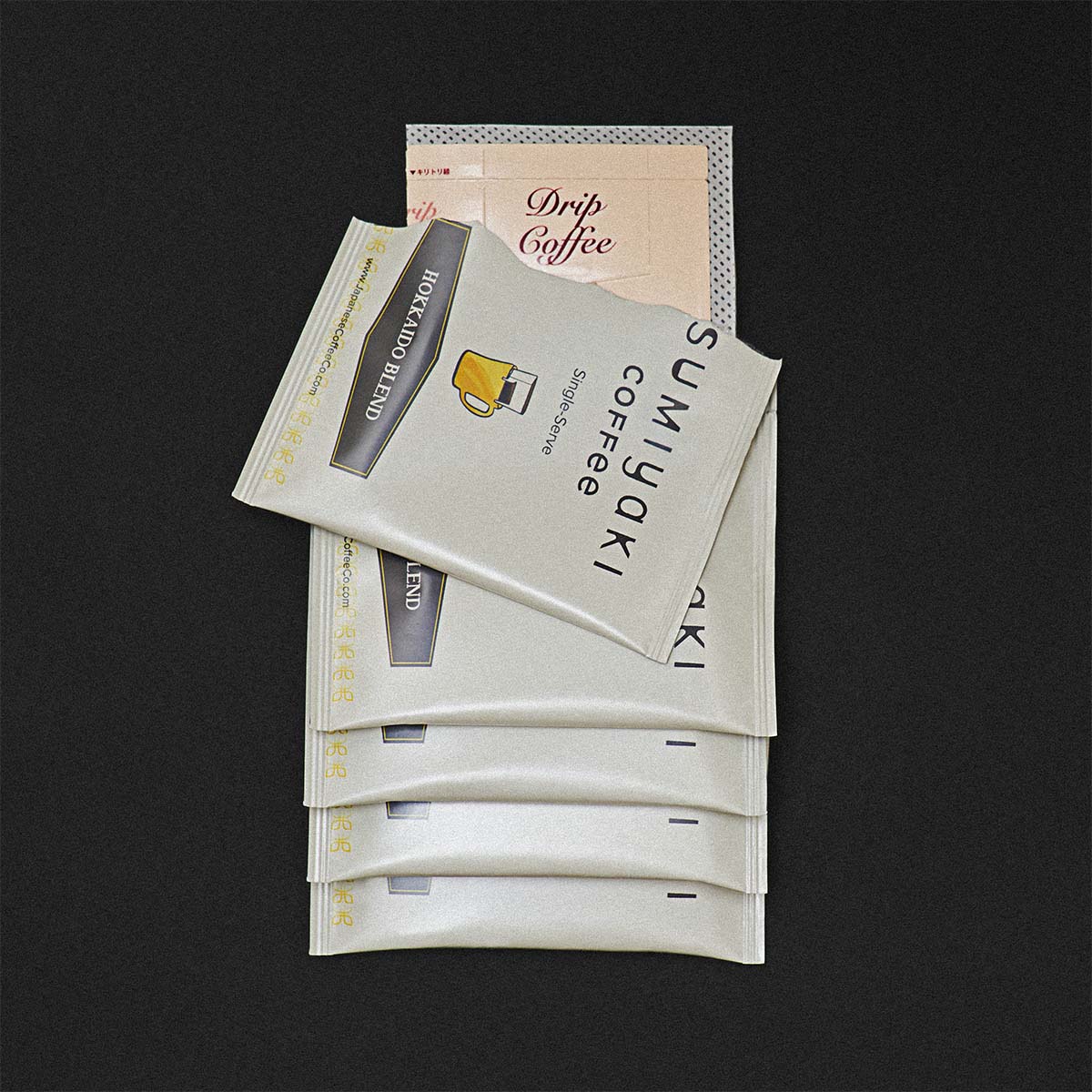
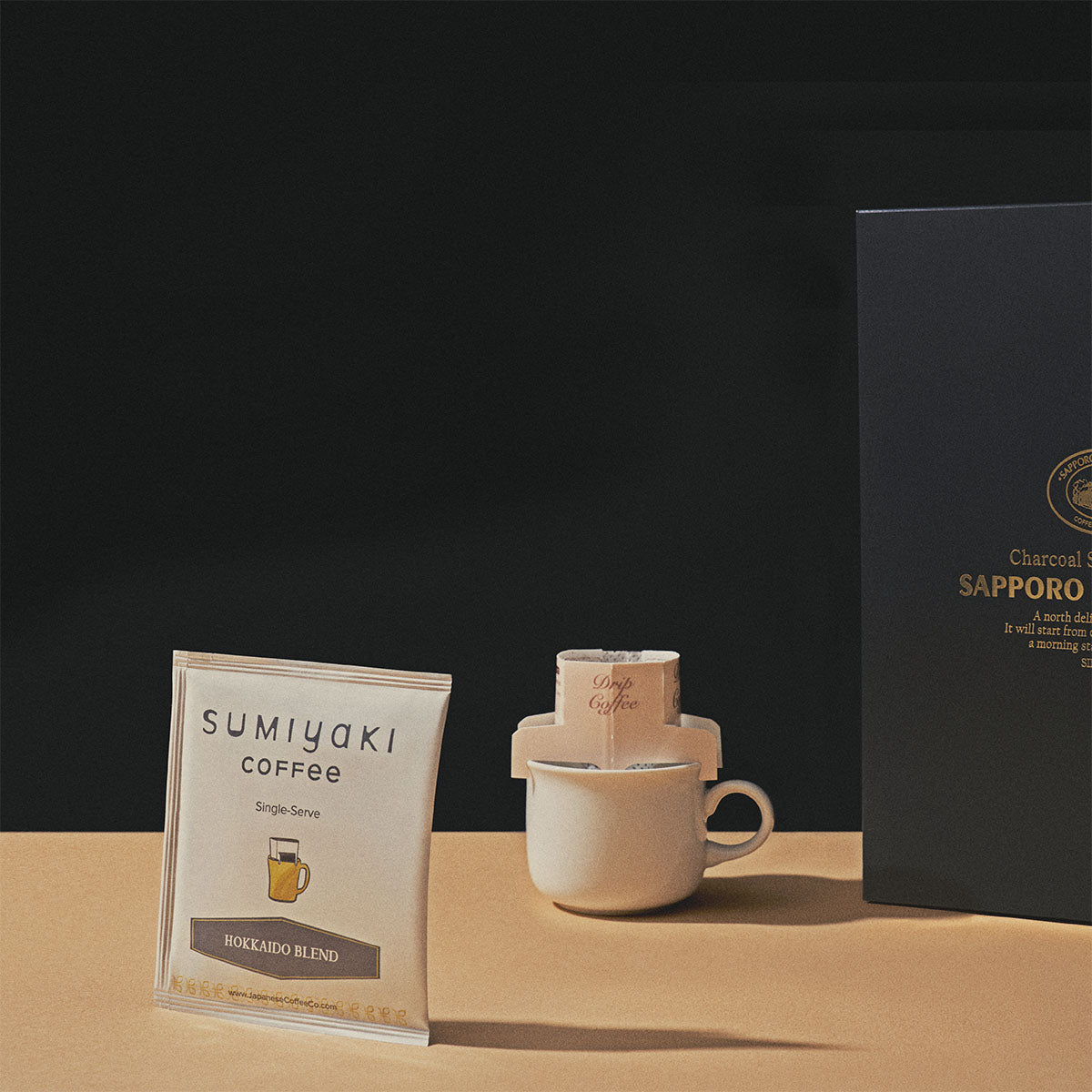
Hokkaido Blend Single-Serve Pour-Over - Disposable Filter Bag


Get Free Bonus Books

Sign up for free to the Coffee Club to get advice and exclusive articles about how to choose Japanese Coffee, and tips, tricks, and recipes for enjoying Japanese coffee.
About the author

Kei Nishida
Author, CEO Dream of Japan
Certifications: PMP, BS in Computer Science
Education: Western Washington University


