Skip to content

How Climate Affects the Taste of Coffee

Coffee is almost like wine; each variety has its own typical character. Many factors ensure a unique result in your cup, all the way from the coffee plant to the brewing method. The growing region, soil conditions, climate, and harvesting technology all have an impact on the flavor composition of coffee, as do processing methods, storage, and transport.

How Climate affects the Taste of Coffee

The type of roasting has a decisive influence on the taste experience. The mixture of different types of coffee also allows certain properties of the coffee to take a back seat or come to the fore.

Today, I’d like to talk to you about one of these factors: the climate.

Brief History

The coffee plant is very sensitive and only grows under certain climatic conditions. Coffee is only grown in countries around the equator, and together they make up the so-called coffee belt.

Almost all countries on the equator use the climatic conditions and the associated economic potential to grow coffee.

The belt pretty much covers the tropical climate zone. We find coffee growing in South and Central America, Africa, and Asia. The colonial powers distributed coffee plants all over the world and established coffee plantations there. For many countries, the cultivation of coffee continued after the end of the colonial era.

As a result, the coffee business has developed very differently in every cultivation country and region, influenced by political, market, economic, and ecological factors.

How Climate affects the Taste of Coffee

The climate is affected by factors such as geographical location and sunlight. A balanced climate without extreme temperatures and protection from the sun and wind is just as important for the growth of the coffee plant as sufficient rainfall and optimal soil conditions.

The two main varieties, Arabica and Robusta, have different requirements.

Arabica and Robusta coffee bean

Altitude and temperatures

Arabica grows primarily at altitudes between 600 and 2,100 meters above sea level. The average temperature should be 65 to 77 °F, with temperatures above 85°F and below 55°F being particularly harmful for the plant.
 
Coffee that grows at altitudes above 1,000 m is called "highland coffee" and is often considered to be of particularly high quality.
 
Robusta, as the name suggests, seems to be a bit more robust than Arabica. The plants can tolerate higher temperatures and grow very well at around 79°F. However, Robusta reacts sensitively to significantly higher temperatures, especially when the humidity is too low. Robusta grows at lower altitudes than Arabica, up to 900m.

Precipitation

The average amount of precipitation, the temporal distribution, and the degree of humidity also play a major role in coffee cultivation. Coffee plants need 250 to 300 mm per square meter per year, which they get from a rainfall of 1,500 to 2,000 mm.
 
Robusta prefers regions with more rain than Arabica and also tolerates areas with very high humidity. Arabica, on the other hand, is very sensitive to warm, humid air.

I think rain makes my coffee taste better.

Soil

The ideal soil for growing coffee is deep, loose, well ventilated, and permeable. A neutral or slightly acidic pH value is also important. Nitrogen, phosphoric acid, and potassium are just as important as a high humus content in the upper soil layer. You can read more about the ideal soil for coffee cultivation here.

Exposure to Sunlight

The coffee plant loves the sunlight, but not more than 5 hours a day. Otherwise, the evaporation rate can become too high, despite ideal amounts of precipitation. Since the weather still cannot be 100% predicted, favorable slopes are a clear advantage of the location.
 
There is another way to control the daily sun exposure: the use of shade trees. This means tall trees with large crowns that are placed between the coffee plants in strategically favorable places and provide light shade with their foliage.

coffee bean drying

At the same time, they provide protection against the dreaded night frost. Coffee plantations of this type offer fascinating sights again and again due to the constantly changing play of light and shadow.
 
Unfortunately, this cultivation method has one disadvantage: the yields are not that high because of the significantly reduced solar radiation. Therefore, today there is little work with shade trees.

The Climate Change Issue

It’s impossible to talk about climate change and its influence on coffee's taste and aroma without referring to climate change at all. A stable and balanced climate is truly important for coffee cultivation, as you understand so far, so let’s see what happens when this balance is disturbed.

Weather Extremes and Temperature Fluctuations

From a global perspective, the researchers see the increasing climate and weather extremes as the greater dangers for coffee cultivation, for example in the alternation of above-average cold and warm years or in stronger day-night temperature fluctuations.

coffee bean process of drying

In addition, the negative influences are more pronounced in lower regions than in higher regions. The same is true at low latitudes, where the effects of climate change will be felt more clearly than at higher latitudes.
 
As a result, the locations of Robusta Coffee in particular will be affected. In this context, the researchers emphasize that in 2050, even in the original home of lowland coffee, the Congo Basin, the cultivation of Robusta coffee will probably no longer be possible.

Natural Coffee Cultivation and Climate

More and more farmers are dedicating themselves to natural coffee cultivation. With sustainable and natural coffee cultivation, plantations are often integrated into local forests. Natural coffee cultivation practices can often protect the plantations from extreme climate changes or intense sunlight.
 
Larger trees or shrubs remain and become shade trees. These can be banana trees, grapefruit trees, or avocado trees, for example. They protect the coffee trees from excessive sun and, at the same time, offer an additional source of income.
 
The roots of the shade trees loosen the soil of the plantations and ensure that moisture can be better stored. They also protect the plantations from wind and erosion. Plus, the falling leaves of the trees act as natural fertilizer. A natural cycle is created, which ensures a sustainable and long-term stable yield.

Final Thoughts

Not many of us drink coffee and think that it’s a product of agriculture, so it can be quite fascinating when we realize how much its production can be affected by climate conditions, among other factors.
 
Aside from its influence on taste and aroma, the climate is also responsible for the overall health of the coffee bean. This is why most nations have been trying to tackle the climate change issue head-on, because not only coffee but many agricultural products are facing a future of uncertainty.
 
For now, all we can do is be climate change-conscious and hope that our practices, in combination with new technology, will bring forward new solutions for coffee cultivation.

FAQs about Climate and Coffee Taste

How does altitude actually change coffee flavor?

Higher altitude = slower bean development = denser beans with more complex sugars. Coffee grown at 1,500m+ tends to taste brighter, more acidic, and more nuanced. Lower-altitude coffee is rounder and chocolatier but less complex. Our Colombia Caturra (1,800m+ in Pital) shows the high-altitude character clearly.

How Soil Affects the Taste of Coffee

Does rainfall matter as much as altitude?

Yes, sometimes more. Coffee plants need a wet season for fruit development and a dry season for harvest concentration. Too much rain at harvest dilutes flavor; too little stresses the plant. Brazilian Cerrado (well-defined wet/dry cycle) and Ethiopian highlands (consistent altitude rain) both produce balanced harvests, just with different signatures.

How does humidity affect roasted coffee storage?

Hugely. Roasted coffee stales fast in humid conditions — the moisture accelerates oxidation. If you live in a humid climate (Florida, Tokyo summer), keep coffee in an airtight container with a one-way valve, and buy smaller bags more often. Our single-serve drip bags are individually nitrogen-flushed, so humidity isn’t a concern.

Will climate change affect my coffee?

It already is. Many traditional coffee-growing regions are losing viable altitude bands as temperatures rise. Producers are migrating uphill or experimenting with heat-resistant varietals. Specialty coffee prices have crept up partly for this reason. The taste shift is gradual but real — coffee from the same farm in 2026 doesn’t taste exactly like 2016.

Is Japanese-grown coffee a climate-change story?

Partly, yes. Okinawa and Kagoshima farms exist because Japan’s subtropical south is barely warm enough — and warming further. Some Japanese growers are betting that climate shift will make domestic coffee more viable. For now, prices stay high and yields stay tiny. Our shop sells Japanese-roasted coffee from imported beans, like our Hokkaido Blend.

Can Japan Grow Coffee? - Coffee Quiz

Related products

3 reviews

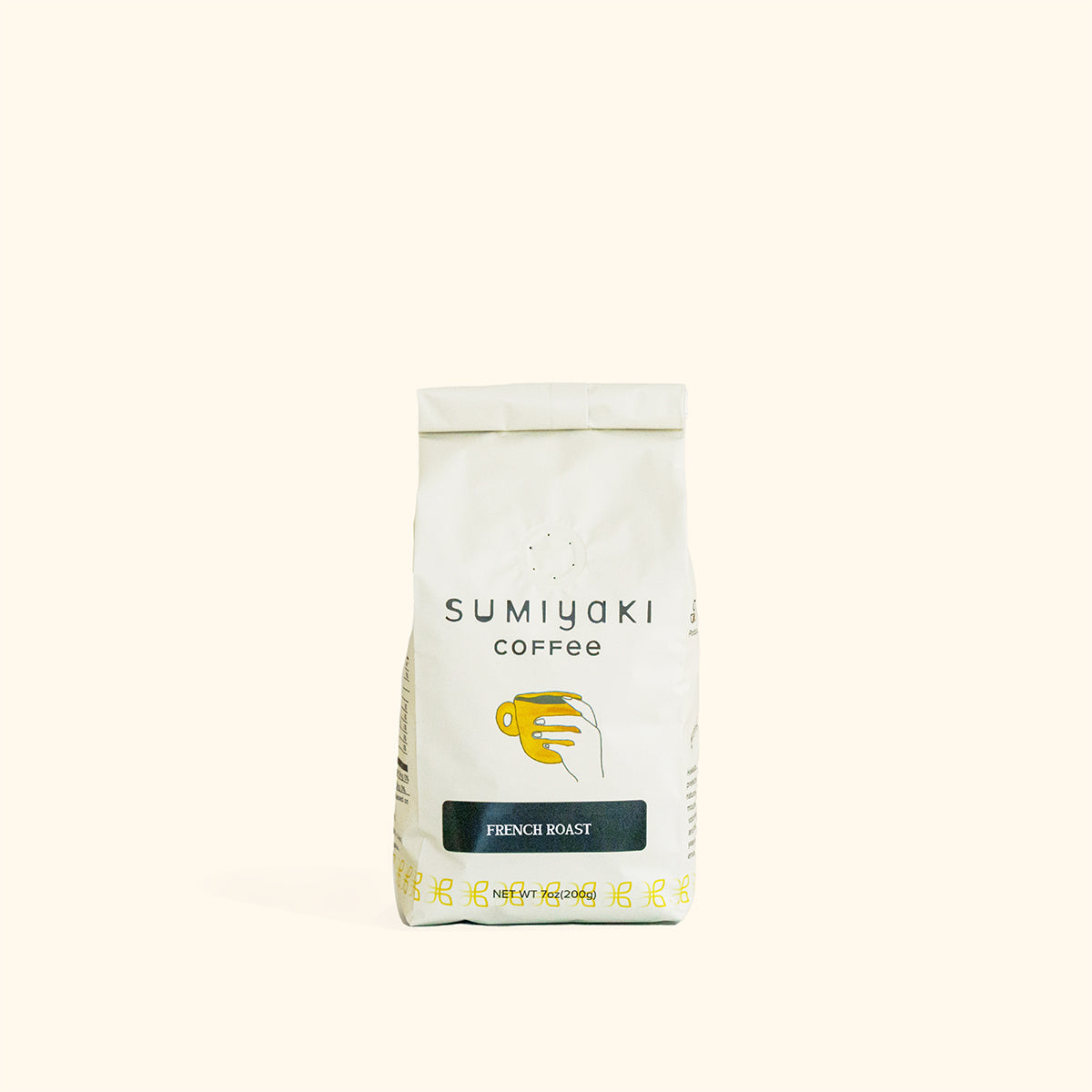
French Roast Blend (Colombia, Brazil, Indonesia)

USD $25.00 USD $19.99
Quick view

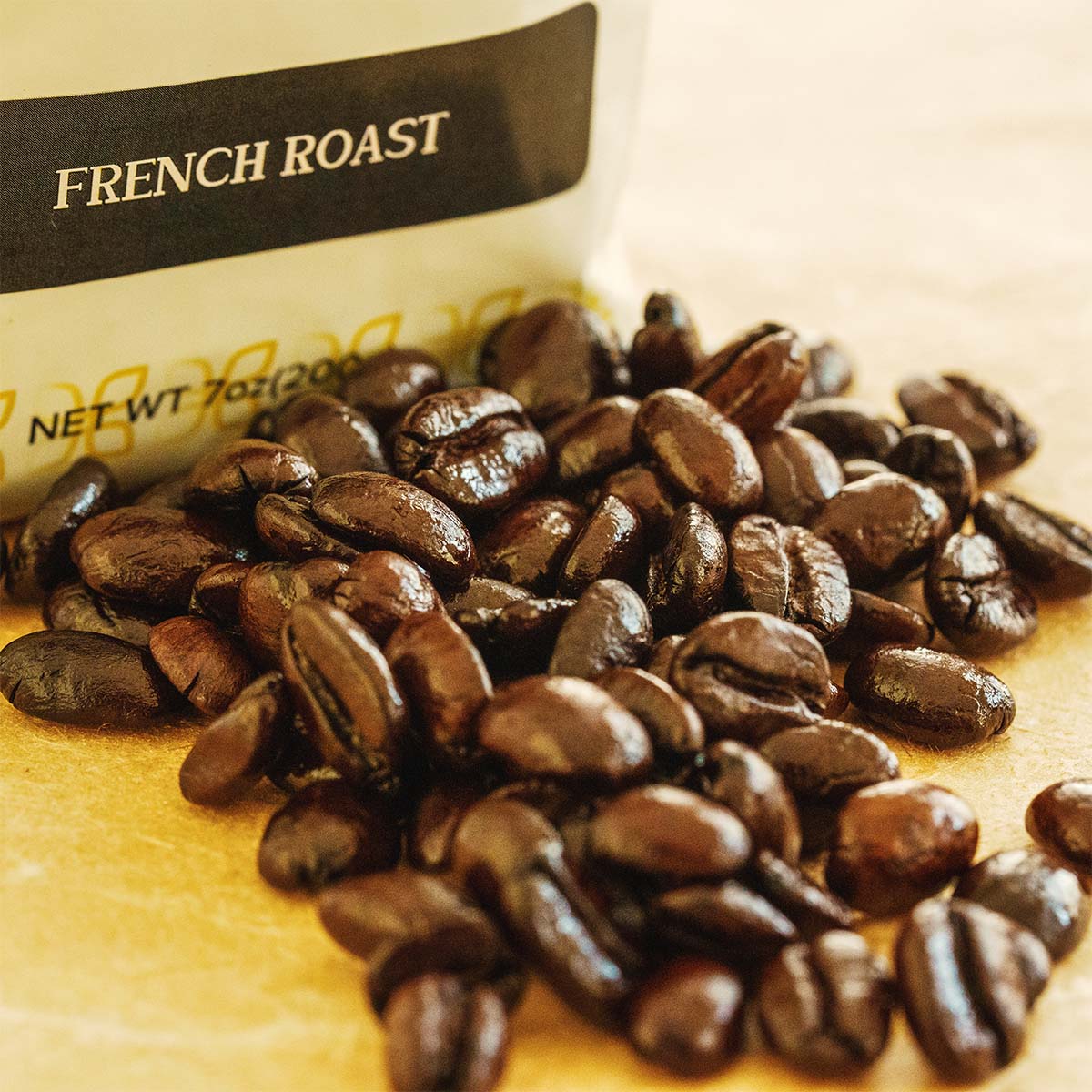
Experience the dark side of coffee with our French Roast Blend, crafted from a rich combination of beans from Colombia, Brazil, and Ethiopia. This bold blend features low acidity, a heavy body, and deep, smoky flavors, achieved by roasting the beans at a high temperature that brings their natural oils to the surface. Versatile and full of character, it delivers exceptional taste both with and without milk, making it perfect for café au lait, iced coffee, or even coffee-based cocktails with a splash of brandy.

10 reviews

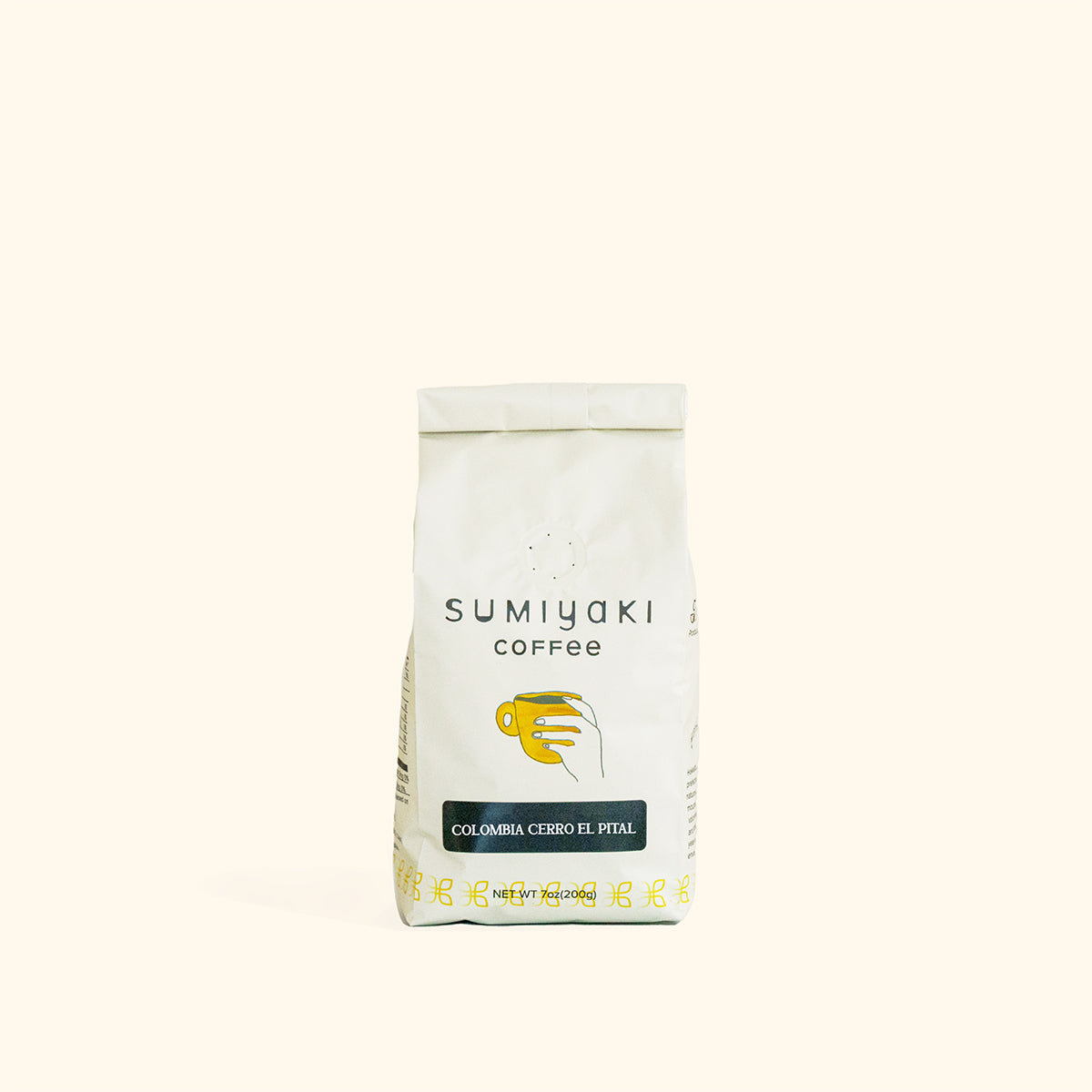
Colombia Cerro El Pital - Arabica Caturra

USD $40.00
Quick view

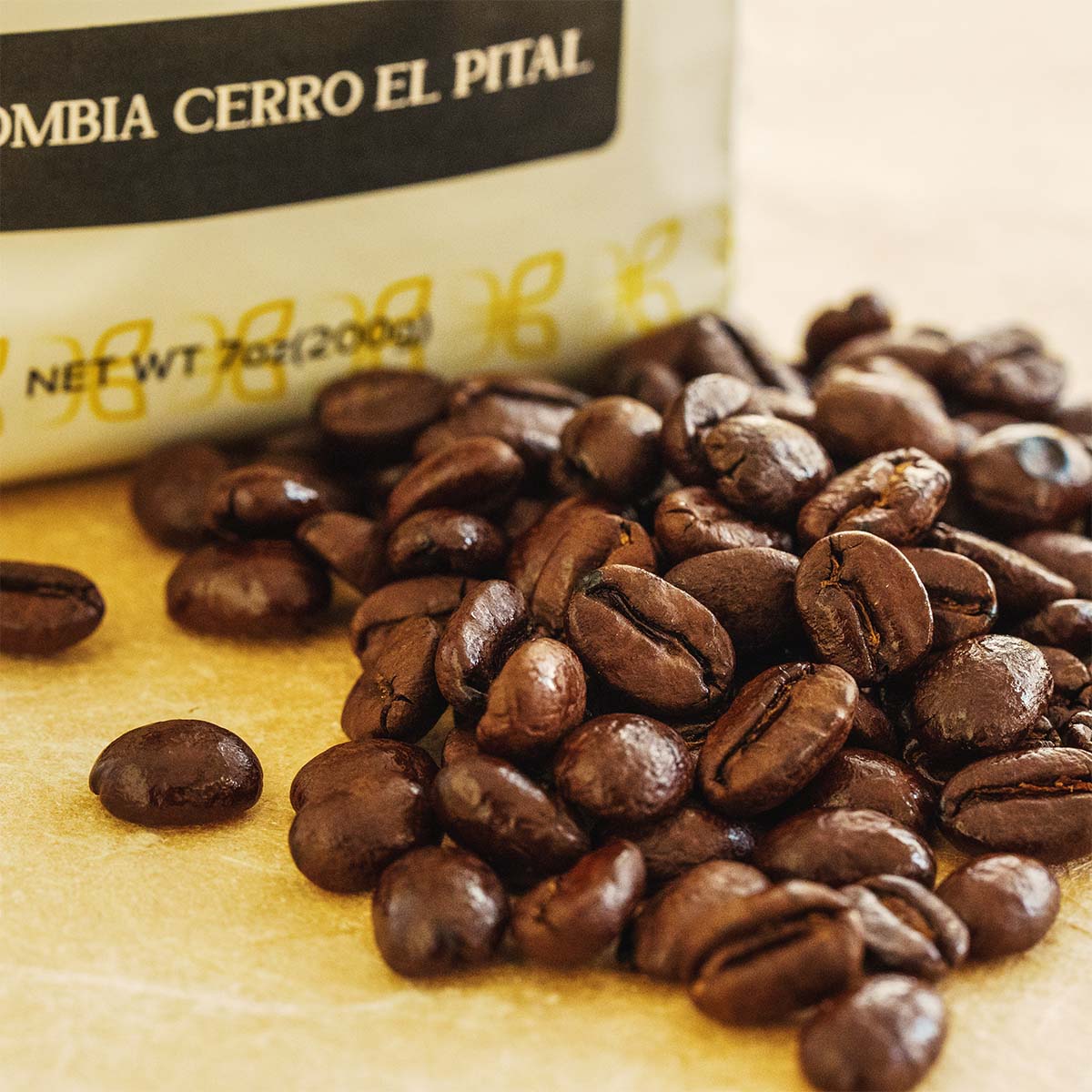
This exclusive single-origin coffee from Pital Mountain is a specialty-grade coffee certified by the FNC (Federation of Colombian Coffee Growers) and sourced from a contract farm in the Huila Department of Colombia. Grown at an altitude of 1700 meters in the lush, fertile region of Pital, this coffee benefits from the area's unique weather and rich soil, surrounded by majestic mountains and rivers like the Magdalena, Cauca, Caqueta, and Patia. Carefully selected by the COAGROBRISAS cooperative, this coffee captures the natural beauty and exceptional quality of one of Colombia’s most renowned coffee-producing regions.

3 reviews

Brazil Cerrado - Arabica Catuai

USD $35.00
Quick view

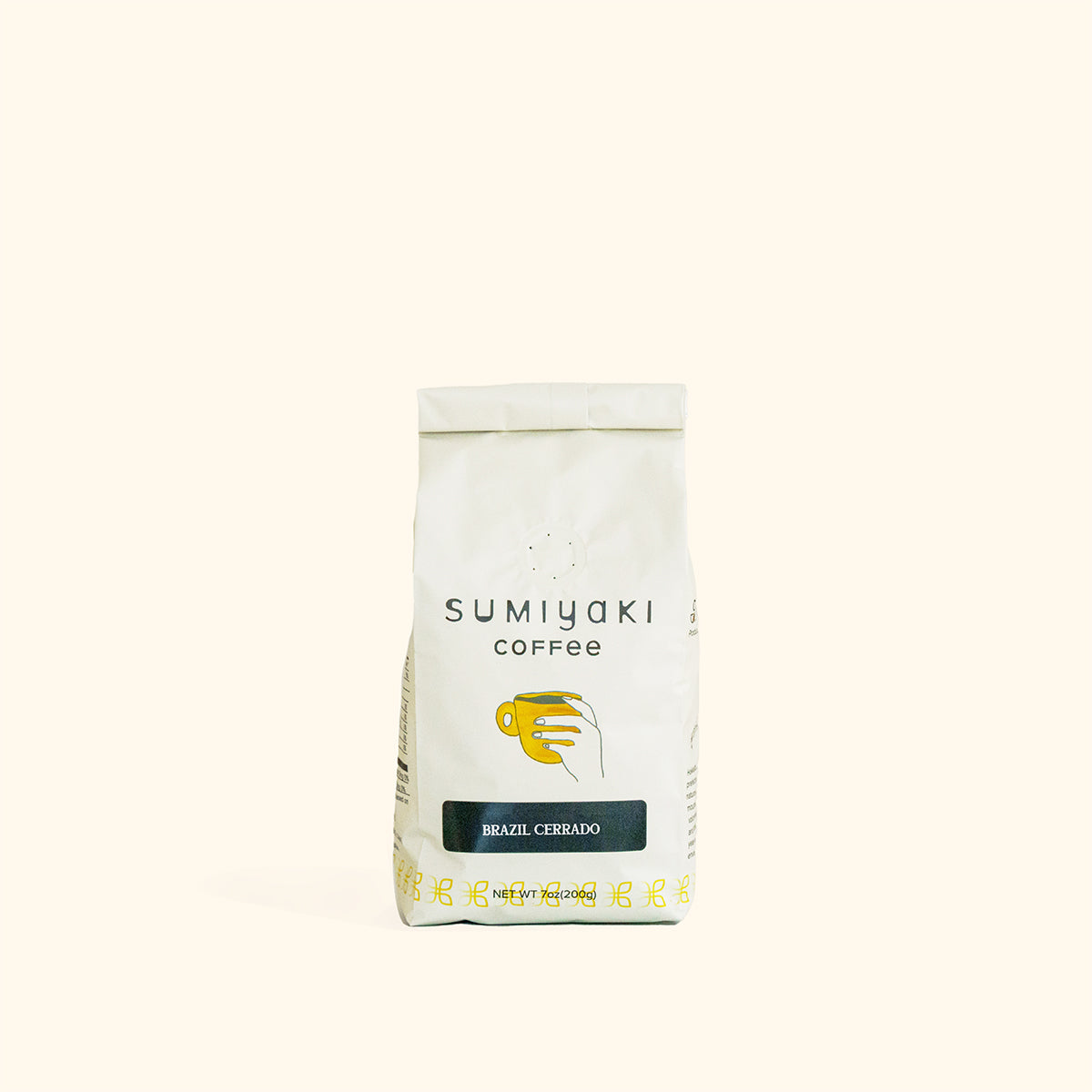
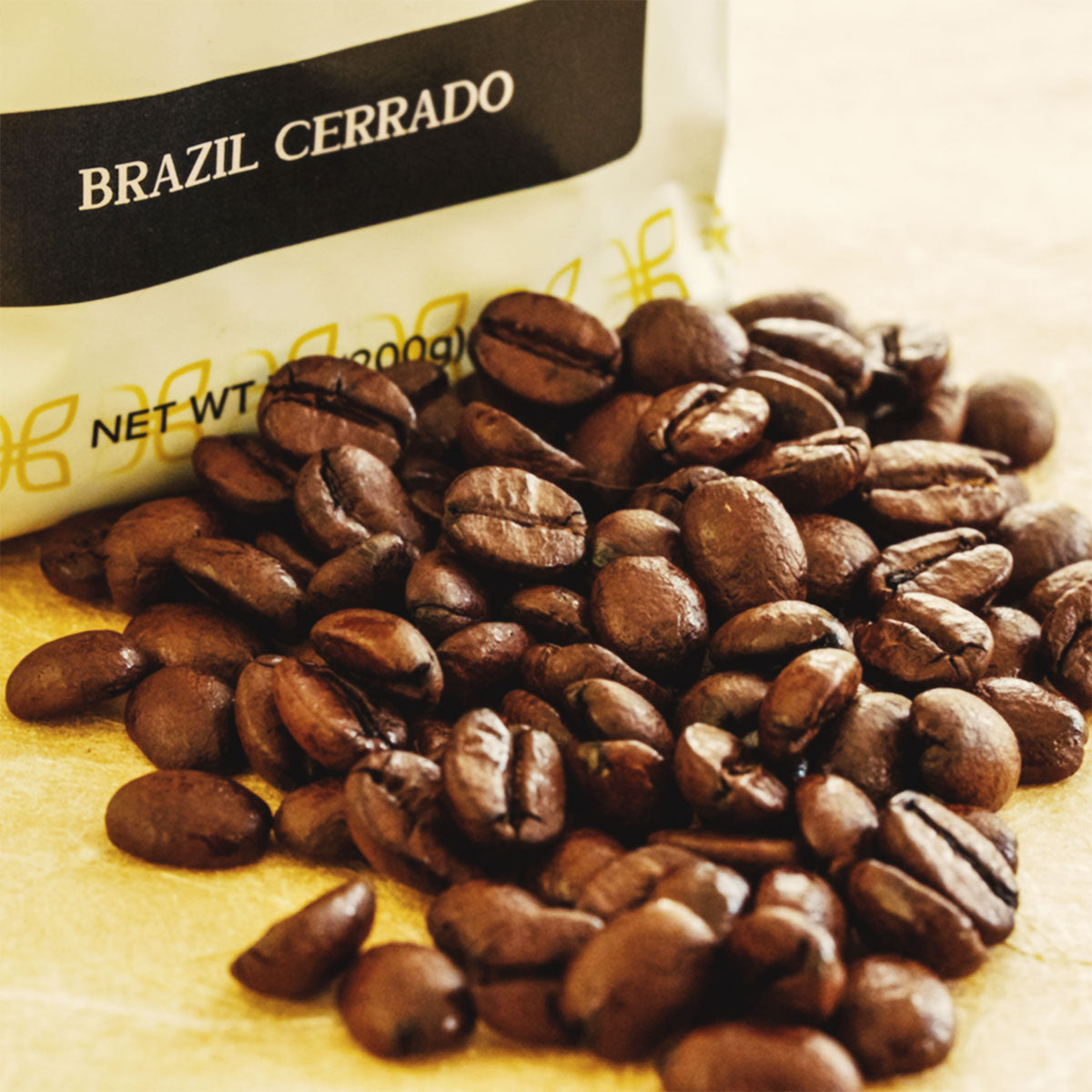
This exclusive contract farm coffee from Brazil’s Cerrado region comes from the Shimada Plantation, managed by third-generation Japanese American coffee producer Hugo Shimada. Since 2018, a direct partnership has connected us to this farm, located in the Patrocínio municipality of Minas Gerais, a renowned area for producing exceptional coffee. To preserve the beans' natural sweetness and distinctive character, the coffee is processed using the natural method, allowing the beans to stay in contact with the ripened cherry longer and absorb its rich flavors. Stored carefully and aged in the cherry form, this process brings out a deep, sweet, and vibrant profile in every cup. To ensure even higher quality, production is limited to a select 247-hectare area, capturing the true individuality and excellence of the Cerrado terroir.

16 reviews

Hokkaido Blend (Colombia, Brazil, Honduras, Indonesia)

USD $25.00
Quick view

Sapporo Coffee Kan's most popular and long-selling signature blend, known as "the house blend," offers a rich, full-bodied coffee experience with a pleasant, mild bitterness and a mellow taste. Crafted by adding the finest Mandheling Berkat Lingtong beans to the blend, it achieves a rare balance—delivering depth and complexity without the sharp acidity often found in other coffees. For those who prefer a smoother, less acidic cup without sacrificing richness and flavor, this special house blend truly hits the spot.

5 reviews

Select Blend Combination Set (Get 30% Off)

USD $110.00 USD $77.00
Quick view

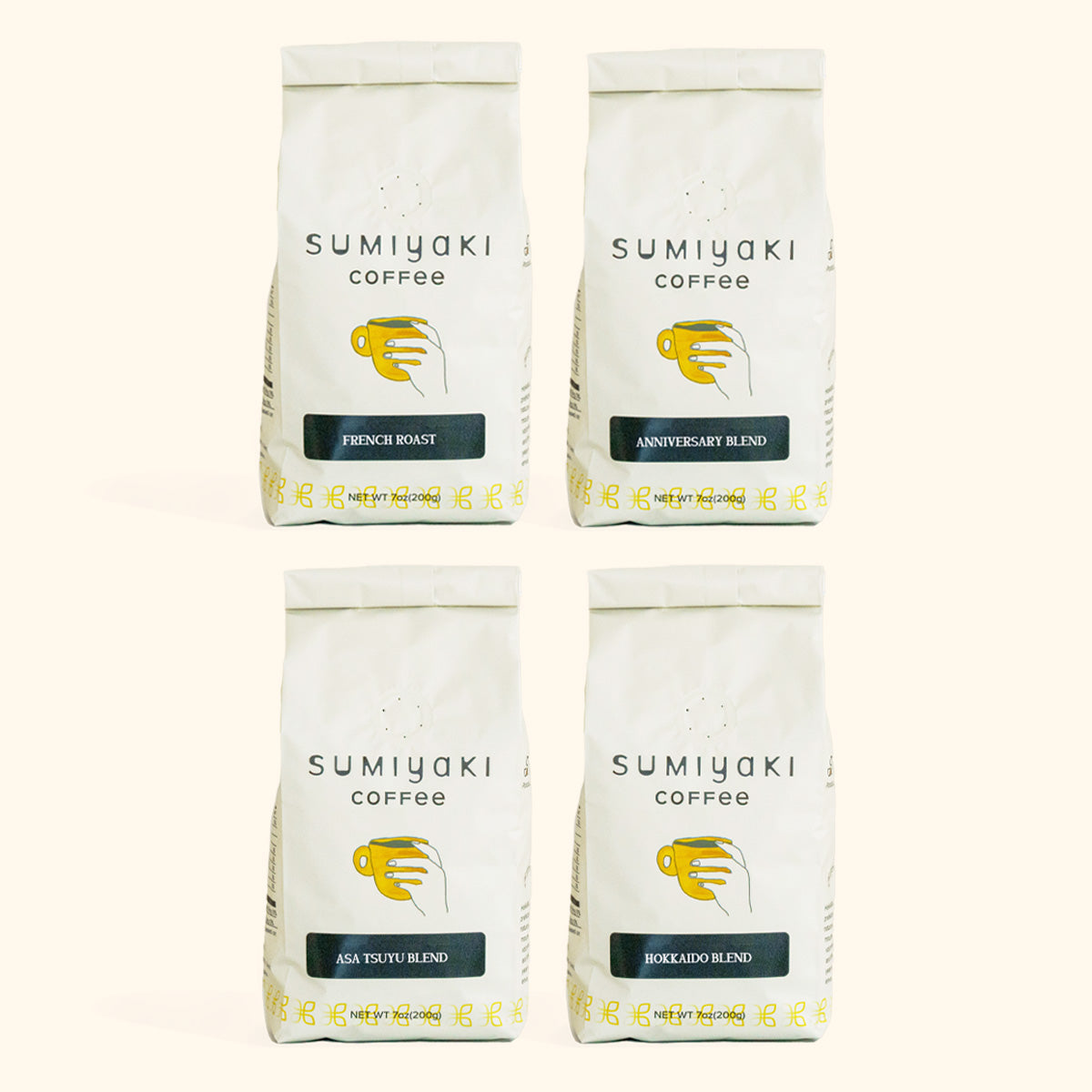
Get 30% off for a limited time when you purchase this special Combination Set featuring four of our most popular Premium Blend Sumiyaki Coffees. Your order will include four 200g packages: Anniversary Blend Coffee (Colombia, Brazil, Indonesia), the fruity favorite originally created for Sapporo Coffee Kan’s 30th anniversary; Asa Kiri Blend, a light roast with pure coffee flavor and a soft touch of sourness; Hokkaido Blend, the signature house blend beloved for its rich and balanced taste; and French Roast Blend, a dark, smoky roast perfect for pairing with milk or crafting café au lait and coffee cocktails. All beans are roasted to order under the expert blending tradition of Sapporo Coffee Kan, led by Ito Eiichi, the renowned “King of Blenders” in Japan, ensuring every cup is a masterful balance of flavor and aroma.

Asa-Yuu Blend Duo (Get 20% Off)

USD $50.00 USD $39.00
Quick view

Meet the Asa-Yuu Blend Duo (朝夕): a roasted-to-order set featuring Asa Tsuyu (light roast, Colombia/Brazil/Ethiopia) and Hokkaido (medium roast, Colombia/Brazil/Honduras/Indonesia). Bright in the morning, smooth and balanced through the day—now 20% off for a limited time.


Related Articles You May Be Interested

Is it ok to Freeze Coffee? - Coffee Quiz
How Roasting Affects Taste of Coffee
How Soil Affects the Taste of Coffee
7 different Arabica varieties that are cultivated in Colombia
Top 10 Most Exotic Premium Coffees
How Season Affects the Taste of Coffee
Can Japan Grow Coffee? - Coffee Quiz
Coffee Flavor Terminology - Everything You Need to Know
Commodity Vs Premium Coffee

Get Free Bonus Books

Join Japanese Coffee Club

Sign up for free to the Coffee Club to get advice and exclusive articles about how to choose Japanese Coffee, and tips, tricks, and recipes for enjoying Japanese coffee.

Unsubscribe anytime. It’s free!

About the author

Kei Nishida

Kei Nishida

Author, CEO Dream of Japan

info@japaneseCoffeeCo.com

Certifications: PMP, BS in Computer Science

Education: Western Washington University

Kei Nishida is a passionate Japanese tea and coffee connoisseur, writer, and the founder and CEO of Japanese Coffee Co. and Japanese Green Tea Co., both part of Dream of Japan.

His journey began with a mission to introduce the world to the unparalleled quality of Japanese green tea. Through Japanese Green Tea Co., he established the only company that sources premium tea grown in nutrient-rich sugarcane soil—an innovation that led to multiple Global Tea Champion awards.

Building on this success and his passion for Japanese craftsmanship, Kei expanded into the world of coffee, pioneering the launch of Japanese Coffee Co., the first company to bring Sumiyaki charcoal-roasted coffee to a global audience. His dedication to authenticity and quality ensures that this traditional Japanese roasting method, once a well-kept secret, is now enjoyed worldwide.

Beyond tea and coffee, Kei has also introduced Japan’s legendary craftsmanship to the world through Japanese Knife Co., making handmade katana-style knives—crafted by a renowned katana maker—available outside Japan for the first time.

Kei’s journey continues as he seeks out and shares the hidden treasures of Japan, one cup and one blade at a time.

Related Posts

Everything You Need to Know About Papua New Guinea Coffee — And Its Surprising Connection to Japan

PNG coffee has deep ties to Japan — from Blue Mountain roots to today's specialty scene. Meet Baroida Estate and try our

Read More
OC Japan Fair April 2026 — Visit Us at Booth #A8!
OC Japan Fair Spring 2026 Recap (April 3 - 5 2026)

We were at OC Japan Fair again! April 3-5 2026 with new products, Miki Pon's art debut and more. Here is a recap video f

Read More
Introducing the Sakura Blend (桜ブレンド): Our Limited-Time Spring Seasonal Coffee Is Here!

Meet Sakura Blend — our first spring seasonal coffee! Bright, smooth, naturally sweet. Not sakura-flavored. While suppli

Read More
Leave a comment

Your email address will not be published..

Cart

Your cart is currently empty.

Start Shopping

Select options