Skip to content

How Do Coffee and Caffeine Affect Our Liver and Kidneys?

Many people boast a coffee habit that is hard to shake off. They enjoy their daily cups without much consideration for the effects of their caffeine fix on their health, all the while it causing many changes in the body. If you’re a coffee-lover, it is absolutely worth it to take the time and the effort to learn just how drinking coffee might be affecting your health - or in the case of this article, your organs.

As popular as it is, coffee comes across as simple and familiar, or even mundane despite the boost its active chemical gives. However, the truth is that this very popular beverage is pretty complex. As there are many layers to the coffee experience, so is the relationship to your health.

How Do Coffee and Caffeine Affect the Liver and Kidneys?

To add to the confusion, recent studies are now debunking the results of older studies. So your impression of coffee may no longer be accurate if it is based on what you were told as a child.

Indeed, the tides have turned as far as coffee’s reputation is concerned. Research results are showing that it does not deserve the bad rap that the previous decades had given it. These days, coffee is considered to actually be good for our health.

Nonetheless, as mentioned earlier, coffee may affect each of our organs in a different way; and in this article today, we are taking a dive into how it impacts liver and kidney health.

The Effects of Coffee on the Liver

Based on numerous studies, current knowledge on the relationship between coffee and liver health is favorable. A chemical called paraxanthine is produced when our liver digests caffeine, and it is known to slow down scar tissue growth in cases of fibrosis. This quality of slowing down scar tissue growth holds the possibility to also help in fighting alcohol-related cirrhosis, liver cancer, hepatitis C, and non-alcohol-related fatty liver disease.

Besides caffeine, coffee also has kahweol and cafestol, chemicals known to help combat cancer. Meanwhile, the acids in coffee, both caffeinated and otherwise, may work to deter hepatitis B-causing virus.

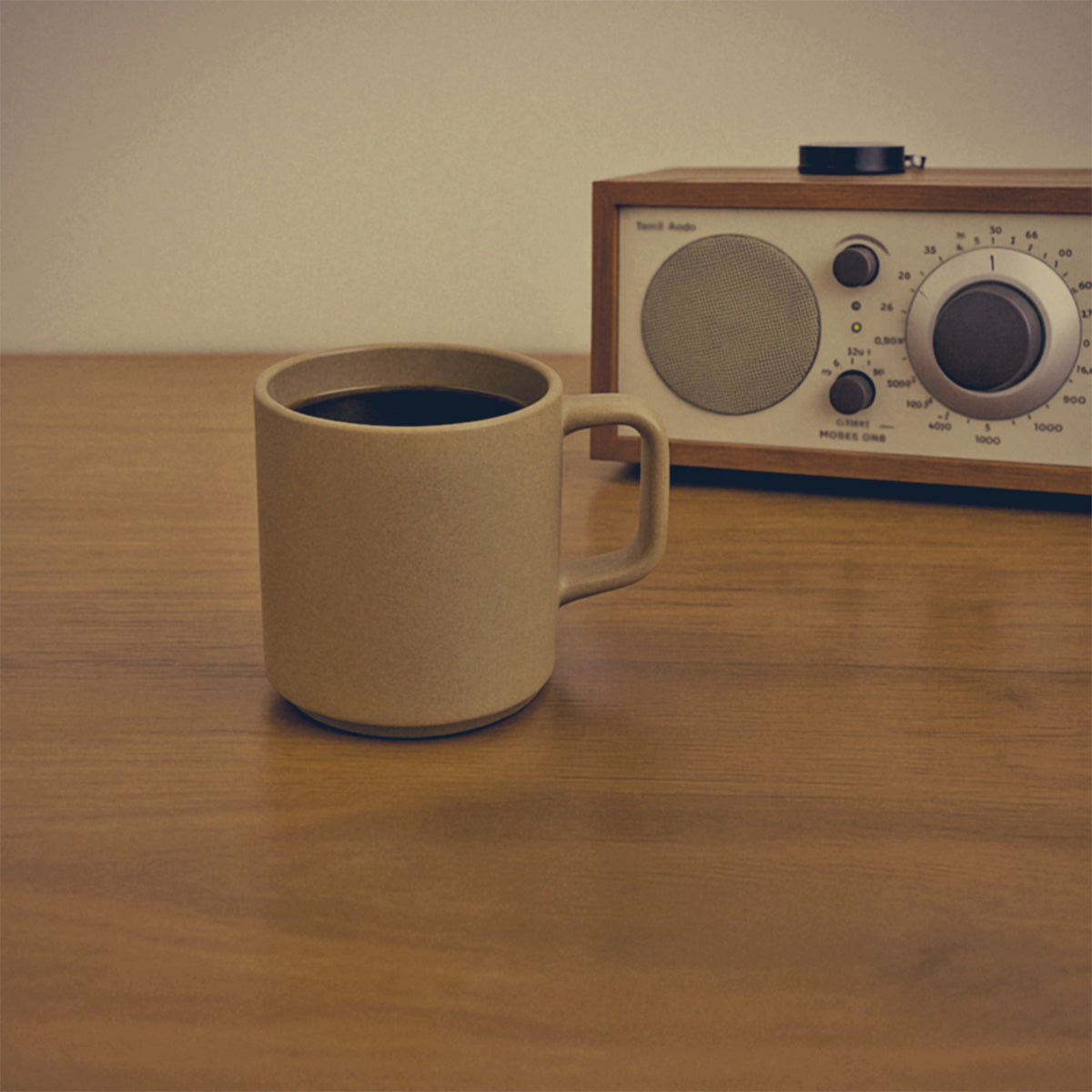
Japanese black coffee

These claims are backed by multiple studies. Here are two of the most significant:

2016 British Liver Trust Report

In 2016, the British Liver Trust reviewed, analyzed, and compiled various studies into one report titled, “Coffee consumption and the liver - the potential health benefits.” Its main findings are as follows:

  • Regular moderate consumption of coffee may prevent liver cancer, which the World Health Organization has confirmed after reviewing over a thousand related studies in humans.
  • Coffee intake has the capability of slowing down the progression of some patients’ liver disease.
  • Coffee lowers the risk of liver problems like cirrhosis and fibrosis.

Take note that these positive effects apply no matter the preparation of the coffee.

2021 BMC Public Health Study

In June of 2021, “All coffee types decrease the risk of adverse clinical outcomes in chronic liver disease: a UK Biobank Study” was published in the BioMed Central Public Health journal. It involved almost half a million participants over the course of a decade and produced the following very similar findings.

  • Drinking coffee considerably reduces the risk of various liver diseases, including liver cancer, chronic liver disease, and fatty liver disease.
  • The sweet spot falls on the range of three to four cups of coffee, caffeinated or otherwise, a day.
  • The perceived benefit extends across all kinds of coffee.

There was some contention to the results from Prof. Nathan Davies from the Institute for Liver and Digestive Health of the University College London. He cautioned that the findings might not be universally applicable since they were primarily based on white individuals of an upper socioeconomic status. He said that the study proved in no way that coffee is an anti-liver disease superfood, adding that there were even studies from which the opposite could be inferred.

The Effects of Coffee on Kidneys

Besides being a mental and physical stimulant, caffeine may also cause a rise in blood pressure and have a diuretic effect. This implies that coffee would have a consequential effect on the kidneys; however, there are ways in which coffee and caffeine are known to impact kidney health directly.

For instance, oxalate stones are among the most common kinds of kidney stones people develop; and because coffee is one of the foremost oxalate sources, many urologists advise people prone to develop kidney stones to minimize their coffee consumption. However, new evidence may soon debunk this belief.

Meanwhile, there are conflicting findings regarding the association between coffee and kidney cancer. Some studies found lower risks of renal cell carcinoma in relation to consumption of caffeinated coffee. On the other hand, other studies showed a link between decaffeinated coffee intake and higher renal cell carcinoma subtypes. 

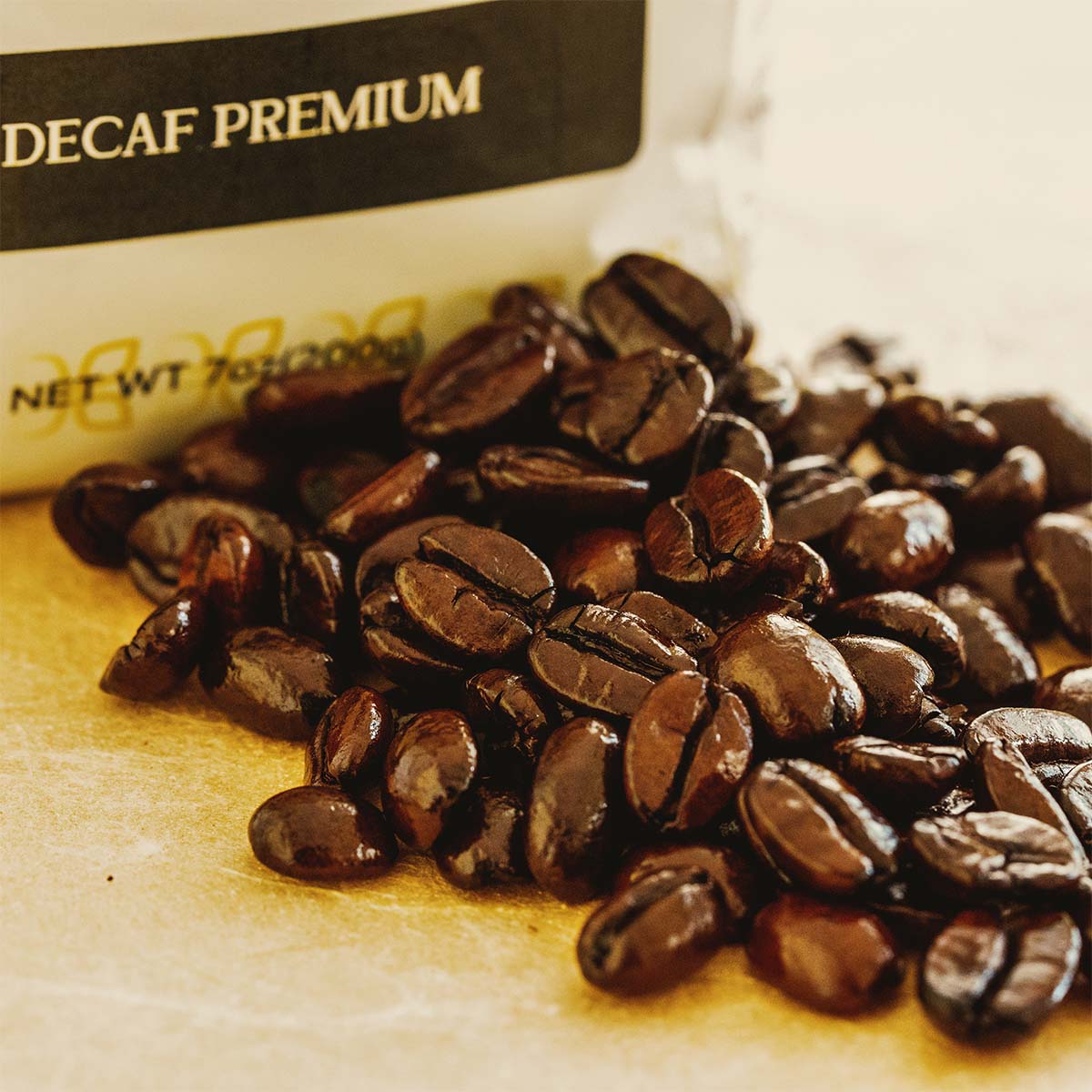
premium arabica coffee bean

It is needless to say that further research was needed to form a clearer conclusion, and naturally, a number of studies were carried out on this matter. Following is the most recent study being cited today.

2019 UK Biobank Study

This analysis of the UK Biobank baseline data and its findings were published in the American Journal of Kidney Diseases in 2019 - it was titled, “Coffee Consumption and Kidney Function: A Mendelian Randomization Study,” the study aimed to figure out the effect of coffee on kidney function.

Using genetic data, it showed evidence of a beneficial effect, particularly on the reduction in kidney stones: higher the coffee and caffeine consumption, lower the risk of kidney stones. Findings indicated that going from a cup to a cup and a half of coffee a day reduced the risk by 40 percent. The encouraging outcome is something that the researchers felt hopeful about, given the widespread coffee intake and the increasing issue of chronic kidney disease all over the world.

Other studies have also shown positive effect of coffee on the kidneys. For an example, a study in Korea performed in 2008 analyzed the habits of thousands of women, which led to the finding that drinking coffee may be associated with a decrease in the prevalence of kidney problems. Another study in 2016 involved the coffee-growing villages along the Pacific Coasts of Nicaragua, which found that these places manifested a lower prevalence of chronic kidney disease.

So, is Coffee Bad for Your Liver and Kidneys?

When consumed in moderation, coffee is not bad for your liver and kidneys. Furthermore, coffee has been linked to reduced risks of liver diseases such as cirrhosis, liver cancer, and fatty liver disease. As for the kidneys, research shows that coffee consumption may help lower the risk of developing kidney stones and other kidney-related issues. However, it is important to stay mindful of one's caffeine intake in relation to your own health conditions, as further research is still needed for more definitive answers.

FAQs about Coffee, Caffeine, Liver and Kidney Health

Is coffee actually harmful or beneficial for liver and kidneys?

Mostly beneficial in moderation, with specific caveats. Multiple large studies show that moderate daily coffee consumption (3-4 cups daily) is associated with reduced risk of liver diseases (especially fatty liver, hepatitis-C-related liver damage, and liver cancer). For kidneys, the relationship is less clear but moderate coffee consumption appears neutral or slightly beneficial; it's not generally harmful at typical drinking levels.

Mechanisms: chlorogenic acids in coffee have anti-inflammatory effects that benefit liver function; caffeine itself doesn't directly damage either organ at moderate doses; antioxidant compounds in coffee provide general health benefits that include liver and kidney support.

Specific exceptions exist. People with active liver disease (especially advanced cirrhosis) should discuss coffee intake with hepatologists. People with kidney stones should be aware that high coffee consumption can increase calcium oxalate stone risk in susceptible individuals. Most healthy adults benefit from coffee within moderation.

How much coffee is safe daily for liver and kidney health?

3-4 cups daily is the typical research-based safe and beneficial range. Below this level, the protective effects are smaller. Above 5-6 cups, you're approaching territory where caffeine side effects (anxiety, sleep disruption, blood pressure effects) outweigh the marginal protective benefit.

FDA recommends up to 400mg of caffeine daily for healthy adults — roughly 4 cups of brewed coffee. This guidance specifically considers cardiovascular and nervous system effects rather than liver/kidney specifically, but the upper limit holds across organ systems generally.

Personal calibration matters. Some people are caffeine-sensitive enough that 200mg daily produces issues; others tolerate 600mg without obvious problems. Track your personal response and adjust based on how your body actually responds rather than rigid rules.

When should I limit or avoid coffee for organ health reasons?

Specific medical situations warrant coffee limitation. Active hepatitis or advanced cirrhosis — discuss with hepatologist; some research suggests coffee continues to help but timing and amount matter. Active kidney stones — calcium oxalate stones specifically may worsen with high coffee intake. Chronic kidney disease at advanced stages — caffeine processing changes; consult nephrologist.

Some medications interact with coffee in ways that affect liver/kidney function. Warfarin (caffeine can affect blood thinning consistency). Certain psychiatric medications. Some cancer treatments. If you're on prescription medications, mention your coffee intake to your prescribing doctor; usually the interactions are manageable but coordination matters.

Pregnancy reduces tolerable caffeine intake (medical guidance: 200mg daily maximum). Nursing follows similar reduced limits. JPCo's Decaf Premium Blend is appropriate for pregnant or nursing customers wanting coffee experience without caffeine — chemical-free decaffeination process preserves more flavor than typical decaf.

What's the actual science of how caffeine affects organs?

Caffeine is metabolized primarily by the liver enzyme CYP1A2. Some people are "fast metabolizers" (clear caffeine in 2-3 hours); others are "slow metabolizers" (6-8 hours). The genetic difference affects how caffeine accumulates in your system. For liver function specifically, caffeine itself doesn't damage liver cells at typical intake — the liver processes caffeine routinely without stress.

For kidneys, caffeine has mild diuretic effect (increases urine production). The diuretic effect is modest at typical drinking volumes and doesn't damage kidney function. People drinking 8+ cups daily can have meaningful diuretic effect that may need extra hydration; below this, the effect is negligible.

Long-term studies of regular coffee drinkers show that moderate consumption (3-4 cups daily over decades) is associated with longer lifespan and reduced risk of multiple chronic diseases. The protective effects are real even after controlling for healthy-lifestyle factors that correlate with coffee drinking.

How do I balance coffee with overall health goals?

Three principles. First, moderate consistent intake is better than sporadic high intake. 3 cups daily produces protective benefits that 6 cups twice a week doesn't match. Second, drink high-quality coffee. Specialty fresh-roasted coffee preserves more beneficial compounds than commodity stale coffee. The polyphenols and antioxidants matter for the protective effects. Third, balance with other healthy habits.

Coffee complements rather than replaces healthy lifestyle. Daily coffee + regular exercise + good sleep + balanced diet produces health outcomes that coffee alone or healthy diet alone don't match. The combinations compound; coffee in isolation provides modest benefits; coffee plus other health basics provides meaningful benefits.

Watch for caffeine-related sleep disruption. Coffee's organ-protective benefits depend on adequate sleep for full health effects. Drinking coffee that disrupts your sleep undercuts the broader health benefits. Stop coffee by 2-3 PM if needed; switch to decaf or hojicha (non-coffee equivalent) for evening drinking.

Related products

3 reviews

Asa Tsuyu Blend [Light Blend] (Colombia, Brazil, Ethiopia)

USD $25.00
Quick view

Delicate, invigorating, and oh so pure! This blend knows how to dish up a warm welcome. Our lightest blend features beans from Columbia, Brazil, and Ethiopia. We’ve found that this roast makes an incredible espresso, as well as a beautiful, bright drip coffee. With pure coffee flavor, soft touch of sourness and a rich sweet aroma —this light blend helps you start the day off right.

5 reviews

Decaf Premium Blend (Colombia, Brazil, Ethiopia)

USD $35.00
Quick view

The secret behind Sapporo Coffee Kan’s original Caffeine-off blend lies in a groundbreaking German method called the "Liquid Dicarboxylic Acid Extraction Method," which removes 93–98% of caffeine while preserving the coffee’s original flavor, aroma, and richness. Unlike conventional decaf processes that strip away essential taste components, this technique uses a careful combination of low pressure and temperature over an extended period, ensuring the coffee’s delicious character remains intact. The beans are then roasted using Sapporo Coffee Kan’s unique CSR (Charcoal Straight Roasting) method, minimizing oxidation and preserving the coffee’s vibrant profile. As a result, this decaf coffee is so flavorful and satisfying that it is served at high-end restaurants with evening desserts, offering a true specialty coffee experience for caffeine-sensitive individuals, pregnant women, nursing mothers, and anyone advised to reduce caffeine intake.

37 reviews

Hokkaido Blend Single-Serve Pour-Over - Disposable Filter Bag

USD $42.00 USD $39.00
Quick view

The Single-Serve Disposable Filter Bag (Cup-On) is an ingenious coffee-brewing method that has been popular in Japan for quite some time but remains lesser known elsewhere. Designed to hold the perfect amount of ground coffee for a single cup, each filter bag features a clever paper structure that securely stabilizes onto your cup—just pour hot water, and voilà, a fresh and delicious drip coffee is ready with minimal effort and no special equipment. What sets this Cup-On apart from other pour-over filters is its unique 4-point system, an innovative design that prevents the filter from becoming soaked after pouring, ensuring a consistent and flavorful brew. Among the many variations of cup-on filters available in Japan, this premium version stands out for delivering an exceptional pour-over experience crafted for true coffee enthusiasts.

26 reviews

Hokkaido Blend K-Cups Pods (12 Count)

USD $30.00 USD $25.00
Quick view

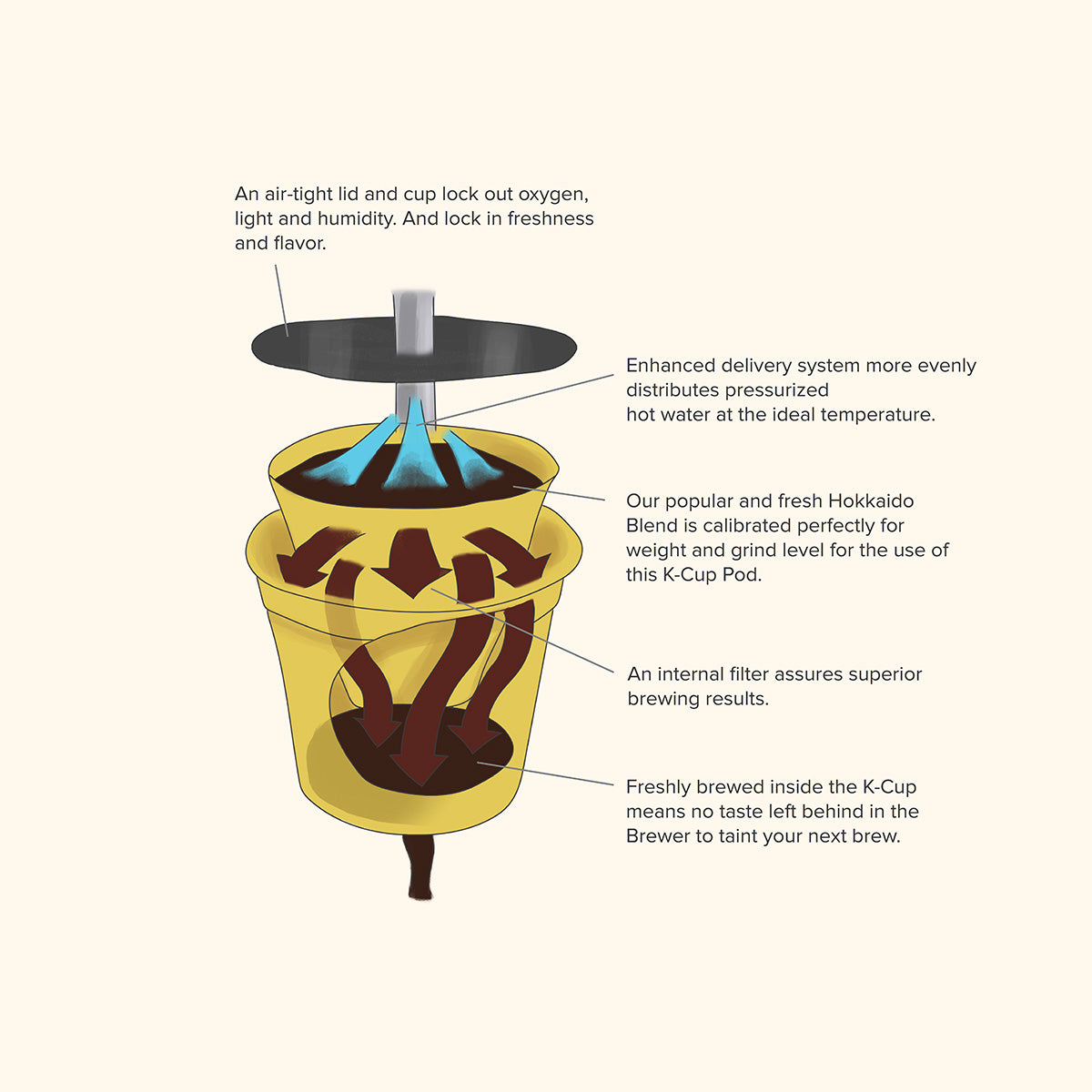
Hokkaido Blend K-Cup Pods bring the rich, balanced flavor of Sapporo Coffee Kan’s famous sumiyaki roasted coffee into a convenient single-serve format, making it easy to enjoy authentic Japanese quality at home. Crafted with the highest quality pods to preserve aroma and flavor, these K-Cups offer a bold, full-bodied experience without sacrificing freshness or taste. Each pod captures the depth and richness of traditional sumiyaki roasting, a special charcoal-roasting method that enhances flavor while reducing acidity. Featuring a built-in paper filter and designed for quick, easy brewing, Hokkaido Blend K-Cups are perfect for busy mornings or whenever you crave a perfectly brewed cup of coffee.

16 reviews

Hokkaido Blend (Colombia, Brazil, Honduras, Indonesia)

USD $25.00
Quick view

Sapporo Coffee Kan's most popular and long-selling signature blend, known as "the house blend," offers a rich, full-bodied coffee experience with a pleasant, mild bitterness and a mellow taste. Crafted by adding the finest Mandheling Berkat Lingtong beans to the blend, it achieves a rare balance—delivering depth and complexity without the sharp acidity often found in other coffees. For those who prefer a smoother, less acidic cup without sacrificing richness and flavor, this special house blend truly hits the spot.

Asa-Yuu Blend Duo (Get 20% Off)

USD $50.00 USD $39.00
Quick view

Meet the Asa-Yuu Blend Duo (朝夕): a roasted-to-order set featuring Asa Tsuyu (light roast, Colombia/Brazil/Ethiopia) and Hokkaido (medium roast, Colombia/Brazil/Honduras/Indonesia). Bright in the morning, smooth and balanced through the day—now 20% off for a limited time.


Related Articles You May Be Interested

Is Coffee Good for Cancer? - Coffee Quiz
How Do Coffee and Caffeine Affect the Heart
Does coffee have any side effects? – Coffee Quiz
How Water Affects the Taste of Coffee
Everything You Need to Know About Caffeine and Coffee
Do you still get the health benefits of coffee if you switch to decaf
Is it ok to drink too much coffee daily? – Coffee Quiz

Get Free Bonus Books

Join Japanese Coffee Club

Sign up for free to the Coffee Club to get advice and exclusive articles about how to choose Japanese Coffee, and tips, tricks, and recipes for enjoying Japanese coffee.

Unsubscribe anytime. It’s free!

About the author

Kei Nishida

Kei Nishida

Author, CEO Dream of Japan

info@japaneseCoffeeCo.com

Certifications: PMP, BS in Computer Science

Education: Western Washington University

Kei Nishida is a passionate Japanese tea and coffee connoisseur, writer, and the founder and CEO of Japanese Coffee Co. and Japanese Green Tea Co., both part of Dream of Japan.

His journey began with a mission to introduce the world to the unparalleled quality of Japanese green tea. Through Japanese Green Tea Co., he established the only company that sources premium tea grown in nutrient-rich sugarcane soil—an innovation that led to multiple Global Tea Champion awards.

Building on this success and his passion for Japanese craftsmanship, Kei expanded into the world of coffee, pioneering the launch of Japanese Coffee Co., the first company to bring Sumiyaki charcoal-roasted coffee to a global audience. His dedication to authenticity and quality ensures that this traditional Japanese roasting method, once a well-kept secret, is now enjoyed worldwide.

Beyond tea and coffee, Kei has also introduced Japan’s legendary craftsmanship to the world through Japanese Knife Co., making handmade katana-style knives—crafted by a renowned katana maker—available outside Japan for the first time.

Kei’s journey continues as he seeks out and shares the hidden treasures of Japan, one cup and one blade at a time.

Related Posts

A Walk Through Osaka's Coffee District: Six Standout Coffee Shops on a One-Hour Stroll

Sapporo-based writer Graham Hill walks the streets of Osaka with us, profiling six very different coffee experiences — p

Read More
Behold: Balmuda's "The Brew" - Tokyo-based design powerhouse brings their coffee maker to the US
Behold: Balmuda's "The Brew" - Tokyo-based design powerhouse brings their coffee maker to the USA

Experience Balmuda's excellent coffee machine as Tokyo's design influence makes its way to the United States. This cutti

Read More
Everything You Need to Know About Papua New Guinea Coffee — And Its Surprising Connection to Japan

PNG coffee has deep ties to Japan — from Blue Mountain roots to today's specialty scene. Meet Baroida Estate and try our

Read More
Leave a comment

Your email address will not be published..

Cart

Your cart is currently empty.

Start Shopping

Select options