Skip to content

How Japan is Revolutionizing Specialty Coffee

Japan, known for its careful craftsmanship and rich traditions, is now making a big splash in the world of specialty coffee. While green tea has long been a staple, the country’s growing love for coffee is creating a vibrant new scene.

If you’re looking to find topics for argumentative essay, examining Japan’s rise in the coffee world might offer valuable insights into how cultural changes drive new trends.

A History Brewed in Tradition

While coffee's introduction to Japan dates back to the 17th century, it wasn't until the Meiji era (1868-1912) that the beverage truly gained popularity. As Japan opened its doors to Western influences, coffee shops began to spring up in major cities, offering a taste of the exotic to a curious public. However, it wasn't until the mid-20th century that coffee consumption really took off, fueled by economic growth and a rising middle class.

The Third Wave Hits Tokyo

The Japanese obsession with quality and perfection has played a significant role in the country's emergence as a global coffee powerhouse. In recent years, there has been a surge in the number of specialty coffee shops, each offering a unique and curated experience for discerning coffee lovers. From small, cozy cafes to stylish, third-wave roasteries, Japan's coffee scene is incredibly diverse and dynamic.

One of the defining characteristics of Japanese specialty coffee is the emphasis on precision and technique. Baristas are highly trained and skilled in a variety of brewing methods, including pour-over, espresso, and cold brew. They are meticulous about every aspect of the coffee-making process, from selecting the right beans to grinding them to the perfect consistency.

More Than Just a Brew: Japanese Coffee Culture

Beyond the quality of the coffee itself, Japanese coffee culture is characterized by a deep appreciation for the ritual and experience. Coffee shops often create a serene and inviting atmosphere, with minimalist decor and soft, natural light. Customers can enjoy their coffee in a relaxed and contemplative setting, taking the time to savor each sip.

The Japanese also have a unique approach to coffee pairing. Many cafes offer a carefully curated selection of food and beverages that complement the coffee's flavor profile. This attention to detail is indicative of the Japanese philosophy of omotenashi, which emphasizes hospitality and the desire to provide guests with an exceptional experience.

Innovation in the Cup

Japanese coffee roasters are constantly pushing the boundaries of their craft, experimenting with new roasting profiles and techniques. They are also exploring innovative brewing methods, such as the siphon brewing method and the Kyoto cold brew. These experiments have resulted in some truly remarkable coffees that are both delicious and visually stunning.

One of the most interesting trends in Japanese coffee is the growing popularity of single-origin coffees. These coffees are sourced from a specific region or farm, allowing customers to appreciate the unique flavors and characteristics of different growing environments. Additionally, Japanese coffee shops are increasingly experimenting with cold brew, a method that produces a smooth, concentrated coffee with a lower acidity.

A Global Impact

The Japanese coffee revolution has had a significant impact on the global coffee scene. Japanese roasters and baristas are highly respected and sought after around the world. Their expertise and passion have helped to elevate the standards of coffee quality and service in countries from Australia to the United States.

Coffee and Community: The Social Aspect of Japanese Coffee Culture

Beyond the quality of the coffee and the ritualistic experience, Japanese coffee culture also plays a vital role in fostering community and social connections. Coffee shops often serve as gathering places where people can come together to socialize, work, or simply relax. This sense of community is an integral part of the Japanese coffee experience.

The Future of Japanese Coffee

As Japan continues to evolve, so too will its coffee culture. One trend to watch is the increasing popularity of specialty coffee shops in smaller cities and towns. This decentralization of the coffee scene is likely to lead to a more diverse and vibrant coffee landscape.

Additionally, there is a growing interest in sustainable and ethical coffee sourcing in Japan. Many coffee shops are now committed to supporting fair trade and organic practices, ensuring that the coffee they serve is both delicious and socially responsible.

In conclusion, Japan's specialty coffee scene is a testament to the country's unique blend of tradition and innovation. The meticulous attention to detail, the emphasis on quality, and the deep appreciation for the ritual of coffee drinking have all contributed to the country's emergence as a global coffee powerhouse. As Japan continues to evolve, it is clear that its coffee culture will remain at the forefront of the specialty coffee movement.

FAQs about Japan Revolutionizing Specialty Coffee

How is Japan changing global specialty coffee?

In three ways. First, technique exports — V60, flash-brewed iced, and Japanese pour-over precision are now global standards. Second, sourcing depth — Japanese roasters like Maruyama set Cup of Excellence price records that pushed specialty pricing upward worldwide. Third, café aesthetics — Tokyo specialty café design (minimalist, ritual-driven) is the global third-wave look.

Japanese Contributions to the World of Coffee

What new directions are Japanese roasters pushing?

Anaerobic and koji-fermented coffees, ultra-precise water profiles (down to specific calcium-magnesium ratios), single-cup brewing precision via devices like Balmuda The Brew. Also, the resurgence of sumiyaki charcoal roasting as a premium category. Japan is innovating both in technology and in tradition.

Black and silver coffee brewing device on a white background BALMUDA The Brew USD $699.00

Are non-Japanese roasters copying Japanese style?

Constantly. Blue Bottle openly modeled itself on kissaten aesthetics; many US specialty roasters use Japanese pour-over methodology; the Hario V60 is on every specialty bar globally. The "Japanese influence" is so embedded in third-wave coffee now that most drinkers don’t even know they’re experiencing it.

Kissaten (喫茶店): Its Birth up to the Present Day Concept

What’s next for Japanese specialty coffee?

Two trends. One: domestic Japanese coffee growing (Okinawa, Kagoshima) becoming more visible despite tiny scale. Two: deeper integration of traditional Japanese craft (sumiyaki roasting, kissaten ritual) into modern specialty cafés worldwide. The Japanese chapter of specialty coffee isn’t finished — it’s still being written.

Can Japan Grow Coffee? - Coffee Quiz

How can I taste this revolution from outside Japan?

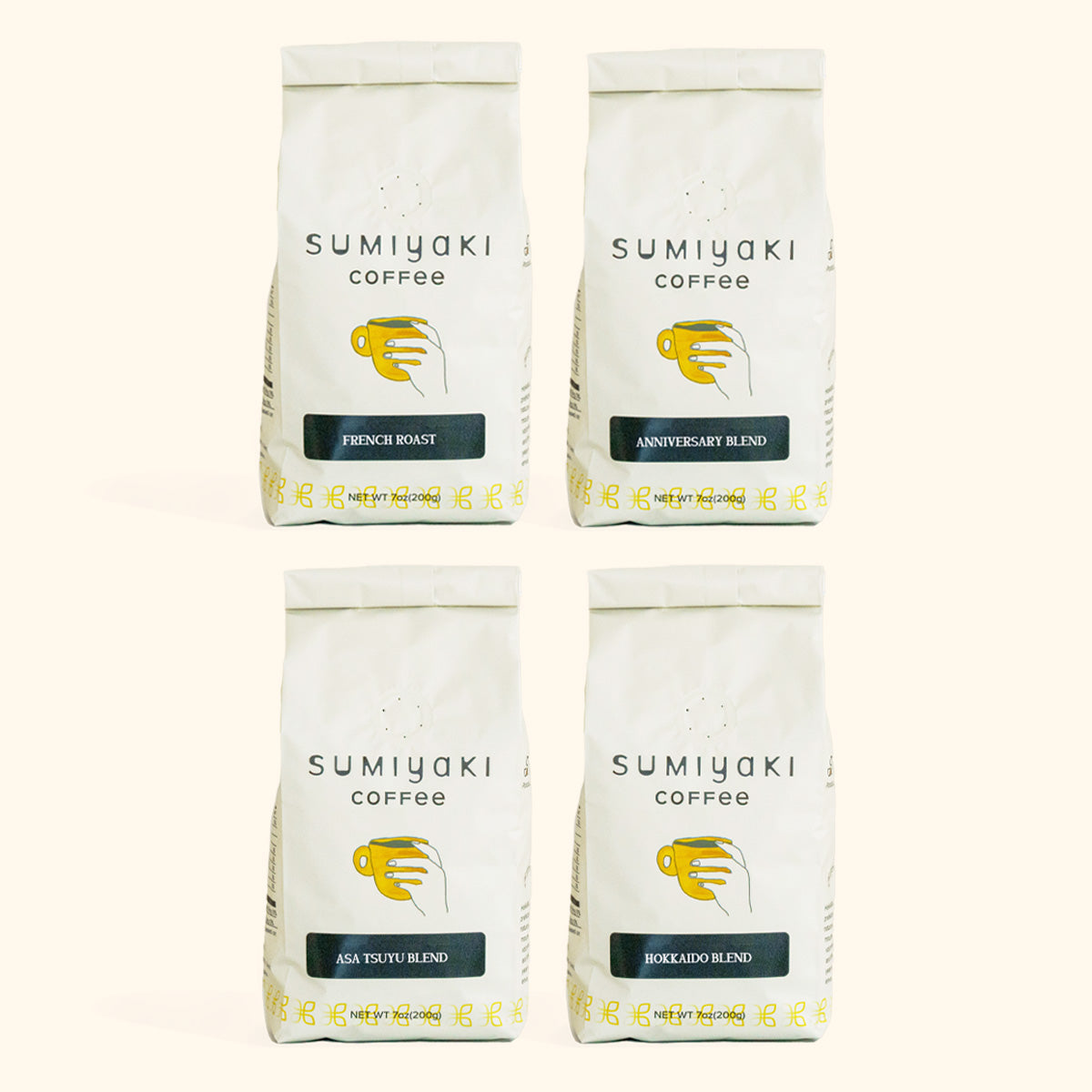
Buy Japanese-roasted beans, brew Japanese-style. Our Select Combo bundles four Japanese-roasted blends spanning kissaten dark-roast tradition and modern light specialty. Pair with a Hario V60 and you’ve recreated the contemporary Japanese specialty experience at home.

Related products

16 reviews

Hokkaido Blend (Colombia, Brazil, Honduras, Indonesia)

USD $25.00
Quick view

Sapporo Coffee Kan's most popular and long-selling signature blend, known as "the house blend," offers a rich, full-bodied coffee experience with a pleasant, mild bitterness and a mellow taste. Crafted by adding the finest Mandheling Berkat Lingtong beans to the blend, it achieves a rare balance—delivering depth and complexity without the sharp acidity often found in other coffees. For those who prefer a smoother, less acidic cup without sacrificing richness and flavor, this special house blend truly hits the spot.

5 reviews

Select Blend Combination Set (Get 30% Off)

USD $110.00 USD $77.00
Quick view

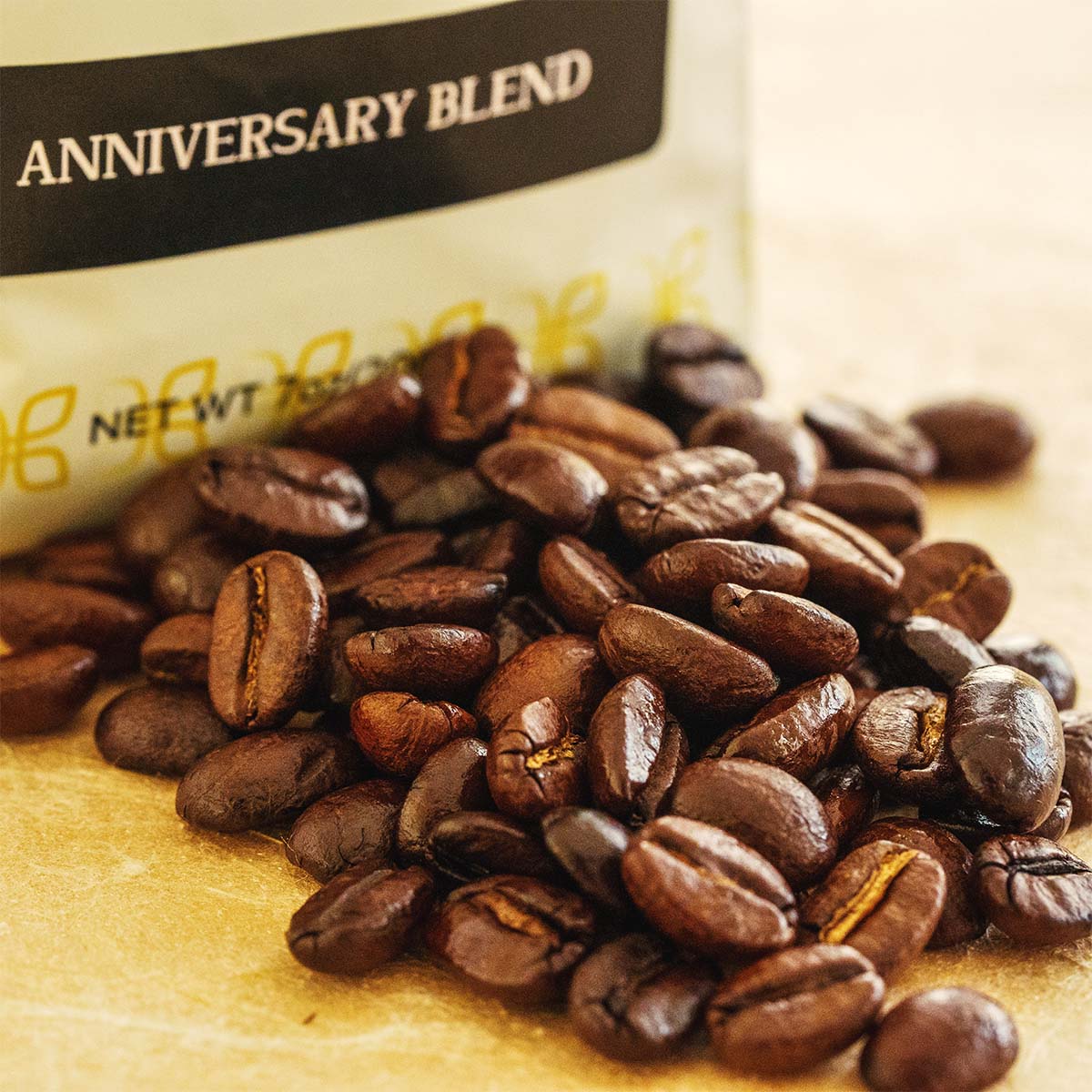
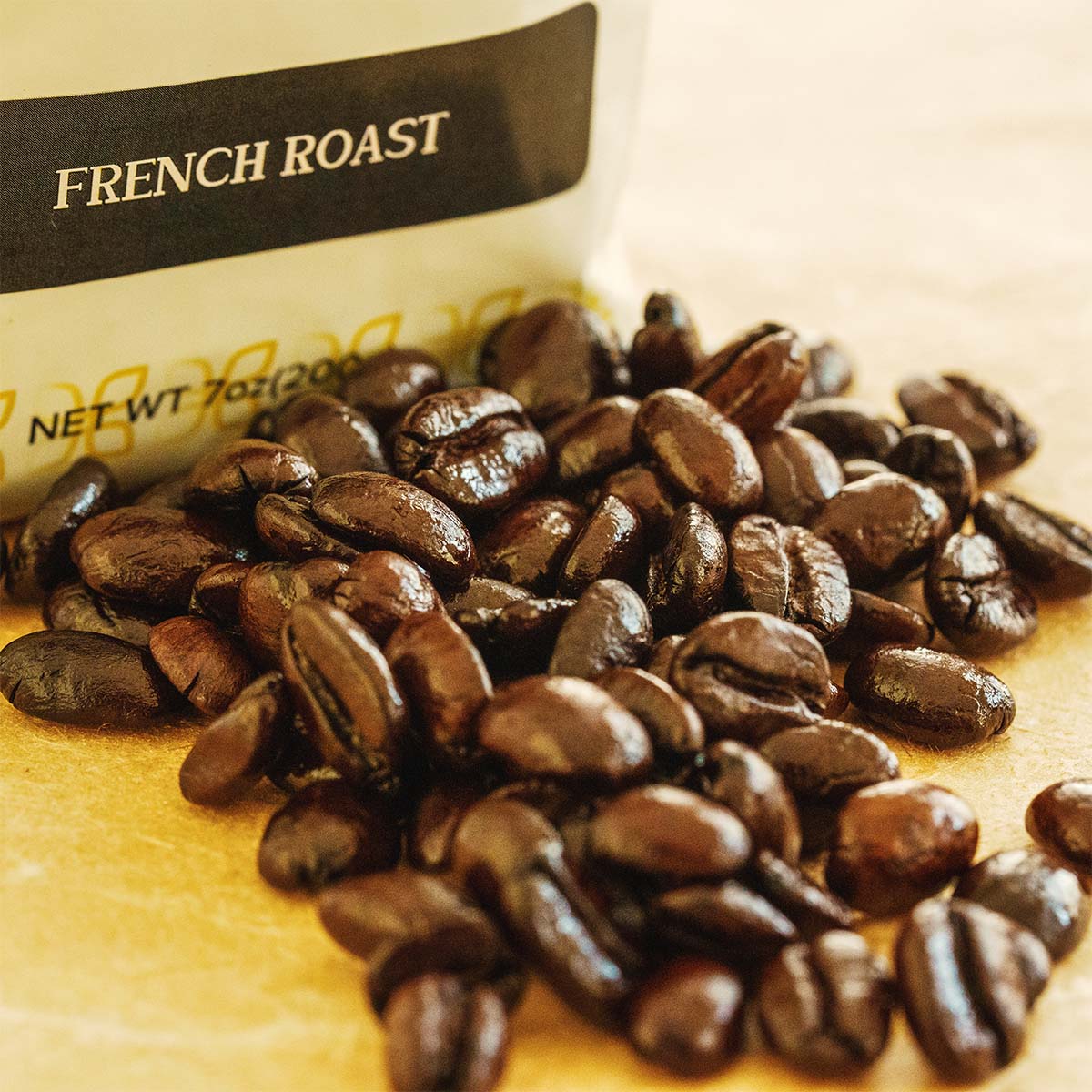
Get 30% off for a limited time when you purchase this special Combination Set featuring four of our most popular Premium Blend Sumiyaki Coffees. Your order will include four 200g packages: Anniversary Blend Coffee (Colombia, Brazil, Indonesia), the fruity favorite originally created for Sapporo Coffee Kan’s 30th anniversary; Asa Kiri Blend, a light roast with pure coffee flavor and a soft touch of sourness; Hokkaido Blend, the signature house blend beloved for its rich and balanced taste; and French Roast Blend, a dark, smoky roast perfect for pairing with milk or crafting café au lait and coffee cocktails. All beans are roasted to order under the expert blending tradition of Sapporo Coffee Kan, led by Ito Eiichi, the renowned “King of Blenders” in Japan, ensuring every cup is a masterful balance of flavor and aroma.

Asa-Yuu Blend Duo (Get 20% Off)

USD $50.00 USD $39.00
Quick view

Meet the Asa-Yuu Blend Duo (朝夕): a roasted-to-order set featuring Asa Tsuyu (light roast, Colombia/Brazil/Ethiopia) and Hokkaido (medium roast, Colombia/Brazil/Honduras/Indonesia). Bright in the morning, smooth and balanced through the day—now 20% off for a limited time.


Related Articles You May Be Interested

5 Japanese Coffee Shops Coffee Lovers Should Try In Japan
Which Coffee is Good For Me? How to decide which coffee is Right For You
Japan Siphonist Championship – Everything You Need to Know
Kalita’s ‘Made in Japan’ series
Is it ok to drink too much coffee daily? – Coffee Quiz

Get Free Bonus Books

Join Japanese Coffee Club

Sign up for free to the Coffee Club to get advice and exclusive articles about how to choose Japanese Coffee, and tips, tricks, and recipes for enjoying Japanese coffee.

Unsubscribe anytime. It’s free!

About the author

Kei Nishida

Kei Nishida

Author, CEO Dream of Japan

info@japaneseCoffeeCo.com

Certifications: PMP, BS in Computer Science

Education: Western Washington University

Kei Nishida is a passionate Japanese tea and coffee connoisseur, writer, and the founder and CEO of Japanese Coffee Co. and Japanese Green Tea Co., both part of Dream of Japan.

His journey began with a mission to introduce the world to the unparalleled quality of Japanese green tea. Through Japanese Green Tea Co., he established the only company that sources premium tea grown in nutrient-rich sugarcane soil—an innovation that led to multiple Global Tea Champion awards.

Building on this success and his passion for Japanese craftsmanship, Kei expanded into the world of coffee, pioneering the launch of Japanese Coffee Co., the first company to bring Sumiyaki charcoal-roasted coffee to a global audience. His dedication to authenticity and quality ensures that this traditional Japanese roasting method, once a well-kept secret, is now enjoyed worldwide.

Beyond tea and coffee, Kei has also introduced Japan’s legendary craftsmanship to the world through Japanese Knife Co., making handmade katana-style knives—crafted by a renowned katana maker—available outside Japan for the first time.

Kei’s journey continues as he seeks out and shares the hidden treasures of Japan, one cup and one blade at a time.

Related Posts

Behold: Balmuda's "The Brew" - Tokyo-based design powerhouse brings their coffee maker to the US
Behold: Balmuda's "The Brew" - Tokyo-based design powerhouse brings their coffee maker to the USA

Experience Balmuda's excellent coffee machine as Tokyo's design influence makes its way to the United States. This cutti

Read More
Everything You Need to Know About Papua New Guinea Coffee — And Its Surprising Connection to Japan

PNG coffee has deep ties to Japan — from Blue Mountain roots to today's specialty scene. Meet Baroida Estate and try our

Read More
OC Japan Fair April 2026 — Visit Us at Booth #A8!
OC Japan Fair Spring 2026 Recap (April 3 - 5 2026)

We were at OC Japan Fair again! April 3-5 2026 with new products, Miki Pon's art debut and more. Here is a recap video f

Read More
Leave a comment

Your email address will not be published..

Cart

Your cart is currently empty.

Start Shopping

Select options