Skip to content

How Roasting Affects Taste of Coffee

Did you know that it is particularly important for baristas to ensure that the coffee they brew is perfectly roasted?

That’s why there are people in the coffee industry who only do one thing: roast coffee. But what exactly does that mean, and what is the process they follow?

How Roasting Affects Taste of Coffee

Most importantly, how does roasting affect the taste of coffee? This is what I will be talking to you about today.

Here’s an overview of what I will cover:

Definition of roasting

What is the meaning of roasting anyway?

According to dictionaries, roasting means "exposing a substance to high heat for a long time without the addition of fat or water so that it is cooked, gets a brown crust, and becomes crispy".

In the case of coffee roasting, this refers to the raw coffee beans. Roasting coffee is the process by which coffee beans are roasted to get the deep brown color we all know and love. When roasting coffee, the so-called roasted aromas are created in the coffee bean.

green coffee

Back to top

Why is roasting coffee so important?

The seeds of the coffee cherry are called coffee beans. These are processed and dried after the harvest, which also plays an important role in the flavor profile of coffee.

Before roasting, the raw coffee beans are green and have a bean-like, grassy aroma. In fact, green coffee beans don't smell at all the way we imagine coffee to smell. This is because coffee only develops 800 to 1000 different aromatic substances when it is roasted.

And these substances give the coffee its unique taste. Depending on the type of roast, the roaster can influence the development of these aromatic substances and thus also determine the taste of the coffee.

Roasting process

Roasting coffee simply means that green coffee beans turn brown. The roasting process itself consists of different phases. Depending on what happens in these individual phases, this affects the taste of your favorite hot beverage.

So what exactly happens during the roasting process? There are three basic stages in roasting: drying, browning, and developing or roasting.

Drying

The raw coffee bean has a moisture content of 8–12%. Therefore, it is necessary to dry them before starting the actual roasting.
 
As a rule, the drying phase with a commercially available drum roaster takes about 4 to 8 minutes. Towards the end of the drying process, the temperature is usually around 160°C.

coffee bean drying

However, it is advisable to be careful, especially with drum roasters, because if they are heated too much right at the beginning, the beans will burn.

Browning

From 160°C on, the coffee begins to smell like toasted bread. From this moment on, the flavor precursors begin to transform into flavors. Even if the browning takes place after drying, the drying phase is also continued during the browning.
 
Now the Maillard reaction sets in, which is responsible for the brown coloration of the coffee beans. In the Maillard reaction, sugar levels and amino acids react, creating hundreds of different flavor and color compounds.

coffee roasting

These are known as melanoids. During this phase, the roasting process naturally slows down. Some roasters deliberately slow it down at this point to ensure that the flavor develops.
 
Towards the end of the browning phase, the coffee beans begin to burst. This phenomenon is called the "first crack". The development, or roasting, phase begins with it.

Developing/roasting

At the beginning of the development or roasting phase, the reaction of the coffee bean becomes exothermic. This means that the bean has stored energy during the drying and browning processes, which now causes the coffee to burst.
 
In the development phase, the desired flavoring substances develop. If we do not slow down the roasting process at this stage, there is a risk that our coffee will taste smoky and become too bitter.

roasting coffee

The development phase typically comprises around 15–25% of the total roasting time. However, the exact duration depends on the desired taste profile and degree of roasting.

Back to top

Roast level

The so-called degree of roast is one of the most important factors when roasting coffee because it measures the various roasting results you can get.
 
The degree of roasting can be influenced by varying the temperature and roasting time and has a decisive influence on the aroma, taste, and purpose of the coffee. You can actually measure the degree of roasting either with a color measuring device or by tasting.
 
Roasters usually want to intensify the coffee's own aromas and achieve a corresponding degree of roasting. Typically, light-roasted coffee is acidic, and dark-roasted coffee is bitter. Fruity aromas are also more common in light roasts, while smoky aromas are more common in heavily roasted coffee.
 
As a rule of thumb, you can assume that a light roast brings out the character of the green coffee better. By the way, it is easier to distinguish light-roasted beans from one another than dark ones.

The different degrees of roasting - an overview

Type of roast
Light Cinnamon Roast extremely light roast that arises before the first crack

Light Roast

light roast, also called pale or cinnamon roast. It is ready around the time of the first crack. Light roasts taste more sour, but hardly bitter. They often have distinct citrus notes.
Medium Roast (American Roast) medium-strong, medium-brown roast. It is traded as a breakfast roast or American roast, among other things. Very balanced with a full body.
City Roast and Full City Roast medium to dark brown color. Arises between the first and the second crack.
Dark Roast (Vienna Roast) dark roast, which can be recognized by the small drops of oil that collect on the coffee bean. It is also called Viennese roast or light French roast. Darker roasts taste slightly sweet, but bitter. They often have strong and chocolate flavors.
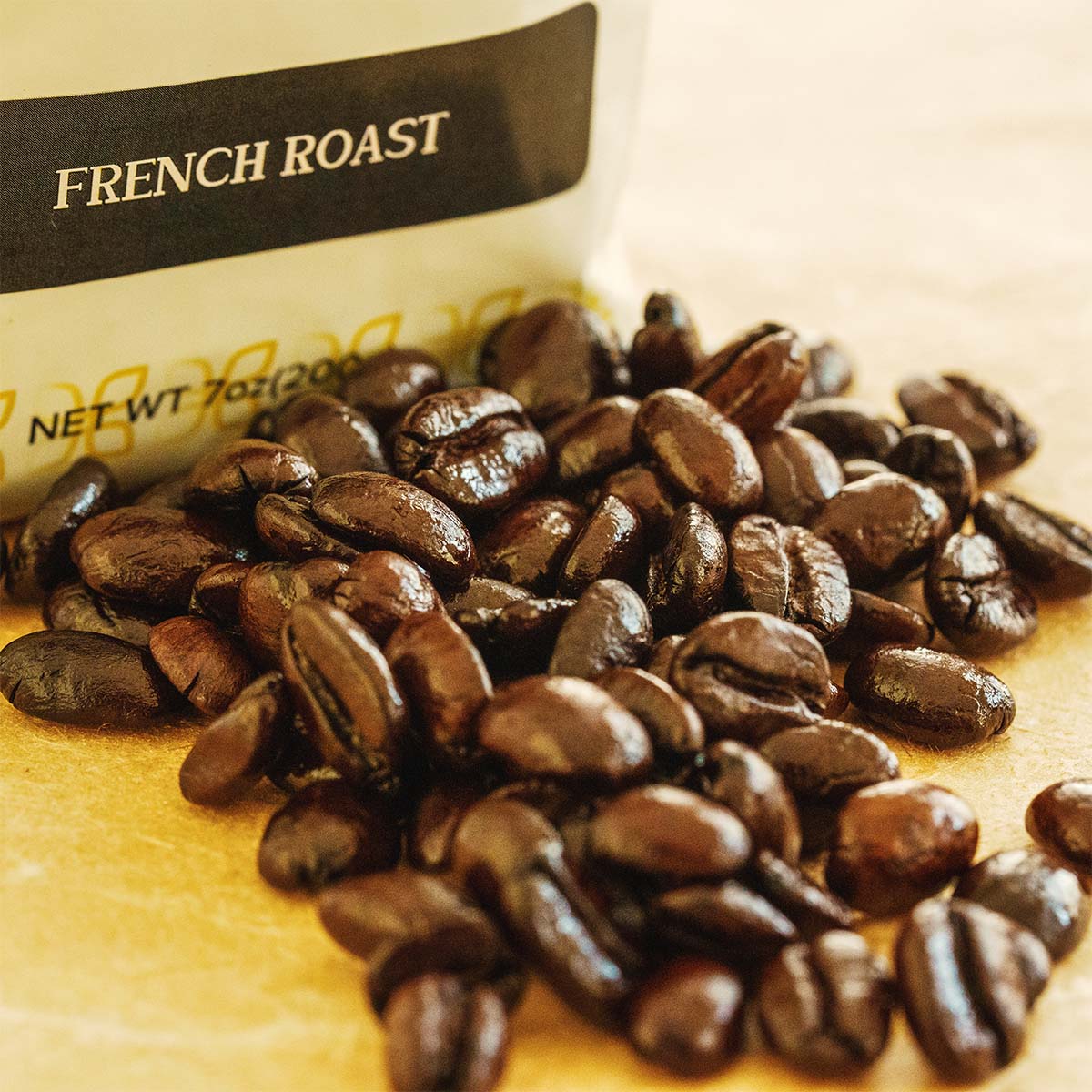
French roast very dark roast. It is also called continental roast or double roast. The surface of the coffee bean is shiny.
Italian roast very dark roast. By the way, it is also known as espresso roast. The surface of the coffee bean is very shiny.
Spanish roast (Neapolitan Roast) the darkest roast that is still drinkable. The beans are almost black and the surface dull.
Torrefacto With this type of Spanish roasting, the coffee beans are roasted with added sugar. The torrefacto coffee is usually mixed as a blend with a regularly roasted coffee. Torrefacto components in coffee blends reduce acidity and bitterness.

 Roasting Level

Back to top

Roasting time

Even if the degree of roasting has the greatest influence on the aroma profile of the coffee, the total roasting time and the time that each individual phase of the roasting process takes are also important factors.
 
If you roast the coffee quickly, you get more of the desired aromas. The overall aroma of the coffee (fruity, berry-like, chocolatey, and nutty) becomes stronger. Please click here to learn more about flavor profiles. The number of flavorings that are created at the beginning of the development phase is also higher with fast roasting.

roasted coffee

 
In some cases, however, quick roasting doesn't make sense. Because the quick roast enhances all the aromas in the coffee. If we don't want some aromas in our coffee, we have to adjust the roast profile accordingly.
 
For example, some acidity in coffee is usually desirable. In the case of espresso blends, on the other hand, customers often prefer a rather low acid content. Slow roasting gives the organic caffeic acids more time to break down. This makes the coffee less acidic overall. In such a case, slow roasting could be useful.

Final Thoughts

Well, one thing is for sure: roasting coffee is never boring. On the contrary, it helps you learn a lot about your favorite drink. It’s true that when it comes to roasting, things get a bit technical, but the actual process is not that difficult to do once the roaster knows what kind of flavor profile suits the bean better.

And now that you know all about the different degrees of roasting, you can try a few different ones and see which ones suit your taste better!

Related products

2 reviews

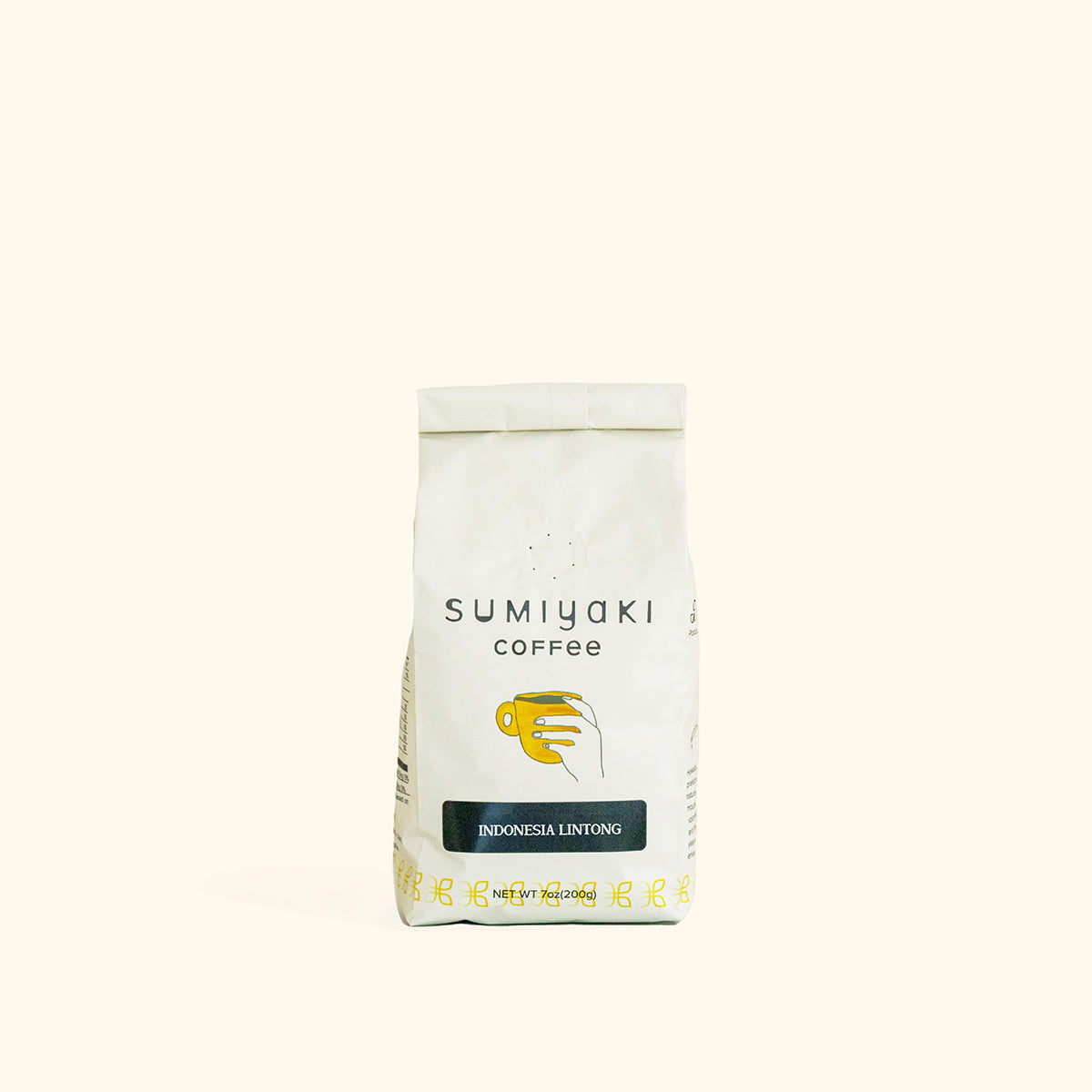
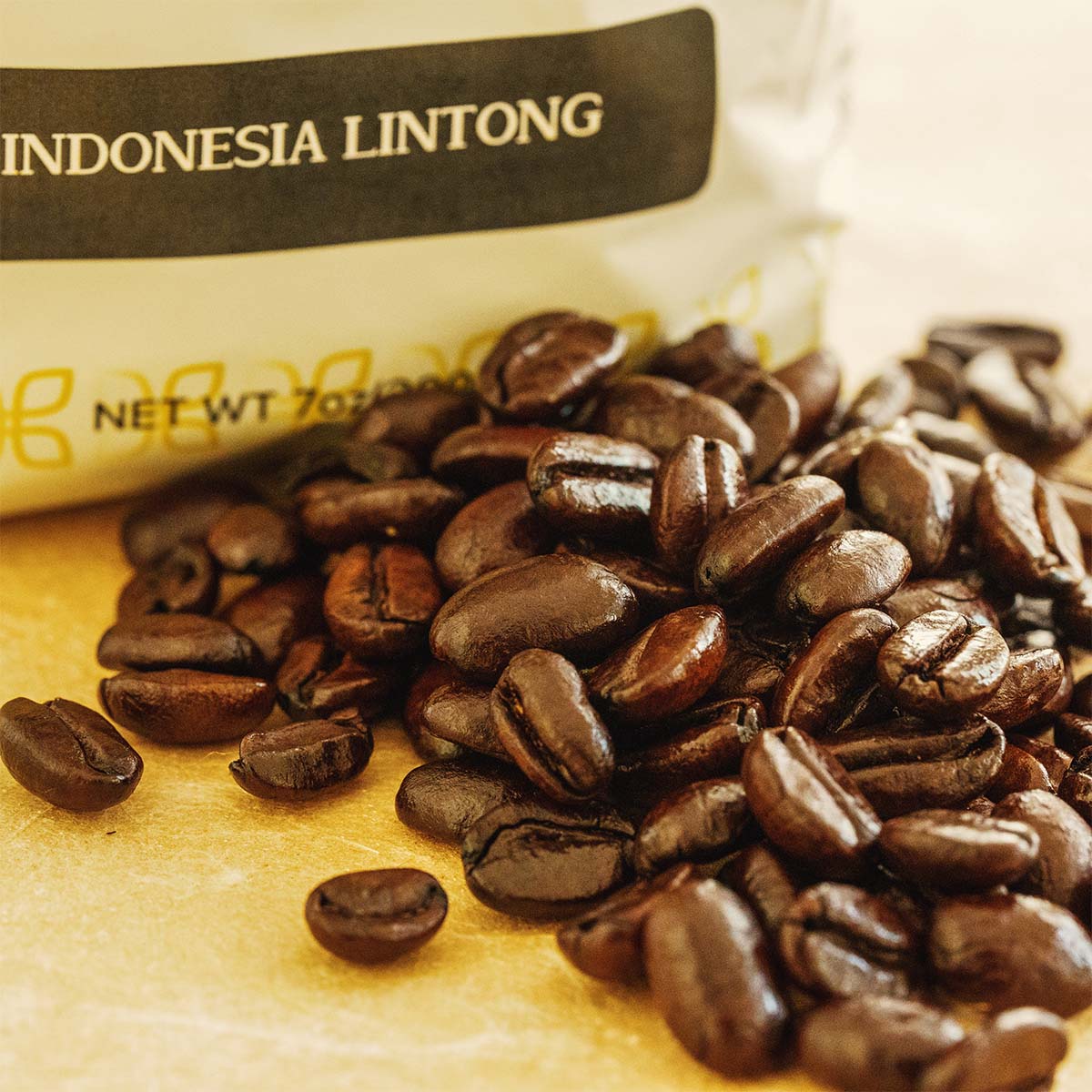
Indonesia Lintong - Arabica Typica

USD $48.00
Quick view

This exclusive contract farm coffee, Mandheling Berkat Lingtong, comes from the lush, fertile region of Lingtong Nihuta, located south of Lake Toba in North Sumatra. Grown at an altitude of 1350 to 1400 meters, this special variety—meaning "the blessing of Lingtong" in Indonesian—is distinct from the more common Mandheling coffee. Cultivated without artificial chemicals on humus-rich soil, the coffee trees are carefully spaced at four-meter intervals, allowing them to grow thick, strong, and healthy for decades, producing large, vibrant red cherries. Around 40 local families handpick and deliver the cherries to a fine selection factory, where they are traditionally processed using the Sumatran method and meticulously screen sorted, resulting in Sapporo Coffee Kan’s original specialty coffee with rich, complex flavors.

5 reviews

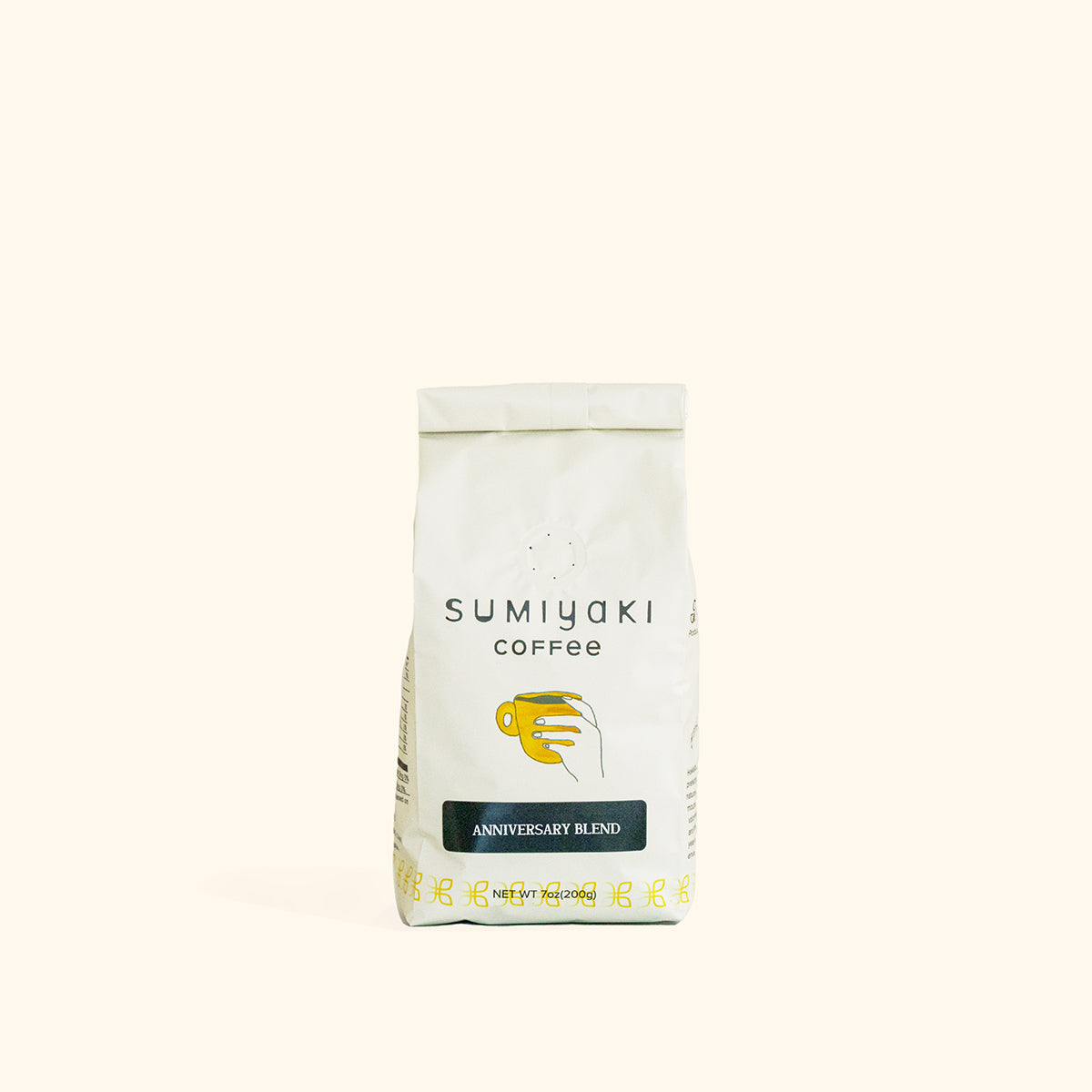
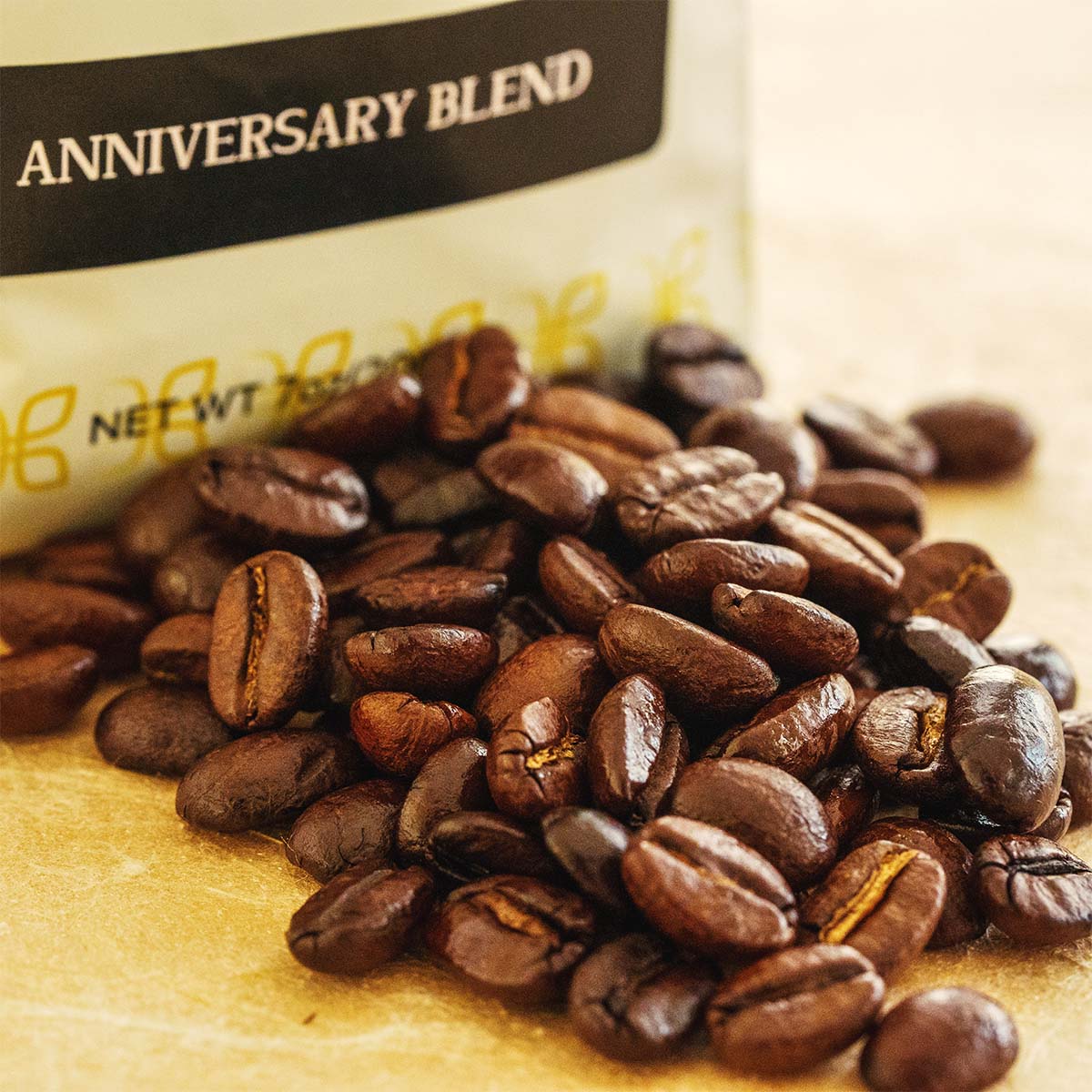
Anniversary Blend (Colombia, Brazil, Indonesia)

USD $35.00
Quick view

Do you enjoy your coffee fruity & sweet? Then this premium blend is for you, with beans from Colombia, Brazil, and Ethiopia. This blend is the fruitiest coffee in our selection.

This blend was the limited 30th-anniversary blend of Sapporo Coffee Kan in 2012. It was widely popular and was kept as a regular selection. The base of the blend is Colombia Pital-Mountain - Single Origin Premium Coffee.

With bright and sweet tones and a citrusy finish, this coffee invokes the sweeter side of life. For the best enjoyment of this high-end blend, use it to make a creamy espresso or latte-style coffee.

14 reviews

Hokkaido Blend (Colombia, Brazil, Honduras, Indonesia)

USD $25.00
Quick view

Sapporo Coffee Kan's most popular and long-selling signature blend, known as "the house blend," offers a rich, full-bodied coffee experience with a pleasant, mild bitterness and a mellow taste. Crafted by adding the finest Mandheling Berkat Lingtong beans to the blend, it achieves a rare balance—delivering depth and complexity without the sharp acidity often found in other coffees. For those who prefer a smoother, less acidic cup without sacrificing richness and flavor, this special house blend truly hits the spot.

Asa-Yuu Blend Duo (Get 20% Off)

USD $50.00 USD $39.00
Quick view

Meet the Asa-Yuu Blend Duo (朝夕): a roasted-to-order set featuring Asa Tsuyu (light roast, Colombia/Brazil/Ethiopia) and Hokkaido (medium roast, Colombia/Brazil/Honduras/Indonesia). Bright in the morning, smooth and balanced through the day—now 20% off for a limited time.

5 reviews

Select Blend Combination Set (Get 30% Off)

USD $110.00 USD $77.00
Quick view

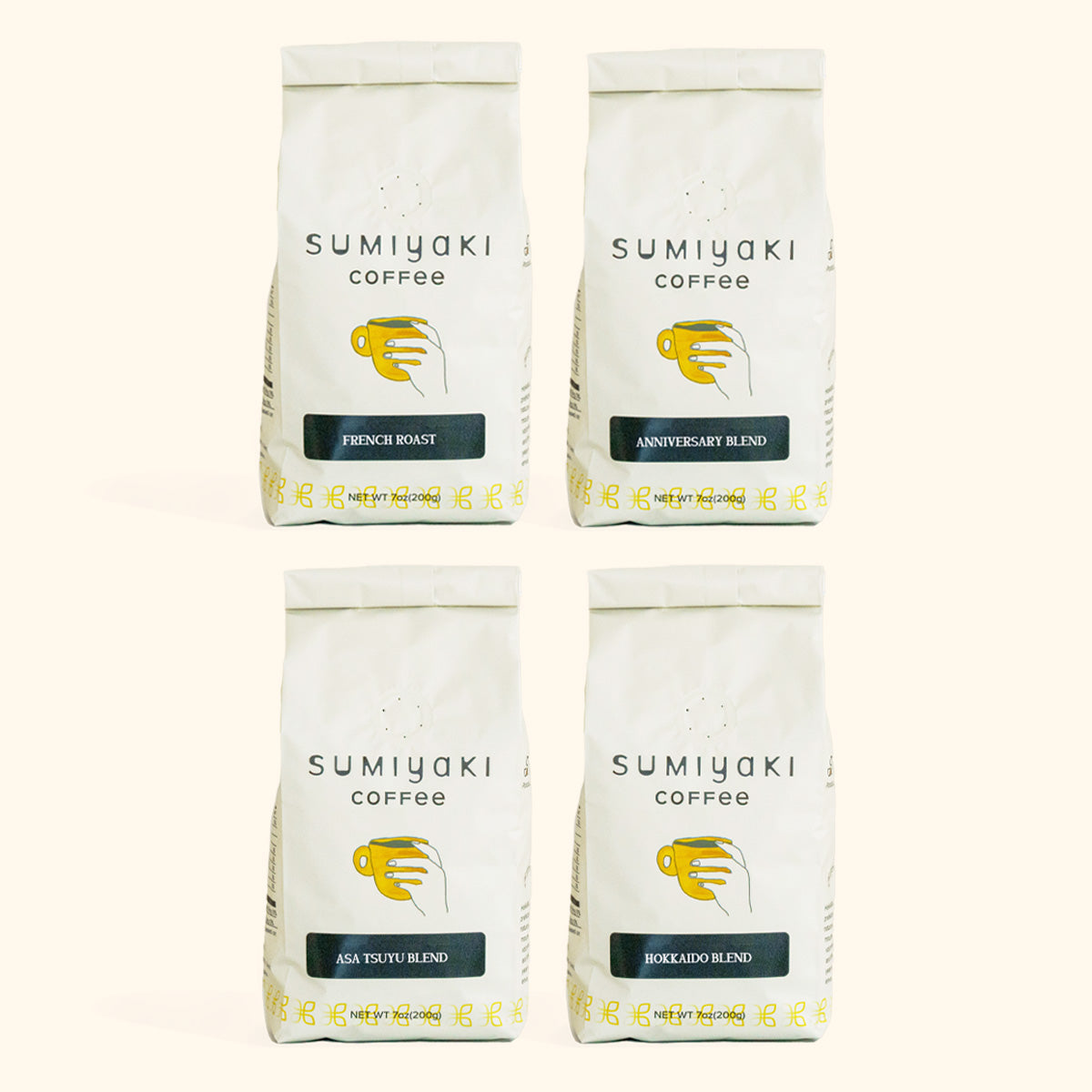
Get 30% off for a limited time when you purchase this special Combination Set featuring four of our most popular Premium Blend Sumiyaki Coffees. Your order will include four 200g packages: Anniversary Blend Coffee (Colombia, Brazil, Indonesia), the fruity favorite originally created for Sapporo Coffee Kan’s 30th anniversary; Asa Kiri Blend, a light roast with pure coffee flavor and a soft touch of sourness; Hokkaido Blend, the signature house blend beloved for its rich and balanced taste; and French Roast Blend, a dark, smoky roast perfect for pairing with milk or crafting café au lait and coffee cocktails. All beans are roasted to order under the expert blending tradition of Sapporo Coffee Kan, led by Ito Eiichi, the renowned “King of Blenders” in Japan, ensuring every cup is a masterful balance of flavor and aroma.

FAQs about How Roasting Affects Coffee Taste

How does roast level actually change how coffee tastes?

Roast level controls which flavor compounds dominate the cup. Light roasts (290-410°F internal bean temperature, brief total roasting time) preserve the delicate aromatic compounds — fruit notes, floral character, bright acidity. Medium roasts (430-440°F, slightly longer roasting) develop balance — chocolate and caramel notes emerge while preserving some origin character. Dark roasts (460-480°F, longer roasting) develop dominant roasted character — chocolate, smoky, bittersweet notes overwhelm origin character.

The chemistry: roasting drives Maillard reactions (browning, complex flavor development) and caramelization (sweetness development). Light roast preserves more of the bean's pre-existing flavor compounds; dark roast creates more roast-derived flavor compounds. Same bean roasted three different ways produces three meaningfully different cups.

Most U.S. specialty coffee skews medium-light to medium roast level — preserves bean character while developing modest roasted complexity. Italian-style espresso roasting goes darker for fuller body. Japanese-style charcoal roasting (sumiyaki) produces medium-dark with cleaner finish than typical Western dark roasts.

Why do some roasters do extra-light or extra-dark roasts?

Different design intents. Extra-light roasts (sometimes called "Nordic-style" after Scandinavian specialty coffee culture) emphasize maximum bean character preservation — fruit, floral, and acidic notes are prominent. The brewing brings out the bean's pre-existing chemistry rather than developing roast-derived character.

Extra-dark roasts (Italian, French roast levels) emphasize roast-derived character. The bean's origin is mostly obscured; what's left is roast-developed chocolate, smoky, and bittersweet notes. These roasts work well for espresso brewing where pressure extraction needs darker roasts to develop crema and body.

Each extreme has its audience. Specialty third-wave drinkers often prefer extra-light. Italian-tradition espresso drinkers often prefer extra-dark. Most casual coffee drinkers prefer medium roasts that don't go to either extreme. Match roast level to your taste preferences and brewing method.

How do I figure out which roast level I prefer?

Side-by-side tasting. Buy small amounts of the same coffee origin at three different roast levels (light, medium, dark) — many specialty roasters offer this comparison directly. Brew each at the same parameters (V60 pour-over, same ratio, same temperature). Taste alternately, taking notes on which produces the most enjoyable cup for you.

Most drinkers discover they have a preferred roast range rather than a specific roast level. Some people consistently prefer medium-light (light enough for fruit but balanced enough for daily drinking). Some prefer medium-dark (developed character without going aggressive). Few people genuinely prefer the extremes.

Test roast preference with multiple origins. You may prefer light roast for Ethiopian (preserves the floral character) but medium-dark for Indonesian (develops the body that Indonesian beans want). The roast-origin combination matters; preferences may vary by origin rather than being universal.

Does roast level matter more than bean origin?

Comparable importance, different effects. Roast level dominates the dominant flavor profile (you taste roast-derived character at any roast level above light); origin determines the specific flavor character within that roast envelope (Ethiopian fruit notes vs Brazilian nutty vs Sumatran earthy still come through differently across origins at the same roast).

Practical: a darker-roasted Ethiopian still tastes recognizably Ethiopian (some fruit and floral character survives even at medium-dark roast). A lighter-roasted Sumatran tastes recognizably Sumatran (some earthy character comes through even at medium-light roast). But the dominant character shifts based on roast level. The Hokkaido Blend demonstrates this — Colombian and Brazilian beans get charcoal-roasted to develop deeper character that the same beans wouldn't show at light roast.

Both variables matter. Don't fixate on one. Specialty coffee customers usually develop preferences across both axes ("I like medium-roasted Ethiopian" rather than just "I like Ethiopian" or "I like medium roast"). The combination rather than either single variable defines your specific palate position.

Can roasting compensate for bad-quality beans?

Partially. Aggressive dark roasting can mask off-flavors in lower-quality beans by developing dominant roast character that overwhelms underlying defects. This is why mass-market commodity coffee tends toward medium-dark roast — the roasting hides what would otherwise be flat or defective flavor character.

Light roasting reveals bean quality. Light-roasted commodity coffee tastes flat, lifeless, defective compared to light-roasted specialty coffee. The light roast doesn't develop enough roast character to mask underlying bean issues; what you taste is the bean directly.

Practical: trust specialty roasters' roast level decisions for their specific beans. A specialty roaster choosing medium-light roast for a Geisha is preserving the bean's distinctive character; a specialty roaster choosing medium-dark for a Brazilian blend is developing the bean's body and chocolate notes. The roast decisions are intentional, not random. Trust the roaster's specific calibration to their specific beans.


Related Articles You May Be Interested

How Season Affects the Taste of Coffee
What to know about Roasting when it comes to Premium Coffee
What is So Special About Sumiyaki Charcoal Roasting?
About Sapporo Coffee Kan - The Roaster
How to Brew Tasty Japanese Sumiyaki Coffee - Quick Guide
How  to Brew Tasty Japanese Sumiyaki Coffee - Quick Guide

Get Free Bonus Books

Join Japanese Coffee Club

Sign up for free to the Coffee Club to get advice and exclusive articles about how to choose Japanese Coffee, and tips, tricks, and recipes for enjoying Japanese coffee.

Unsubscribe anytime. It’s free!

About the author

Kei Nishida

Author, CEO Dream of Japan

info@japaneseCoffeeCo.com

Certification: PMP, BS in Computer Science

Education: Western Washington University

Kei Nishida is a passionate Japanese tea and coffee connoisseur, writer, and the founder and CEO of Japanese Coffee Co. and Japanese Green Tea Co., both part of Dream of Japan.

His journey began with a mission to introduce the world to the unparalleled quality of Japanese green tea. Through Japanese Green Tea Co., he established the only company that sources premium tea grown in nutrient-rich sugarcane soil—an innovation that led to multiple Global Tea Champion awards.

Building on this success and his passion for Japanese craftsmanship, Kei expanded into the world of coffee, pioneering the launch of Japanese Coffee Co., the first company to bring Sumiyaki charcoal-roasted coffee to a global audience. His dedication to authenticity and quality ensures that this traditional Japanese roasting method, once a well-kept secret, is now enjoyed worldwide.

Beyond tea and coffee, Kei has also introduced Japan’s legendary craftsmanship to the world through Japanese Knife Co., making handmade katana-style knives—crafted by a renowned katana maker—available outside Japan for the first time.

Kei’s journey continues as he seeks out and shares the hidden treasures of Japan, one cup and one blade at a time.

Learn more about Kei

Related Posts

How to Make Japanese Coffee Jelly
How to Make Japanese Coffee Jelly (with Video Recipe)

Step up your coffee game with this unique Japanese coffee jelly recipe! Impress your guests and satisfy your sweet tooth

Read More
Balmuda Brings Japanese Lifestyle to Brooklyn – My First-Hand Journey at Cibone O’te

Step into Brooklyn’s ‘Little Tokyo’ where timeless Japanese craftsmanship meets sleek innovation—dashi, design, and dram

Read More
Exciting News: We Acquired the History of Katana YouTube Channel!

Welcome to the famed History of Katana YouTube Channel—unlocking rare stories, epic blades, and what comes next. Curious

Read More
Leave a comment

Your email address will not be published..

Cart

Your cart is currently empty.

Start Shopping

Select options