Skip to content

How Season Affects the Taste of Coffee

It might seem strange to talk about seasonality when it comes to coffee. Usually, the focus is not on seasonality but rather on a quality that is as constant as possible. The coffee should always taste the same, whether in May or December.

Seasonality is, however, very relevant to how you buy premium coffee, which is why we want to talk to you about it today.

Coffee cherry

Here’s what we are going to cover:

How Season Affects the Taste of Coffee?

You have probably already heard the phrase "coffee is a fruit". What that means is that the coffee bean is actually the seed of the coffee cherry, which is part of the coffee cherry tree.

The coffee cherry is a fruit, and much like other fruits, it is seasonal. So, in short, when talking about premium coffee seasonality, we mean the time of year when the coffee is the freshest based on when it was harvested.

To a degree, it’s the job of the roaster to know which coffee is in season. After that, it all depends on where you are buying your coffee is in season. After that, it all depends on where you are buying your coffee. If you visit a coffee shop that only sells premium coffee, you will notice they change their coffee quite frequently as the months go by.

This probably means they are in line with coffee seasonality. It’s very unlikely that you will find the same thing in the supermarket.

How does the coffee cherry grow?

It all starts during the dry season. The drought means stress for the coffee plant. It is in a struggle for survival and wants to reproduce. Towards the end of the dry season, the tree forms small spikes of unopened flowers.

coffee cherry

Now the tree waits for days to weeks for the rain. It is awesome how finely the trees react to changes in the weather. When the first rains come it takes exactly seven days until the flowers open. The trees bloom for three to four days and have an intense scent of jasmine.

When the flower has been pollinated, small pinheads form at the basis for the fruit. The fruit begins to grow quite quickly. In total, it takes six to eight months for the coffee cherries to be ripe and red.

Harvest timing is everything

The coffee trade is heavily dependent on the local harvest times. Coffees are grown in the northern hemisphere (Mexico, Central America, northern Colombia, Ethiopia, Kenya) are at their peak season from early summer into fall.

On the other hand, coffees are grown in the southern hemisphere (Brazil, southern Colombia, Peru, Burundi, Rwanda, Papua New Guinea) generally reach their peak from early winter into spring.

So roasters have to wait for the perfect time when freshness and quality are optimal. That takes a lot of experience and an active exchange with local producers and exporters.

Back to top

Kenya: A seasonality example

Kenya is on the equator, just like Colombia or Indonesia. As a result, the country has two rainy seasons. Accordingly, there are two periods in which the coffee trees bloom: The first window is in March / April. This then results in a harvest from October to December.

The second period is in September / October which in turn leads to a harvest from April to June. Interestingly, certain trees produce two harvests while others only produce one harvest.

coffee harvest

There are basically three factors here: the location, the height, and the type of cultivation. If the tree is exactly on the equator, it can be assumed that it will produce two harvests. The height in turn means that the maturation process takes more time.

And finally, a well-organized farm tries to influence the cycle of trees in order to enable the simplest possible cultivation. For example, you can water the trees at the right moment so that they bloom at the same time. Plant psychology plays an enormous role and is extremely complex.

Why seasonality matters

Well, the answer here is as simple as you can imagine: flavor. Coffee that has been harvested too early and is too “young”, will taste grassy, partly like vegetables. The body will be rather thin and watery. The espresso can develop a sharp acidity because the acid has not yet been nicely integrated.

Coffee that’s too old on the other hand will taste like straw. Very, very old coffees turn woody and ashy. The sweetness almost completely disappears. So having basic knowledge about coffee seasonality and when to avoid it will definitely elevate your premium coffee experience.

Back to top

Which coffee should you choose?

Actually, the first question you should be asking is where to buy your coffee from. Your best bet for buying premium seasonal coffee is either to buy it from a good coffee shop or online.

It’s easy to tell if the beans sold in a coffee shop are seasonal because they would be rotated throughout the year. What’s more, you can simply ask the baristas. If they mean business then they should be able to answer.

japanese coffee

Buying online is also a good option, especially if you are buying directly from the roasters’ website. There you should find all the information you need regarding the coffee you are going to purchase.

To help you choose the right coffee, here’s our tip:

  • From late winter until early summer, buy Northern Hemisphere coffees.
  • From late summer to early winter, buy coffee that has grown below the Equator.

Final Thoughts

Coffee for many of us is such a big part of our lives but we rarely stop to think where it comes from and that it is the seed of a fruit. However, this is changing, as more and more people become aware of its amazing qualities.

Seasonality is a big part of the story of coffee and a factor that influences its flavor and aroma on a big scale. Knowing a little bit about it will definitely help you make more educated choices when you buy coffee and will ultimately make your everyday brew taste much better.

FAQs about Season and Coffee Taste

Does coffee actually change with the season?

Yes — both at the farm and in the cup. Each coffee farm has one main harvest per year (or two for some equatorial regions). Beans from a strong harvest year taste different from a weak year. Even the freshness of the green beans matters: spring-harvested beans roasted in June are at their peak; the same beans roasted in March of the following year have started to fade.

How Climate Affects the Taste of Coffee

What is "fresh crop" coffee?

Coffee from the most recent harvest, typically within 6 months of arriving at the roaster. Fresh crop beans have peak vibrancy and complexity. After about a year, green coffee starts losing aromatic compounds even when properly stored. Our Colombia Caturra uses fresh-crop beans whenever the harvest cycle allows.

Does my coffee taste different in summer vs winter?

Possibly, but for different reasons. The bag in your kitchen tastes the same — but humid summer air accelerates roasted-bean staling. Winter heating dries indoor air, which can also affect storage. Practical fix: airtight containers with one-way valves, room-temperature storage, smaller bag sizes you finish faster.

Should I drink different coffee in different seasons?

Honestly, yes — many serious drinkers do. Summer = lighter roasts and iced-friendly profiles (our Asa Tsuyu shines flash-brewed). Winter = deeper roasts and full-bodied warmth (Yuki Sora or French Roast). The seasonal swap keeps coffee feeling fresh as a ritual.

Are seasonal coffee releases a real thing?

Yes — many specialty roasters do limited seasonal releases tied to harvests or holidays. Our Seasonal collection covers PNG and other limited-time origins. Sakura Blend in spring is another seasonal favorite. Sign up for our newsletter to catch them — they sell out quickly.

Related products

3 reviews

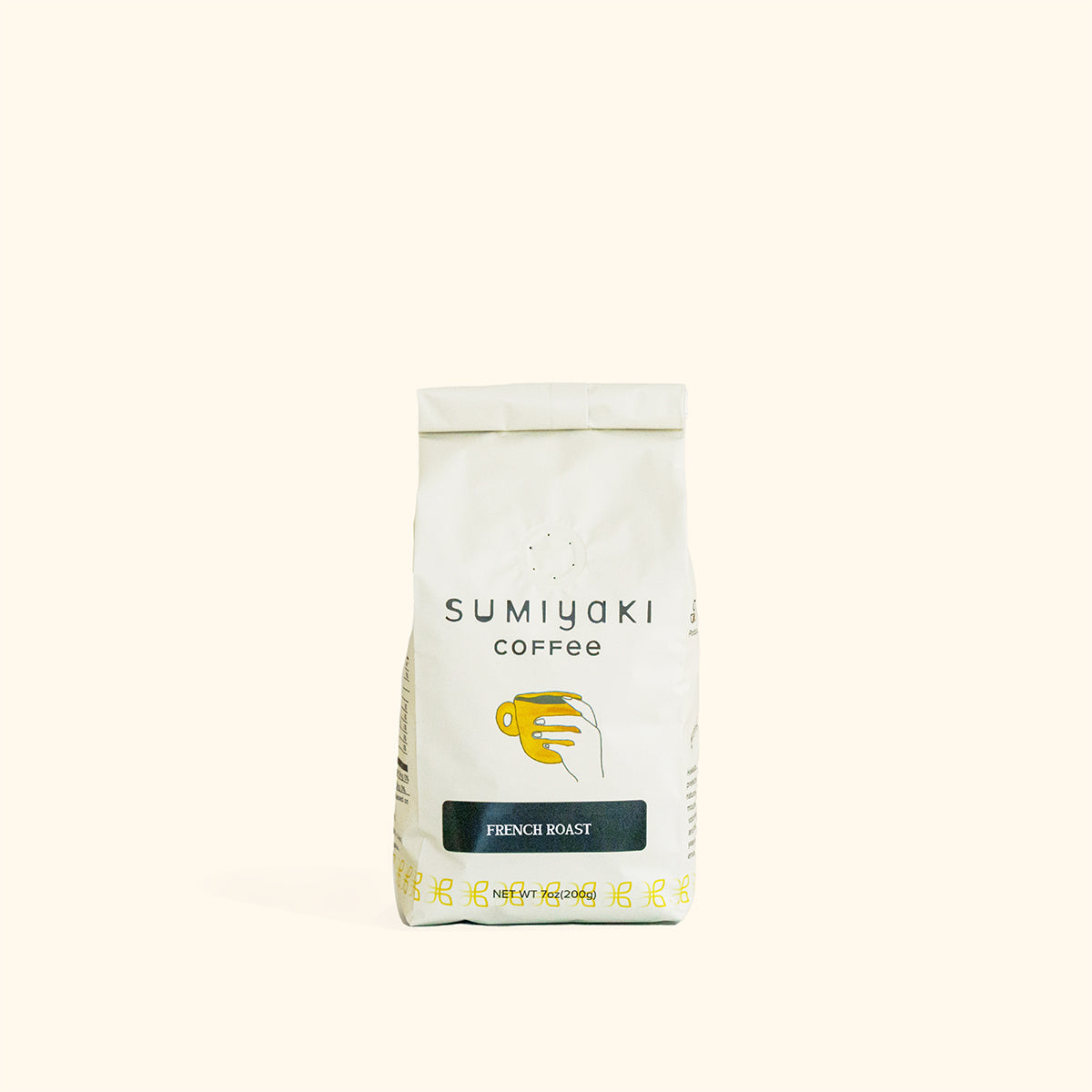
French Roast Blend (Colombia, Brazil, Indonesia)

USD $25.00 USD $19.99
Quick view

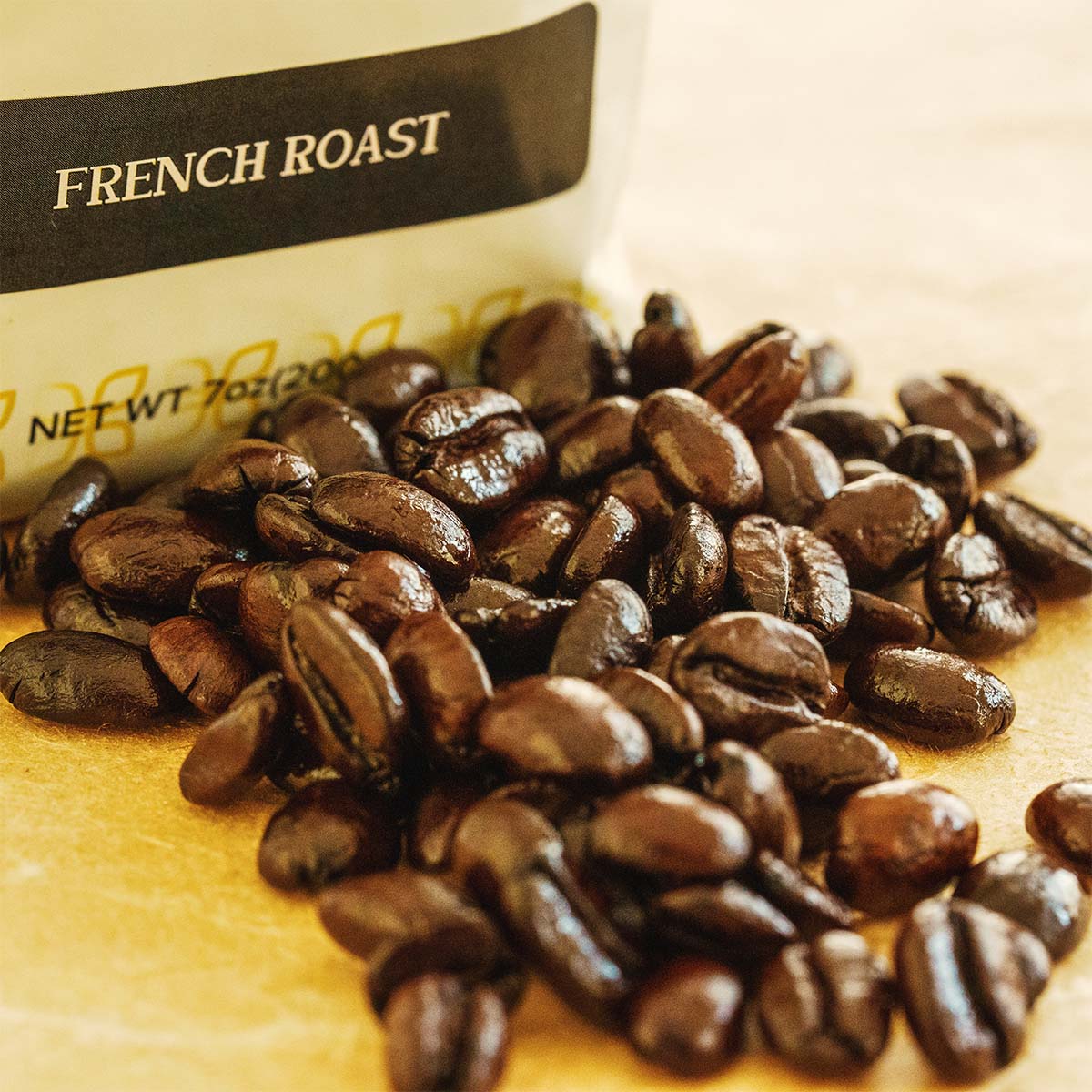
Experience the dark side of coffee with our French Roast Blend, crafted from a rich combination of beans from Colombia, Brazil, and Ethiopia. This bold blend features low acidity, a heavy body, and deep, smoky flavors, achieved by roasting the beans at a high temperature that brings their natural oils to the surface. Versatile and full of character, it delivers exceptional taste both with and without milk, making it perfect for café au lait, iced coffee, or even coffee-based cocktails with a splash of brandy.

3 reviews

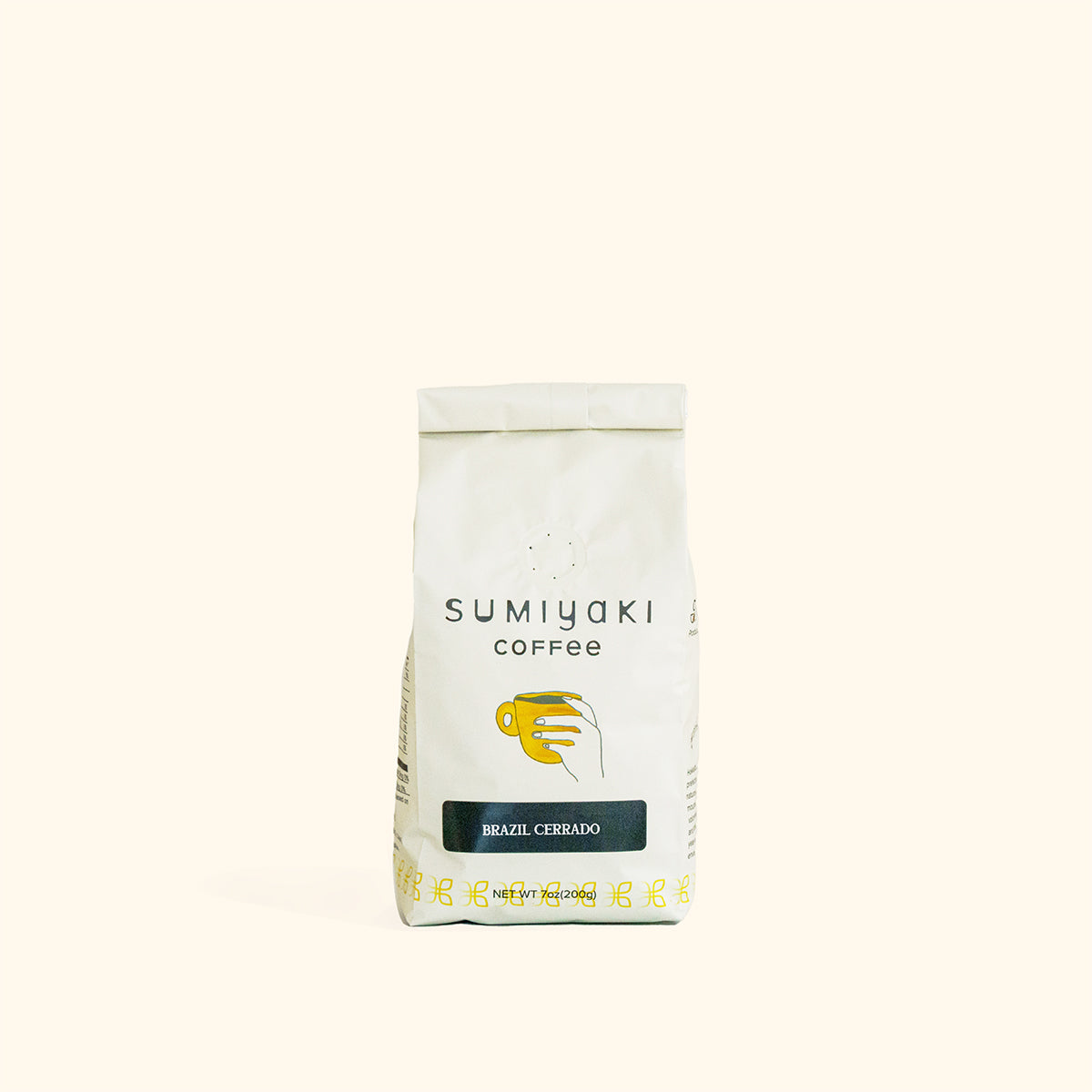
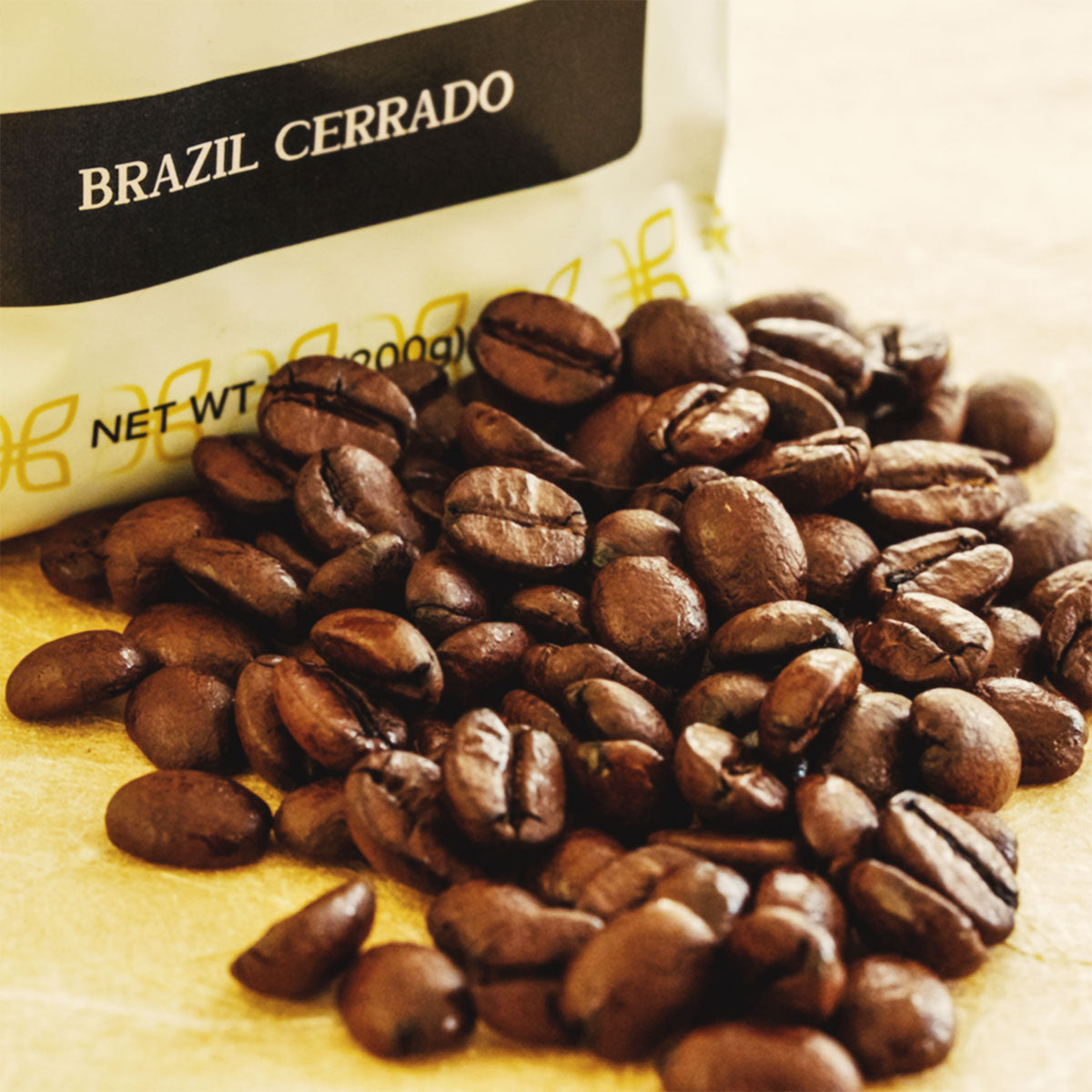
Brazil Cerrado - Arabica Catuai

USD $35.00
Quick view

This exclusive contract farm coffee from Brazil’s Cerrado region comes from the Shimada Plantation, managed by third-generation Japanese American coffee producer Hugo Shimada. Since 2018, a direct partnership has connected us to this farm, located in the Patrocínio municipality of Minas Gerais, a renowned area for producing exceptional coffee. To preserve the beans' natural sweetness and distinctive character, the coffee is processed using the natural method, allowing the beans to stay in contact with the ripened cherry longer and absorb its rich flavors. Stored carefully and aged in the cherry form, this process brings out a deep, sweet, and vibrant profile in every cup. To ensure even higher quality, production is limited to a select 247-hectare area, capturing the true individuality and excellence of the Cerrado terroir.

16 reviews

Hokkaido Blend (Colombia, Brazil, Honduras, Indonesia)

USD $25.00
Quick view

Sapporo Coffee Kan's most popular and long-selling signature blend, known as "the house blend," offers a rich, full-bodied coffee experience with a pleasant, mild bitterness and a mellow taste. Crafted by adding the finest Mandheling Berkat Lingtong beans to the blend, it achieves a rare balance—delivering depth and complexity without the sharp acidity often found in other coffees. For those who prefer a smoother, less acidic cup without sacrificing richness and flavor, this special house blend truly hits the spot.

5 reviews

Select Blend Combination Set (Get 30% Off)

USD $110.00 USD $77.00
Quick view

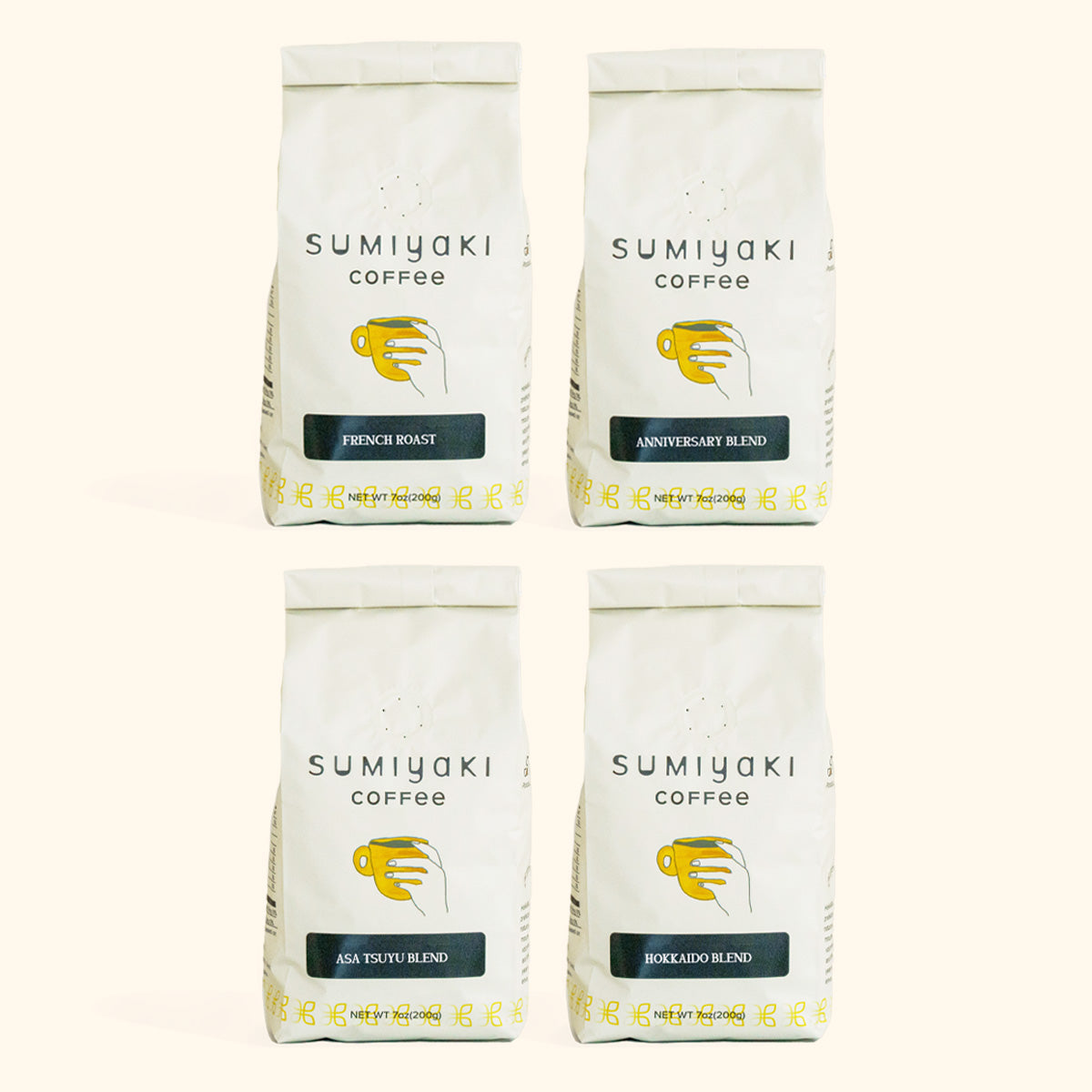
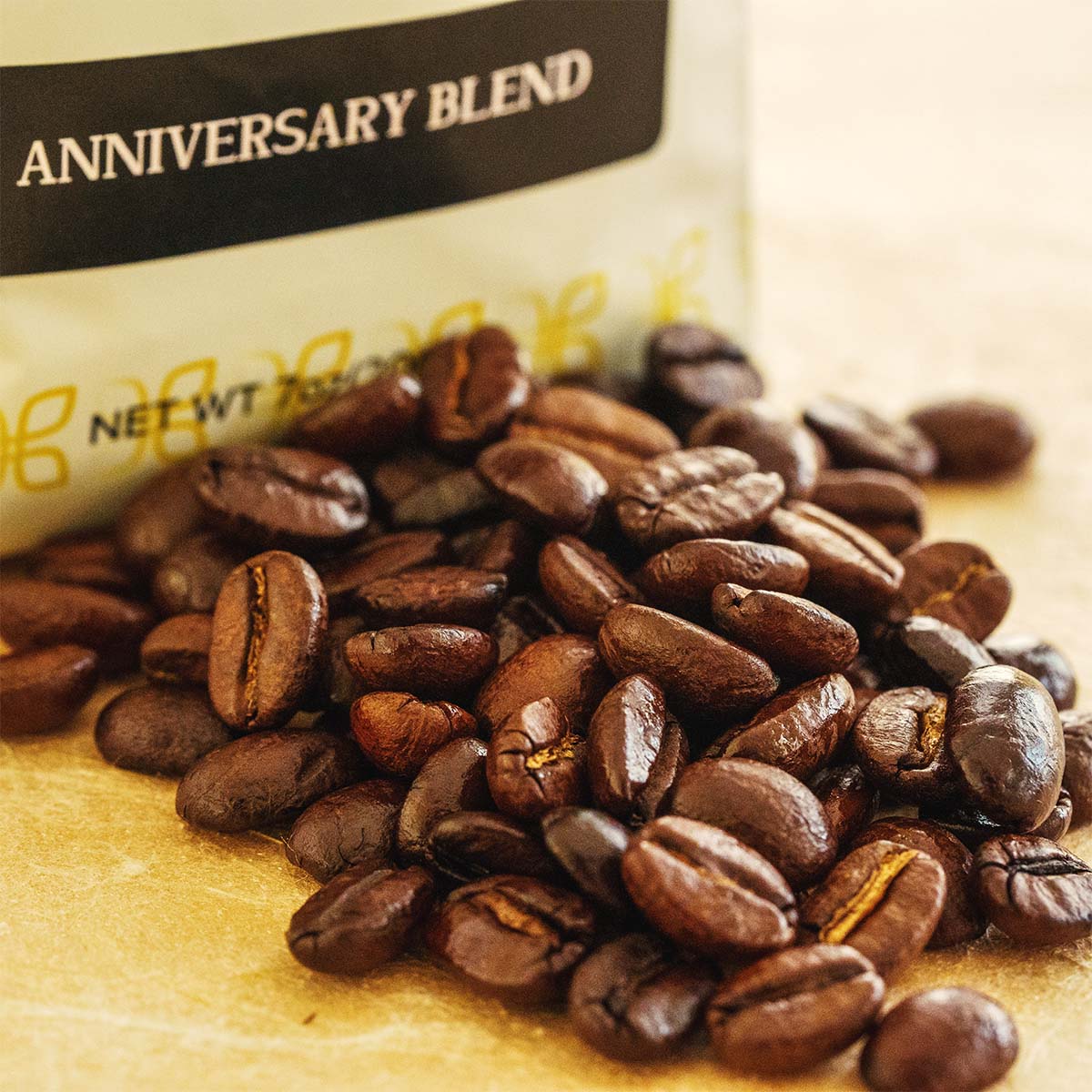
Get 30% off for a limited time when you purchase this special Combination Set featuring four of our most popular Premium Blend Sumiyaki Coffees. Your order will include four 200g packages: Anniversary Blend Coffee (Colombia, Brazil, Indonesia), the fruity favorite originally created for Sapporo Coffee Kan’s 30th anniversary; Asa Kiri Blend, a light roast with pure coffee flavor and a soft touch of sourness; Hokkaido Blend, the signature house blend beloved for its rich and balanced taste; and French Roast Blend, a dark, smoky roast perfect for pairing with milk or crafting café au lait and coffee cocktails. All beans are roasted to order under the expert blending tradition of Sapporo Coffee Kan, led by Ito Eiichi, the renowned “King of Blenders” in Japan, ensuring every cup is a masterful balance of flavor and aroma.

Asa-Yuu Blend Duo (Get 20% Off)

USD $50.00 USD $39.00
Quick view

Meet the Asa-Yuu Blend Duo (朝夕): a roasted-to-order set featuring Asa Tsuyu (light roast, Colombia/Brazil/Ethiopia) and Hokkaido (medium roast, Colombia/Brazil/Honduras/Indonesia). Bright in the morning, smooth and balanced through the day—now 20% off for a limited time.


Related Articles You May Be Interested

How Soil Affects the Taste of Coffee
How Climate Affects the Taste of Coffee
SDGs and Coffee
SDGs and Coffee
How Harvesting and Processing Technology Affects the Taste of Coffee
How Roasting Affects Taste of Coffee
7 different Arabica varieties that are cultivated in Colombia
Commodity Vs Premium Coffee
Top 10 Most Exotic Premium Coffees
Brewing Tips for Premium Coffee
Coffee Flavor Terminology - Everything You Need to Know
How Grinding Affects the Taste of Coffee

Get Free Bonus Books

Join Japanese Coffee Club

Sign up for free to the Coffee Club to get advice and exclusive articles about how to choose Japanese Coffee, and tips, tricks, and recipes for enjoying Japanese coffee.

Unsubscribe anytime. It’s free!

About the author

Kei Nishida

Kei Nishida

Author, CEO Dream of Japan

info@japaneseCoffeeCo.com

Certifications: PMP, BS in Computer Science

Education: Western Washington University

Kei Nishida is a passionate Japanese tea and coffee connoisseur, writer, and the founder and CEO of Japanese Coffee Co. and Japanese Green Tea Co., both part of Dream of Japan.

His journey began with a mission to introduce the world to the unparalleled quality of Japanese green tea. Through Japanese Green Tea Co., he established the only company that sources premium tea grown in nutrient-rich sugarcane soil—an innovation that led to multiple Global Tea Champion awards.

Building on this success and his passion for Japanese craftsmanship, Kei expanded into the world of coffee, pioneering the launch of Japanese Coffee Co., the first company to bring Sumiyaki charcoal-roasted coffee to a global audience. His dedication to authenticity and quality ensures that this traditional Japanese roasting method, once a well-kept secret, is now enjoyed worldwide.

Beyond tea and coffee, Kei has also introduced Japan’s legendary craftsmanship to the world through Japanese Knife Co., making handmade katana-style knives—crafted by a renowned katana maker—available outside Japan for the first time.

Kei’s journey continues as he seeks out and shares the hidden treasures of Japan, one cup and one blade at a time.

Related Posts

A Walk Through Osaka's Coffee District: Six Standout Coffee Shops on a One-Hour Stroll

Sapporo-based writer Graham Hill walks the streets of Osaka with us, profiling six very different coffee experiences — p

Read More
Behold: Balmuda's "The Brew" - Tokyo-based design powerhouse brings their coffee maker to the US
Behold: Balmuda's "The Brew" - Tokyo-based design powerhouse brings their coffee maker to the USA

Experience Balmuda's excellent coffee machine as Tokyo's design influence makes its way to the United States. This cutti

Read More
Everything You Need to Know About Papua New Guinea Coffee — And Its Surprising Connection to Japan

PNG coffee has deep ties to Japan — from Blue Mountain roots to today's specialty scene. Meet Baroida Estate and try our

Read More
Leave a comment

Your email address will not be published..

Cart

Your cart is currently empty.

Start Shopping

Select options