How to Brew Tasty Japanese Coffee and Japanese Tea - Video - By Kei Nishida
I was lucky to be able to host a live session on Japan Fair 2021 on June 26th 2021.
This is a reply of the video posted by Japan Fair.
I hope you enjoy!
Video Length: 50 minutes 49 seconds
What I Cover in the Video above
- How to brew Tasty Japanese Coffee
- What is Japanese Coffee
- How to Brew Japanese Coffee
- Tasty Coffee Tips 1 - Grinding
- Tasty Coffee Tips 2 - Auto Coffee Machine
- Tasty Coffee Tips 3 - Golden Ratio
- Tasty Coffee Tips 4 - More easy tips and tricks
- How to brew Tasty Japanese Tea (Sorry, I didn't have much time for this part due to time limit...)
- Q & A
Download the Presentation
Click here to download the presentation that I am using in the video above.
FAQs about Brewing Tasty Japanese Coffee and Tea
Can I use the same equipment for both Japanese coffee and Japanese tea brewing?
Some overlap, some category-specific equipment. Variable-temperature electric kettle: useful for both (175°F for sencha, 200°F for pour-over coffee). Small kitchen scale: useful for both (precision matters in brewing both categories). Quality water source: same requirement for both.
Category-specific equipment doesn't substitute well. A kyusu (Japanese teapot) doesn't work for coffee; a V60 dripper doesn't work for tea. The brewing-vessel side requires separate equipment. Same goes for grinders — coffee grinders don't grind matcha effectively (matcha requires stone grinding for proper particle size); matcha sifters don't work for coffee.
Practical: investing in shared equipment (kettle, scale, water filter) covers both beverages efficiently. Then add category-specific equipment as needed. A single-purpose kettle that costs $60 serves both daily coffee and daily tea practice; investing in two separate kettles produces no benefit.
Should I learn to brew coffee or tea first if I'm interested in both?
Coffee is generally easier to learn well; tea has higher ceiling of complexity. Pour-over coffee with a V60 follows fairly mechanical principles — temperature, time, ratio, grind size — with relatively quick feedback on whether the brew is good. Sencha and matcha brewing have more variables (water temperature is much more critical, brewing times shorter, equipment-specific technique) and longer feedback cycles for skill development.
Practical learning order: start with V60 coffee brewing (learn within 4-8 weeks of daily practice), add daily sencha tea brewing (learn within 2-4 weeks of daily practice on top of coffee skills), add matcha whisking (learn within 4-8 weeks of daily practice). Total path: 3-6 months from beginner to confident across all three.
Alternatively, you can develop both in parallel from day one if you're committed to daily practice. Coffee in the morning, tea in the afternoon, separate equipment, separate skill development. Slower individual progression but ends up at similar competence after 6-12 months.
Is the brewing philosophy of Japanese coffee similar to Japanese tea?
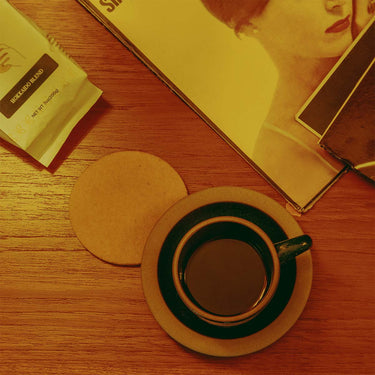
Surprisingly similar. Both Japanese coffee and tea traditions emphasize precise control of brewing variables (water temperature, time, ratio, grind/leaf size), careful attention during brewing, and respect for the underlying ingredient. The kissaten coffee tradition and the chanoyu tea tradition share more philosophical DNA than they share with Western or other Asian coffee/tea traditions.
The deliberate-attention component is what differentiates Japanese brewing philosophies from rushed Western consumer-grade preparation. Both coffee and tea benefit from being treated as worth-careful-attention rather than caffeine-delivery-systems. Many practitioners find that one daily ritual of careful Japanese coffee or tea brewing reshapes their broader relationship with food and drink. The Hokkaido Blend represents this philosophy in coffee form — deliberately roasted to reward careful brewing rather than tolerating rushed preparation.
If you've practiced Japanese tea ceremony or kissaten-style coffee preparation, the skills transfer to a meaningful degree. The motor patterns, the attention discipline, the temperature awareness all apply across both. Worth experiencing both if you can — the cross-pollination deepens both practices.
What's the right starter equipment for someone interested in both Japanese coffee and tea?
Five core pieces. Variable-temperature electric kettle ($40-80): essential for both. Small digital kitchen scale ($15-25): essential for both. Glass V60 dripper size 02 ($25): for coffee. Tokoname kyusu 200ml ($30-60): for sencha tea. Bamboo chasen + chawan + chashaku set ($30-50): for matcha. Total: $140-240 for a complete dual-coffee-tea starter setup.
Add over time: small specialty grinder ($60-150) for fresh coffee grinding; specialty water filter pitcher ($30-50) for water quality; dedicated tea storage tin ($15-25); coffee bean storage container with one-way valve ($25-40). The expanded setup ($300-500 total) produces noticeably better results across both beverages.
Don't try to build the complete setup before starting practice. Begin with the kettle + V60 + chasen kit; develop skills with these basics; add equipment as you identify specific needs. Many home practitioners realize they don't actually need particular equipment after months of practice; buying upfront produces unused equipment.
Should I buy Japanese coffee and Japanese tea from the same brand or different brands?
Same parent company can work; specialty within each category often produces better individual results. Dream of Japan operates both JPCo (Japanese tea) and Japanese Coffee Co. (Japanese coffee) under the same parent — the brand-trust and quality consistency carries across both. Customers benefit from familiar brand experience across both beverages.
Alternative: choose specialty brand within each category based on specific quality and preference fit. JPCo for daily Japanese green tea; a specialty coffee roaster like Counter Culture or Onyx for daily coffee. The category-specialization can produce slightly higher peak quality but adds complexity to the customer relationship.
Practical: starting with a single parent-company brand (Dream of Japan brands) covers both categories with consistent quality and brand experience. After 6-12 months of practice and palate development, you can branch to category-specific specialty brands as preferences sharpen. The sequential approach beats trying to optimize for peak-quality from the first purchase.
Related products
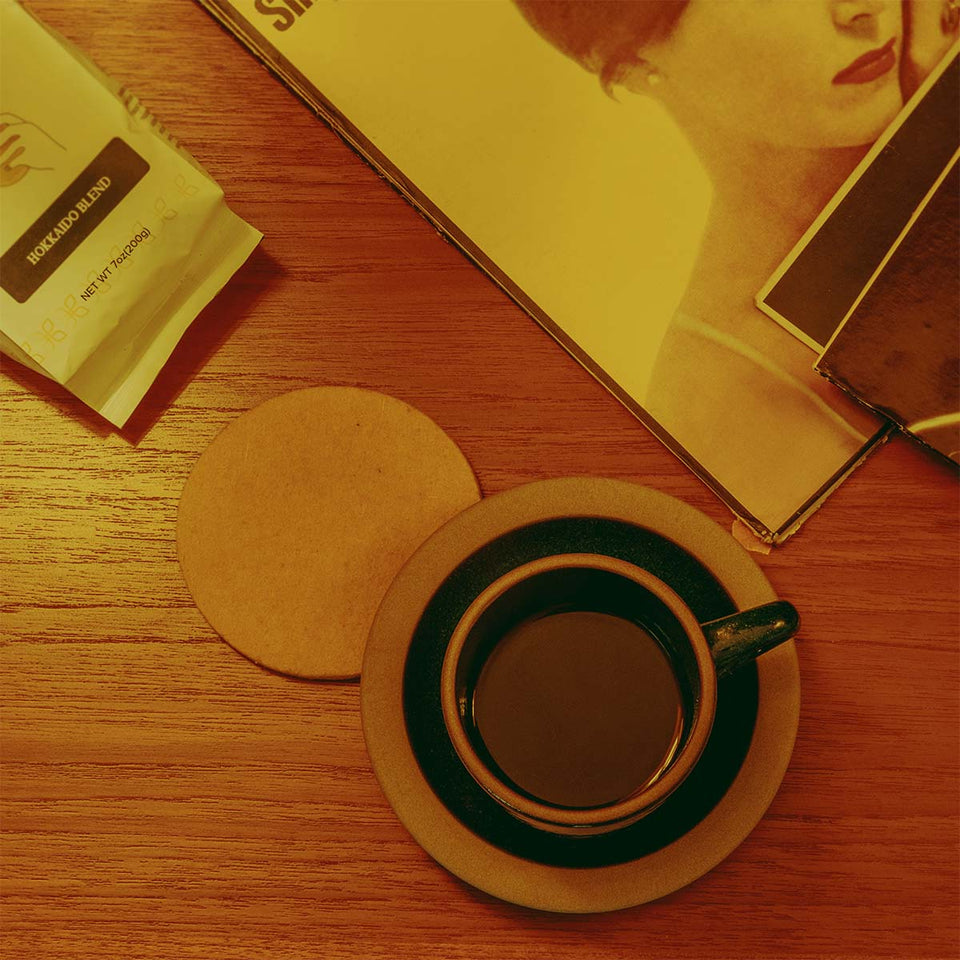
Hokkaido Blend (Colombia, Brazil, Honduras, Indonesia)
Sapporo Coffee Kan's most popular and long-selling signature blend, known as "the house blend," offers a rich, full-bodied coffee experience with a pleasant, mild bitterness and a mellow taste. Crafted by adding the finest Mandheling Berkat Lingtong beans to the blend, it achieves a rare balance—delivering depth and complexity without the sharp acidity often found in other coffees. For those who prefer a smoother, less acidic cup without sacrificing richness and flavor, this special house blend truly hits the spot.
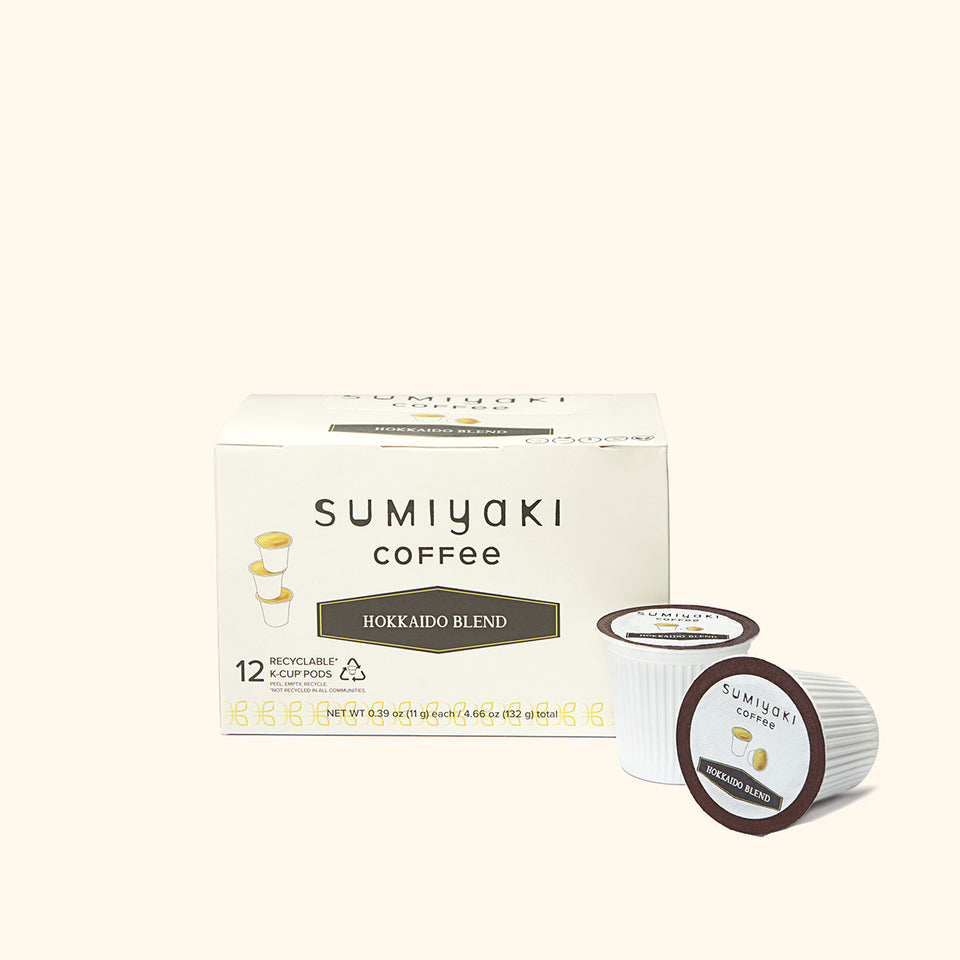
Hokkaido Blend K-Cups Pods (12 Count)
Hokkaido Blend K-Cup Pods bring the rich, balanced flavor of Sapporo Coffee Kan’s famous sumiyaki roasted coffee into a convenient single-serve format, making it easy to enjoy authentic Japanese quality at home. Crafted with the highest quality pods to preserve aroma and flavor, these K-Cups offer a bold, full-bodied experience without sacrificing freshness or taste. Each pod captures the depth and richness of traditional sumiyaki roasting, a special charcoal-roasting method that enhances flavor while reducing acidity. Featuring a built-in paper filter and designed for quick, easy brewing, Hokkaido Blend K-Cups are perfect for busy mornings or whenever you crave a perfectly brewed cup of coffee.
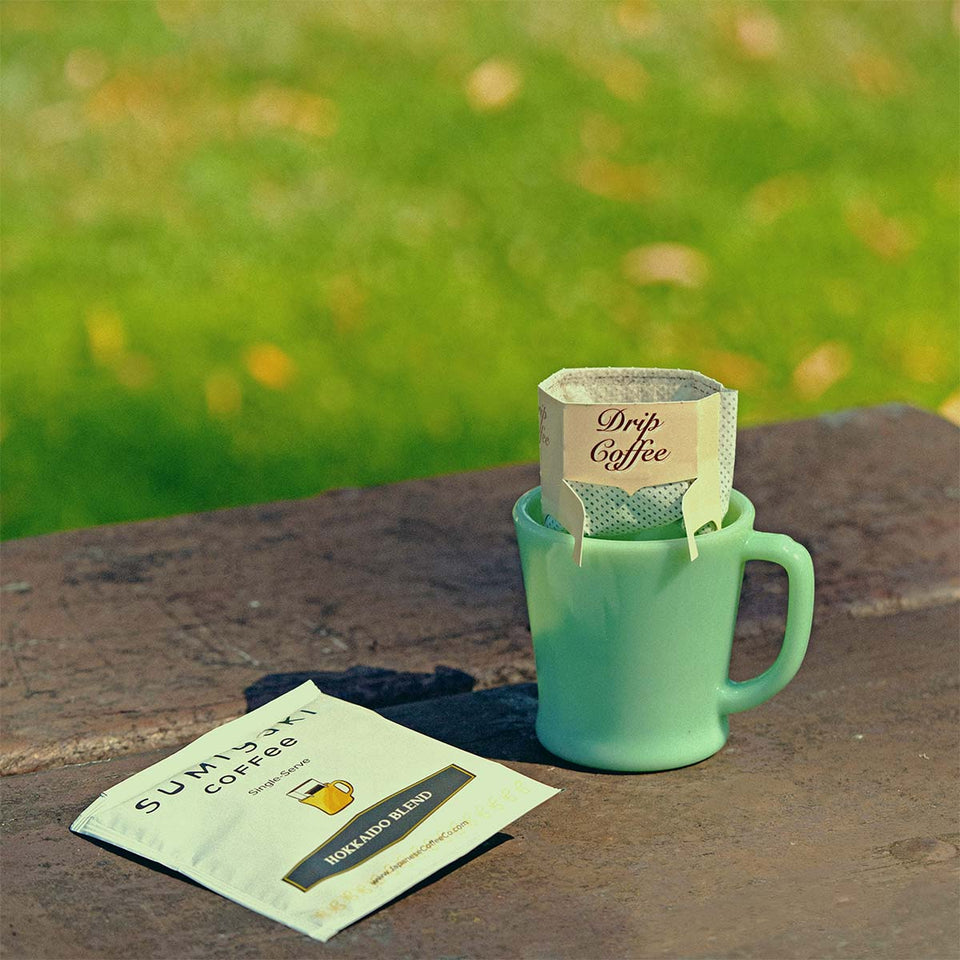
Hokkaido Blend Single-Serve Pour-Over - Disposable Filter Bag
The Single-Serve Disposable Filter Bag (Cup-On) is an ingenious coffee-brewing method that has been popular in Japan for quite some time but remains lesser known elsewhere. Designed to hold the perfect amount of ground coffee for a single cup, each filter bag features a clever paper structure that securely stabilizes onto your cup—just pour hot water, and voilà, a fresh and delicious drip coffee is ready with minimal effort and no special equipment. What sets this Cup-On apart from other pour-over filters is its unique 4-point system, an innovative design that prevents the filter from becoming soaked after pouring, ensuring a consistent and flavorful brew. Among the many variations of cup-on filters available in Japan, this premium version stands out for delivering an exceptional pour-over experience crafted for true coffee enthusiasts.
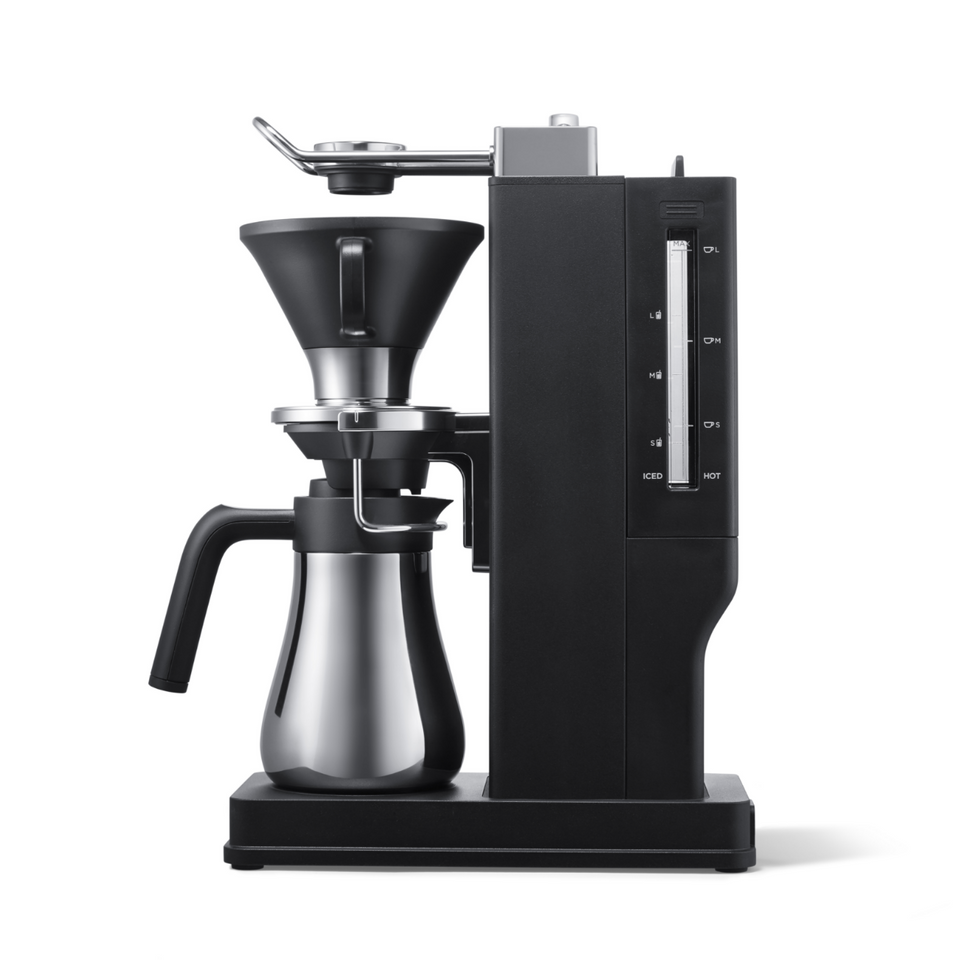
BALMUDA The Brew
BALMUDA The Brew brings the true taste of café-quality coffee into your home with its automated pour-over system.
With precise temperature control, ultra-accurate dripping, and a unique bypass pouring method, it creates a bold yet clean cup every time.
Its compact stainless steel and matte black design adds a refined presence to any space.
Choose from three modes—Regular, Strong, and Iced—each optimized for a perfect brewing experience.
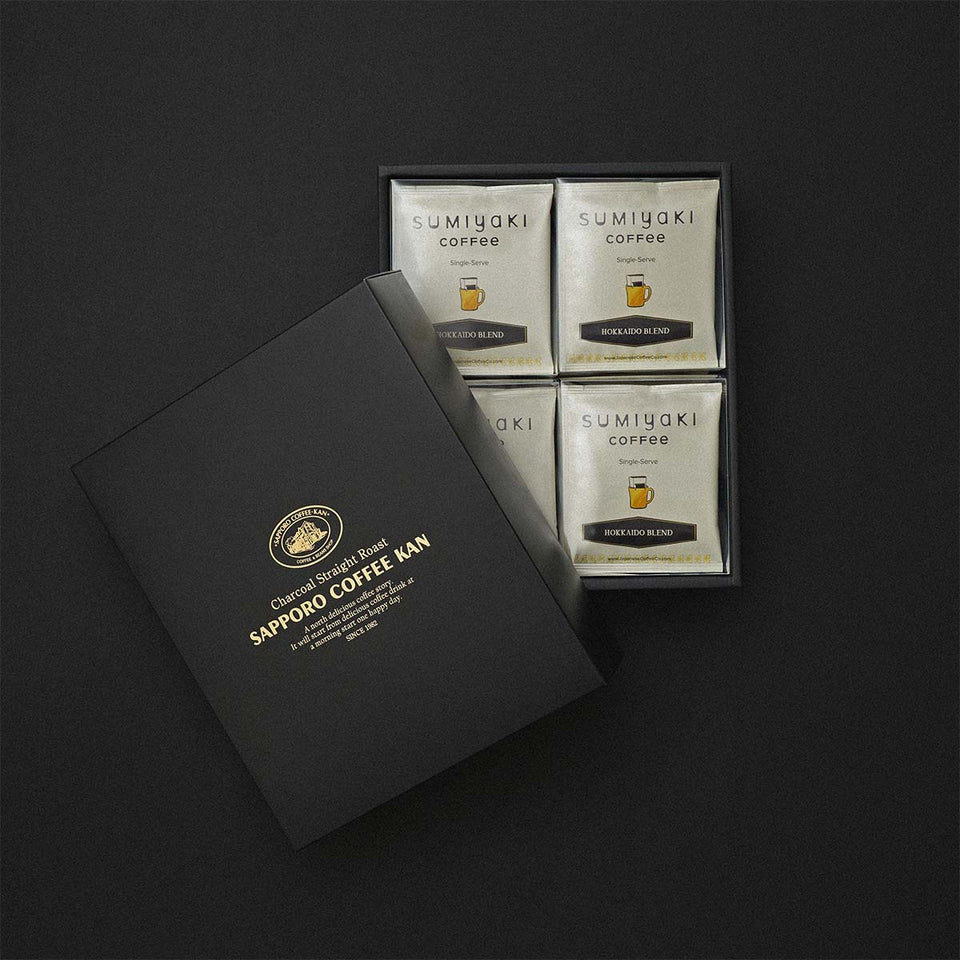
Hokkaido Blend Single-Serve Pour-Over Gift Box Set
Looking for the perfect gift for a coffee lover? This beautifully rustic gift set features four of our most popular Sumiyaki coffees, each portioned into single-serve disposable filter bags designed for an effortless pour-over experience. Each filter bag holds the ideal amount of ground coffee for one cup and includes a clever paper structure that stabilizes securely onto your cup—just pour hot water and enjoy a fresh, delicious brew with minimal effort. This ingenious brewing method, known in Japan as "Cup-On," brings the joy of café-quality drip coffee anytime, anywhere without the need for special equipment. The set includes 28 single-serve bags, and each package is thoughtfully designed with an easy-open cut line and a pro tip for optimal brewing: lightly tap the coffee grounds with a spoon to even the surface for a perfectly balanced cup.
Related Articles You May Be Interested
Get Free Bonus Books
Sign up for free to the Coffee Club to get advice and exclusive articles about how to choose Japanese Coffee, and tips, tricks, and recipes for enjoying Japanese coffee.
Unsubscribe anytime. It’s free!
About the author
Kei Nishida
Author, CEO Dream of Japan
Certifications: PMP, BS in Computer Science
Education: Western Washington University
Kei Nishida is a passionate Japanese tea and coffee connoisseur, writer, and the founder and CEO of Japanese Coffee Co. and Japanese Green Tea Co., both part of Dream of Japan.
His journey began with a mission to introduce the world to the unparalleled quality of Japanese green tea. Through Japanese Green Tea Co., he established the only company that sources premium tea grown in nutrient-rich sugarcane soil—an innovation that led to multiple Global Tea Champion awards.
Building on this success and his passion for Japanese craftsmanship, Kei expanded into the world of coffee, pioneering the launch of Japanese Coffee Co., the first company to bring Sumiyaki charcoal-roasted coffee to a global audience. His dedication to authenticity and quality ensures that this traditional Japanese roasting method, once a well-kept secret, is now enjoyed worldwide.
Beyond tea and coffee, Kei has also introduced Japan’s legendary craftsmanship to the world through Japanese Knife Co., making handmade katana-style knives—crafted by a renowned katana maker—available outside Japan for the first time.
Kei’s journey continues as he seeks out and shares the hidden treasures of Japan, one cup and one blade at a time.