Skip to content

The History Of Why Americans Drink Coffee More Than Tea


Americans drink more coffee than tea, which has been the case for quite some time.

Whether you're a coffee or tea lover, it's interesting to learn about the history of each beverage. Hopefully, this post will bring you answers to your curiosity!

The History Of Why Americans Drink Coffee More Than Tea

Coffee Introduction in the United States

In 1607, Captain John Smith, founder of the colony of Virginia in Jamestown, first mentioned and introduced coffee to other colonists due to his travels in Turkey. Meanwhile, knowledge about coffee became widespread when it was introduced to North America by Dutch settlers in New Amsterdam (now New York City) in the mid-1600s. It is believed that the coffee they brought came from Holland.

History of Tea in the United States

Tea was introduced to America in 1647 in New Amsterdam by the Dutch East India Company Director, turning into Dutch governor Peter Stuyvesant. The tea he would sell came from Europe, and in the early days of the colonies, tea was more prevalent in America than coffee, likely because tea was more expensive than coffee and, therefore, more exclusive. Tea was served in sophisticated porcelain cups and pots.

Popularity of Tea in America

In 1664, when New Amsterdam was surrendered to the British, new teas were introduced, and in the early 18th century, tea became popular.

Tea has been popular in America for decades, but coffee has recently become the most popular drink. Coffee is cheaper to make and more portable, making it easier to drink on the go. Tea has a reputation for being more healthful than coffee, but Americans are increasingly drinking both beverages.

However, over time, coffee became more popular and eventually overtook tea as America’s favorite drink.

Why did Americans shift from tea to coffee?

The main reason for this shift is likely due to coffee's ability to provide energy and wakefulness throughout the day. On the other hand, tea tends to be less stimulating and can be enjoyed in moderation. In America, coffeehouses became popular starting in the early 1800s. Coffee was seen as a luxury item, and people drank it mainly for its caffeine content.

Japanese Coffee

However, over time, coffee became more accepted, and people started to drink it for its flavor as well. Its initial popularity in North America may have also been due to the fact that coffee was seen as a healthy drink; it was thought to help improve mental alertness and reduce fatigue. Tea, on the other hand, was considered a more medicinal drink.

The Boston Tea Party is also one of the reasons. It was a protest by British colonists against the Tea Act of 1773 regarding high taxes and the British government's treatment of American colonists. Before the Boston Tea Party, colonists boycotted imported goods, including tea, in response to the Townshend Revenue Act, named after Charles Townshend, British chancellor of the Exchequer, which taxed British goods imported to the colonies, including tea products. In response to this boycott, they turned to coffee as a protest.

The Boston Tea Party involved dumping nearly 400 chests of tea into Boston Harbor. The tax dispute between the colonies and Great Britain led to the American Revolution, which began in 1775.

The revolution resulted in the independence of the United States and the establishment of a republic. However, Americans continued to drink tea after independence. Tea was seen as a more civilized drink than coffee, and its popularity grew in the 19th century as Americans began to adopt more European customs. Although, later on, coffee gained popularity worldwide due to its ease of preparation and popularity among Americans,

How do Tea Businesses in America advertise their tea?

As coffee became more popular, tea companies began to fight back by advertising their products as healthier alternatives. In the early 1900s, tea companies started to focus on targeting women with their marketing campaigns; they claimed that tea was better for pregnant women and mothers because it helped improve digestion and gave them energy. However, coffee continued to dominate the American beverage market and has remained the country's favorite drink ever since.

Tea now in America

Today, Americans drink more coffee than tea, but that may soon change as more people switch to consuming tea throughout the day.

Coffee is a stronger beverage that can be enjoyed in many different ways. Tea is also enjoyed in a variety of ways. For example, tea can be enjoyed cold, like coffee, by drinking iced tea or cold-infused teas. Tea businesses also earn from milk tea shops, cafes, and restaurants, including bakeries. Tea is also marketed as a weight-loss, antioxidant, and herbal supplement drink.

One way that tea businesses in America advertise their tea is through television commercials. In addition, tea businesses also use online ads to market their products. Online ads are effective because they can be placed on websites that are frequented by a large number of people. Print advertisements are also used to market tea, but they are less common than online and television ads.

Tea businesses also use social media to market their products. Social media is a great way to reach many people quickly and easily. Blog posts and press releases are tools to advertise tea products.

There has been a long-standing debate between tea drinkers and coffee drinkers about which drink is more popular. While tea may have had its heyday in the 18th century, coffee has become the most popular beverage in the United States. There are many reasons why coffee may be more popular than tea, but some of the main reasons include that coffee is more caffeinated and tastes better. Tea has also seen a resurgence in popularity recently, but it is still not as popular as coffee. Although some sellers still go for tea because tea can be mixed with desserts and sweet drinks, alcohol, and other cocktail juices,
For readers who are inspired by the growing coffee culture and want to be part of it professionally, exploring available barista jobs can be a great way to turn an interest in coffee into a real career.

While Americans drink more coffee than tea, there are many reasons why this may be the case. Both drinks have a rich history and are enjoyed by many people worldwide. We hope you enjoyed this post!


FAQs about Why Americans Drink Coffee More Than Tea

Why do Americans drink so much more coffee than tea?

Historical and cultural factors compound. The Boston Tea Party (1773) made tea-drinking a politically charged act in colonial America; coffee became the patriotic alternative for revolutionary-era Americans. This cultural turning point established American coffee preference that persisted for centuries. Tea continued in parts of America (Southern sweet tea, Western herbal tisanes) but coffee dominated mainstream culture.

Through the 19th-20th centuries, American immigration patterns reinforced coffee preference. Italian, Cuban, Mexican, Eastern European immigrants brought strong coffee traditions; their cultures became prominent in American food culture. Tea-drinking immigrant cultures (Chinese, Japanese, Indian) had less mainstream cultural impact during the same period.

Industrial-era American coffee infrastructure (massive roasters, supermarket distribution, restaurant coffee service) consolidated dominance. The coffee supply chain reached every American consumer; tea infrastructure was less developed. By 2025, ~75% of American adults drink coffee daily; tea drinkers are a minority despite tea's growing specialty market.

How did the Boston Tea Party actually shift coffee drinking?

December 1773: colonists threw 342 chests of British East India Company tea into Boston Harbor as protest against British taxation. The act made drinking British tea politically suspect for revolutionary-era Americans. Coffee, imported through different supply chains (often Caribbean and Latin American), became the patriotic alternative.

The cultural shift was meaningful and durable. American patriots actively switched from tea to coffee as a political statement; coffee became associated with American identity in ways tea no longer was. Even after the Revolution, when British political concerns no longer applied, the coffee-as-American-drink association persisted.

Modern echoes remain. American hospitality culture defaults to offering coffee; tea is usually a secondary option. American restaurants typically have full coffee service and limited tea options. Workplace coffee setups are universal; workplace tea setups are afterthoughts. The 250-year-old cultural inheritance still shapes daily American beverage culture.

The American South for sweet tea; certain immigrant-heavy areas for traditional teas. Sweet tea (heavily-sweetened iced black tea) is the dominant non-alcoholic beverage in much of the American South — Texas, Mississippi, Alabama, Georgia. Iced tea pairs with Southern food culture in ways coffee doesn't quite match.

Asian-American population centers (San Francisco Bay Area, Los Angeles, Honolulu, parts of New York and Boston) have higher tea consumption due to immigrant cultural preferences. Boba/bubble tea culture is concentrated in these areas. Specialty Japanese green tea has stronger market presence.

Beyond geographic regions, demographic differences exist. Younger Americans (Gen Z especially) drink more tea than millennials and older generations. Wellness-focused consumers prefer tea over coffee. Trends suggest continued slow growth in American tea consumption alongside continued coffee dominance.

Is American tea consumption actually growing?

Slowly but consistently. Specialty tea (matcha, premium loose-leaf, kombucha) has grown significantly over the past 15-20 years. Mass-market tea has been roughly flat. Coffee has grown faster than tea in absolute volume but tea has grown faster proportionally. JPCo's parent company operates JPCo (Japanese green tea) alongside Japanese Coffee Co. — the cross-category strategy reflects that both beverages are growing and the customer overlap is real.

Specialty tea categories are particularly growing. Matcha-based drinks expanded from boutique to mainstream in U.S. retail over the past decade. Cold-brewed tea grew alongside cold-brewed coffee. Wellness-positioned teas (turmeric, hibiscus, adaptogenic blends) compete for daily-beverage market share with traditional coffee.

Whether tea ever rivals coffee in U.S. mainstream consumption is unclear. The cultural inheritance favoring coffee is durable. But specialty tea has carved out a stable, growing market segment that's meaningful even if not dominant.

Will Americans ever drink as much tea as coffee?

Probably not in mainstream daily-beverage culture. The 250-year cultural inheritance favoring coffee is too durable to fully reverse, and coffee infrastructure is too entrenched. Specialty tea will likely continue growing as a meaningful market segment but not dominant share.

Where tea could exceed coffee in specific demographic or geographic segments: younger generations as they age into mainstream coffee-drinking ages, Asian-American population centers, wellness-positioned beverage categories. These segments may produce localized tea-dominance even as overall American beverage culture remains coffee-centric.

The healthier framing isn't "will tea beat coffee" but "can tea coexist with coffee in American daily beverage culture." The answer is yes, and is happening now. Most younger Americans drink both depending on time of day, occasion, and mood. The two categories serve different roles rather than competing for single dominance.

Related products

5 reviews

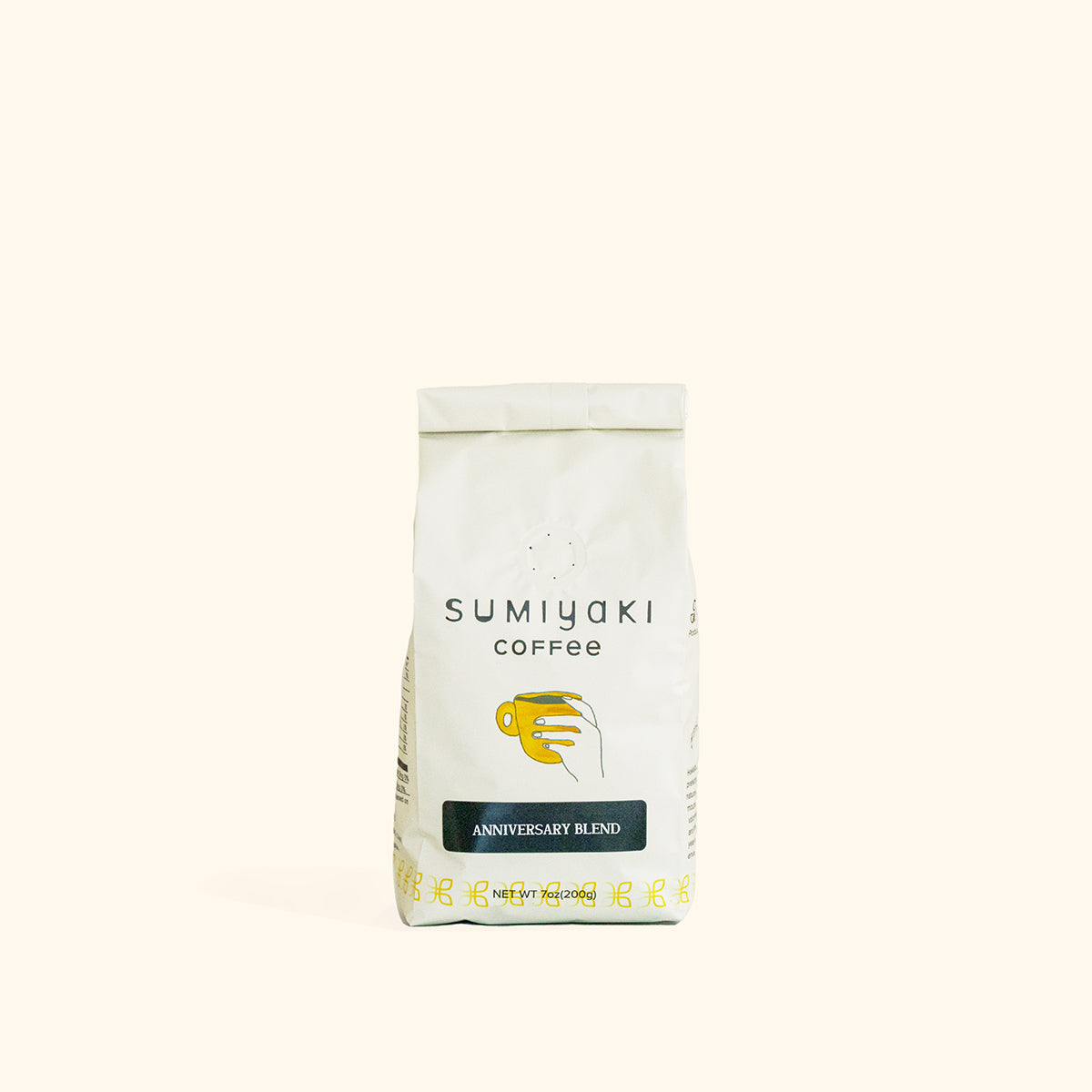
Anniversary Blend (Colombia, Brazil, Indonesia)

USD $35.00
Quick view

Do you enjoy your coffee fruity & sweet? Then this premium blend is for you, with beans from Colombia, Brazil, and Ethiopia. This blend is the fruitiest coffee in our selection.

This blend was the limited 30th-anniversary blend of Sapporo Coffee Kan in 2012. It was widely popular and was kept as a regular selection. The base of the blend is Colombia Pital-Mountain - Single Origin Premium Coffee.

With bright and sweet tones and a citrusy finish, this coffee invokes the sweeter side of life. For the best enjoyment of this high-end blend, use it to make a creamy espresso or latte-style coffee.

5 reviews

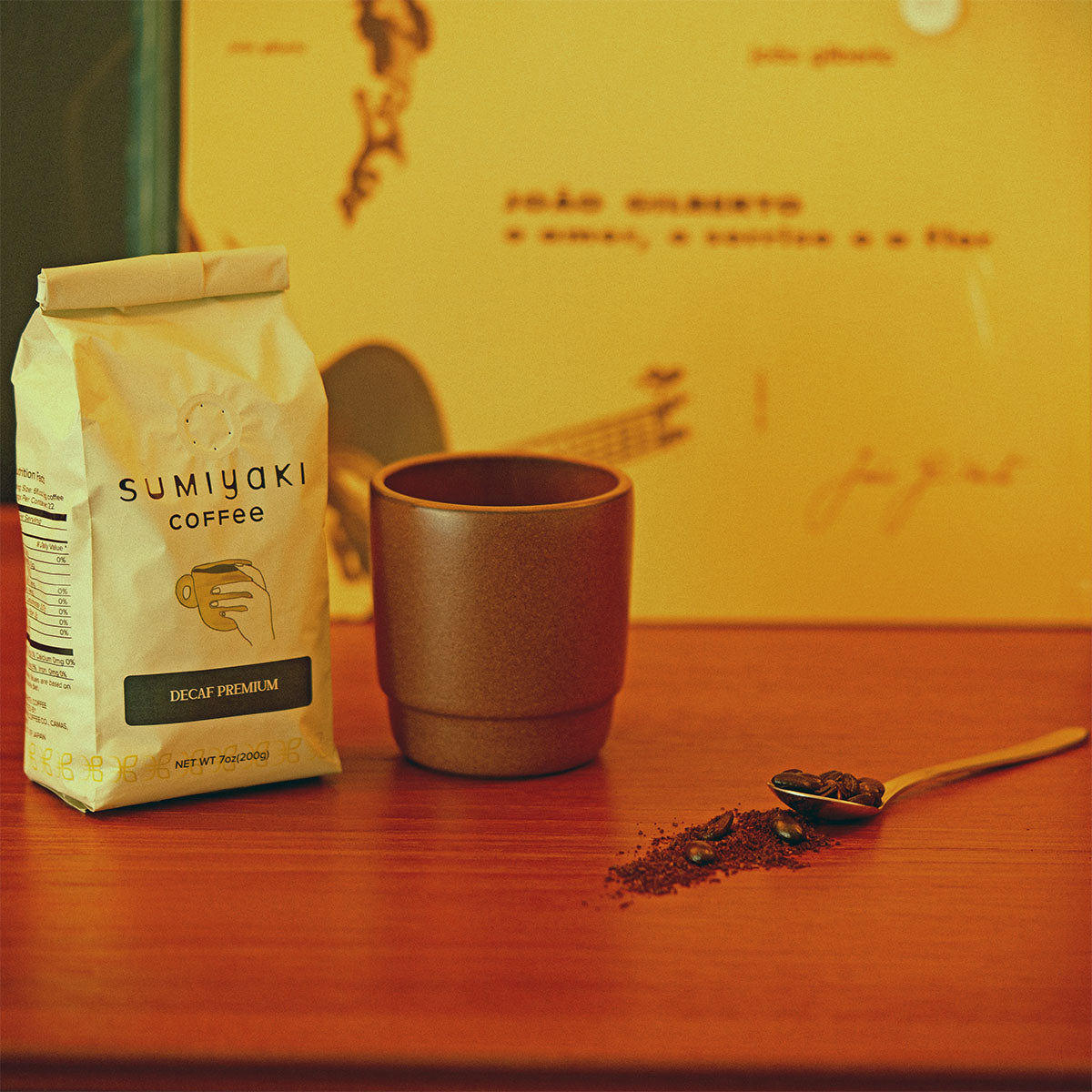
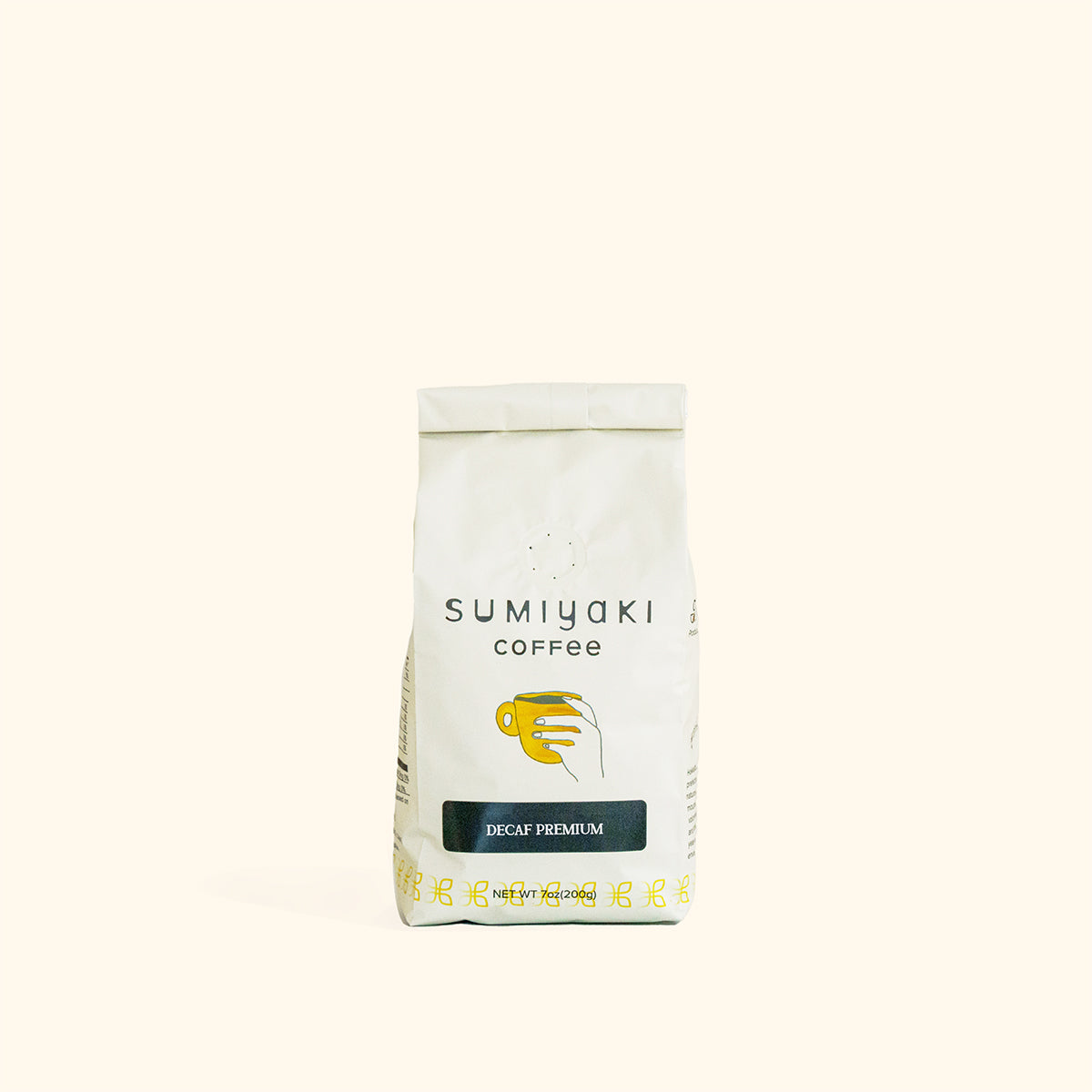
Decaf Premium Blend (Colombia, Brazil, Ethiopia)

USD $35.00
Quick view

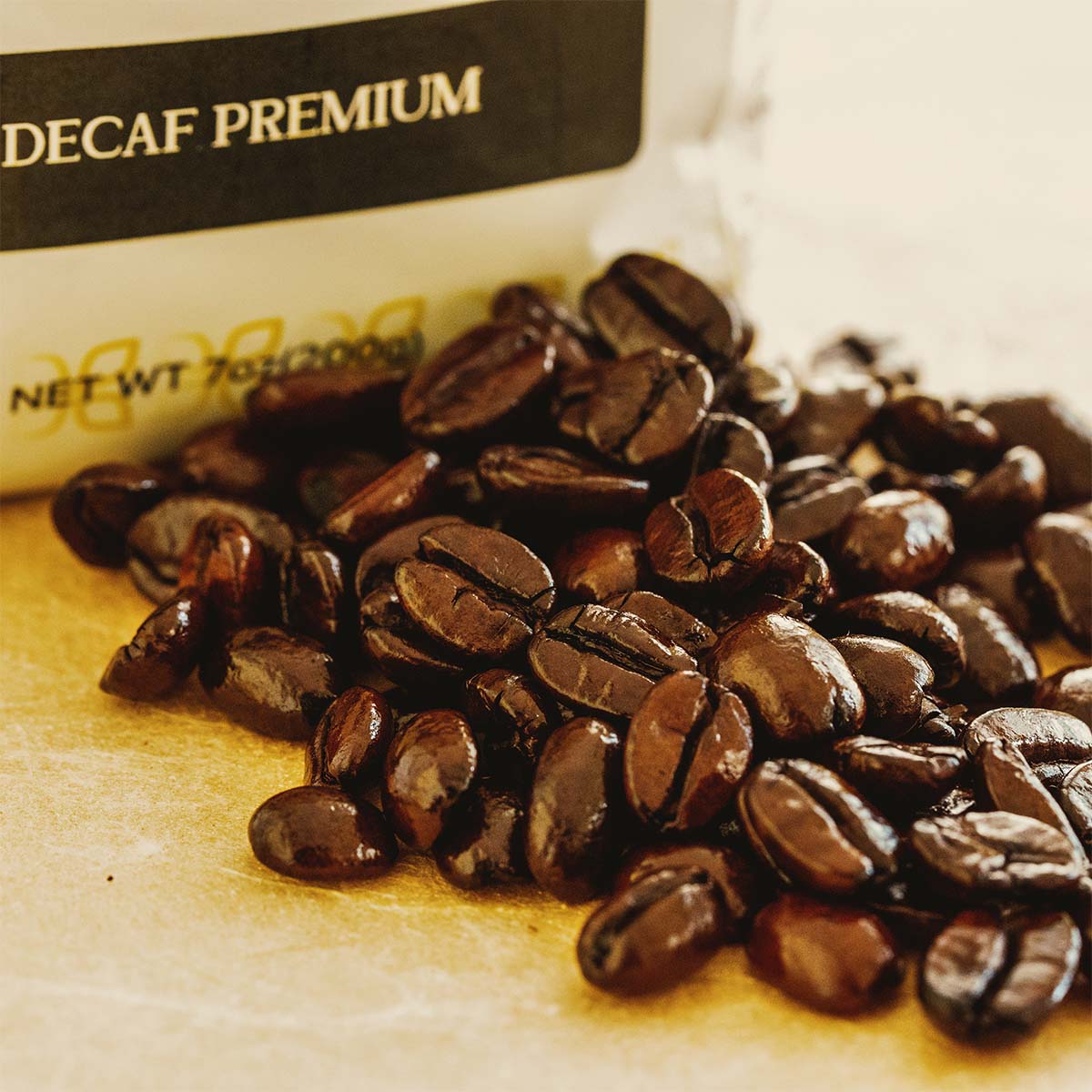
The secret behind Sapporo Coffee Kan’s original Caffeine-off blend lies in a groundbreaking German method called the "Liquid Dicarboxylic Acid Extraction Method," which removes 93–98% of caffeine while preserving the coffee’s original flavor, aroma, and richness. Unlike conventional decaf processes that strip away essential taste components, this technique uses a careful combination of low pressure and temperature over an extended period, ensuring the coffee’s delicious character remains intact. The beans are then roasted using Sapporo Coffee Kan’s unique CSR (Charcoal Straight Roasting) method, minimizing oxidation and preserving the coffee’s vibrant profile. As a result, this decaf coffee is so flavorful and satisfying that it is served at high-end restaurants with evening desserts, offering a true specialty coffee experience for caffeine-sensitive individuals, pregnant women, nursing mothers, and anyone advised to reduce caffeine intake.

3 reviews

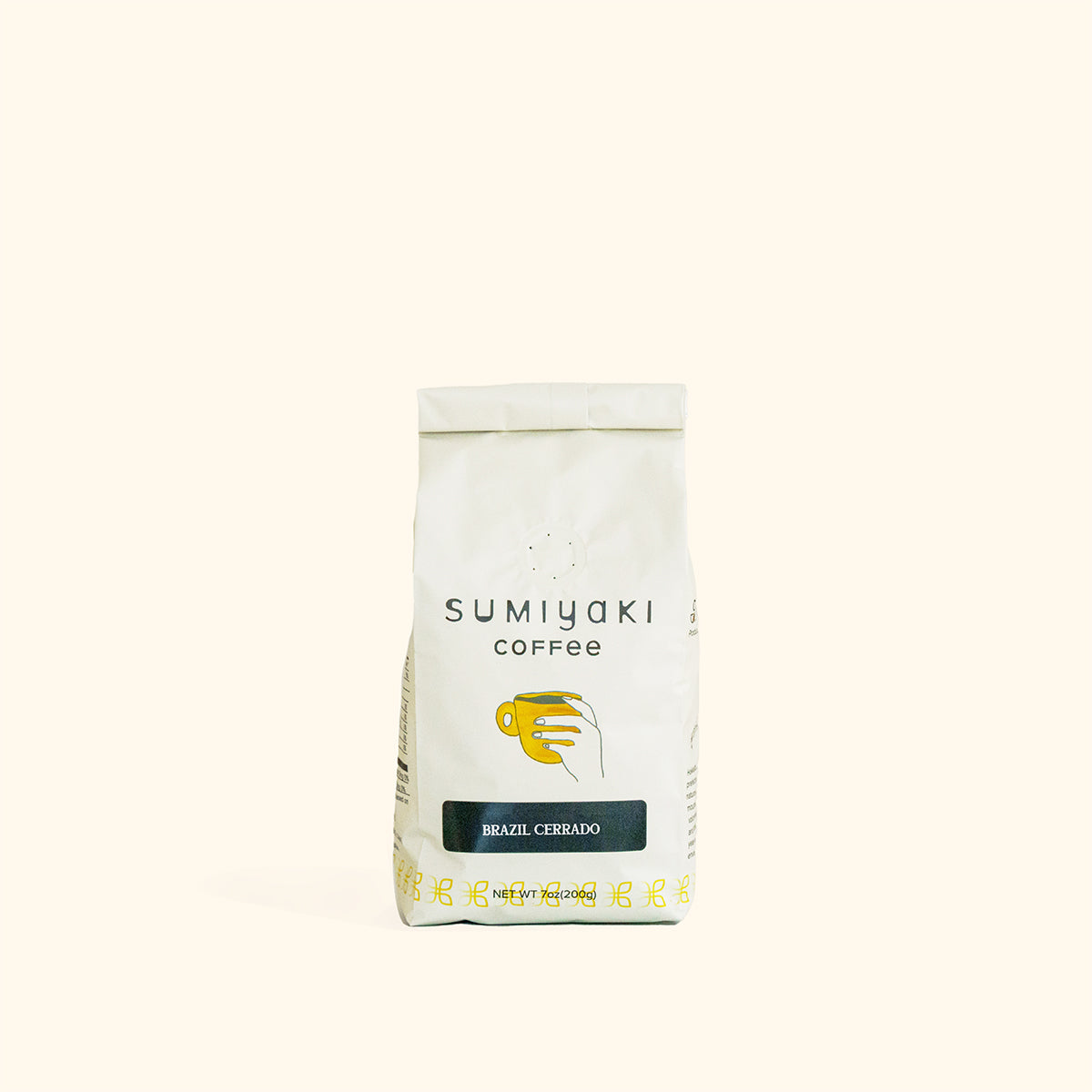
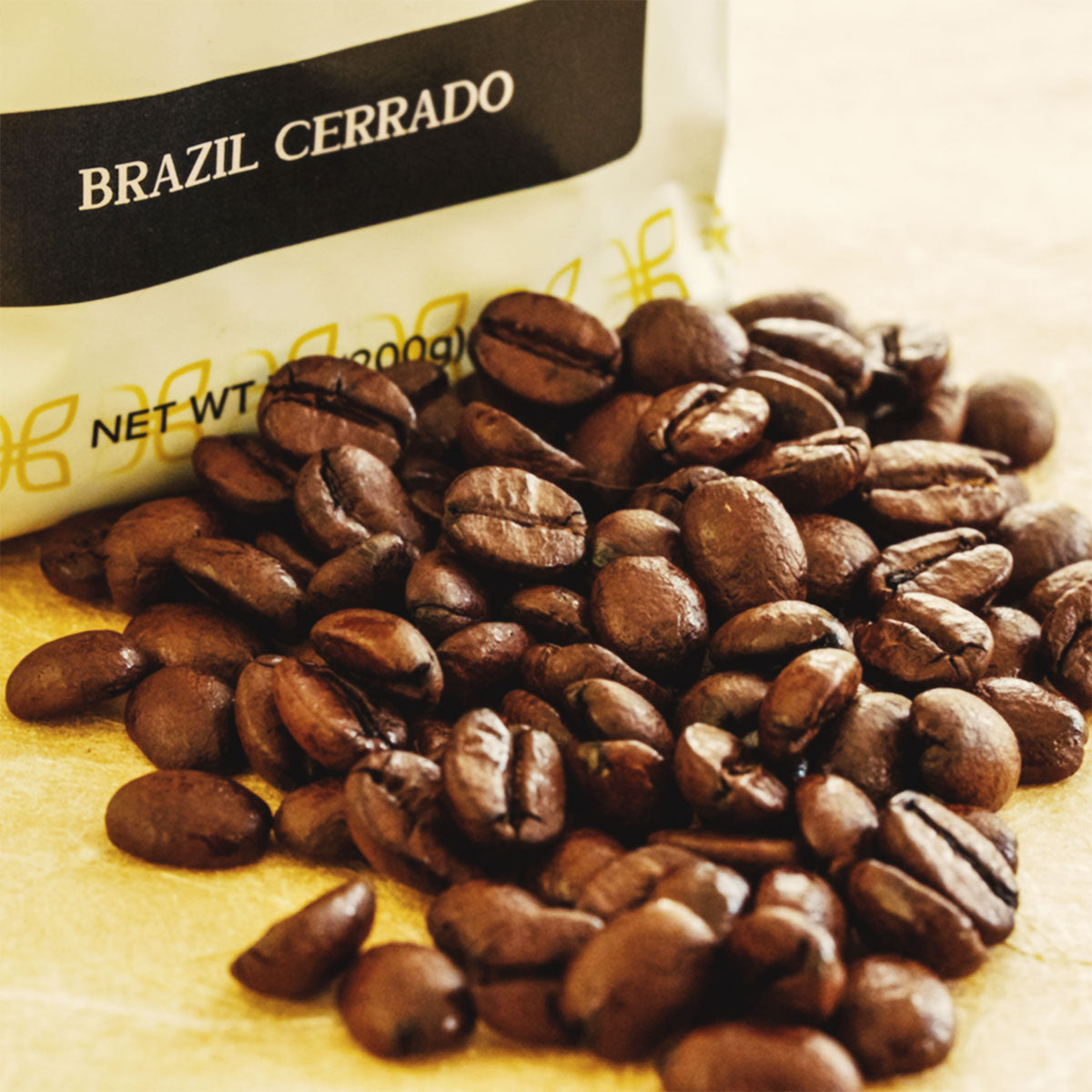
Brazil Cerrado - Arabica Catuai

USD $35.00
Quick view

This exclusive contract farm coffee from Brazil’s Cerrado region comes from the Shimada Plantation, managed by third-generation Japanese American coffee producer Hugo Shimada. Since 2018, a direct partnership has connected us to this farm, located in the Patrocínio municipality of Minas Gerais, a renowned area for producing exceptional coffee. To preserve the beans' natural sweetness and distinctive character, the coffee is processed using the natural method, allowing the beans to stay in contact with the ripened cherry longer and absorb its rich flavors. Stored carefully and aged in the cherry form, this process brings out a deep, sweet, and vibrant profile in every cup. To ensure even higher quality, production is limited to a select 247-hectare area, capturing the true individuality and excellence of the Cerrado terroir.

16 reviews

Hokkaido Blend (Colombia, Brazil, Honduras, Indonesia)

USD $25.00
Quick view

Sapporo Coffee Kan's most popular and long-selling signature blend, known as "the house blend," offers a rich, full-bodied coffee experience with a pleasant, mild bitterness and a mellow taste. Crafted by adding the finest Mandheling Berkat Lingtong beans to the blend, it achieves a rare balance—delivering depth and complexity without the sharp acidity often found in other coffees. For those who prefer a smoother, less acidic cup without sacrificing richness and flavor, this special house blend truly hits the spot.

26 reviews

Hokkaido Blend K-Cups Pods (12 Count)

USD $30.00 USD $25.00
Quick view

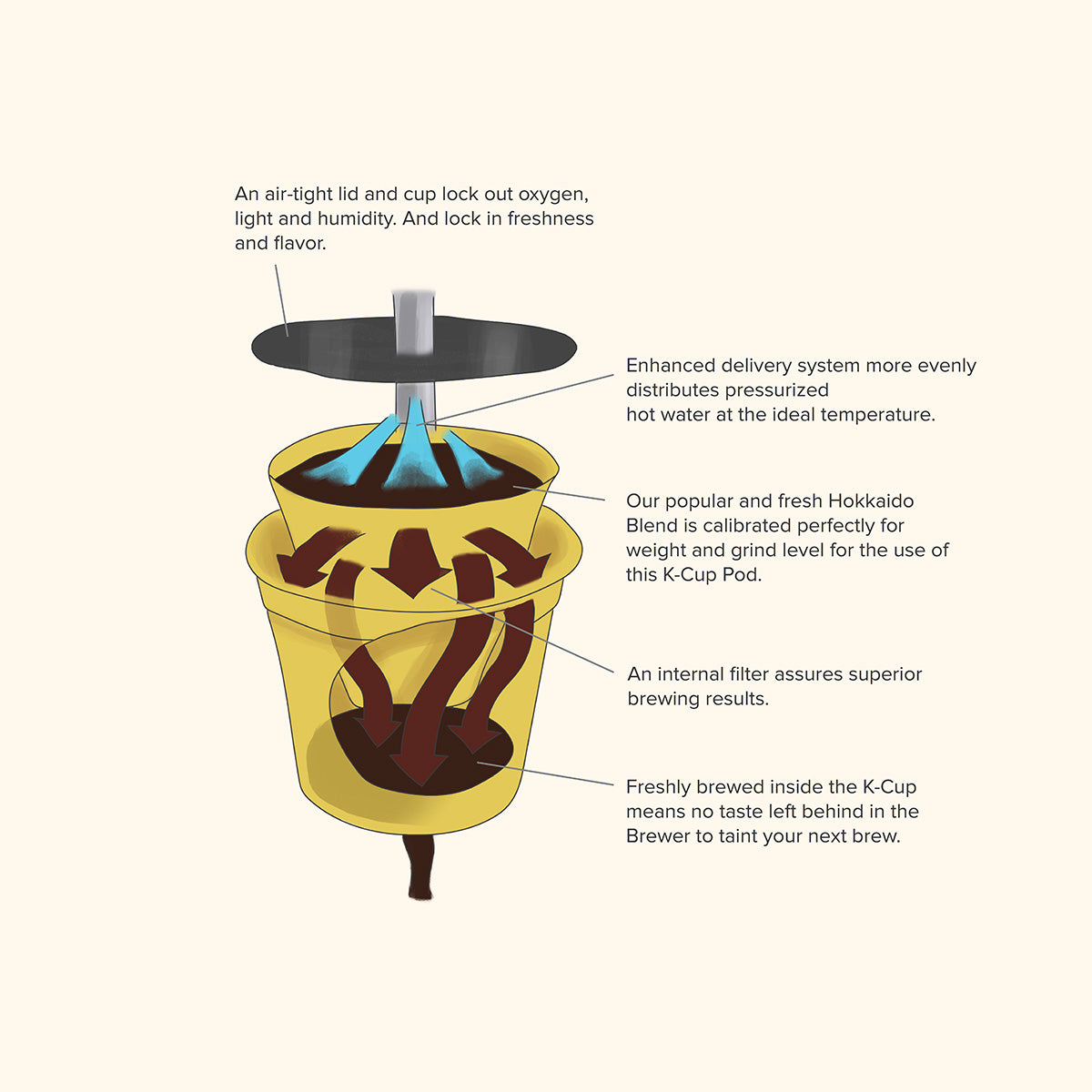
Hokkaido Blend K-Cup Pods bring the rich, balanced flavor of Sapporo Coffee Kan’s famous sumiyaki roasted coffee into a convenient single-serve format, making it easy to enjoy authentic Japanese quality at home. Crafted with the highest quality pods to preserve aroma and flavor, these K-Cups offer a bold, full-bodied experience without sacrificing freshness or taste. Each pod captures the depth and richness of traditional sumiyaki roasting, a special charcoal-roasting method that enhances flavor while reducing acidity. Featuring a built-in paper filter and designed for quick, easy brewing, Hokkaido Blend K-Cups are perfect for busy mornings or whenever you crave a perfectly brewed cup of coffee.

37 reviews

Hokkaido Blend Single-Serve Pour-Over - Disposable Filter Bag

USD $42.00 USD $39.00
Quick view

The Single-Serve Disposable Filter Bag (Cup-On) is an ingenious coffee-brewing method that has been popular in Japan for quite some time but remains lesser known elsewhere. Designed to hold the perfect amount of ground coffee for a single cup, each filter bag features a clever paper structure that securely stabilizes onto your cup—just pour hot water, and voilà, a fresh and delicious drip coffee is ready with minimal effort and no special equipment. What sets this Cup-On apart from other pour-over filters is its unique 4-point system, an innovative design that prevents the filter from becoming soaked after pouring, ensuring a consistent and flavorful brew. Among the many variations of cup-on filters available in Japan, this premium version stands out for delivering an exceptional pour-over experience crafted for true coffee enthusiasts.


Related Articles You May Be Interested

Unveiling Tokyo's hidden gem – 'Kies,' where the aroma of freshly baked homemade cookies welcomes you like a warm, cozy hug
Japanese Green Tea vs. Japanese Coffee
Is it ok to Freeze Coffee? - Coffee Quiz
What to Look For When Buying Coffee Filters
Can I Mix Coffee With Tea? – Coffee Quiz

Get Free Bonus Books

Join Japanese Coffee Club

Sign up for free to the Coffee Club to get advice and exclusive articles about how to choose Japanese Coffee, and tips, tricks, and recipes for enjoying Japanese coffee.

Unsubscribe anytime. It’s free!

About the author

Kei Nishida

Kei Nishida

Author, CEO Dream of Japan

info@japaneseCoffeeCo.com

Certifications: PMP, BS in Computer Science

Education: Western Washington University

Kei Nishida is a passionate Japanese tea and coffee connoisseur, writer, and the founder and CEO of Japanese Coffee Co. and Japanese Green Tea Co., both part of Dream of Japan.

His journey began with a mission to introduce the world to the unparalleled quality of Japanese green tea. Through Japanese Green Tea Co., he established the only company that sources premium tea grown in nutrient-rich sugarcane soil—an innovation that led to multiple Global Tea Champion awards.

Building on this success and his passion for Japanese craftsmanship, Kei expanded into the world of coffee, pioneering the launch of Japanese Coffee Co., the first company to bring Sumiyaki charcoal-roasted coffee to a global audience. His dedication to authenticity and quality ensures that this traditional Japanese roasting method, once a well-kept secret, is now enjoyed worldwide.

Beyond tea and coffee, Kei has also introduced Japan’s legendary craftsmanship to the world through Japanese Knife Co., making handmade katana-style knives—crafted by a renowned katana maker—available outside Japan for the first time.

Kei’s journey continues as he seeks out and shares the hidden treasures of Japan, one cup and one blade at a time.

Related Posts

How to Make Japanese Coffee Jelly
How to Make Japanese Coffee Jelly (with Video Recipe)

Step up your coffee game with this unique Japanese coffee jelly recipe! Impress your guests and satisfy your sweet tooth

Read More
Balmuda Brings Japanese Lifestyle to Brooklyn – My First-Hand Journey at Cibone O’te

Step into Brooklyn’s ‘Little Tokyo’ where timeless Japanese craftsmanship meets sleek innovation—dashi, design, and dram

Read More
Exciting News: We Acquired the History of Katana YouTube Channel!

Welcome to the famed History of Katana YouTube Channel—unlocking rare stories, epic blades, and what comes next. Curious

Read More
Leave a comment

Your email address will not be published..

Cart

Your cart is currently empty.

Start Shopping

Select options