Skip to content

What is Binchotan (備長炭)


An important matter to consider in roasting coffee beans is not just the roaster's expertise but also the type of charcoal used.

Binchotan means charcoal in Japanese. However, this Binchotan, or sometimes referred to as bincho zumi, is a particular type of charcoal that is a long-burning, clean, and natural alternative to charcoal briquettes.

While pretty much more expensive compared to your ordinary charcoals in the market, this flameless charcoal produces intensive heat, burns cleanly, giving off no odor, and cooks at a lower temperature than other types of charcoal, making the outside of material crispy without drying it out. This log-shaped charcoal is made from various oak that combines the best aspects of lump charcoal and briquettes. The smoke it produces gives a distinct enticing flavor. The heat of Binchotan is so intense that it could actually create a hole in a pan like an infrared ray hitting the center. The primary charcoal material is Ubamegashi, which is a wood that is hard enough to scratch glass. When charcoals strike each other, they create a metallic sound. This charcoal is covered with a metallic sheen, which hides its wood origin. These charcoals were shipped to Edo during the Edo period and the Genroku era (1680 to 1709). They were prized as high-quality fuel for urban life, and they became so popular during the said period.

Binchotan

Binchotan and Its Qualities

Bincho charcoal is said to be one of the highest qualities of charcoal for cooking and roasting. The name of Binchotan came from the fact that Kinokuniya Tanabe merchant Binchuya Chozaemon made charcoal from ubame or horse oak tree that burned hotter than any other usual oaks and started selling it.  

This charcoal is dried and stacked into brick ovens and taken to four different temperatures, two hundred degrees, four hundred degrees, five hundred fifty degrees, and nine hundred degrees Celsius, for 8 weeks. For the last stage, they rapidly add air so that the heat reaches one thousand two hundred degrees Celsius, which carbonizes it and permanently changes the charcoal's internal structure.

Binchotan

Different Types of Binchotan

There are also wide varieties and different types of Binchotan. For example, the kishu binchu, a charcoal that is white in color when manufactured and said to be introduced by Kobo Daishi Kukai from China to Kishu and Akizugawa, Tanabe City, Wakayama Prefecture. This is the artisanal type of Japanese charcoal popularly used for high-end grilling and culinary uses. The charcoals are long sticks of woods that obviously burn longer and, therefore, perfect for restaurant grill setups. This white charcoal is highly advertised as it tells the grilled meat's quality, the material of the griller, and the restaurant. It can quickly conduct such a heat, hold the heat so well, and be consistent in a minimal space, particularly with the ceramic grill.

There is also the aramaru, which burns for three to four hours, compared to the four to five for white binchotan, and generates temperatures between 1,652 and 1,832 degrees.

 Binchotan roaster

Binchotan and coffee roasting

This is perfect for coffee roasting. It creates an overwhelmingly stronger fire than gas burners. It does not generate steam, so the coffee beans are essentially baked. The carbon quality is hard, and it is difficult to ignite. Coffee roaster experts have to control the firepower's temperature at about 500 degrees. They can be raised to 1000 degrees by fanning them with a fan. While this charcoal is a little bit expensive, it has two to three times longer burning time than other charcoals.

While charcoal roasting is one of the roasting methods that requires experience, it is difficult to maintain constant thermal power. Since using Bincho charcoal has a high calorific value, burning time, and infrared ray amount, it is possible to perform relatively stable roasting.

Binchotan fire

Compared to your standard Charcoals

Unlike the standard American charcoals, lighting up binchotan may not be easy. It needs around twenty to twenty-five minutes or so to lit it up by putting it in a chimney, oven, or open flame. But once lit up, creates a powerful heat that gives you a steady flame. This also does not have any additives compared to American charcoals, making it very safe to use you're your food.

Binchotan roasting coffee

While American charcoal could tend to dry up the meat due to uncontrollable flame production, binchotan tends to preserve the flavorful aroma, gives you a beautiful sear. Binchotan is also more potent in bad odor absorption compared to ordinary American charcoals. Another comparison makes binchotan stands out from the other kinds of charcoals. It could purify due to its organic components, which bind and remove chemicals from water. In fact, binchotan is also being used to make toothbrush , water filter and even towels in Japan.

FAQs about Binchotan and Charcoal Coffee Roasting

What is binchotan, and why is it specifically used for Japanese coffee roasting?

Binchotan (備長炭) is a premium Japanese white charcoal made from ubame oak, fired at extremely high temperatures (around 1,000°C) for several days. The result is exceptionally pure carbon — minimal smoke, minimal ash, very high heat output, and remarkable consistency. Originally developed for Japanese cooking (yakitori, tea ceremony), binchotan adapted to coffee roasting in the 20th century.

For coffee roasting specifically, binchotan provides three advantages over gas or electric roasters. First, infrared heat dominance — binchotan generates more far-infrared radiation than gas, producing a different chemical reaction in the bean during roasting. Second, lower-temperature peak with longer roast time — produces deeper Maillard reactions without burning surface character. Third, no smoke contamination — pure binchotan combustion doesn't add smoky off-flavors that lower-quality charcoal would.

This is why "sumiyaki" (charcoal-roasted) coffee is a recognized Japanese specialty category. The technique requires significant skill, expensive equipment, and binchotan-grade charcoal. The resulting coffee has a distinctive deep-roasted character that gas roasting can't quite replicate.

How does binchotan-roasted coffee actually taste different from gas-roasted?

Deeper roasted flavor with cleaner finish. The infrared-heat dominance produces beans with more developed roasted character — chocolate, caramel, and dark-fruit notes are more pronounced — without the slightly-acrid bitter edge that aggressive gas roasting can produce. The mouthfeel is fuller, the finish cleaner. JPCo's Hokkaido Blend and Yuki Sora Blend are charcoal-roasted blends that demonstrate this profile.

Most Western specialty coffee customers find sumiyaki coffee distinctive on first taste — recognizably different from third-wave Western roasts (which skew lighter and brighter) and from Italian-style dark roasts (which can taste burnt). The Japanese charcoal-roast profile sits in its own category, deeper than American medium roasts but smoother than Italian dark roasts.

If you're a coffee drinker who enjoys deeper roasts but finds Italian dark roast harsh, sumiyaki coffee is the format to try. The depth without harshness is the distinctive value.

Where can I buy binchotan-roasted coffee outside Japan?

Specialty Japanese coffee importers and direct-from-brand retailers. JPCo (japanesecoffeeco.com) carries multiple charcoal-roasted blends including the Hokkaido Blend, Yuki Sora Blend (Blue Mountain Quattro), and single-origin charcoal-roasted options. A few other Japanese-focused U.S. importers carry sumiyaki coffee but the selection is limited.

Generic "charcoal coffee" or "charcoal-flavored coffee" sold at Western specialty roasters is usually not real binchotan-roasted coffee — it's flavored coffee with charcoal as additive. The real-deal sumiyaki requires authentic binchotan and traditional roasting equipment, which most Western roasters don't have.

Read the label carefully. "Binchotan-roasted," "sumiyaki," or "charcoal-roasted in traditional Japanese style" with specific brand context ("made in Japan" or specific Japanese roastery) usually indicates authentic charcoal-roasted coffee. "Charcoal flavor," "with charcoal," or vague descriptions usually indicate flavored coffee or marketing dressing.

Is binchotan used for anything besides coffee?

Yes — many Japanese applications. Yakitori grilling is the highest-volume use; binchotan provides the clean smokeless heat that high-end yakitori restaurants depend on. Tea ceremony uses smaller charcoal pieces of similar quality for water heating. Water filtration — binchotan's porous structure absorbs chlorine and other contaminants, so binchotan sticks are sold as Japanese water-purification products.

In modern wellness applications, binchotan is sometimes used in skincare products and household applications (refrigerator deodorizers, closet moisture absorbers). Some of this is genuine traditional use; some is marketing-driven Japanese-aesthetic positioning. The cooking and tea applications are the historically-grounded uses.

If you want to experiment with binchotan beyond coffee context, water-filtration binchotan sticks are widely available and genuinely effective at removing chlorine taste from tap water. Place a stick in a pitcher of tap water; let stand 4-6 hours; the water becomes meaningfully cleaner-tasting. Replace stick every 1-2 months.

Why don't more Western coffee roasters adopt binchotan if the results are better?

Cost and supply chain. Authentic binchotan costs roughly 5-10x more than equivalent volume of charcoal briquettes, and the supply chain is concentrated in specific Japanese regions (Wakayama prefecture is the most famous source). Importing binchotan to the U.S. or Europe at quality grades is expensive and slow.

Equipment is the second barrier. Traditional Japanese charcoal roasters are different from gas-fired drum roasters that dominate Western specialty coffee. Switching production requires capital investment and operational learning that most Western roasters don't justify for what would be a small-volume specialty offering.

Finally, demand isn't there at scale yet. Western specialty coffee culture has been built around lighter-roast profiles for the past 20 years; the deep-roasted Japanese profile is unfamiliar enough that most U.S. specialty roasters don't see consumer demand justifying the binchotan investment. Could change as Japanese coffee culture grows internationally; for now, Japanese-imported sumiyaki coffee fills the niche.

Related products

5 reviews

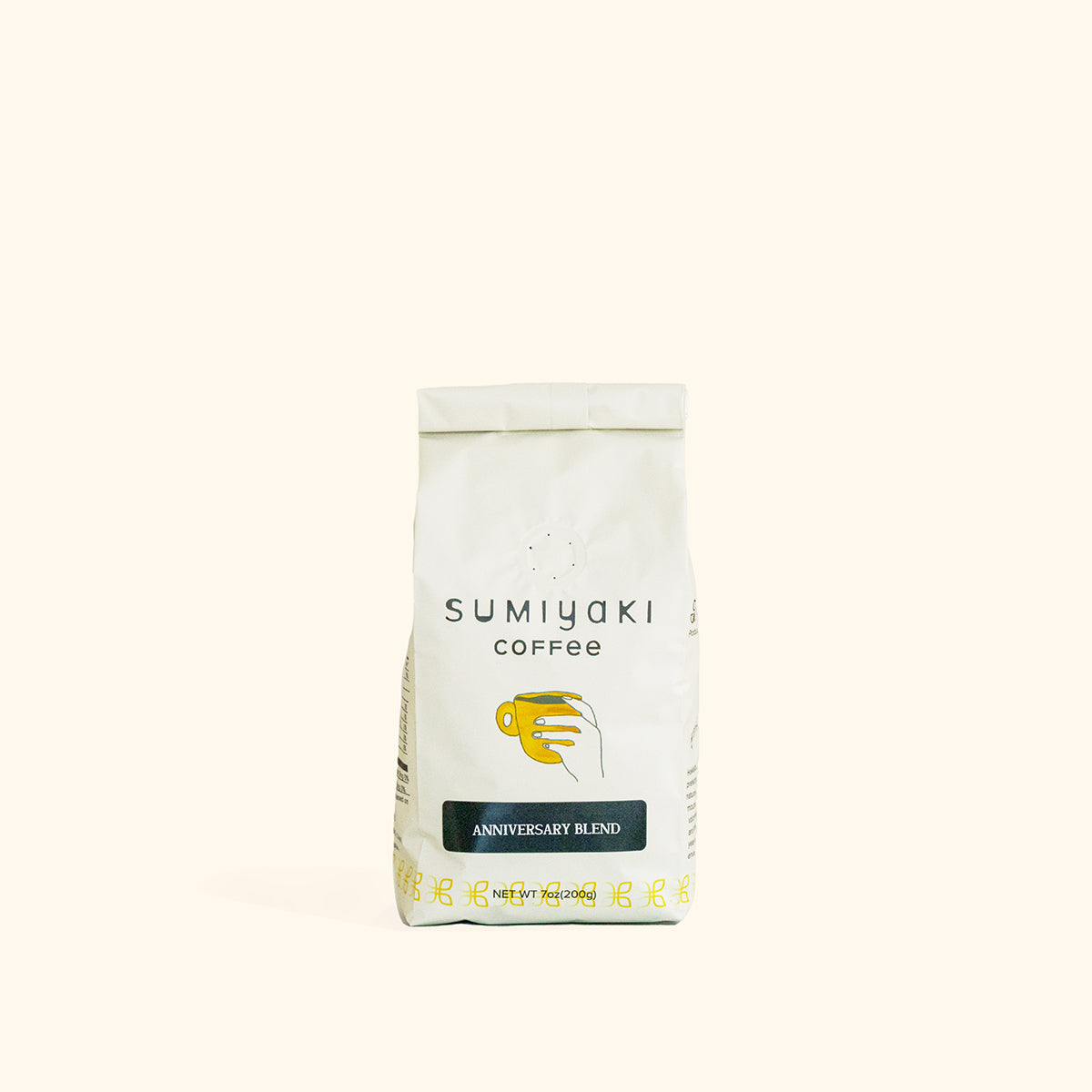
Anniversary Blend (Colombia, Brazil, Indonesia)

USD $35.00
Quick view

Do you enjoy your coffee fruity & sweet? Then this premium blend is for you, with beans from Colombia, Brazil, and Ethiopia. This blend is the fruitiest coffee in our selection.

This blend was the limited 30th-anniversary blend of Sapporo Coffee Kan in 2012. It was widely popular and was kept as a regular selection. The base of the blend is Colombia Pital-Mountain - Single Origin Premium Coffee.

With bright and sweet tones and a citrusy finish, this coffee invokes the sweeter side of life. For the best enjoyment of this high-end blend, use it to make a creamy espresso or latte-style coffee.

3 reviews

Asa Tsuyu Blend [Light Blend] (Colombia, Brazil, Ethiopia)

USD $25.00
Quick view

Delicate, invigorating, and oh so pure! This blend knows how to dish up a warm welcome. Our lightest blend features beans from Columbia, Brazil, and Ethiopia. We’ve found that this roast makes an incredible espresso, as well as a beautiful, bright drip coffee. With pure coffee flavor, soft touch of sourness and a rich sweet aroma —this light blend helps you start the day off right.

3 reviews

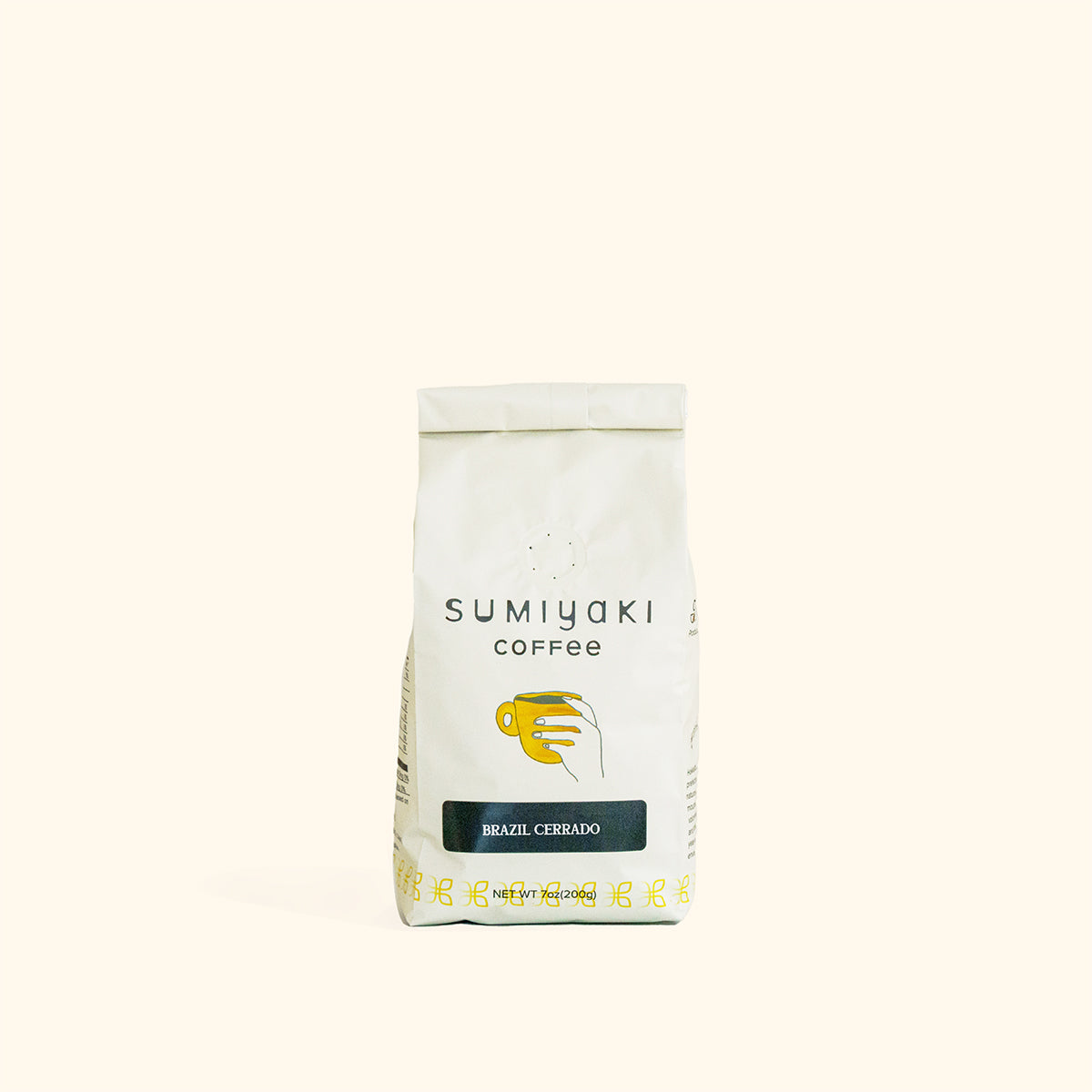
Brazil Cerrado - Arabica Catuai

USD $35.00
Quick view

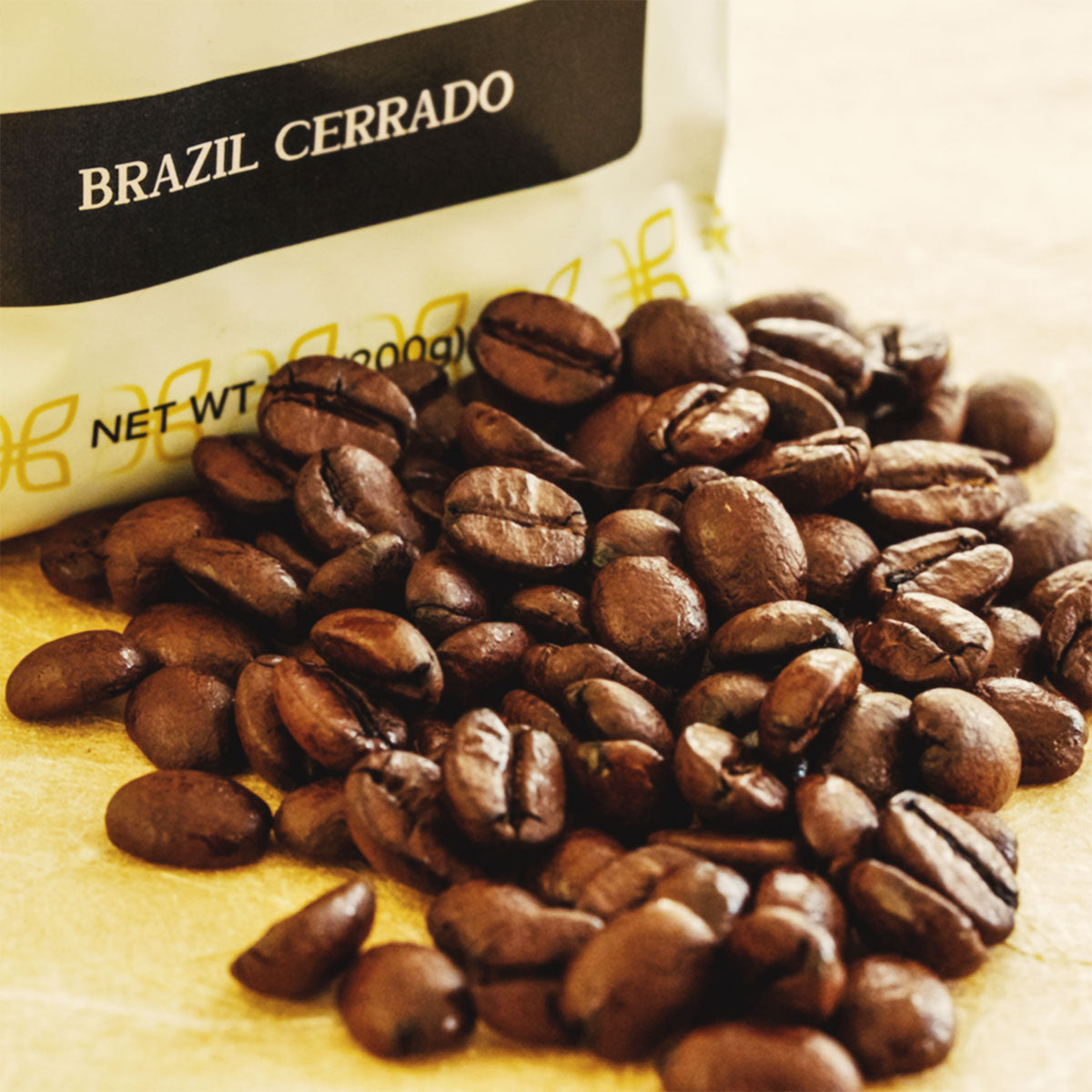
This exclusive contract farm coffee from Brazil’s Cerrado region comes from the Shimada Plantation, managed by third-generation Japanese American coffee producer Hugo Shimada. Since 2018, a direct partnership has connected us to this farm, located in the Patrocínio municipality of Minas Gerais, a renowned area for producing exceptional coffee. To preserve the beans' natural sweetness and distinctive character, the coffee is processed using the natural method, allowing the beans to stay in contact with the ripened cherry longer and absorb its rich flavors. Stored carefully and aged in the cherry form, this process brings out a deep, sweet, and vibrant profile in every cup. To ensure even higher quality, production is limited to a select 247-hectare area, capturing the true individuality and excellence of the Cerrado terroir.

16 reviews

Hokkaido Blend (Colombia, Brazil, Honduras, Indonesia)

USD $25.00
Quick view

Sapporo Coffee Kan's most popular and long-selling signature blend, known as "the house blend," offers a rich, full-bodied coffee experience with a pleasant, mild bitterness and a mellow taste. Crafted by adding the finest Mandheling Berkat Lingtong beans to the blend, it achieves a rare balance—delivering depth and complexity without the sharp acidity often found in other coffees. For those who prefer a smoother, less acidic cup without sacrificing richness and flavor, this special house blend truly hits the spot.

37 reviews

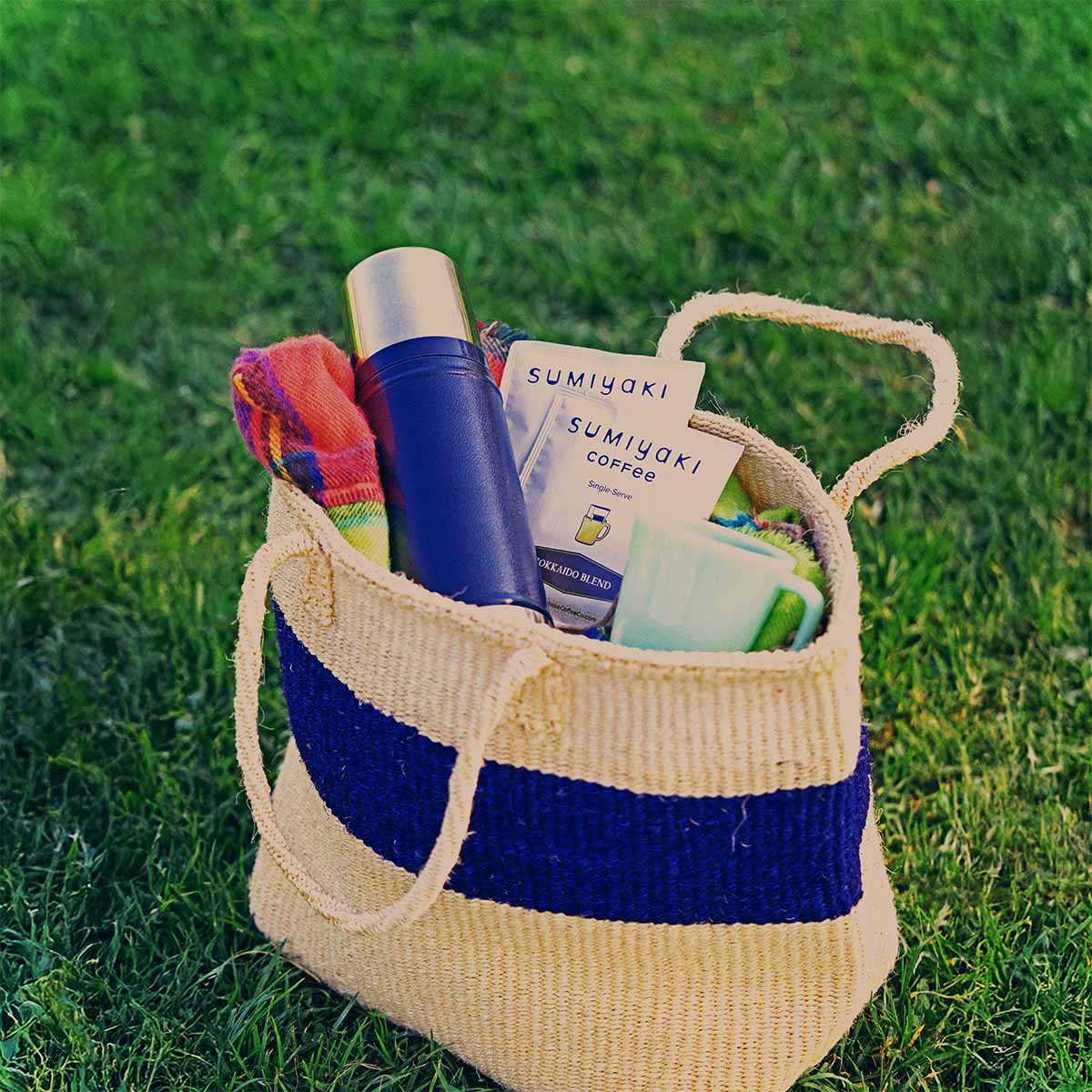
Hokkaido Blend Single-Serve Pour-Over - Disposable Filter Bag

USD $42.00 USD $39.00
Quick view

The Single-Serve Disposable Filter Bag (Cup-On) is an ingenious coffee-brewing method that has been popular in Japan for quite some time but remains lesser known elsewhere. Designed to hold the perfect amount of ground coffee for a single cup, each filter bag features a clever paper structure that securely stabilizes onto your cup—just pour hot water, and voilà, a fresh and delicious drip coffee is ready with minimal effort and no special equipment. What sets this Cup-On apart from other pour-over filters is its unique 4-point system, an innovative design that prevents the filter from becoming soaked after pouring, ensuring a consistent and flavorful brew. Among the many variations of cup-on filters available in Japan, this premium version stands out for delivering an exceptional pour-over experience crafted for true coffee enthusiasts.

26 reviews

Hokkaido Blend K-Cups Pods (12 Count)

USD $30.00 USD $25.00
Quick view

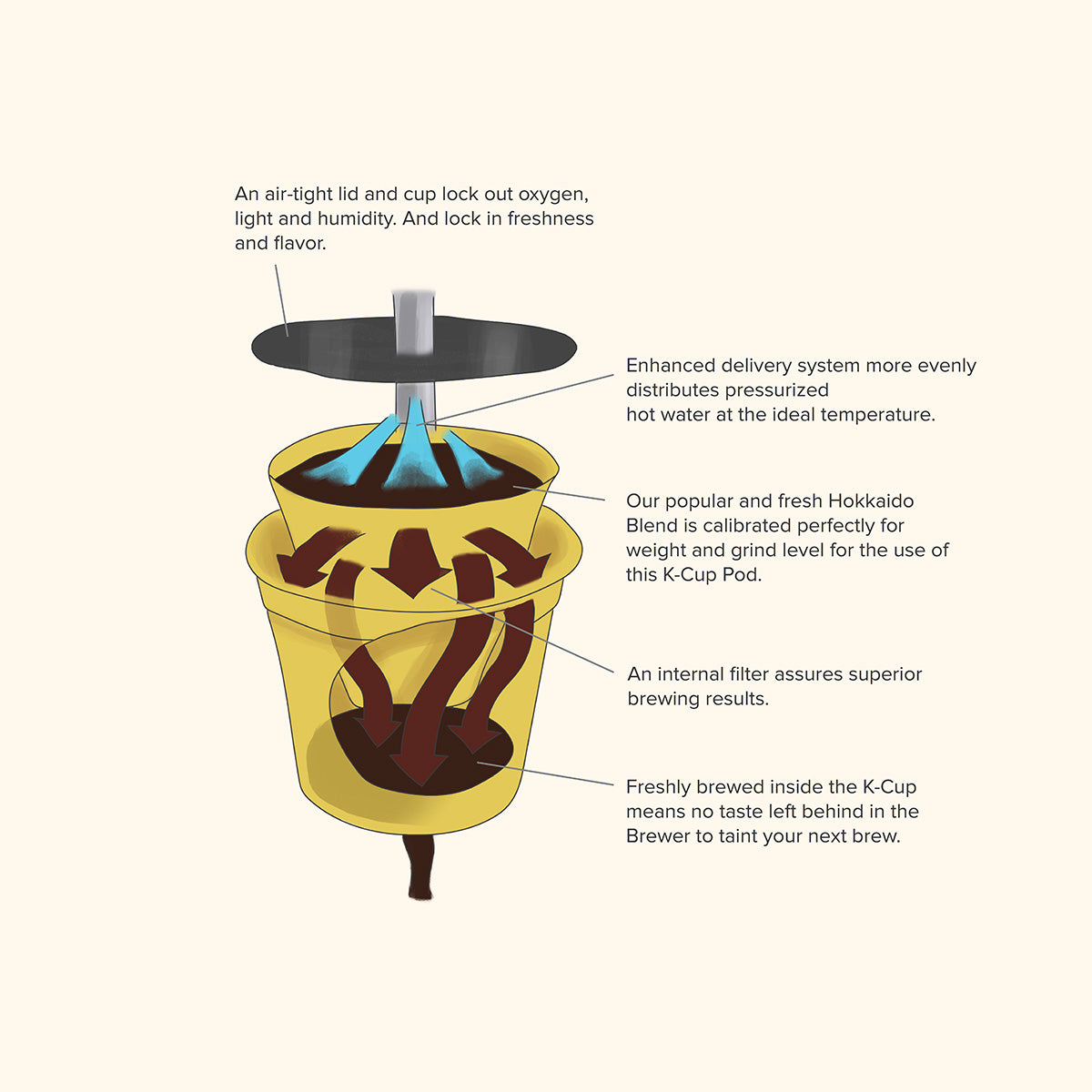
Hokkaido Blend K-Cup Pods bring the rich, balanced flavor of Sapporo Coffee Kan’s famous sumiyaki roasted coffee into a convenient single-serve format, making it easy to enjoy authentic Japanese quality at home. Crafted with the highest quality pods to preserve aroma and flavor, these K-Cups offer a bold, full-bodied experience without sacrificing freshness or taste. Each pod captures the depth and richness of traditional sumiyaki roasting, a special charcoal-roasting method that enhances flavor while reducing acidity. Featuring a built-in paper filter and designed for quick, easy brewing, Hokkaido Blend K-Cups are perfect for busy mornings or whenever you crave a perfectly brewed cup of coffee.


Related Articles You May Be Interested

Is Charcoal Roasting Carcinogenic?
What Makes Charcoal Roasting Expensive?
What is So Special About Sumiyaki Charcoal Roasting?
Why Japanese Iced Coffee is So Popular
Can Japan Grow Coffee? - Coffee Quiz
Coffee aromas and why they matter
History of Sumiyaki Coffee

Get Free Bonus Books

Join Japanese Coffee Club

Sign up for free to the Coffee Club to get advice and exclusive articles about how to choose Japanese Coffee, and tips, tricks, and recipes for enjoying Japanese coffee.

Unsubscribe anytime. It’s free!

About the author

Kei Nishida

Kei Nishida

Author, CEO Dream of Japan

info@japaneseCoffeeCo.com

Certifications: PMP, BS in Computer Science

Education: Western Washington University

Kei Nishida is a passionate Japanese tea and coffee connoisseur, writer, and the founder and CEO of Japanese Coffee Co. and Japanese Green Tea Co., both part of Dream of Japan.

His journey began with a mission to introduce the world to the unparalleled quality of Japanese green tea. Through Japanese Green Tea Co., he established the only company that sources premium tea grown in nutrient-rich sugarcane soil—an innovation that led to multiple Global Tea Champion awards.

Building on this success and his passion for Japanese craftsmanship, Kei expanded into the world of coffee, pioneering the launch of Japanese Coffee Co., the first company to bring Sumiyaki charcoal-roasted coffee to a global audience. His dedication to authenticity and quality ensures that this traditional Japanese roasting method, once a well-kept secret, is now enjoyed worldwide.

Beyond tea and coffee, Kei has also introduced Japan’s legendary craftsmanship to the world through Japanese Knife Co., making handmade katana-style knives—crafted by a renowned katana maker—available outside Japan for the first time.

Kei’s journey continues as he seeks out and shares the hidden treasures of Japan, one cup and one blade at a time.

Related Posts

Introducing the Asa-Yuu Blend Duo (朝夕 ブレンドデュオ): Two of Our Most Popular Coffees, Now Together!

The Asa-Yuu Blend Duo (朝夕) is here! Two of our most popular Sumiyaki coffees in one set – bright Asa Tsuyu and smooth Ho

Read More
The Story Behind Our Booth Backdrop: Craftsmanship, Engineering, and Sacred Wood
Behind the Scenes – How We Made the Event Booth & Backdrop Using Sacred Wood

Discover how our one-of-a-kind event booth came to life—from Japanese Kōshi (格子) design and rare Port Orford Cedar to mo

Read More
How to Make Japanese Coffee Jelly
How to Make Japanese Coffee Jelly (with Video Recipe)

Step up your coffee game with this unique Japanese coffee jelly recipe! Impress your guests and satisfy your sweet tooth

Read More
Leave a comment

Your email address will not be published..

Cart

Your cart is currently empty.

Start Shopping

Select options