Skip to content

Can I Mix Coffee With Tea? – Coffee Quiz


Yes, you absolutely can. The combination of coffee and tea in one beverage is quite popular in Asian countries like China and Vietnam. At the moment, Western countries are gradually following in that footsteps as well as a healthy lifestyle. Tea is a refined beverage that needs preparation and consumption time. The pace is leisurely, quiet, and relaxing, with a calming beverage. On the contrary, coffee culture may be intense and fast-paced. Sometimes, people wonder if they should choose between tea and coffee. The good answer is why don't we mix them instead?  

Can I mix coffee with tea? – Coffee Quiz

While coffee’s flavor ranges from nutty to chocolaty, with floral and citrus flavors thrown in for good measure. Its flavor is totally determined by the type and origin of the coffee beans used to make it. On the other hand, tea has a much milder flavor. Black tea has a slightly nutty and earthy flavor. And green tea is even milder and earthier with undertones of spearmint. So what will it be when the two different flavors mix together? Well, mixing the two can result in a sophisticated flavor. One of the best tips for getting the best results in your experiment is to use tea and coffee brands that are familiar to your taste. Once you become accustomed to the combination, you can extend your experiments to other brands. 

Caffeine, a stimulant, is naturally present in both coffee and tea. This is a great combination to have energy throughout the day, similar to the natural boost found in honey. In addition, some people find that caffeine can help improve their memory under a great workload. While tea is a healthy drink because it contains many antioxidants and other beneficial elements, coffee provides a lot of caffeine that can boost energy in the morning and help increase your concentration when you feel tired or less focused than usual. Additionally, mixing coffee and tea can offer many benefits, including improved cognitive function, reduced inflammation, and lower blood sugar. 

Nevertheless, too much caffeine can be detrimental to your health, so it is essential to keep in mind that the combination may increase the total milligrams of caffeine. 

“Tra Lai” – Vietnamese well-known version of coffee with tea

Tra Lai (Vietnam) - mix of coffee and tea

Vietnam is the second-largest producer of coffee in the world at the present. As a result, coffee is a drink that Vietnamese people have enjoyed since ancient times. In Vietnam, "Tra Lai" is a popular drink made from a blend of coffee and tea. “Tra Lai” is a variation of “Tra Duong”, which tea served with sugar. It is served to people of all ages in Vietnam, particularly those who cannot drink much coffee but enjoy the scent and flavor of it. "Tra Lai" is often served in roadside cafés and small street vendors (also known as “quan coc” in Vietnamese) where people can gossip and enjoy themselves with their friends and loved ones. Especially, “Tra Lai” is an inexpensive drink that costs around 10,000 VND (about $0.50).

Here are the steps on how to make it.

Step 1: Prepare the tea

Brew tea with hot water (about 75 - 80 degrees) to maintain the full flavor and color of the tea. With 250ml, you'll need roughly 6-7g of tea (or you may go by the ratio: tea equals 1/4 of a pot because iced tea should be made a little thicker, and melting ice tastes like tea).

Step 2: Prepare the coffee

Put 30g of black coffee in a cup, cover with 300ml boiling water, stir until the coffee is fully dissolved, and set aside to cool.

Step 3: Complete

The tea, sugar, and ice combination are then added. The coffee is then poured into the top layer as the last stage. Then enjoy it.

Yuanyang HongKong tea – a pleasant flavor with the healthy and balanced lifestyle

Yuanyang HongKong tea – a pleasant flavor with the healthy and blanced lifestyle

You will undoubtedly find many methods to combine tea and coffee. So how does it work in Hong Kong?

“Yuanyang” is a coffee-tea beverage that is popular in Hongkong. This is spelled differently such as yinyueng, yinyong, or yuenyueng. Hong Kong people believe that tea is cool, coffee is hot, so this combination will bring balance to the body. Hong Kong-ers also name this tea “Lovebird tea” because they are known for being fast-paced and hardworking, so naturally, they would mix this strong coffee with similarly strong black milk tea. You may find this drink has a special and pleasant flavor. To enhance the taste or depending on each person's preference, you can add bubble tea pearls or some kind of jelly that you have.

Here are the steps on how to make it.

Step 1: Brew your 1/4 cup black tea leaves in 4 1/2 cups of water. Then brew your 4 1/2 cups coffee while the tea is steeping.

Step 2: Then combine them in a large bowl or carafe. Stir the sugar (5-8 teaspoons) into the coffee/tea mixture. After that, add the 3/4 half-and-half.

Step 3: This can make 8-10 servings depending on the size of the cup. This “Yuanyang” can also be served chilled or over ice.

Surprisingly matcha powder and coffee could be a matcha made in the divine

We have all known that matcha is a powered type of Japanese green tea. If you are a huge fan of green tea, you can consume matcha with a shot of espresso to give it a tasty flavor. Combining these two into one beverage can provide amazing flavor and health benefits. In fact, one of the biggest reasons why people mix coffee and matcha powder is this could help them to start with a burst of energy. Also, providing a cup of coffee with matcha can cut down on the acidic characteristics. Moreover, the matcha caffeine content is released more slowly.

There are some tips for you to get the best results such as using high-quality matcha and coffee, using boiling coffee to ensure that the two components combine smoothly, using a spoon to stir and ensure that everything is settled and mixed, and consuming the drink immediately after completion.

FAQs about Mixing Coffee and Tea

Does mixing coffee and tea actually work as a beverage?

Yes, in specific combinations. The most-popular coffee-tea hybrid is yuanyang (originally Hong Kong), which combines strong black tea with milk and instant coffee — an actual menu item at Hong Kong-style cafes globally. Modern fusion drinks include matcha-coffee lattes (whisked matcha + espresso + steamed milk), hojicha-coffee blends, and chai-coffee combinations.

The key is matching tea types to coffee character. Strong roasted black tea + medium-roast coffee balances well. Light Japanese green tea + dark espresso typically clashes (the delicate green character gets buried). Hojicha + medium roast Japanese coffee works because both have roasted notes that align.

If you've never tried coffee-tea hybrids, start with yuanyang format. The recipe is robust, the result is reliably enjoyable, and it's the most-tested coffee-tea combination across cultures. After mastering yuanyang, branch to matcha-coffee or hojicha-coffee experiments.

Yuanyang/Yuenyeung (鴛鴦) — Hong Kong original, 7:3 black tea to coffee ratio with evaporated milk and sugar. Matcha latte with espresso shot — modern third-wave fusion popular at specialty cafes globally. Chai with espresso ("dirty chai") — Indian-Western fusion, espresso shot added to traditional chai latte. Hojicha-espresso blend — Japanese-fusion, hojicha-roasted character paired with espresso depth.

Less common but worth trying. Ceremonial-grade matcha cold-brewed with cold-brew coffee concentrate (layered drink, espresso-dirty matcha effect). Earl Grey latte with espresso (the bergamot adds aromatic complexity to coffee). Genmaicha + espresso (toasted-rice + roasted-coffee combination). The Hokkaido Blend works well as the coffee component in any of these — Japanese-charcoal-roasted character pairs naturally with Japanese tea components.

Avoid: very acidic tea + coffee combinations (lemon tea + espresso clashes). Light/delicate green teas + dark coffee (gyokuro overwhelmed). Heavily sweetened bottled beverages mixed with coffee (sugar dominates everything).

Should I worry about caffeine when mixing coffee and tea?

Yes, the math compounds. A typical yuanyang has caffeine from both ingredients (black tea: 30-50mg + coffee: 60-100mg = 90-150mg total). Matcha latte with espresso adds matcha caffeine (50-70mg) to espresso (60-80mg) = 110-150mg total. Coffee-tea hybrid drinks often deliver 100-200mg caffeine per serving — meaningful but within typical adult daily caffeine ranges.

Track your daily total caffeine if you regularly drink coffee-tea hybrids alongside other caffeine sources. The 400mg FDA-recommended daily limit can be hit faster with hybrid drinks than with pure coffee or pure tea drinking. Two yuanyangs a day plus a separate cup of coffee = approaching daily ceiling.

L-theanine in tea modulates caffeine effect even in hybrid drinks — total caffeine is high but acute jitter risk is lower than equivalent caffeine from coffee alone. The combination produces "alert without anxiety" states that hybrid drinkers find appealing.

How do I make yuanyang or matcha latte with coffee at home?

Yuanyang: brew strong black tea (Ceylon or Assam, 6 oz strong); brew strong coffee (4 oz drip or 2 oz espresso); combine in mug at 7:3 tea-to-coffee ratio; add 2 tablespoons evaporated milk and sugar to taste. Result: 10-12 oz hot drink with combined tea-coffee character. Total prep time: 5 minutes.

Matcha latte with espresso: brew espresso (2 oz). Whisk 1.5 teaspoons matcha + 4 oz hot water with chasen until foamy. Steam 4 oz milk to 140°F. Combine: matcha base in cup, espresso shot poured over, steamed milk on top. Layered visually; sip mixes flavors. Result: 10 oz drink with both matcha umami and espresso character.

Hojicha-espresso (less common but excellent): brew strong hojicha (4 oz with 1.5 tsp leaves, 2-min steep); brew espresso (2 oz). Combine in mug; add steamed milk to 8-10 oz total. The roasted-on-roasted character produces a distinctive hot drink.

When should I avoid mixing coffee and tea?

Three scenarios. First, when you specifically want one or the other character — pure coffee experience or pure tea experience. Mixing dilutes both; if you want clear coffee or clear tea taste, drink them separately. Second, evening drinking when caffeine matters — combined caffeine doses can exceed your daily threshold. Third, with high-acid food or drinks — neither coffee nor tea pairs well with citrus, vinegar-heavy dishes, or strong fermented foods.

Sweetness compatibility matters. Both coffee and tea drinkers usually prefer their preferred beverage at specific sweetness levels; combination drinks can land at the wrong sweetness for either pure-coffee or pure-tea preferences. Most yuanyang drinkers (who prefer combination) have different sweetness expectations than pure coffee or pure tea drinkers.

Don't mix coffee and tea reflexively. The combination has its place but isn't universally better than the individual components. Choose mixing when the combined character is what you want; choose separation when individual character matters more.

Related products

3 reviews

Asa Tsuyu Blend [Light Blend] (Colombia, Brazil, Ethiopia)

USD $25.00
Quick view

Delicate, invigorating, and oh so pure! This blend knows how to dish up a warm welcome. Our lightest blend features beans from Columbia, Brazil, and Ethiopia. We’ve found that this roast makes an incredible espresso, as well as a beautiful, bright drip coffee. With pure coffee flavor, soft touch of sourness and a rich sweet aroma —this light blend helps you start the day off right.

10 reviews

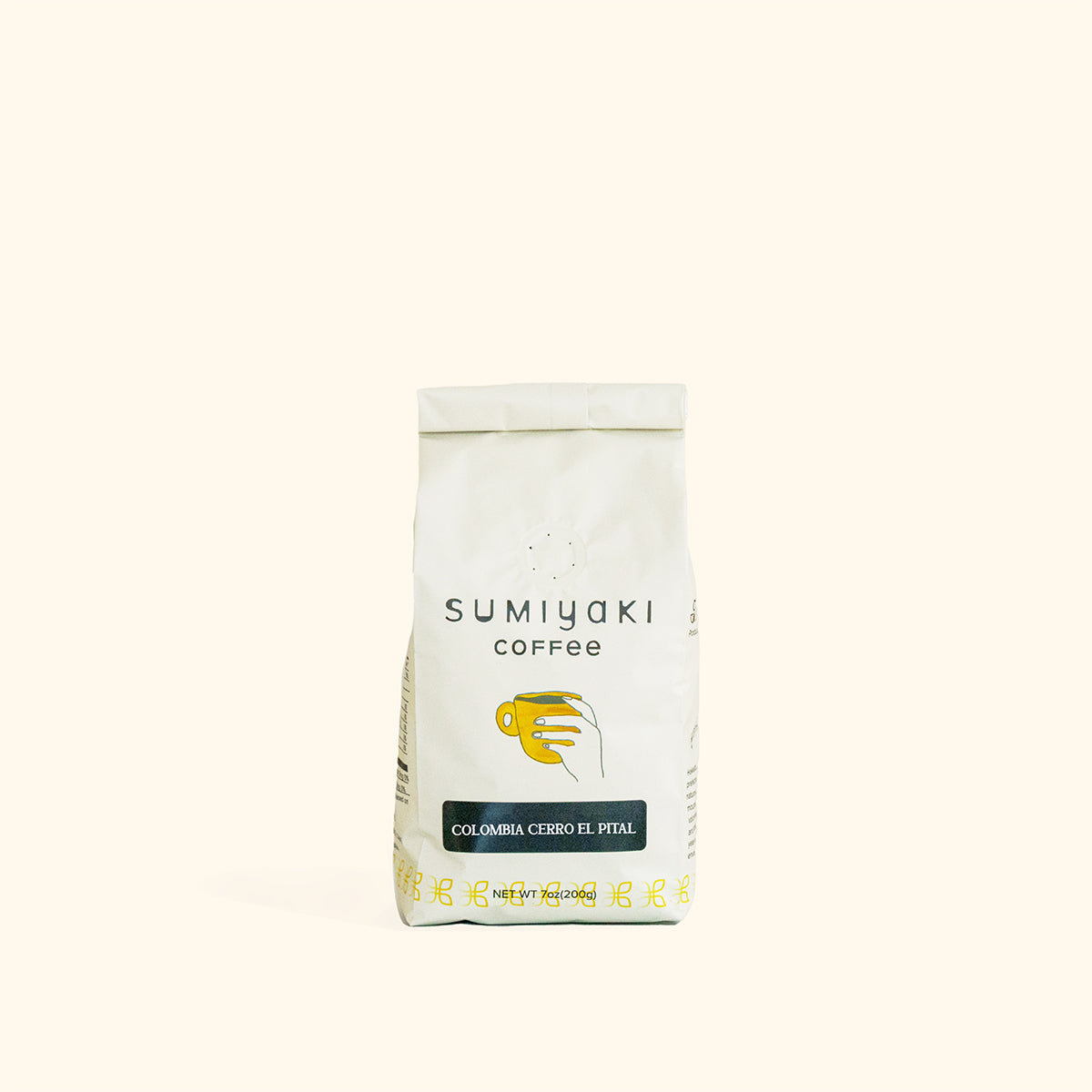
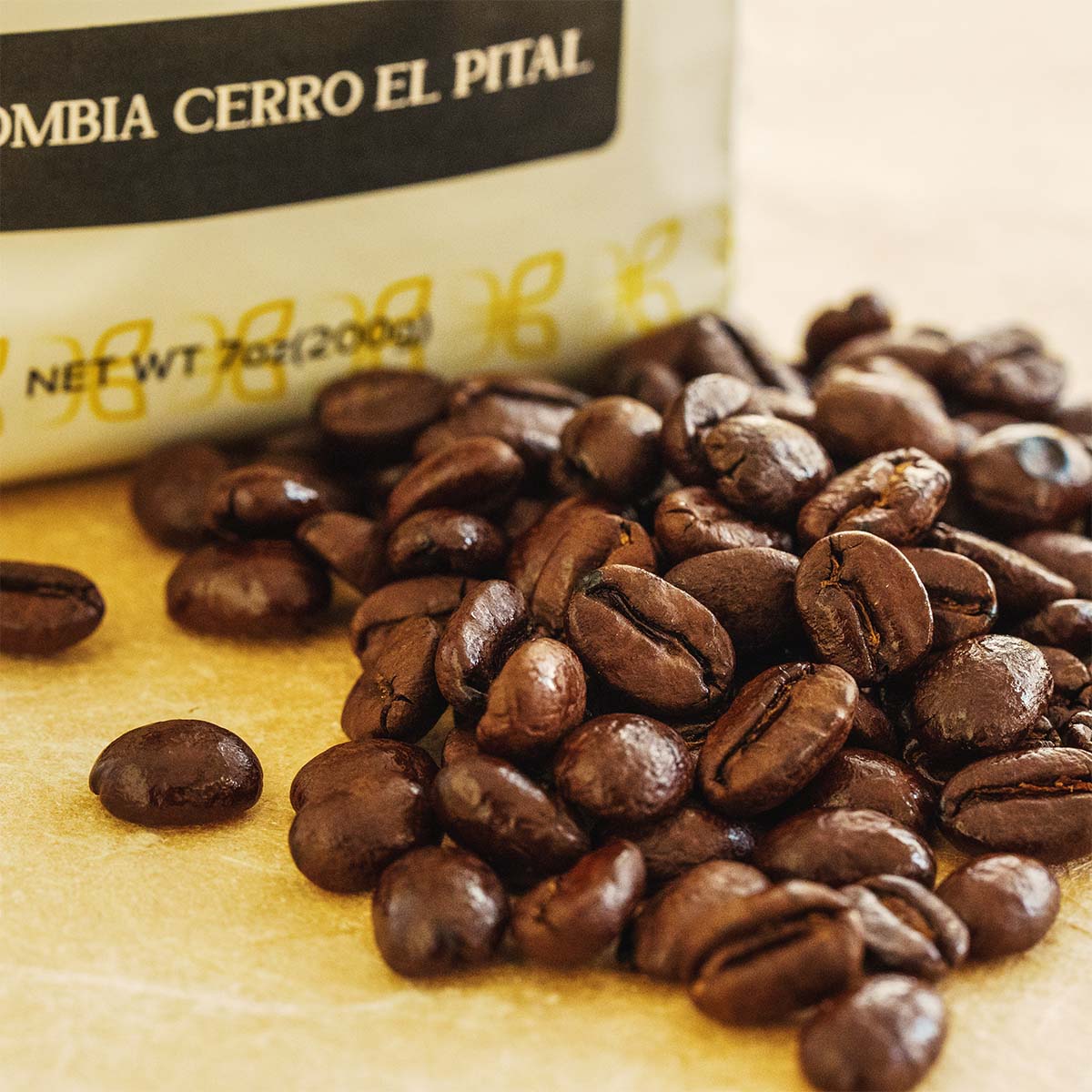
Colombia Cerro El Pital - Arabica Caturra

USD $40.00
Quick view

This exclusive single-origin coffee from Pital Mountain is a specialty-grade coffee certified by the FNC (Federation of Colombian Coffee Growers) and sourced from a contract farm in the Huila Department of Colombia. Grown at an altitude of 1700 meters in the lush, fertile region of Pital, this coffee benefits from the area's unique weather and rich soil, surrounded by majestic mountains and rivers like the Magdalena, Cauca, Caqueta, and Patia. Carefully selected by the COAGROBRISAS cooperative, this coffee captures the natural beauty and exceptional quality of one of Colombia’s most renowned coffee-producing regions.

5 reviews

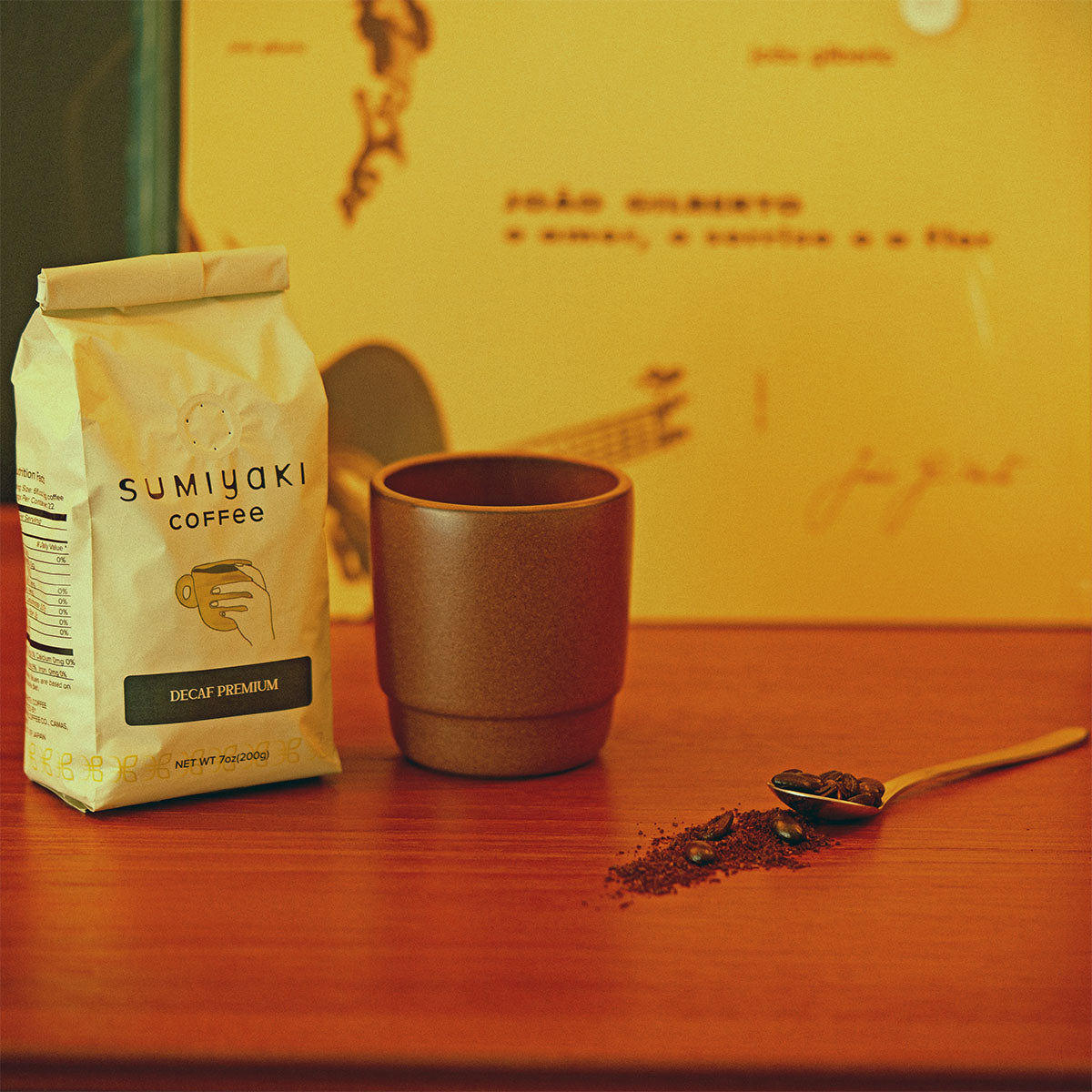
Decaf Premium Blend (Colombia, Brazil, Ethiopia)

USD $35.00
Quick view

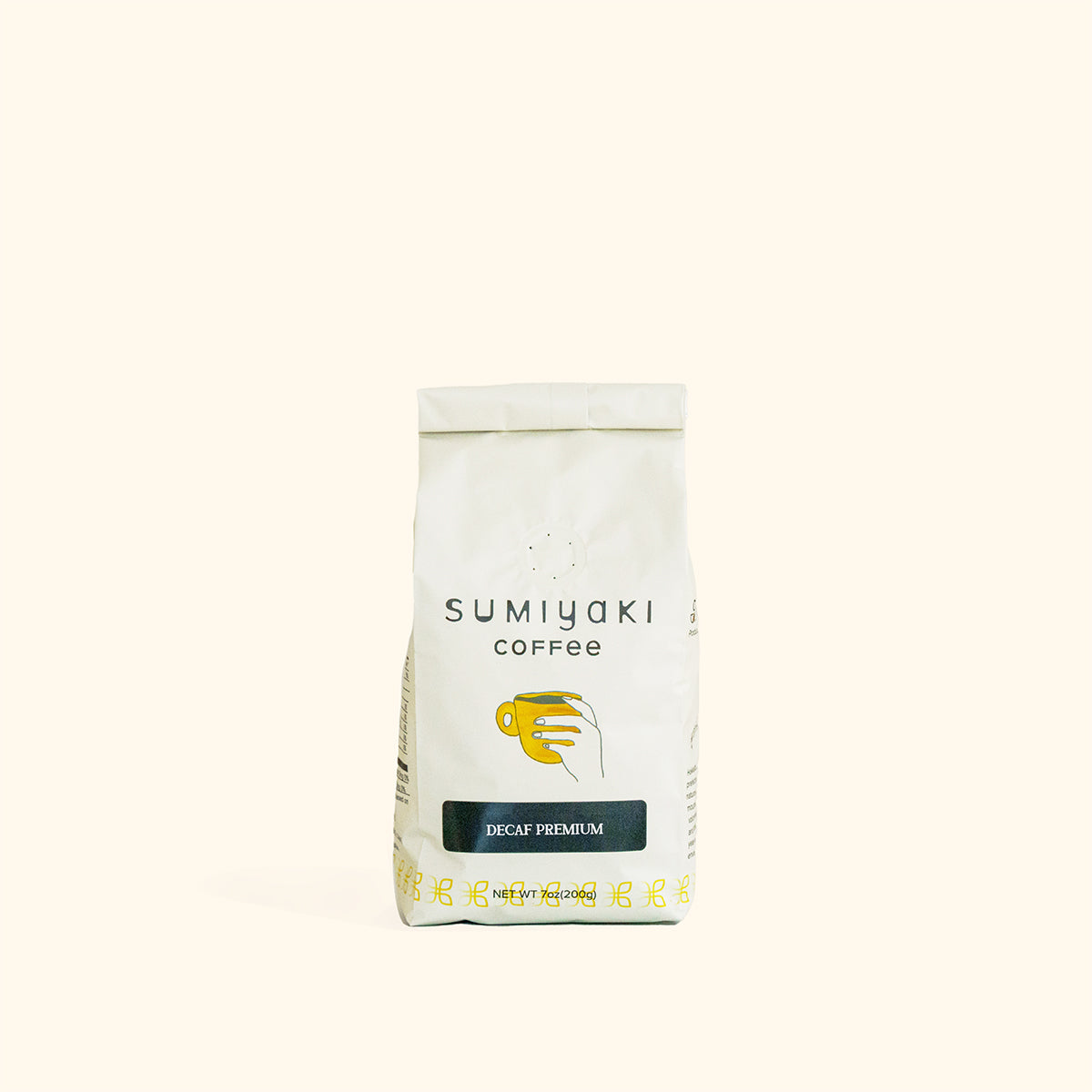
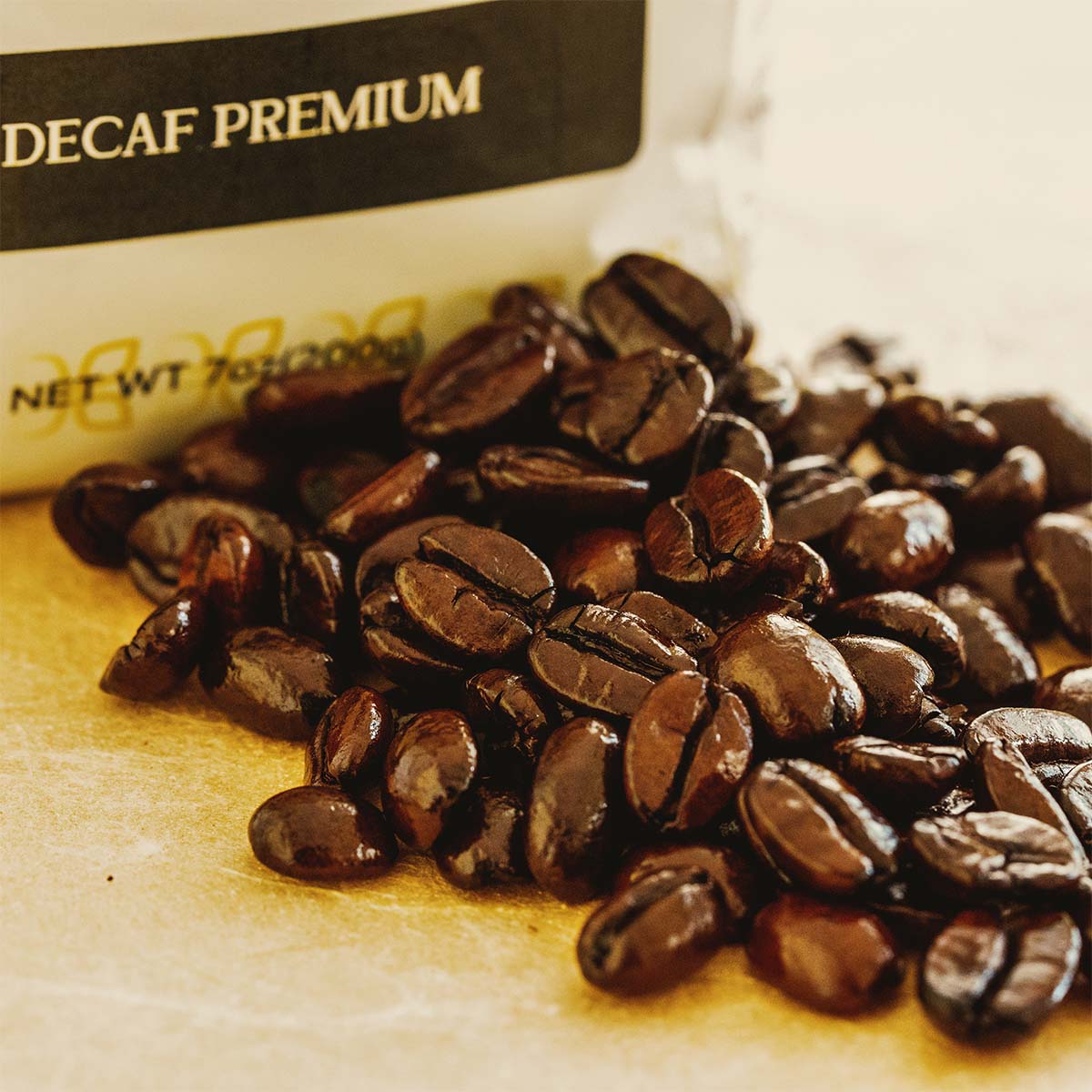
The secret behind Sapporo Coffee Kan’s original Caffeine-off blend lies in a groundbreaking German method called the "Liquid Dicarboxylic Acid Extraction Method," which removes 93–98% of caffeine while preserving the coffee’s original flavor, aroma, and richness. Unlike conventional decaf processes that strip away essential taste components, this technique uses a careful combination of low pressure and temperature over an extended period, ensuring the coffee’s delicious character remains intact. The beans are then roasted using Sapporo Coffee Kan’s unique CSR (Charcoal Straight Roasting) method, minimizing oxidation and preserving the coffee’s vibrant profile. As a result, this decaf coffee is so flavorful and satisfying that it is served at high-end restaurants with evening desserts, offering a true specialty coffee experience for caffeine-sensitive individuals, pregnant women, nursing mothers, and anyone advised to reduce caffeine intake.

16 reviews

Hokkaido Blend (Colombia, Brazil, Honduras, Indonesia)

USD $25.00
Quick view

Sapporo Coffee Kan's most popular and long-selling signature blend, known as "the house blend," offers a rich, full-bodied coffee experience with a pleasant, mild bitterness and a mellow taste. Crafted by adding the finest Mandheling Berkat Lingtong beans to the blend, it achieves a rare balance—delivering depth and complexity without the sharp acidity often found in other coffees. For those who prefer a smoother, less acidic cup without sacrificing richness and flavor, this special house blend truly hits the spot.

5 reviews

Select Blend Combination Set (Get 30% Off)

USD $110.00 USD $77.00
Quick view

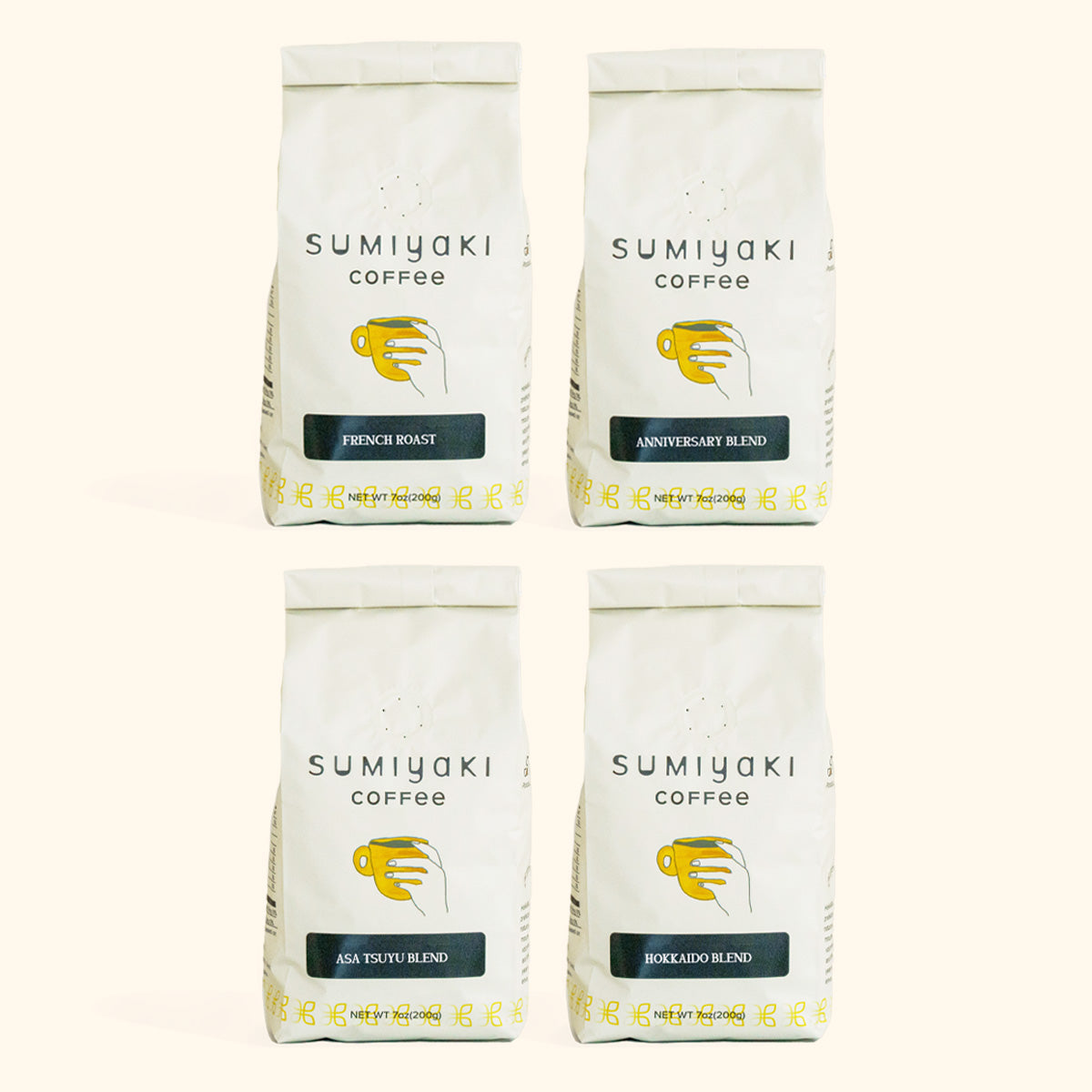
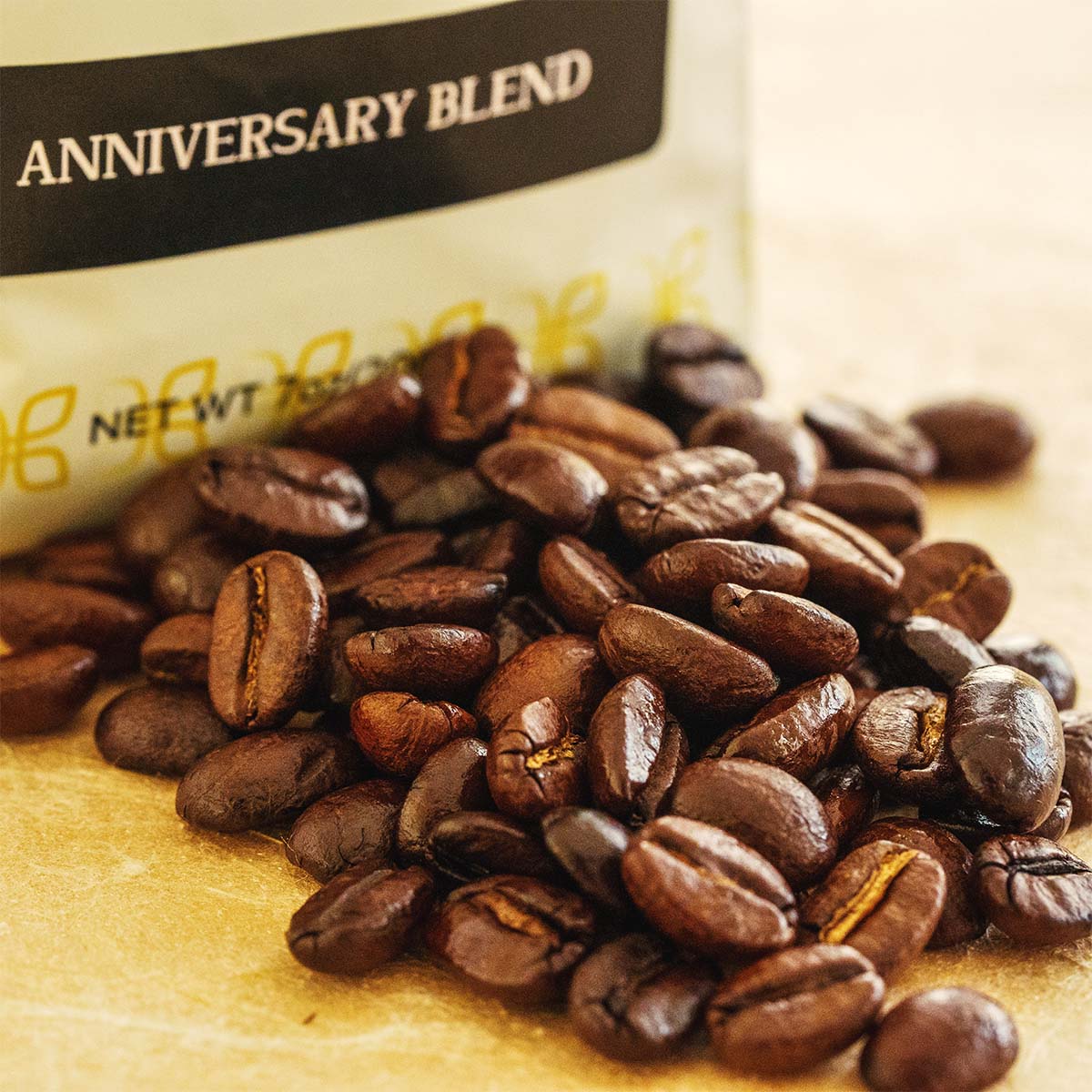
Get 30% off for a limited time when you purchase this special Combination Set featuring four of our most popular Premium Blend Sumiyaki Coffees. Your order will include four 200g packages: Anniversary Blend Coffee (Colombia, Brazil, Indonesia), the fruity favorite originally created for Sapporo Coffee Kan’s 30th anniversary; Asa Kiri Blend, a light roast with pure coffee flavor and a soft touch of sourness; Hokkaido Blend, the signature house blend beloved for its rich and balanced taste; and French Roast Blend, a dark, smoky roast perfect for pairing with milk or crafting café au lait and coffee cocktails. All beans are roasted to order under the expert blending tradition of Sapporo Coffee Kan, led by Ito Eiichi, the renowned “King of Blenders” in Japan, ensuring every cup is a masterful balance of flavor and aroma.

Asa-Yuu Blend Duo (Get 20% Off)

USD $50.00 USD $39.00
Quick view

Meet the Asa-Yuu Blend Duo (朝夕): a roasted-to-order set featuring Asa Tsuyu (light roast, Colombia/Brazil/Ethiopia) and Hokkaido (medium roast, Colombia/Brazil/Honduras/Indonesia). Bright in the morning, smooth and balanced through the day—now 20% off for a limited time.


Related Articles You May Be Interested

Myth Busted? - Coffee Is Not Healthy Like Green Tea
Can Japan Grow Coffee? - Coffee Quiz
Japanese Green Tea vs. Japanese Coffee
Is it ok to drink too much coffee daily? – Coffee Quiz
Is Coffee Good for Kids? – Coffee Quiz

Get Free Bonus Books

Join Japanese Coffee Club

Sign up for free to the Coffee Club to get advice and exclusive articles about how to choose Japanese Coffee, and tips, tricks, and recipes for enjoying Japanese coffee.

Unsubscribe anytime. It’s free!

About the author

Kei Nishida

Kei Nishida

Author, CEO Dream of Japan

info@japaneseCoffeeCo.com

Certifications: PMP, BS in Computer Science

Education: Western Washington University

Kei Nishida is a passionate Japanese tea and coffee connoisseur, writer, and the founder and CEO of Japanese Coffee Co. and Japanese Green Tea Co., both part of Dream of Japan.

His journey began with a mission to introduce the world to the unparalleled quality of Japanese green tea. Through Japanese Green Tea Co., he established the only company that sources premium tea grown in nutrient-rich sugarcane soil—an innovation that led to multiple Global Tea Champion awards.

Building on this success and his passion for Japanese craftsmanship, Kei expanded into the world of coffee, pioneering the launch of Japanese Coffee Co., the first company to bring Sumiyaki charcoal-roasted coffee to a global audience. His dedication to authenticity and quality ensures that this traditional Japanese roasting method, once a well-kept secret, is now enjoyed worldwide.

Beyond tea and coffee, Kei has also introduced Japan’s legendary craftsmanship to the world through Japanese Knife Co., making handmade katana-style knives—crafted by a renowned katana maker—available outside Japan for the first time.

Kei’s journey continues as he seeks out and shares the hidden treasures of Japan, one cup and one blade at a time.

Related Posts

The Story Behind Our Booth Backdrop: Craftsmanship, Engineering, and Sacred Wood
Behind the Scenes – How We Made the Event Booth & Backdrop Using Sacred Wood

Discover how our one-of-a-kind event booth came to life—from Japanese Kōshi (格子) design and rare Port Orford Cedar to mo

Read More
How to Make Japanese Coffee Jelly
How to Make Japanese Coffee Jelly (with Video Recipe)

Step up your coffee game with this unique Japanese coffee jelly recipe! Impress your guests and satisfy your sweet tooth

Read More
Balmuda Brings Japanese Lifestyle to Brooklyn – My First-Hand Journey at Cibone O’te

Step into Brooklyn’s ‘Little Tokyo’ where timeless Japanese craftsmanship meets sleek innovation—dashi, design, and dram

Read More
Leave a comment

Your email address will not be published..

Cart

Your cart is currently empty.

Start Shopping

Select options