Skip to content

Everything You Need to Know About Vietnamese Egg Coffee


I love eggs, and this unique Vietnamese coffee has caught my attention. Since there is not much information about this coffee, I thought of creating this blog post about this fantastic Vietnamese coffee.

Everything you need to know about Vietnamese Egg Coffee

1. What is the history of Ca Phe Trung (Vietnamese Egg Coffee)?

In the period of French domination of Vietnam, France imported coffee into Vietnam in 1857 and chose the Central Highlands as the place to cultivate this product that is said to be black gold favored by Europe. Since then, Vietnam has seen the appearance of coffee-bean-based drinks initially enjoyed by the wealthy but have progressively expanded to the poorer classes.

Since then, the first wave of coffee imported and culturally integrated into Vietnam arrived in 1975. Coffee served to eliminate the boundary between rich and poor, and everyone could enjoy it, a fragrant filter of coffee after a long day of work. As a result, both North and South Vietnam are seeing an increase in the number of coffee shops.

Nguyen Van Giang, who died in 1987, created egg coffee while working in a kitchen at the renowned French hotel Metropole. He encouraged Vietnamese people to enjoy this delightful drink when creating drinks for international diners, such as cappuccino dishes using components such as coffee, milk, ice cream, etc. However, because fresh milk cream was scarce and expensive at the time, most Vietnamese people could not afford it for themselves.

He immediately thought of a coffee and egg combination. He believed that Vietnam had a lot of tasty eggs, so why not take advantage of them? And since then, egg coffee began to appear at Giang's coffee shop in 1946, a drink that was unique to Vietnamese people at that time but at a low price that all classes of people could enjoy.

2. What makes Ca Phe Trung appealing?

Those who have never had egg coffee will have numerous questions about how the fishy flavor of eggs may be balanced with the bitter content of coffee. But once you've experienced it, no matter how picky a diner is, they'll be fascinated entirely by all five senses, from sight to smell to taste. This is because egg coffee is not only tasty but also visually appealing. The egg foam and coffee combination produce a beautiful golden brown color. Each black coffee bean is filtered through a filter, yet when mixed with beaten eggs, they appear to be divided, erupting in tiny dots and making countless gorgeous natural patterns.

Egg coffee tastes similar to brown coffee with condensed milk but without the intense sweetness when you drink it. It's identical to a latte or cappuccino but not as bland and sharper. The power of coffee remains, but before reaching the bitter aftertaste, the entire throat is filled with the delightful, soft, sweet fat of eggs, butter, sugar, and milk.

3. How to taste this drink properly.

When enjoying egg coffee, you should also consider using it to get the most out of the drink's distinct flavor.

  • The best way to enjoy egg coffee is to tilt the cup so that you can drink both the coffee and the egg cream. At this moment, the unique scent of coffee combines with the rich flavor of egg cream.
  • Use less egg cream on top and mix the coffee and egg cream. This drink will give you a sweeter taste of coffee while minimizing the bitterness of pure coffee.
  • To avoid fishy flavors, use coffee while it is still hot.

4. How to make tasty Vietnamese egg coffee

Those who have never had egg coffee will wonder if the coffee is fishy. Or how to make egg coffee without being fishy? Egg coffee ultimately conquers all senses, from sight to smell and taste, because they have a unique way of creating recipes. So let's find out this recipe right away.

Vietnamese Egg Coffee

Make the egg-cream mixture:

  • 2 Egg yolks
  • 20 ml Condensed milk
  • 20g Sugar
  • 10ml Rum or 1tsp vanilla for scent

Make coffee

  • 125 ml Filtered coffee
  • 30 ml Condensed milk 

Tools

  • Tea filter
  • Measuring cup
  • An egg whisk or egg beater
  • Mugs, cups, spoons

How to Make Ca Phe Trung Without Fishy

Step 1: Prepare the coffee filter: Rinse the filter with boiling water, fill it with 20g of coffee, and close the top. Pour 15ml of boiling water around the filter to allow the coffee to absorb the water uniformly. Then wait 2-3 minutes for the coffee to expand evenly, pour hot water over 3/4 of the filter, close the lid, and let the coffee flow out.

Step 2: Prepare the egg-cream mixture: Separate the egg yolks and set them in a large mixing bowl. Add the condensed milk, sugar, and alcohol to the bowl and beat with a spatula until the eggs thicken into cream, lifting them with a spoon. A comparison is acceptable. It just takes 2-3 minutes to beat a coffee machine.

Step 3: To make egg coffee, add 30ml of condensed milk after brewing the coffee filter and gently stir until the liquid is even. Keep in mind that you should start gently to keep the coffee warm and maintain the flavor. Then, slowly pour the egg-cream on top. Because the egg cream is lighter, it will float on top; run it with a 1:1 egg cream: coffee ratio to get the most exquisite level. Finally, garnish with a bit of cocoa powder.

Please note that only hot drinking egg coffee will bring the authentic taste of Hanoi, so if the coffee you brewed for a long time has cooled down, you should put it back in the microwave to heat the coffee. And especially, you should only pour egg cream on coffee to make egg coffee when you can enjoy it right away.

Or, if you want to enjoy this egg coffee longer, you can put the coffee cup in a bowl of hot water. This helps keep the coffee warm, and the eggs don't get cold or fishy.

5. Where can you find it in Vietnam?

Located in Ha Noi:

Ca Phe Giang: It is undeniable that Giang's egg coffee, from its birth to the present, has never needed to be advertised. People keep talking about the flavor of coffee here, about the joy of sitting and sipping a little cup of coffee at a small store on a small street corner. Customers will flock to you if you perform well in taste, so Giang coffee is regarded as having an "excellent" natural musk flavor. The shop's egg coffee is available in hot egg coffee and iced egg coffee. Giang Café's coffee is appropriately made, without a fishy aftertaste. Instead, you'll get a delicious coffee taste with a greasy aftertaste when you drink it. A stunning coffee cup is produced when the golden floating egg layer combines with the dark brown coffee layer to make a gorgeous coffee cup. Egg coffee in Giang is created not only from ingredients such as eggs, milk, and coffee but also with ingenuity, sophistication, and its unique secret in each stage. If the wrong ingredients are utilized, whisking the eggs quicker or slower by a second can also change the flavor. You might feel many things while sipping on g a cup of egg coffee in Giang. It's not simply meticulousness and care but also a genuine love of the job.

Vuon Pho Co Café: Vuon Pho Co Cafe is a famous coffee shop not just with Vietnamese visitors but also with foreign tourists. The shop has an ancient, vintage atmosphere that isn't overly decorated but evokes a unique attraction. The business is located on the top floor of a historic building, from where you can enjoy the scenic Hoan Kiem Lake and the pleasant Hanoi breeze.

The pleasant aroma of egg coffee entices visitors to the Vuon Pho Co Café. The egg coffee here is the same as at other coffee places. However, the coffee cup has been crafted to appeal to the eye, which moderates sweetness, producing a soft sensation on the tip of the tongue with a smooth, aromatic coffee flavor. At the weekends, sitting with a cup of coffee and a cup of sunflower seeds at the Vuon Pho Co Café is genuinely remarkable.

japanese coffee

Located in Ho Chi Minh:

Lưu Gia café & food:

According to the traditional recipe, egg coffee does not have a fishy smell since the eggs are only taken with the yolk and de-fished with flavorings and herbs. The area is tight, but it's cleverly laid out with two delightful floors. Upstairs is calm, like milk tea cafes, air-conditioned, and with jazz music playing, ideal for gatherings and working sessions. The ground floor has a more casual esthetic, suitable for those who appreciate naturalness and simplicity. With such an excellent environment for enjoying coffee, people may claim this place to be one of the spots to

enjoy egg coffee that tourists cannot miss when visiting Saigon. The unique combination of three drinks is called "egg coffee, egg cocoa, and egg matcha."

Lang Cafe:

When you visit Lang Café, which is located on the street in the heart of District 10, you will feel as if you have entered an entirely peaceful world, your realm. Lang Café is designed to be a welcoming clubhouse with a completely distinct welcoming style that will present you with a variety of surprising and thrilling experiences. You can wander about and have egg coffee in a pleasant environment with soothing sounds and colors. The second level, with its open, significant, distinct, and quiet space, is ideal for gatherings, birthday celebrations, etc.

Lang Café serves a nutritious, delicious, and hygienic egg coffee with ice cream for breakfast, prepared by expert chefs. This is also a peaceful area where you can surf the web, chat with friends, or work on your computer.

Conclusion

The line of people and cars below can speed away, diners arriving here can only sit for a second before hurrying away, time still flies, but the bitter-sweet flavor of egg coffee will remain with you for a long time. It is like rock music has been available for many years and has not ended, and we always have a complete domain of memories to recall.


FAQs about Vietnamese Egg Coffee

What is Vietnamese egg coffee, and is it actually made with egg?

Yes, real eggs. Vietnamese egg coffee (cà phê trứng) is hot or iced coffee topped with a foamy mixture of egg yolks, sweetened condensed milk, and sometimes vanilla. The egg yolks are whisked vigorously with the condensed milk until they form a custard-like foam — visually similar to a cappuccino but with a richer, denser texture. The foam sits on top of strong Vietnamese coffee, creating a layered drink that's eaten as much as drunk.

Created in 1946 in Hanoi by Nguyen Van Giang at Café Giang. The story: milk was scarce in postwar Vietnam, so Giang substituted whisked egg yolks for the dairy in a Vietnamese take on Italian cappuccino. Café Giang still exists in Hanoi and is the canonical destination for traditional Vietnamese egg coffee. The cultural significance is real; this isn't a tourist invention.

Vietnamese egg coffee has spread globally with the Vietnamese diaspora. Vietnamese cafés in major U.S. cities (San Francisco, Los Angeles, Houston, Boston) often serve egg coffee. The texture-and-flavor experience is genuinely distinctive — somewhere between coffee and dessert.

How does Vietnamese egg coffee actually taste?

Custard-like, sweet, deeply rich. The egg-and-condensed-milk foam tastes like crème brûlée or warm tiramisu mascarpone — sweet, thick, with cooked-egg richness that's not eggy in a savory sense. The strong Vietnamese coffee underneath cuts through the sweetness and provides the bitter-roasted backbone. Combined, it's not really coffee in the daily-coffee sense; it's a coffee-flavored dessert drink.

Sweetness is high — sweetened condensed milk does most of the flavor work. People who prefer unsweetened coffee usually find Vietnamese egg coffee too sweet for daily drinking. People who enjoy sweet coffee drinks (frappuccinos, mochas, lattes with syrup) usually love Vietnamese egg coffee.

Texture is the defining feature. The foam sits on top, you spoon through it as you drink, and the experience is more like eating warm custard than drinking coffee. Many first-time drinkers underestimate how substantial the drink is — half a serving often satisfies as a dessert-and-coffee combo.

Can I make Vietnamese egg coffee at home, or is it too tricky?

Doable, with practice. Method: brew strong Vietnamese coffee (use Vietnamese coffee beans like Trung Nguyen if available; otherwise dark-roasted French roast works) using a phin (Vietnamese drip filter) or strong espresso. While brewing, whisk 1 egg yolk + 1.5 tablespoons sweetened condensed milk + 1/2 teaspoon vanilla extract until thick and pale yellow (about 2-3 minutes of vigorous whisking; electric mixer is faster). Pour brewed coffee into cup, top with whisked egg foam, dust with cocoa powder if desired. Total time: ~10 minutes.

First attempts often produce thin foam (under-whisked) or grainy foam (egg over-cooked from too-hot coffee). The fixes: whisk longer until you get a thick, pale, custardy texture; let coffee cool slightly before topping (around 160°F / 70°C, not boiling).

Vietnamese coffee specifically uses Robusta beans, which are bolder and more bitter than Arabica. Substituting darker Arabica works but the resulting drink is slightly different. Japanese-style charcoal-roasted blends like the French Roast Blend approach Vietnamese coffee depth at high quality and could substitute well for the coffee base.

Is raw or undercooked egg in coffee actually safe?

Generally safe at typical use frequency, with caveats. Vietnamese egg coffee uses raw or barely-cooked egg yolk (the heat from coffee is partial cooking, but yolk doesn't fully heat through). Pasteurized eggs from commercial U.S. supply mostly eliminate Salmonella risk; standard raw eggs have small (about 1 in 20,000) Salmonella risk per egg.

People who should avoid raw-egg coffee: pregnant women, immunocompromised individuals, very young children, very elderly adults. Standard food-safety guidance about raw eggs applies. For these populations, pasteurized eggs (sold as such in U.S. supermarkets) eliminate the risk entirely.

For everyone else, occasional Vietnamese egg coffee at reputable cafés or made from quality eggs at home is low-risk. Daily consumption raises cumulative risk slightly but not dramatically. Most Vietnamese egg coffee drinkers globally have decades of consumption history without significant illness rates.

Where can I try authentic Vietnamese egg coffee outside Vietnam?

Vietnamese cafés in U.S. cities with significant Vietnamese-American populations are the standard. San Francisco Bay Area, Los Angeles, Houston, Dallas, Atlanta, Boston, and Washington DC all have multiple Vietnamese cafés serving egg coffee. Cafés explicitly named "Vietnamese" or "cà phê" usually have it on the menu. New York, Chicago, and Toronto have growing Vietnamese café scenes too.

If your city has a Vietnamese restaurant district (Little Saigon neighborhoods exist in many U.S. cities), the cafés there typically serve egg coffee. Yelp and Google search for "Vietnamese egg coffee near me" identifies specific options in most major metropolitan areas.

Outside the U.S., Vietnamese diaspora cafés in Australia (Sydney, Melbourne), France (Paris specifically), Germany, and the UK serve egg coffee. Less common in non-Western Asian countries with their own coffee traditions (Japan, Korea, Taiwan), where Vietnamese coffee is more of a tourist-curiosity option than a mainstream offering.

Related products

16 reviews

Hokkaido Blend (Colombia, Brazil, Honduras, Indonesia)

USD $25.00
Quick view

Sapporo Coffee Kan's most popular and long-selling signature blend, known as "the house blend," offers a rich, full-bodied coffee experience with a pleasant, mild bitterness and a mellow taste. Crafted by adding the finest Mandheling Berkat Lingtong beans to the blend, it achieves a rare balance—delivering depth and complexity without the sharp acidity often found in other coffees. For those who prefer a smoother, less acidic cup without sacrificing richness and flavor, this special house blend truly hits the spot.

37 reviews

Hokkaido Blend Single-Serve Pour-Over - Disposable Filter Bag

USD $42.00 USD $39.00
Quick view

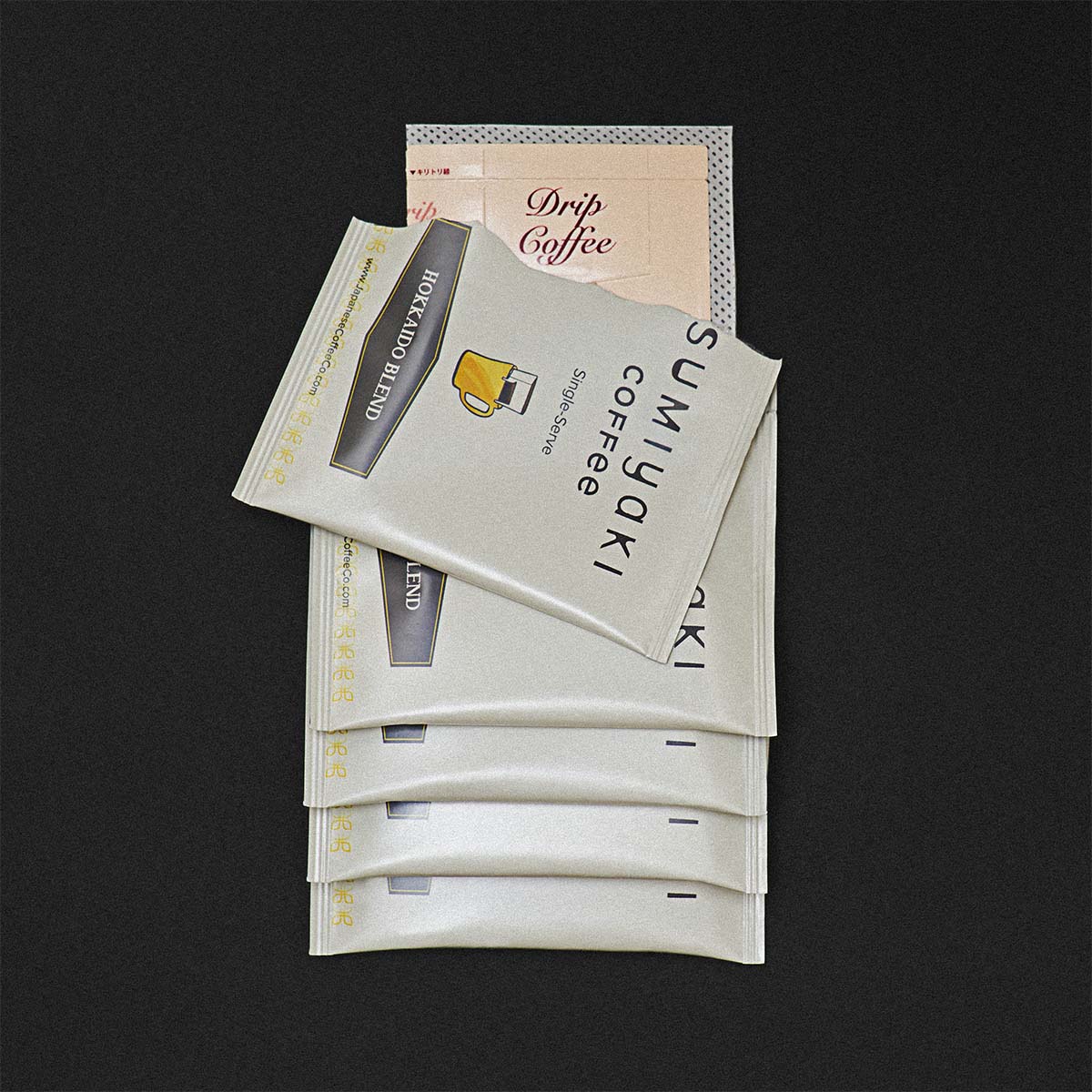
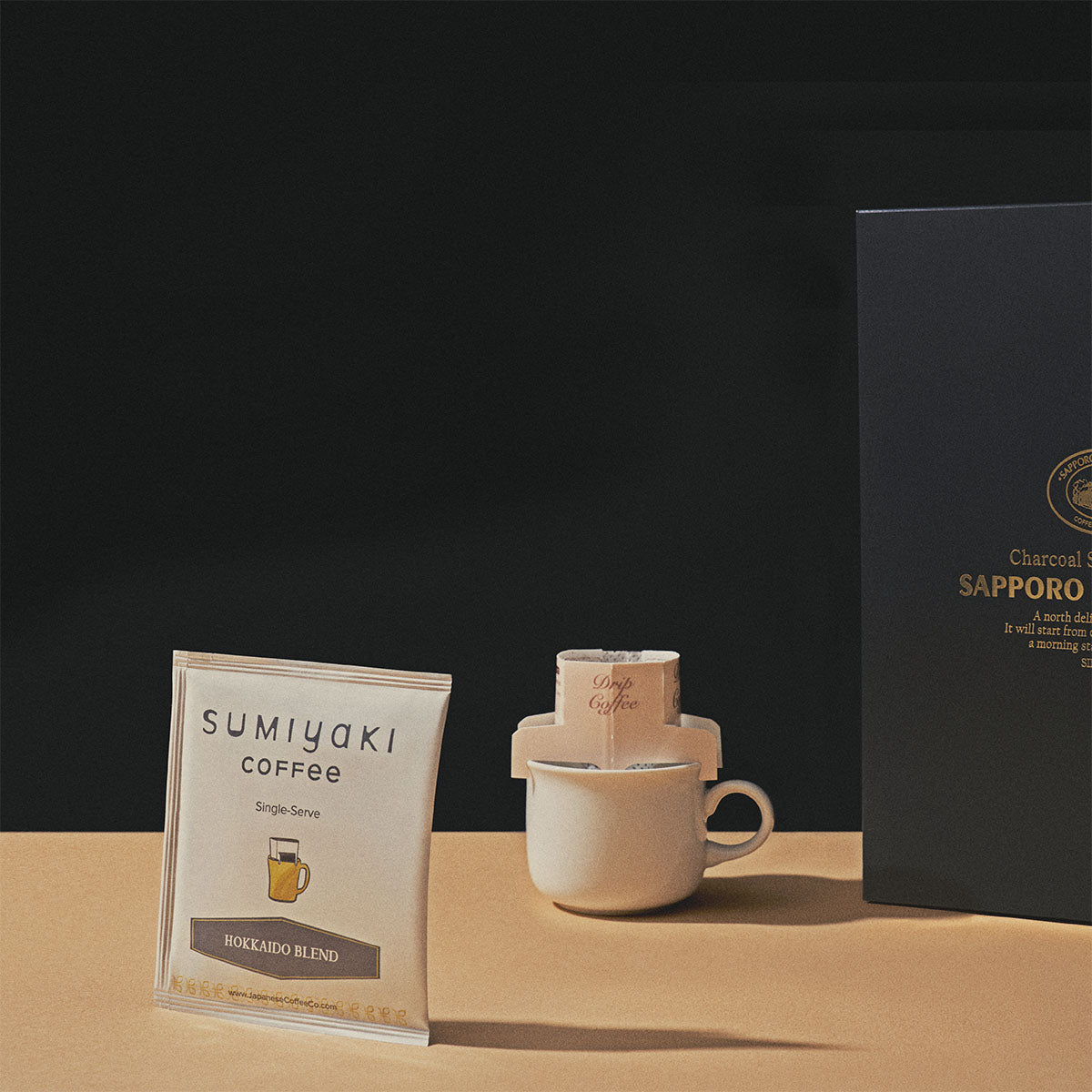
The Single-Serve Disposable Filter Bag (Cup-On) is an ingenious coffee-brewing method that has been popular in Japan for quite some time but remains lesser known elsewhere. Designed to hold the perfect amount of ground coffee for a single cup, each filter bag features a clever paper structure that securely stabilizes onto your cup—just pour hot water, and voilà, a fresh and delicious drip coffee is ready with minimal effort and no special equipment. What sets this Cup-On apart from other pour-over filters is its unique 4-point system, an innovative design that prevents the filter from becoming soaked after pouring, ensuring a consistent and flavorful brew. Among the many variations of cup-on filters available in Japan, this premium version stands out for delivering an exceptional pour-over experience crafted for true coffee enthusiasts.

28 reviews

Hokkaido Blend Single-Serve Pour-Over Gift Box Set

USD $85.00 USD $79.99
Quick view

Looking for the perfect gift for a coffee lover? This beautifully rustic gift set features four of our most popular Sumiyaki coffees, each portioned into single-serve disposable filter bags designed for an effortless pour-over experience. Each filter bag holds the ideal amount of ground coffee for one cup and includes a clever paper structure that stabilizes securely onto your cup—just pour hot water and enjoy a fresh, delicious brew with minimal effort. This ingenious brewing method, known in Japan as "Cup-On," brings the joy of café-quality drip coffee anytime, anywhere without the need for special equipment. The set includes 28 single-serve bags, and each package is thoughtfully designed with an easy-open cut line and a pro tip for optimal brewing: lightly tap the coffee grounds with a spoon to even the surface for a perfectly balanced cup.

2 reviews

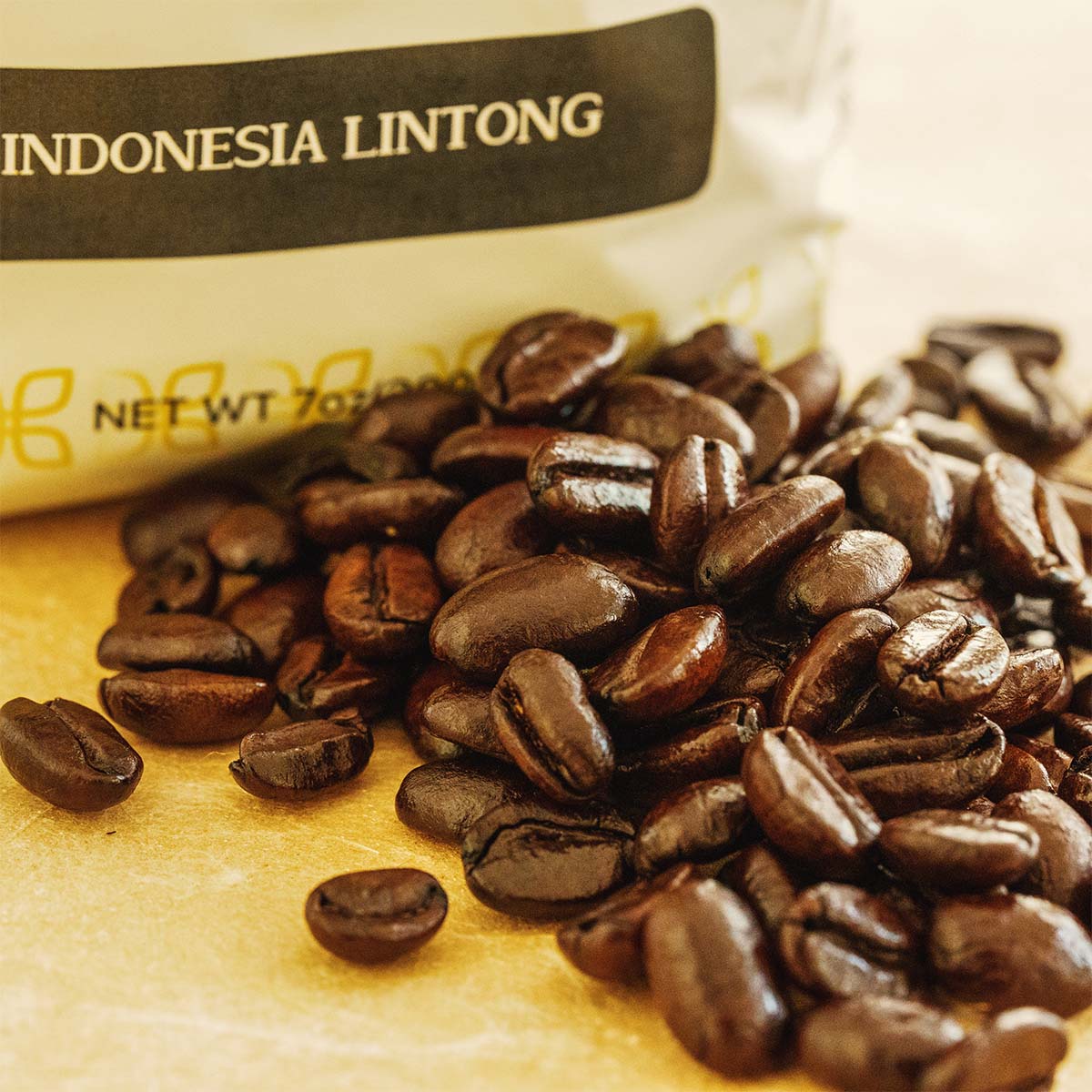
Indonesia Lintong - Arabica Typica

USD $48.00
Quick view

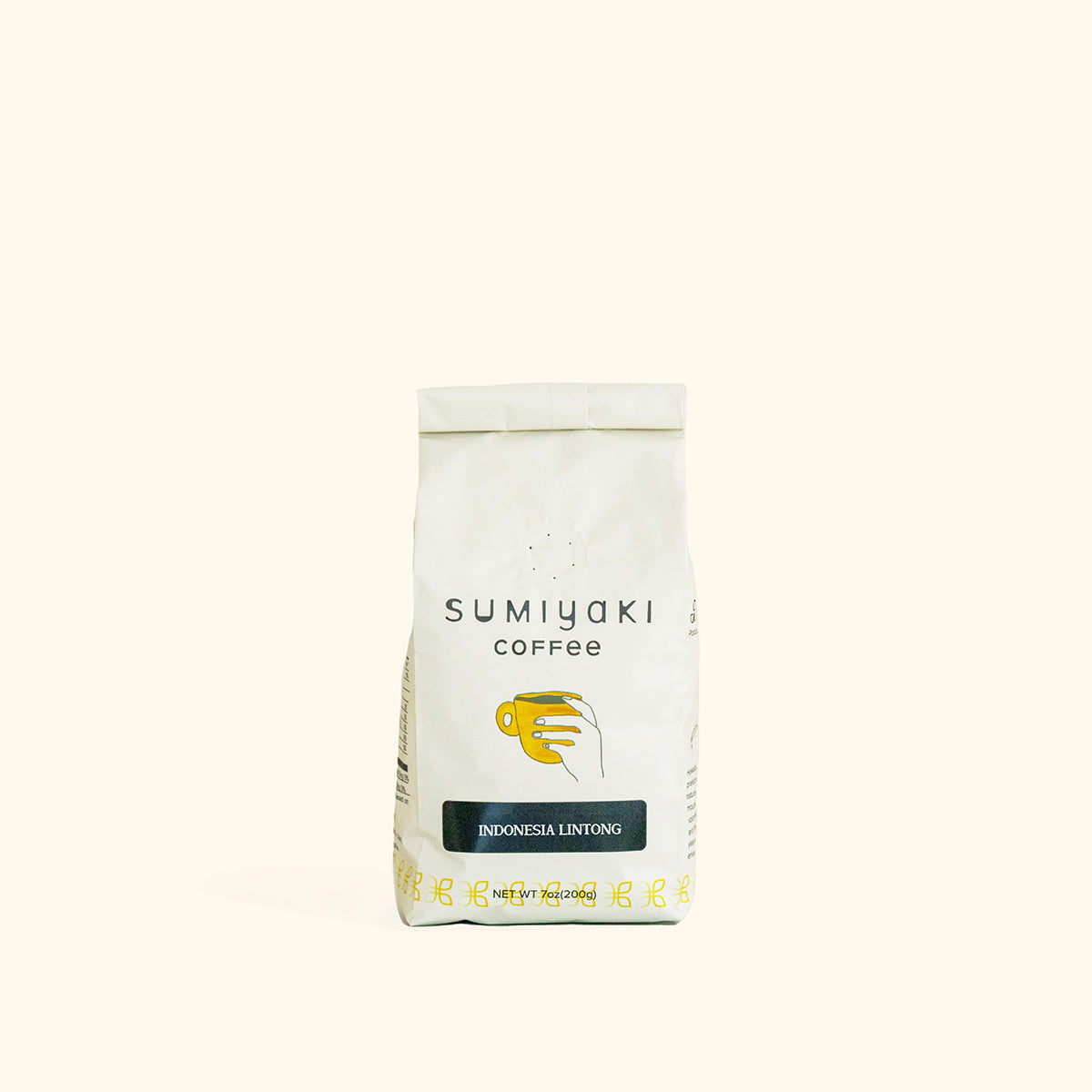
This exclusive contract farm coffee, Mandheling Berkat Lingtong, comes from the lush, fertile region of Lingtong Nihuta, located south of Lake Toba in North Sumatra. Grown at an altitude of 1350 to 1400 meters, this special variety—meaning "the blessing of Lingtong" in Indonesian—is distinct from the more common Mandheling coffee. Cultivated without artificial chemicals on humus-rich soil, the coffee trees are carefully spaced at four-meter intervals, allowing them to grow thick, strong, and healthy for decades, producing large, vibrant red cherries. Around 40 local families handpick and deliver the cherries to a fine selection factory, where they are traditionally processed using the Sumatran method and meticulously screen sorted, resulting in Sapporo Coffee Kan’s original specialty coffee with rich, complex flavors.

10 reviews

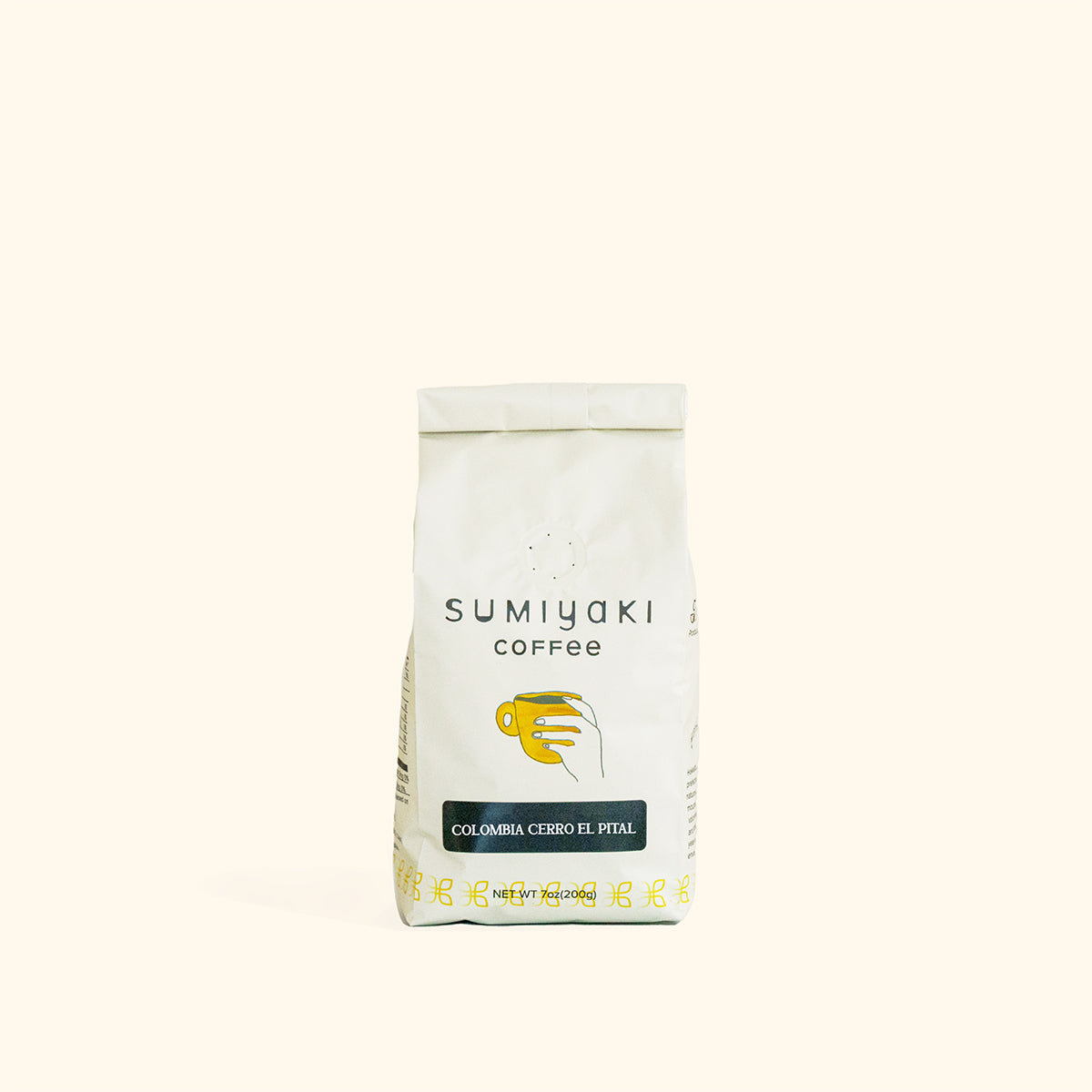
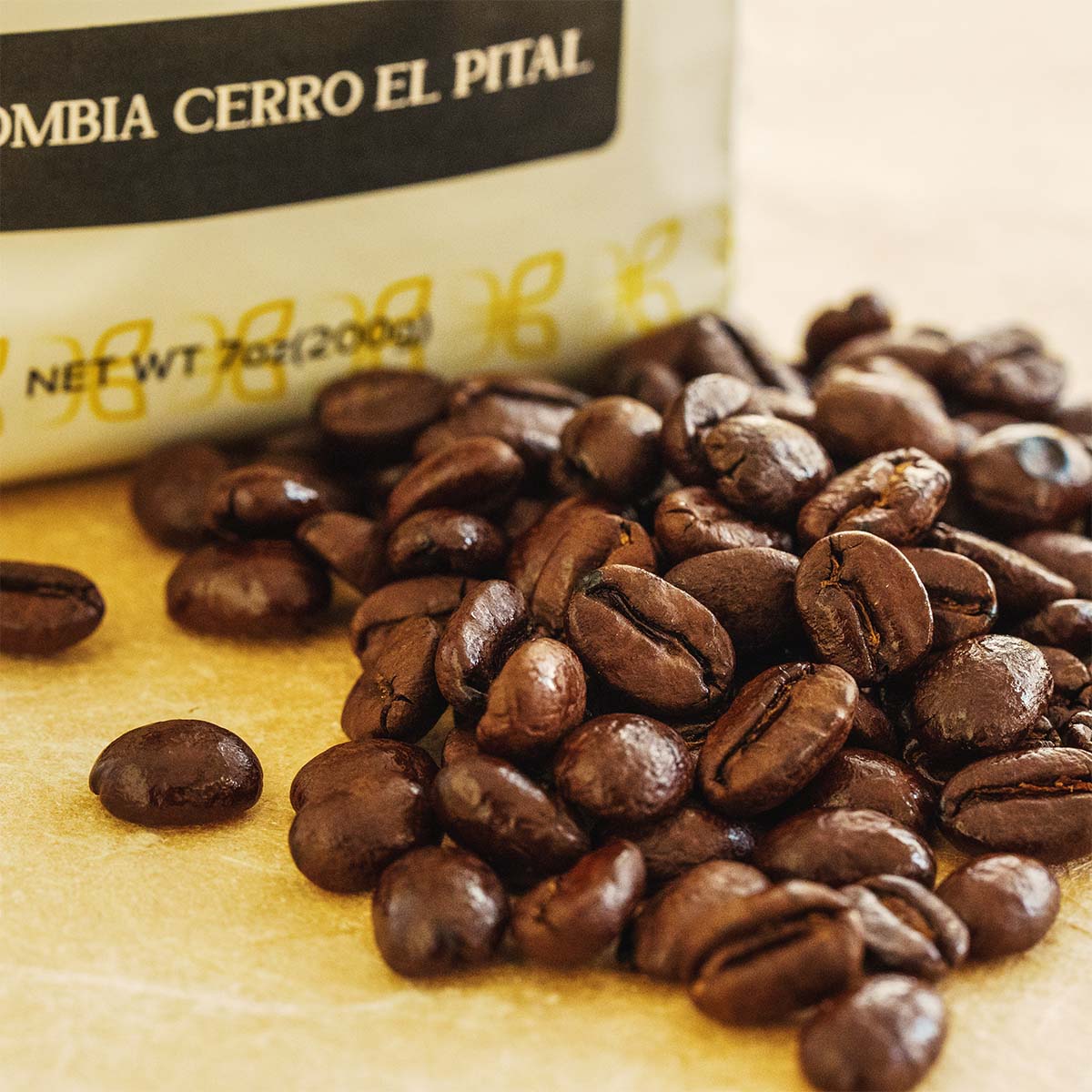
Colombia Cerro El Pital - Arabica Caturra

USD $40.00
Quick view

This exclusive single-origin coffee from Pital Mountain is a specialty-grade coffee certified by the FNC (Federation of Colombian Coffee Growers) and sourced from a contract farm in the Huila Department of Colombia. Grown at an altitude of 1700 meters in the lush, fertile region of Pital, this coffee benefits from the area's unique weather and rich soil, surrounded by majestic mountains and rivers like the Magdalena, Cauca, Caqueta, and Patia. Carefully selected by the COAGROBRISAS cooperative, this coffee captures the natural beauty and exceptional quality of one of Colombia’s most renowned coffee-producing regions.

3 reviews

Brazil Cerrado - Arabica Catuai

USD $35.00
Quick view

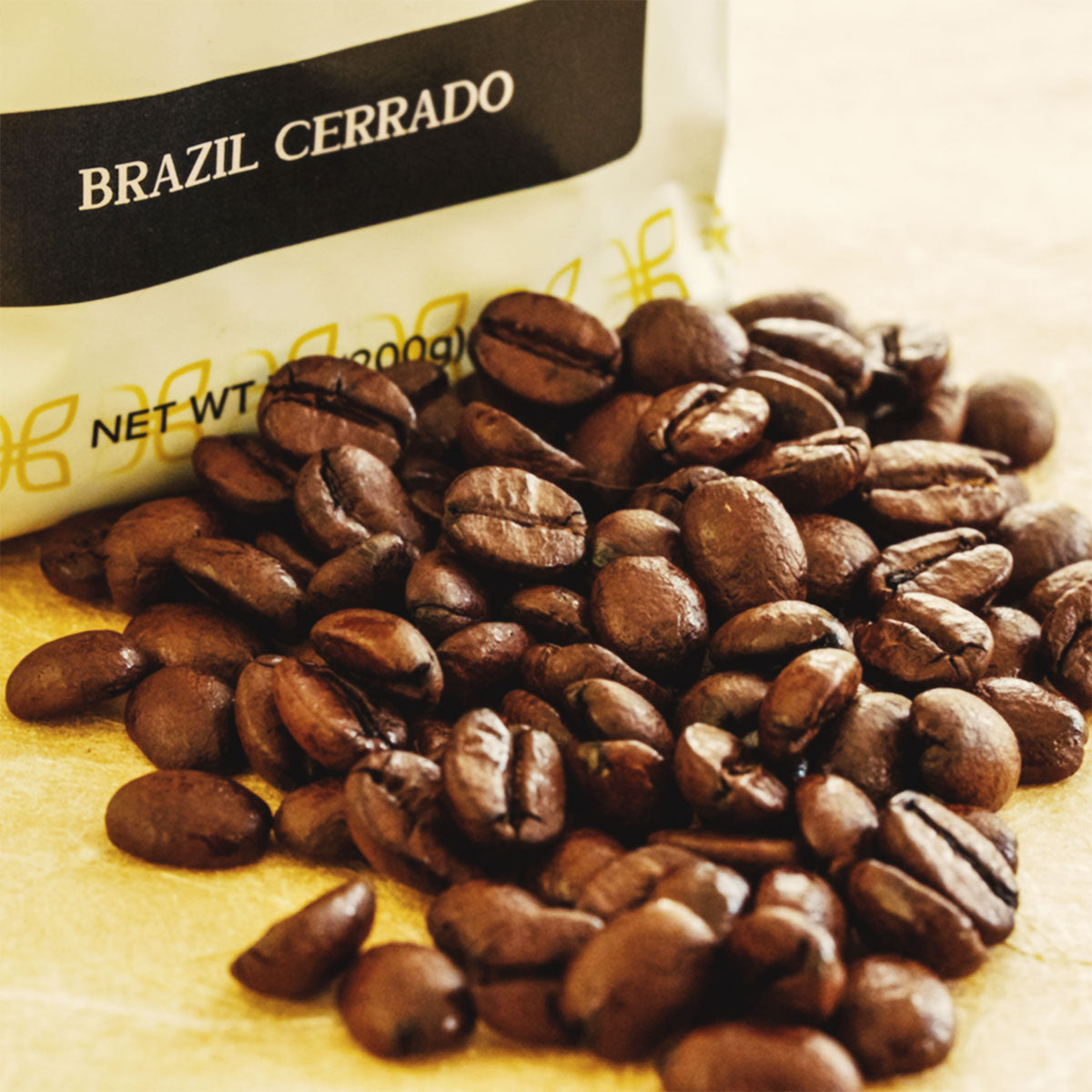
This exclusive contract farm coffee from Brazil’s Cerrado region comes from the Shimada Plantation, managed by third-generation Japanese American coffee producer Hugo Shimada. Since 2018, a direct partnership has connected us to this farm, located in the Patrocínio municipality of Minas Gerais, a renowned area for producing exceptional coffee. To preserve the beans' natural sweetness and distinctive character, the coffee is processed using the natural method, allowing the beans to stay in contact with the ripened cherry longer and absorb its rich flavors. Stored carefully and aged in the cherry form, this process brings out a deep, sweet, and vibrant profile in every cup. To ensure even higher quality, production is limited to a select 247-hectare area, capturing the true individuality and excellence of the Cerrado terroir.


Related Articles You May Be Interested

Vietnamese Coffee vs Japanese Coffee
Married Beans, Vietnam VS Sapporo Coffee Kan, Japan
Coffee Flavor Terminology - Everything You Need to Know
Everything You Need to Know about Different Types of Coffee - List of every type of coffee in the universe (maybe)
Everything You Need to Know about Different Types of Coffee  - List of every type of coffee in the universe (maybe)
Starbucks Vs. Sapporo Coffee Kan

Get Free Bonus Books

Join Japanese Coffee Club

Sign up for free to the Coffee Club to get advice and exclusive articles about how to choose Japanese Coffee, and tips, tricks, and recipes for enjoying Japanese coffee.

Unsubscribe anytime. It’s free!

About the author

Kei Nishida

Kei Nishida

Author, CEO Dream of Japan

info@japaneseCoffeeCo.com

Certifications: PMP, BS in Computer Science

Education: Western Washington University

Kei Nishida is a passionate Japanese tea and coffee connoisseur, writer, and the founder and CEO of Japanese Coffee Co. and Japanese Green Tea Co., both part of Dream of Japan.

His journey began with a mission to introduce the world to the unparalleled quality of Japanese green tea. Through Japanese Green Tea Co., he established the only company that sources premium tea grown in nutrient-rich sugarcane soil—an innovation that led to multiple Global Tea Champion awards.

Building on this success and his passion for Japanese craftsmanship, Kei expanded into the world of coffee, pioneering the launch of Japanese Coffee Co., the first company to bring Sumiyaki charcoal-roasted coffee to a global audience. His dedication to authenticity and quality ensures that this traditional Japanese roasting method, once a well-kept secret, is now enjoyed worldwide.

Beyond tea and coffee, Kei has also introduced Japan’s legendary craftsmanship to the world through Japanese Knife Co., making handmade katana-style knives—crafted by a renowned katana maker—available outside Japan for the first time.

Kei’s journey continues as he seeks out and shares the hidden treasures of Japan, one cup and one blade at a time.

Related Posts

Balmuda Brings Japanese Lifestyle to Brooklyn – My First-Hand Journey at Cibone O’te

Step into Brooklyn’s ‘Little Tokyo’ where timeless Japanese craftsmanship meets sleek innovation—dashi, design, and dram

Read More
Exciting News: We Acquired the History of Katana YouTube Channel!

Welcome to the famed History of Katana YouTube Channel—unlocking rare stories, epic blades, and what comes next. Curious

Read More
Mikado Coffee: A Timeless Brew With a Legacy in Japan
Mikado Coffee: A Timeless Coffee With a Tradition in Japan - Cafe Spotlight

Is Mikado just another café—or the soul of Japan’s coffee culture? Step inside and uncover the rich legacy brewed into e

Read More
Leave a comment

Your email address will not be published..

Cart

Your cart is currently empty.

Start Shopping

Select options