Skip to content

What Happens If You Heat Up Cold-Brew Coffee?


The cold-brew coffee fan base is growing ever bigger. You see cold-brew coffee tutorials online and social media users flexing their cold-brew coffee drink, accompanied, of course, by the ubiquitous hashtag. In addition, more and more shops are putting up signs announcing the availability of this coffee option. So what exactly is cold-brew coffee, and what makes it so appealing?

cold brew japanese coffee

Making Cold-Brew Coffee

Let's make this clarification right off the bat: cold-brew coffee is not the same as iced coffee. Iced coffee is typically just the usual drip coffee served cold with ice. On the other hand, cold-brew coffee is made by steeping coffee beans in cold water for 12 hours or overnight for a full 24 hours. Instead of using heat to extract the beans' flavor, sugar, and caffeine, you use time instead. As it happens, time is a more sympathetic processing agent. It doesn't result in the bitter taste that heat can extract. Instead, cold-brew coffee is more mellow-tasting with a smoother, richer, and more palatable flavor.

Nonetheless, you have to understand that what you're essentially ending up with when you cold brew coffee is a concentrate. As intense as it is, the usual way to prepare it for drinking is to dilute it with water. Coffee experts suggest starting with a 1:8 ratio, which elicits the standard strength and intensity commonly acceptable. However, if you're opting for a cold brew to get a bolder drink, a 1:5 ratio should work well for you. To avoid regrets, do not dilute an entire carafe; dilute as you drink so you can keep your options open.

iced black coffee

Cold-Brew Coffee Appeal

You can already glean some of the perks cold-brew coffee offers from the preceding paragraphs, but here are the most common ones listed more clearly.

High Caffeine Content

If you're drinking cold-brew coffee straight, then the caffeine kick is extra strong. Diluting it with water would considerably weaken it. However, you can still get more caffeine than the usual drip coffee, depending on the concentrate-to-water ratio. A higher caffeine content means better access to caffeine's benefits, including a higher after-burn effect for weight loss and increased blood flow to the brain for boosted cognitive function, a higher level of alertness, and an enhanced mood.

Less Bitterness, Less Acidity

Heat makes some of the compounds in coffee, mainly chlorogenic acid and quinic acid, release a bitter, more acidic flavor. That's why those with a sensitive stomach or acid reflux can generally better tolerate cold-brew coffee.

Low Maintenance Preparation

Brewing involves setting the coffee beans in water and then forgetting it for the next 24 hours. One brewing process can give you a volume of concentrate that can probably last you a week.

Japanese black coffee

Hot Cold-Brew Coffee?

Cold-brew coffee may have been more aggressively marketed as a summer drink, but it is more versatile than that. So what happens when the cold season begins, and you start longing for the comfort of a hot drink? Would it be okay to heat your cold-brew coffee?

Some vehemently oppose heating cold-brew coffee. They say that the introduction of heat would ruin everything they love about it; however, this may not necessarily be true. There are different camps on the matter of heat affecting the flavor and acidity of cold-brew coffee.

One side claims that since cold-brew coffee involves a concentrate, it already has its character locked in. The main thing that would alter it is dilution with water and the addition of other elements.

Heat, in itself, supposedly won't do anything to cold-brew coffee except make it hot. What about the coffee's acidic quality? Again, the concentrate's make-up is already preserved. If done right, meaning there aren't any additional coffee grounds, heating cold-brew coffee won't raise its acidity.

The other opinion is that heating cold-brew coffee would alter its flavor, but in such a subtle way that it would be undetectable by the unlearned palate. No matter how slight, a bitter quality is supposedly introduced by the exposure of the concentrate's chlorogenic acid and quinic acid to heat. Meanwhile, these two are also the culprits behind the subtle increase in acidity. To avoid raising the concentrate's acidic quality, heating should be done through the addition of hot water, so there's no direct exposure to the heat source.

How to cold brew a japanese coffee

How to Heat Cold-Brew Coffee

While you can heat cold-brew coffee, there are still right and wrong ways to do it. Take note, however, to avoid heating for too long, even if you're using a suitable method. This will cause chemical reactions as well as evaporation that will give the drink an overall unpleasant taste.

Recommended Heating Methods

If you must heat your cold-brew coffee, these are the ways to do it so you don't end up ruining it.

Stovetop

Mix concentrate and water according to your desired ratio in a kettle or saucepan. Using low fire, heat until the concoction begins to steam and then simmer for another minute before removing from heat. Pour into a cup and let sit until cool enough to drink.

Hot Water Addition

First, rinse your cup with hot water to warm it. Next, fill it with the desired amount of cold brew concentrate and follow with a suitable amount of hot water.

Discouraged Heating Methods

Shortcuts are not recommended since cutting corners will only lead to disappointment, so avoid these options.

Microwave

Considering its record for uneven heating, nuking won't mix the water and the concentrate in the way they should be combined.

Electric Kettle

Heating cold brew concentrate in an electric kettle will likely result in the concentrate sticking to the coils, resulting in an undrinkable mess that's also hard to clean up.

Large Batch Heating

Heating coffee accelerates its chemical reactions with oxygen, which hastens its aging. Since degradation of coffee by oxidation is slowed down in the cold brewing process, hold onto this benefit by heating just what you intend to drink to avoid the need for reheating.

Enjoying Cold-Brew Coffee Hot

Don't be misled by the term. Cold-brew coffee can certainly be heated up. If done right, you can enjoy it hot with all its good qualities intact.

When you decide to heat your cold brew coffee to a suitable temperature and enjoy the warmth from the inside out, a high-quality coaster is particularly important. It not only effectively insulates and protects the table from high temperature damage, but also adds a unique style to your coffee time.

You need to choose a material with good heat insulation performance, such as coasters made of PVC patches, to ensure that they can effectively insulate and last for a long time. Moreover, the coasters made of Custom PVC Patches allow you to choose the style, color, and size of the coasters according to personal preferences and home style. And this kind of coaster is easy of easy-to-clean material and design, making daily maintenance easy and simple.


FAQs about Heating Up Cold-Brew Coffee

What happens if I heat up cold-brew coffee?

It tastes flat, not bad. Cold-brew coffee is brewed at room or refrigerator temperature with extended brewing time (12-24 hours). The cold extraction produces a different flavor profile than hot brewing — less acidity, less bitterness, more emphasis on smooth chocolate-and-caramel notes. Heating up cold-brewed coffee preserves these characteristics; you don't get hot-brew character by heating cold-brew. Result: warm coffee that tastes "smooth and clean" but missing the brightness and aromatic intensity of fresh hot-brewed coffee.

The chemistry: heat doesn't change what was extracted; it just warms the existing extraction. Cold-brewed coffee that's heated has the same compound profile as cold-brewed coffee, just at higher temperature. This is different from cold drip or refrigerator-cooled hot-brewed coffee, where you lose volatile aromatics during cooling.

Practical: heated cold-brew coffee is fine for warmth in cold weather but doesn't deliver the full hot-brewed experience. If you want hot coffee, brew it hot. If you have cold-brew on hand and want warmth, heating works but accept the flavor profile.

How should I heat up cold-brew coffee for best results?

Stovetop, gentle heat, brief warming. Pour cold-brew into a small saucepan. Heat over medium-low heat for 60-90 seconds, until just steaming but not simmering or boiling. Don't bring to boil — boiling cold-brew over-extracts compounds that didn't extract during the cold-brewing process and produces bitterness that wasn't there before.

Microwave alternative: cold-brew in mug, microwave 60-90 seconds at medium power, stop before boiling. Microwave is convenient but less precise; cold-brew can scorch in spots from microwave hot spots. Stovetop is the higher-quality option.

Don't reheat cold-brew that's already been heated. Once warmed and cooled, cold-brew loses additional flavor; reheated cold-brew tastes notably worse than freshly-warmed. If you're heating cold-brew, drink within an hour of heating.

Is heated cold-brew the same as just hot-brewing the same beans?

No, dramatically different. Cold-brew extraction at refrigerator temperature for 12+ hours produces low-acid, smooth-character coffee with limited extraction of bright acid compounds and aromatic oils. Hot-brewing the same beans at 200°F for 4 minutes produces high-acid, bright-character coffee with full aromatic extraction.

The two methods can use the same beans but produce different cups. Heating cold-brew warms the cold-brew character; brewing the same beans hot produces hot-brew character. They're not interchangeable. JPCo's Hokkaido Blend demonstrates this — it can be cold-brewed for smooth daily drinking or hot-brewed for fuller character; the same beans deliver dramatically different cups depending on method.

Practical: don't try to convert cold-brew to hot-brew by heating. If you want hot coffee, brew hot from fresh beans. If you want warm-but-not-fresh-hot, heated cold-brew is fine. Plan brewing method to match desired drinking format.

When does heating cold-brew make practical sense?

Three scenarios. First, leftover cold-brew you don't want to waste — heating produces drinkable warm coffee from refrigerated leftover. Second, brewing-time constraints — you have cold-brew prepared in advance and want hot coffee in 90 seconds rather than 5+ minutes for fresh hot-brewing. Third, specific recipes — coffee cocktails, hot-and-cold layered drinks, recipes that specifically call for heated cold-brew character.

Avoid heating cold-brew when: you have time and equipment for fresh hot-brewing (always better), the cold-brew has been refrigerated more than 4-5 days (flavor has degraded; heating just warms degraded coffee), or you're trying to recreate the experience of fresh hot-brewed coffee (won't work; different category).

For meal-prep efficiency, brewing both cold-brew (for cold drinking) and reserving some hot-brewed coffee in a thermos (for hot drinking later in the day) produces better total quality than the workaround of heating cold-brew. Plan ahead instead of compensating with heating technique.

Are there coffee preparations specifically designed to be served warm from cold-brewed concentrate?

Yes. Many coffee shops use cold-brew concentrate as a base for hot coffee drinks during peak hours when fresh-brewing each cup is impractical. The trick is using concentrated cold-brew (1:8 coffee-water ratio rather than typical 1:16) and diluting with hot water at serving time. The hot water adds the extraction warmth and dilution; the concentrate provides the coffee.

This produces a cup that's between cold-brew and hot-brew character — smoother than fresh hot-brew but more aromatic than just-heated cold-brew. Some coffee shops prefer this approach for high-volume hot coffee service. At-home equivalent: brew cold-brew concentrate (10g coffee per 100g water, refrigerated 12 hours), then dilute 1:1 with hot water at serving.

Specialty coffee purists generally prefer fresh hot-brewing every cup. The concentrate-plus-hot-water shortcut is a real flavor compromise versus pure hot-brewing. But for high-volume situations or convenience priorities, it's a defensible technique that beats reheating finished cold-brew.

Related products

BALMUDA The Brew

USD $699.00
Quick view

BALMUDA The Brew brings the true taste of café-quality coffee into your home with its automated pour-over system.

With precise temperature control, ultra-accurate dripping, and a unique bypass pouring method, it creates a bold yet clean cup every time.

Its compact stainless steel and matte black design adds a refined presence to any space.

Choose from three modes—Regular, Strong, and Iced—each optimized for a perfect brewing experience.

28 reviews

Hokkaido Blend Single-Serve Pour-Over Gift Box Set

USD $85.00 USD $79.99
Quick view

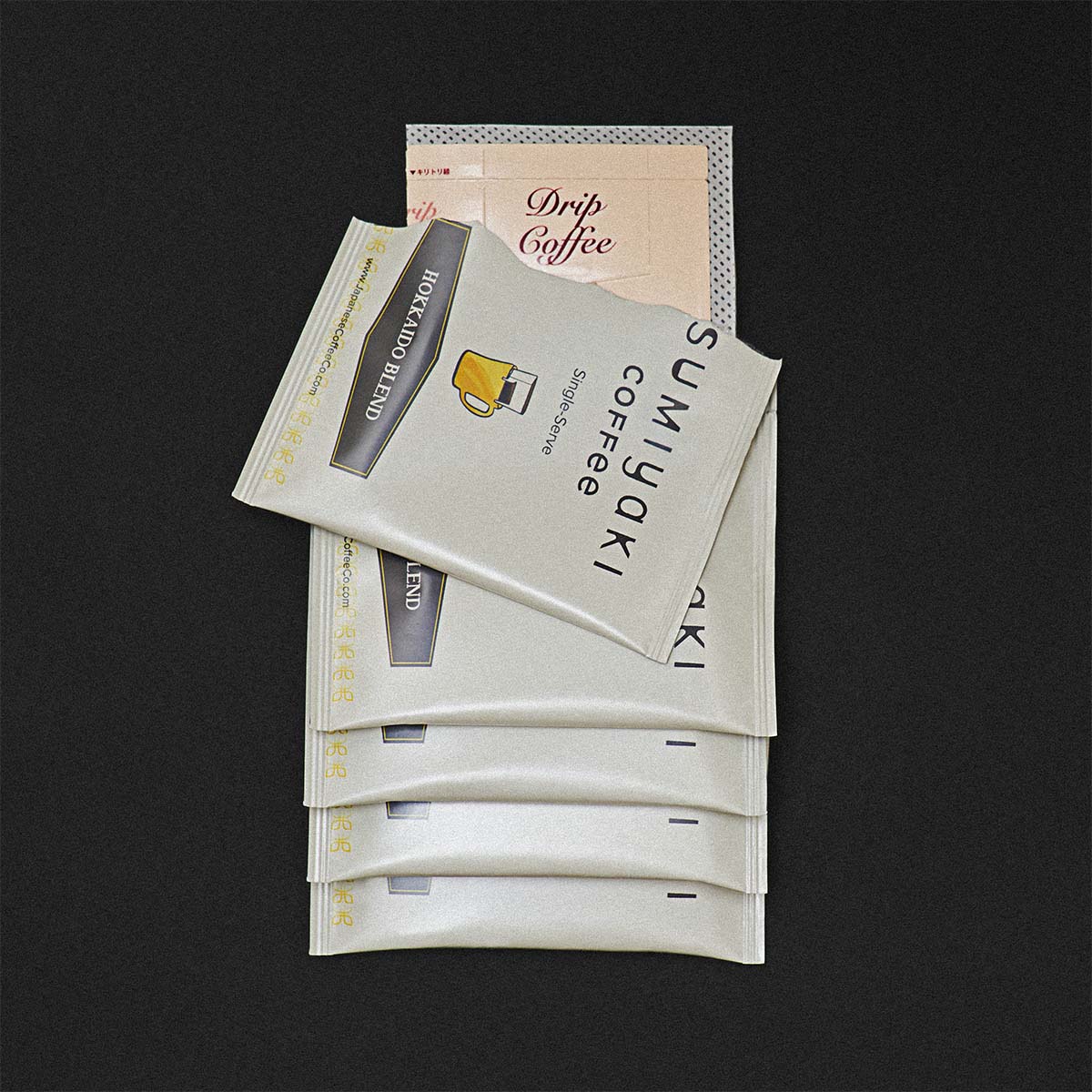
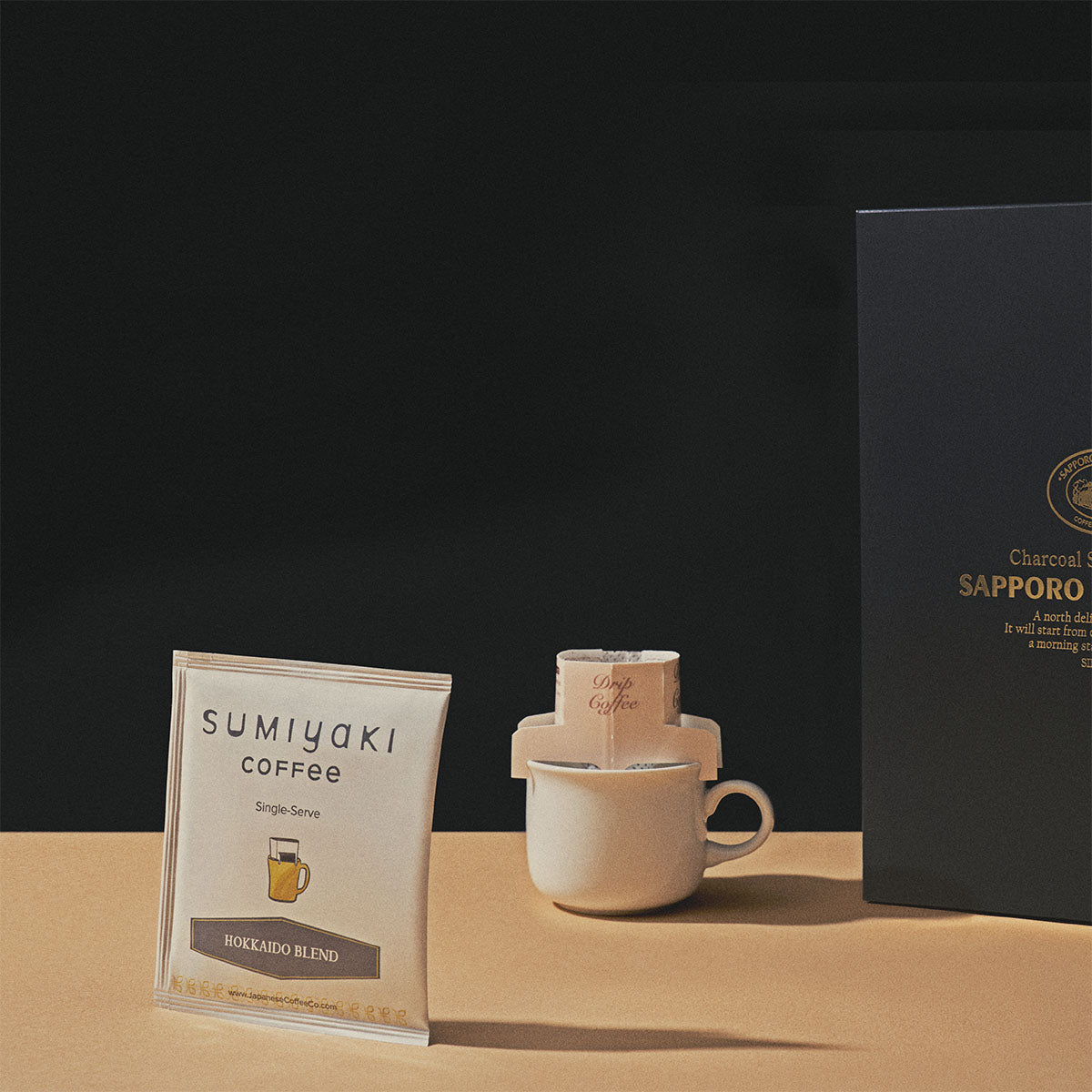
Looking for the perfect gift for a coffee lover? This beautifully rustic gift set features four of our most popular Sumiyaki coffees, each portioned into single-serve disposable filter bags designed for an effortless pour-over experience. Each filter bag holds the ideal amount of ground coffee for one cup and includes a clever paper structure that stabilizes securely onto your cup—just pour hot water and enjoy a fresh, delicious brew with minimal effort. This ingenious brewing method, known in Japan as "Cup-On," brings the joy of café-quality drip coffee anytime, anywhere without the need for special equipment. The set includes 28 single-serve bags, and each package is thoughtfully designed with an easy-open cut line and a pro tip for optimal brewing: lightly tap the coffee grounds with a spoon to even the surface for a perfectly balanced cup.

37 reviews

Hokkaido Blend Single-Serve Pour-Over - Disposable Filter Bag

USD $42.00 USD $39.00
Quick view

The Single-Serve Disposable Filter Bag (Cup-On) is an ingenious coffee-brewing method that has been popular in Japan for quite some time but remains lesser known elsewhere. Designed to hold the perfect amount of ground coffee for a single cup, each filter bag features a clever paper structure that securely stabilizes onto your cup—just pour hot water, and voilà, a fresh and delicious drip coffee is ready with minimal effort and no special equipment. What sets this Cup-On apart from other pour-over filters is its unique 4-point system, an innovative design that prevents the filter from becoming soaked after pouring, ensuring a consistent and flavorful brew. Among the many variations of cup-on filters available in Japan, this premium version stands out for delivering an exceptional pour-over experience crafted for true coffee enthusiasts.

15 reviews

Hokkaido Blend (Colombia, Brazil, Honduras, Indonesia)

USD $25.00
Quick view

Sapporo Coffee Kan's most popular and long-selling signature blend, known as "the house blend," offers a rich, full-bodied coffee experience with a pleasant, mild bitterness and a mellow taste. Crafted by adding the finest Mandheling Berkat Lingtong beans to the blend, it achieves a rare balance—delivering depth and complexity without the sharp acidity often found in other coffees. For those who prefer a smoother, less acidic cup without sacrificing richness and flavor, this special house blend truly hits the spot.

3 reviews

French Roast Blend (Colombia, Brazil, Indonesia)

USD $25.00
Quick view

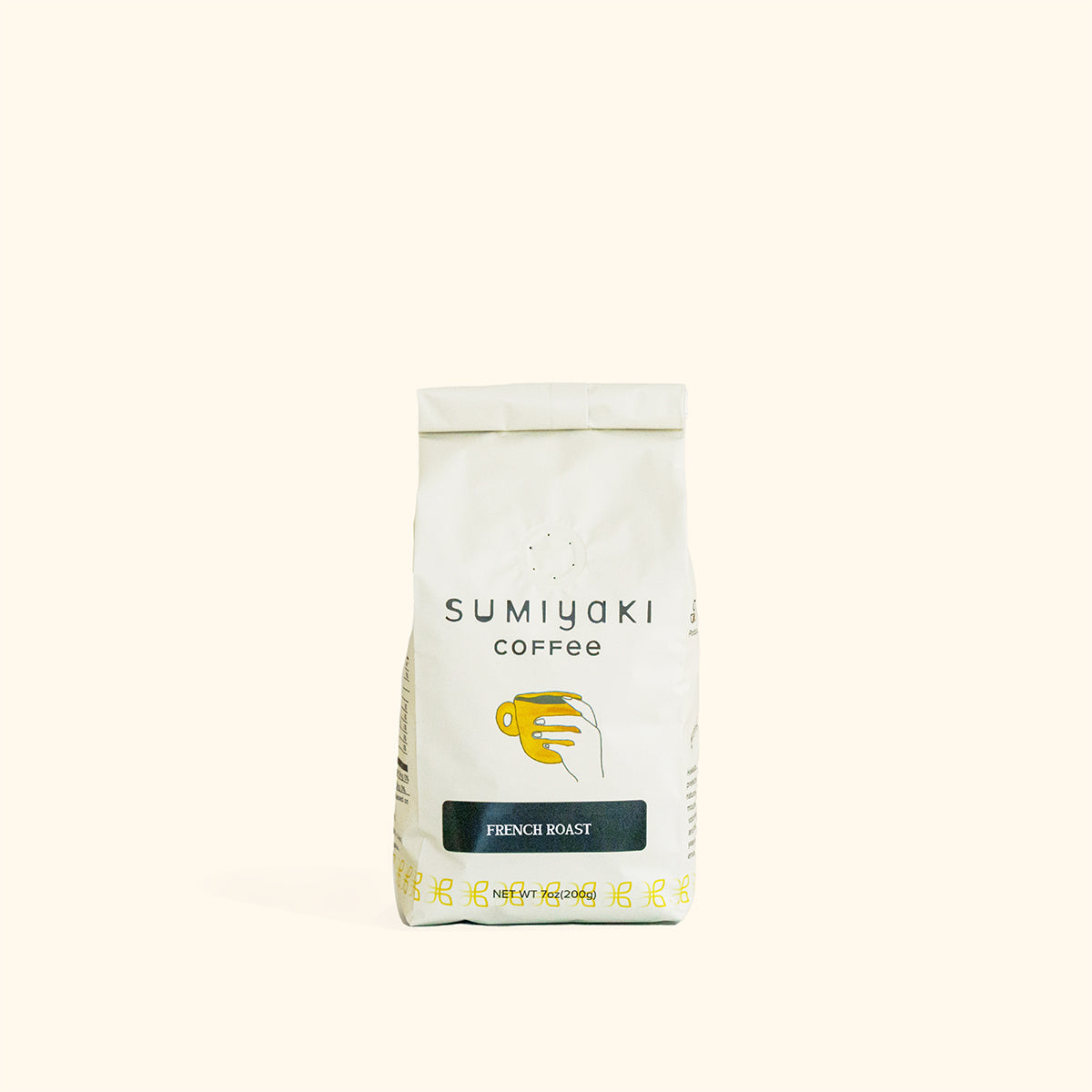
Experience the dark side of coffee with our French Roast Blend, crafted from a rich combination of beans from Colombia, Brazil, and Ethiopia. This bold blend features low acidity, a heavy body, and deep, smoky flavors, achieved by roasting the beans at a high temperature that brings their natural oils to the surface. Versatile and full of character, it delivers exceptional taste both with and without milk, making it perfect for café au lait, iced coffee, or even coffee-based cocktails with a splash of brandy.


Related Articles You May Be Interested

What Happens If You Heat up Nitro-Cold-Brew Coffee?
Why Japanese Iced Coffee is So Popular
What Makes a Cup of Coffee Strong?
Everything You Need to Know about Different Types of Coffee - List of every type of coffee in the universe (maybe)
Everything You Need to Know about Different Types of Coffee  - List of every type of coffee in the universe (maybe)
How brewing affects the taste of coffee
12 Unique Japanese Coffee Arrangement Recipes
How to Make Coffee Shochu (コーヒー焼酎)

Get Free Bonus Books

Join Japanese Coffee Club

Sign up for free to the Coffee Club to get advice and exclusive articles about how to choose Japanese Coffee, and tips, tricks, and recipes for enjoying Japanese coffee.

Unsubscribe anytime. It’s free!

About the author

Kei Nishida

Author, CEO Dream of Japan

info@japaneseCoffeeCo.com

Certifications: PMP, BS in Computer Science

Education: Western Washington University

Kei Nishida is a passionate Japanese tea and coffee connoisseur, writer, and the founder and CEO of Japanese Coffee Co. and Japanese Green Tea Co., both part of Dream of Japan.

His journey began with a mission to introduce the world to the unparalleled quality of Japanese green tea. Through Japanese Green Tea Co., he established the only company that sources premium tea grown in nutrient-rich sugarcane soil—an innovation that led to multiple Global Tea Champion awards.

Building on this success and his passion for Japanese craftsmanship, Kei expanded into the world of coffee, pioneering the launch of Japanese Coffee Co., the first company to bring Sumiyaki charcoal-roasted coffee to a global audience. His dedication to authenticity and quality ensures that this traditional Japanese roasting method, once a well-kept secret, is now enjoyed worldwide.

Beyond tea and coffee, Kei has also introduced Japan’s legendary craftsmanship to the world through Japanese Knife Co., making handmade katana-style knives—crafted by a renowned katana maker—available outside Japan for the first time.

Kei’s journey continues as he seeks out and shares the hidden treasures of Japan, one cup and one blade at a time.

Learn more about Kei Nishida

Related Posts

How to Make Japanese Coffee Jelly
How to Make Japanese Coffee Jelly (with Video Recipe)

Step up your coffee game with this unique Japanese coffee jelly recipe! Impress your guests and satisfy your sweet tooth

Read More
Balmuda Brings Japanese Lifestyle to Brooklyn – My First-Hand Journey at Cibone O’te

Step into Brooklyn’s ‘Little Tokyo’ where timeless Japanese craftsmanship meets sleek innovation—dashi, design, and dram

Read More
Exciting News: We Acquired the History of Katana YouTube Channel!

Welcome to the famed History of Katana YouTube Channel—unlocking rare stories, epic blades, and what comes next. Curious

Read More
Leave a comment

Your email address will not be published..

Cart

Your cart is currently empty.

Start Shopping

Select options