Skip to content

What is Ge(i)sha Coffee?

Introduction

Over 99.5% of the coffee produced in the global industry is meant for commercial use. Only a mere 0.5% is specialty coffee.

And at the top of that 0.5%, you will find none other than Ge(i)sha coffee, one of the most renowned and unique species of Arabica, mainly cultivated in Central America.

Although there is a bit of controversy surrounding its name and a lot of different variations based on its origin, it is one of the most expensive varieties worldwide, and its individual profile stands up to its reputation.

But we should probably begin with the basics. So, without further ado, let’s get started!

What is Ge(i)sha Coffee?

The History of Ge(i)sha Coffee

Gesha coffee is an Arabica varietal that has its roots in Ethiopia. It was discovered near Gesha village in 1931, from which it also took its name.

It was moved to Costa Rica in the 1950s for experimentation and research, where it was logged as accession T2722. From there, it was distributed throughout Panama in the 1960s due to its tolerance to coffee leaf rust, a disease that plagued coffee plantations at the time.

It wasn’t esteemed as a high-quality coffee for the next few decades, as it wasn’t cultivated at its optimal altitude (at high altitudes, the taste is significantly superior), and it didn’t appeal to farmers.

It was rediscovered in 2004, however, by the Peterson family, who noticed the high quality of this coffee and entered a batch in the “Best of Panama” competition/auction and sold it for over $20 per pound.

It possesses a unique aroma and flavor, and given its individuality and high quality, it has been catching the eyes of coffee enthusiasts across the globe, all wanting to see what makes it so special and if it stands up to its reputation.

After this specialty coffee made its debut in Panama and started generating demand, more farms started growing it, despite its low yield and hard cultivation process. As Panama is one of the smallest coffee exporters, with approximately 10 tons a year, there was a clear opening for other exporting countries to step in as well.

What is Ge(i)sha Coffee?

More specifically, Central American, African, and Asian countries all cultivate Gesha coffee now, although in very small amounts compared to the total production.

Up to this day, the most renowned of all cultivars is Panamanian Gesha Coffee, which also sells for the highest price worldwide. (Recorded $1,300 in the 2020 auction.) It was recently sold at this year’s “Best of Panama” auction for around 2.5 thousand dollars per pound.

Geisha or Gesha?

There is a common dispute when it comes to the name of the variety: Gesha or Geisha?

In reality, both names are valid in the coffee industry, and the conflict over its name dates back to 1931, when the coffee was discovered. There is said to have been a mistake in the translation from Ethiopian to English, and that has survived up to this day.

Whichever of the names you prefer to use, however, the coffee industry knows exactly what you mean.

Panamanian Gesha Coffee and its differences to other countries

In all of the countries where Gesha coffee is cultivated, there are many factors at play that directly impact both its quality and its flavor.

To some degree, this is related directly to the unique trait of the variety, which is that it grows fewer cherries than the typical Arabica plant and requires more time to produce ripe cherries suitable for coffee.

This means, however, that more nutrients reach each bean, and therefore the taste is even further refined just by that.

In Panama, that has worked in favor of the farmers since the three main coffee regions, located around the three major volcanoes of the country, offer the beans the opportunity to capture all the richness of the soil and translate it into additional flavor and aroma.

black arabica bean

Panamanian Gesha Coffee is also mainly processed with the washing method, which is different from what other countries like Costa Rica do with their production.

The difference in processing methods has a direct impact on the taste and mouthfeel of the cup. The “washed” method, for example, makes for an enhanced individual flavor of the bean overall, while the “Honey method,” used in Costa Rica and other Central American countries, highlights specific traits of the bean, like sweetness and fruitiness.

While the terrains are similar in those two countries and both produce a small amount of very high-quality, premium coffee, the processing method plays a key role in the end result.

It should also be noted that Costa Rica produces many varieties of coffee with higher yields that could also benefit from its favorable conditions. Being a small exporter of premium coffee just like Panama, we can see why Costa Rican gesha isn’t as commonly found in the market compared to Panamanian.

The same is true for the other countries that cultivate this variety, like Colombia or Ecuador, where the demand requires more production for exports, and Gesha simply doesn’t offer that.

Japan and Gesha Coffee

The Japanese audience of coffee lovers, ever since the drink started gaining popularity, has been looking for ways that would make the experience more harmonious and unique.

Ge(i)sha CoffeeGeisha coffee is popular in Mexico and these coffee are often found in coffee shops in Mexico

With the invention of the Nel Drip process, some incredible sensations have sprung from a single cup. It does require more accuracy and hard work to make, but it is worth it.

With the development of Sumiyaki charcoal roasting, a way to roast coffee beans without shattering their individual profiles was created. And to top that off, the aroma of smoke was added to further enrich the experience.

And so, when Gesha Coffee reached Japan, it made a real impact and generated a lot of demand from locals.

The best example is Saza Coffee Company in Japan, which has been winning the “Best of Panama” Geisha coffee auction for more than 10 years now (2014 was an exception, but let’s not stand to that).

That, of course, doesn’t mean other Gesha coffees from other regions aren’t favored, but there is little information revolving around this specialty variety of coffee.

Conclusion

With the vast number of different kinds of coffee coming from all continents and passing through all unique conditions to develop, Gesha is an outstanding example of cream-of-the-crop results.

It has traveled a long journey, from Africa to Central America to wherever you might encounter it, to reach today’s audience, and even though its name has been a bone of contention, its unique profile is bound to cleanse it.

Japan has definitely shown some interest in its individuality, so if you find yourself there, I am confident you will not regret giving it a shot, regardless of its origin.

FAQs about Geisha (Gesha) Coffee

Why is Geisha (Gesha) coffee considered the most prestigious specialty coffee?

A specific Ethiopian heirloom varietal that produces unusually distinctive flavor profile — pronounced floral, jasmine, bergamot, and tropical fruit notes that no other coffee variety matches. The Hacienda La Esmeralda farm in Panama brought Geisha to specialty-coffee fame in 2004 when their Geisha won the Best of Panama auction at unprecedented prices, revealing flavor characteristics most coffee professionals had never encountered before.

Since then, Geisha has commanded the highest prices in specialty coffee auctions consistently — top-tier lots have sold for $1,000+ per pound at green-bean auctions. The flavor profile is genuinely distinctive enough to justify some price premium; the actual auction prices are partly driven by collector-market dynamics that exceed pure flavor value.

For specialty coffee enthusiasts, Geisha is one of the must-try varieties for understanding what coffee can taste like at peak development. The flavor profile is so different from standard specialty coffee that even casual coffee drinkers can usually identify Geisha in blind taste tests once they've tried it.

Is Geisha coffee actually worth the high price?

Worth trying once or twice; not worth daily drinking unless you have unlimited budget. A single 4-oz cup of high-end Geisha at a specialty café runs $15-25; a 2-oz pour at home (using $50-150/lb beans) runs $5-15 per cup. The flavor experience is genuinely distinctive but the per-cup cost makes regular Geisha drinking financially unrealistic for most coffee enthusiasts.

The right framing: Geisha is a calibration experience. Trying it once or twice teaches your palate what extraordinary specialty coffee can taste like. After that calibration, you can identify high-quality non-Geisha coffees more accurately and appreciate them for what they are. The Geisha experience permanently shifts your sense of coffee's flavor potential.

Don't drink Geisha as everyday coffee. The flavor profile is too distinctive and too expensive to maintain as daily-driver. Reserve for special occasions or specific tasting sessions. For everyday excellent coffee at sustainable prices, Japanese-style charcoal-roasted blends or single-origin Colombian/Ethiopian offer the best price-quality balance.

Where is Geisha coffee actually grown?

Originally Ethiopia (Gesha village in southwestern Ethiopia, hence the original spelling "Gesha" — "Geisha" is the Western spelling that took hold in the 2000s). Modern commercial Geisha production is dominated by Panama (Hacienda La Esmeralda especially), Colombia (Volcán Azul, La Esperanza), Costa Rica, and a small but growing Ethiopian Geisha export market.

Each origin produces slightly different Geisha character. Panamanian Geisha tends toward jasmine-bergamot-citrus profile; Ethiopian Geisha tends toward more wine-like fruit-and-floral; Colombian Geisha sits between the two. The Geisha varietal is genetically the same; terroir and processing produce the regional differences.

If you're trying Geisha for the first time, start with Panamanian washed-process — the most common, most-consistent, most-textbook Geisha experience. Branch to natural-process Panama, then Ethiopian, then Colombian if you want to explore Geisha variations. Less recommended: very expensive auction-lot Geishas where you're paying for collector status as much as cup quality.

How should I brew Geisha to actually appreciate its character?

V60 pour-over with light roast level. Geisha's distinctive flavors are aromatic and delicate — they survive light roasting (most Geisha is roasted light to medium-light specifically to preserve the floral character) but get destroyed by darker roasting. V60 brewing preserves and concentrates the aromatic compounds; full-immersion methods (French press, AeroPress) work but show less aromatic clarity.

Use a 1:16 ratio (e.g., 20g coffee + 320g water), water at 200°F (93°C), and 4-stage pulse-pour over 3 minutes. Standard V60 protocol. The cup should be light-amber colored, not deep brown — visual confirmation that the light-roast Geisha brewed correctly.

Drink Geisha plain — no milk, no sugar, no creamer. Adding any of these masks the floral-aromatic profile that makes Geisha worth its price. If you don't enjoy Geisha black, you don't enjoy what Geisha is. Better to drink different coffee that suits your palate than to add things to make Geisha taste like other coffee.

What are alternatives to Geisha that have similar character at lower prices?

Ethiopian Yirgacheffe — same Ethiopian heirloom genetic family, similar bright-floral character at much lower prices. Top-quality Yirgacheffe runs $25-50 per pound; produces 60-70% of Geisha's flavor distinctiveness at 25% of the price. Best price-quality ratio in the floral-aromatic specialty coffee category.

Kenyan AA — different flavor profile (brighter, more wine-like-acidic, less floral) but comparable quality and complexity. $30-50 per pound. Some Geisha drinkers actually prefer Kenyan AA's character once they've tried both.

If you want clean, distinctive specialty coffee without going to Geisha price territory, Ethiopian Yirgacheffe is the right answer. The 70% similar profile at 25% of the price is the sweet spot for specialty-coffee-curious customers without unlimited budgets.

Related products

3 reviews

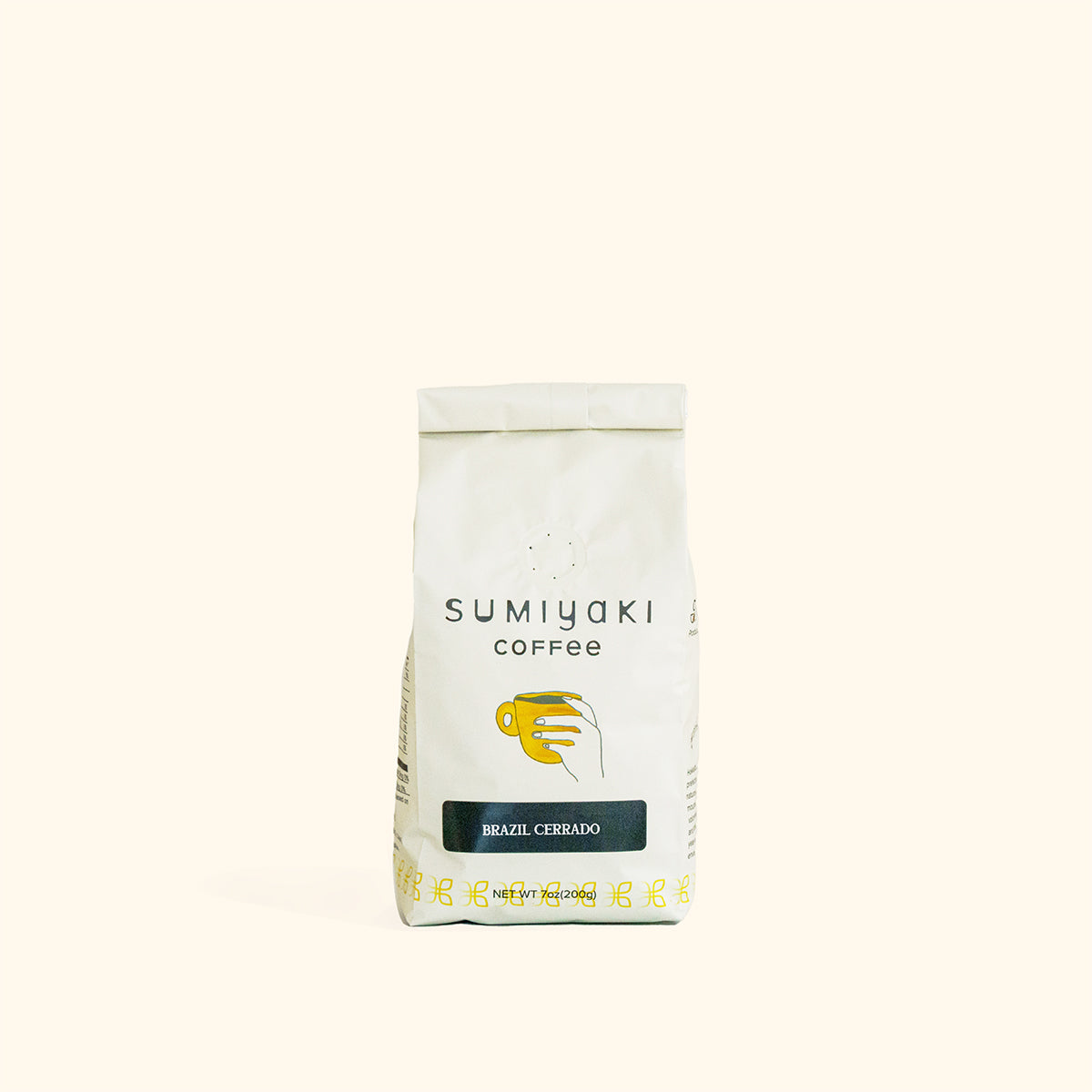
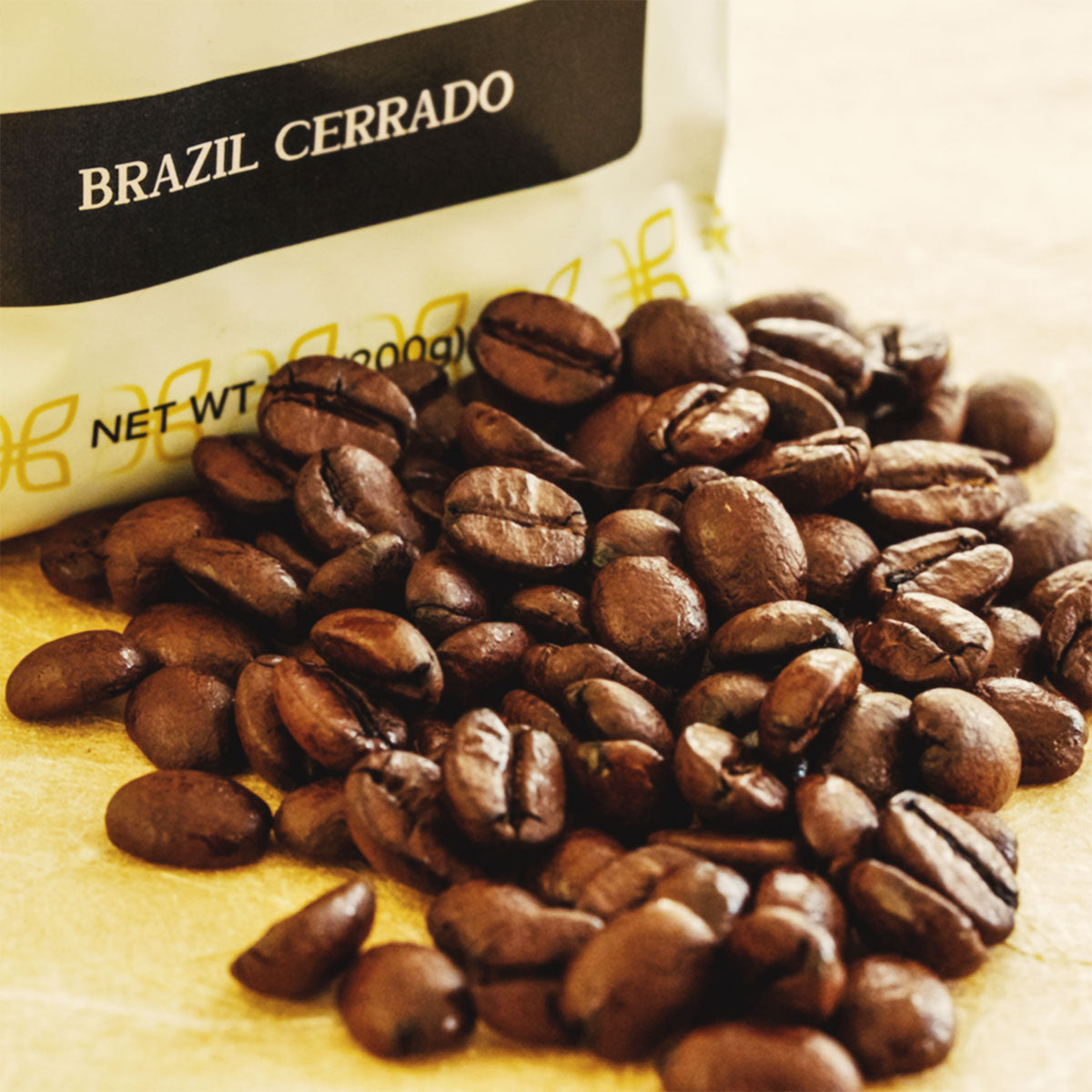
Brazil Cerrado - Arabica Catuai

USD $35.00
Quick view

This exclusive contract farm coffee from Brazil’s Cerrado region comes from the Shimada Plantation, managed by third-generation Japanese American coffee producer Hugo Shimada. Since 2018, a direct partnership has connected us to this farm, located in the Patrocínio municipality of Minas Gerais, a renowned area for producing exceptional coffee. To preserve the beans' natural sweetness and distinctive character, the coffee is processed using the natural method, allowing the beans to stay in contact with the ripened cherry longer and absorb its rich flavors. Stored carefully and aged in the cherry form, this process brings out a deep, sweet, and vibrant profile in every cup. To ensure even higher quality, production is limited to a select 247-hectare area, capturing the true individuality and excellence of the Cerrado terroir.

10 reviews

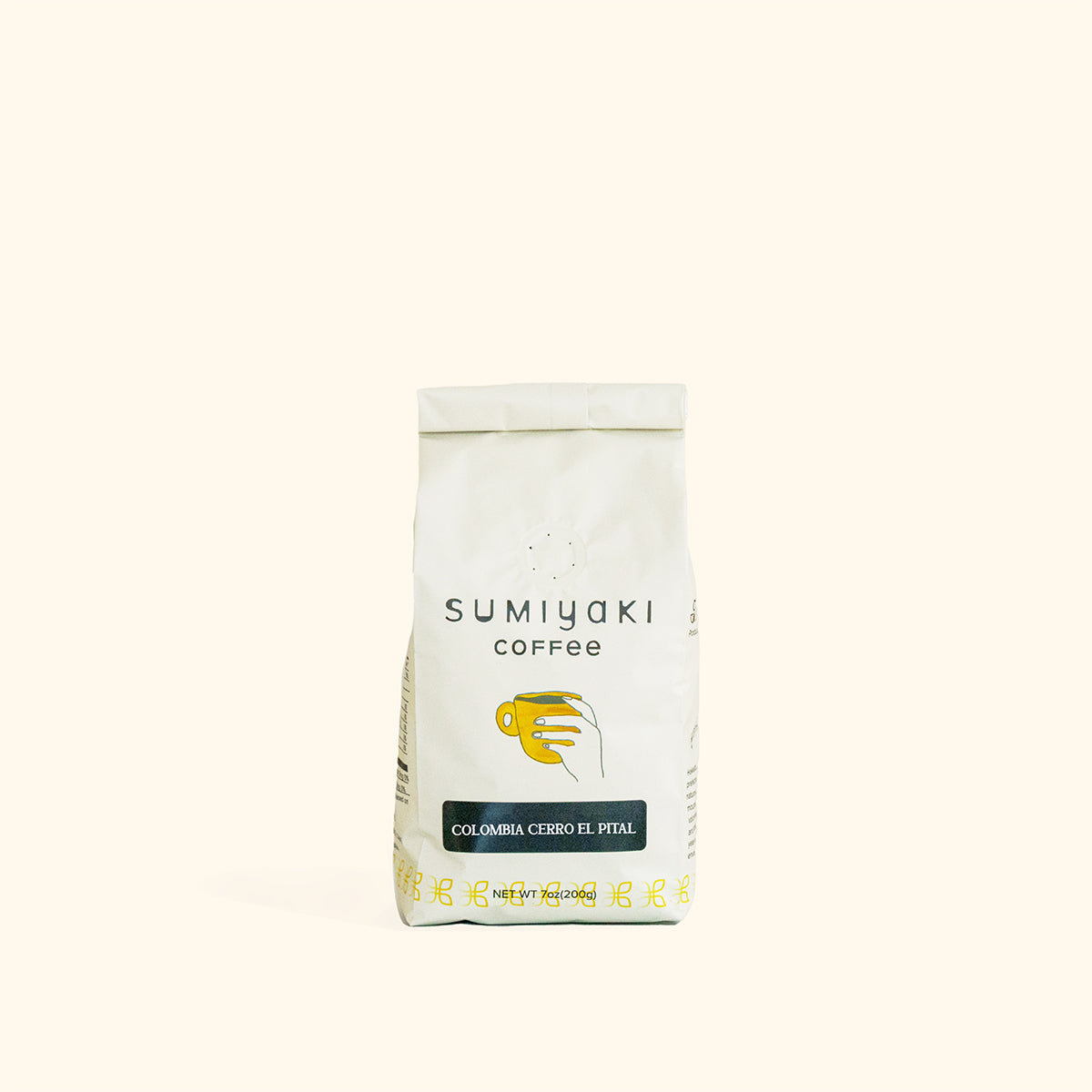
Colombia Cerro El Pital - Arabica Caturra

USD $40.00
Quick view

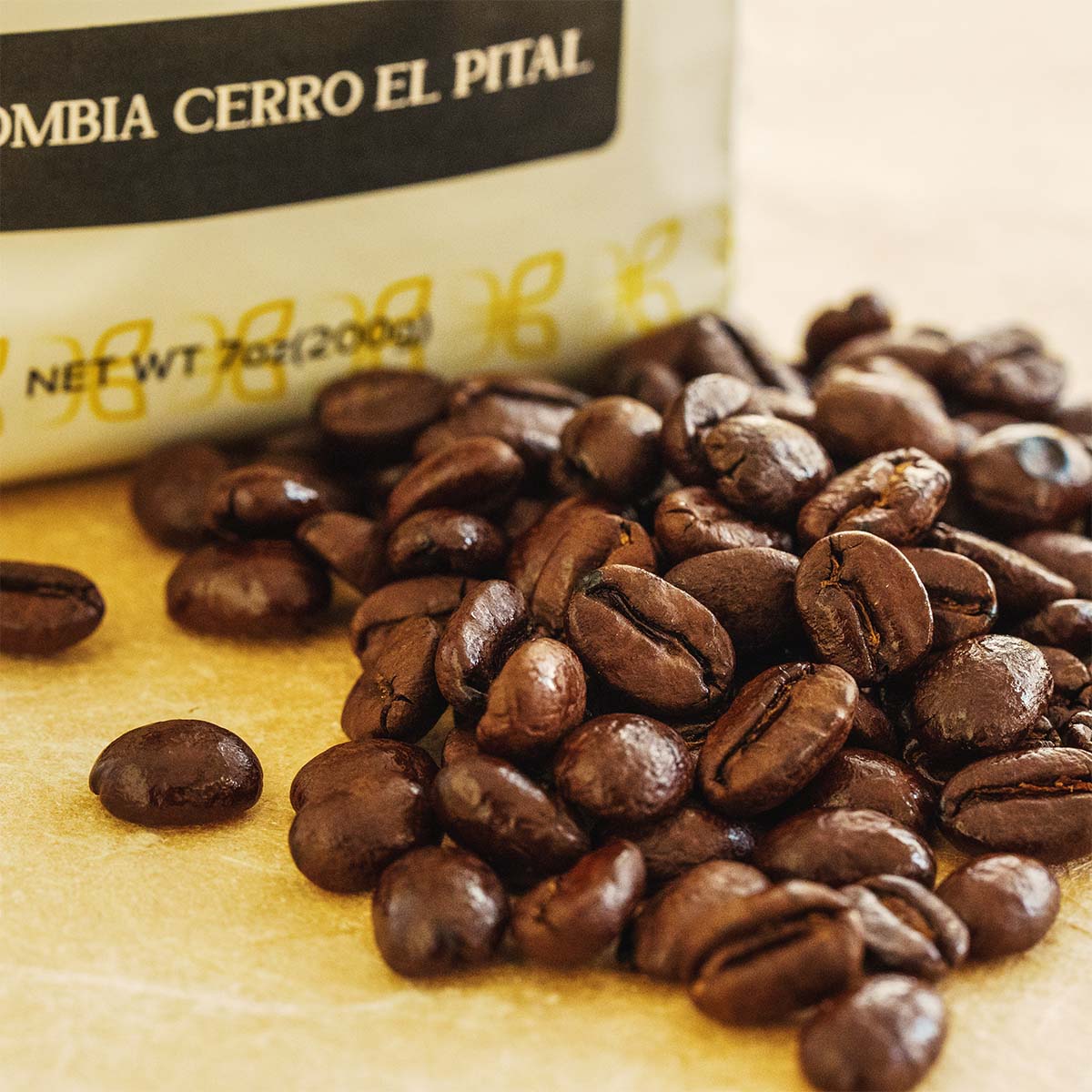
This exclusive single-origin coffee from Pital Mountain is a specialty-grade coffee certified by the FNC (Federation of Colombian Coffee Growers) and sourced from a contract farm in the Huila Department of Colombia. Grown at an altitude of 1700 meters in the lush, fertile region of Pital, this coffee benefits from the area's unique weather and rich soil, surrounded by majestic mountains and rivers like the Magdalena, Cauca, Caqueta, and Patia. Carefully selected by the COAGROBRISAS cooperative, this coffee captures the natural beauty and exceptional quality of one of Colombia’s most renowned coffee-producing regions.

16 reviews

Hokkaido Blend (Colombia, Brazil, Honduras, Indonesia)

USD $25.00
Quick view

Sapporo Coffee Kan's most popular and long-selling signature blend, known as "the house blend," offers a rich, full-bodied coffee experience with a pleasant, mild bitterness and a mellow taste. Crafted by adding the finest Mandheling Berkat Lingtong beans to the blend, it achieves a rare balance—delivering depth and complexity without the sharp acidity often found in other coffees. For those who prefer a smoother, less acidic cup without sacrificing richness and flavor, this special house blend truly hits the spot.

Asa-Yuu Blend Duo (Get 20% Off)

USD $50.00 USD $39.00
Quick view

Meet the Asa-Yuu Blend Duo (朝夕): a roasted-to-order set featuring Asa Tsuyu (light roast, Colombia/Brazil/Ethiopia) and Hokkaido (medium roast, Colombia/Brazil/Honduras/Indonesia). Bright in the morning, smooth and balanced through the day—now 20% off for a limited time.

5 reviews

Select Blend Combination Set (Get 30% Off)

USD $110.00 USD $77.00
Quick view

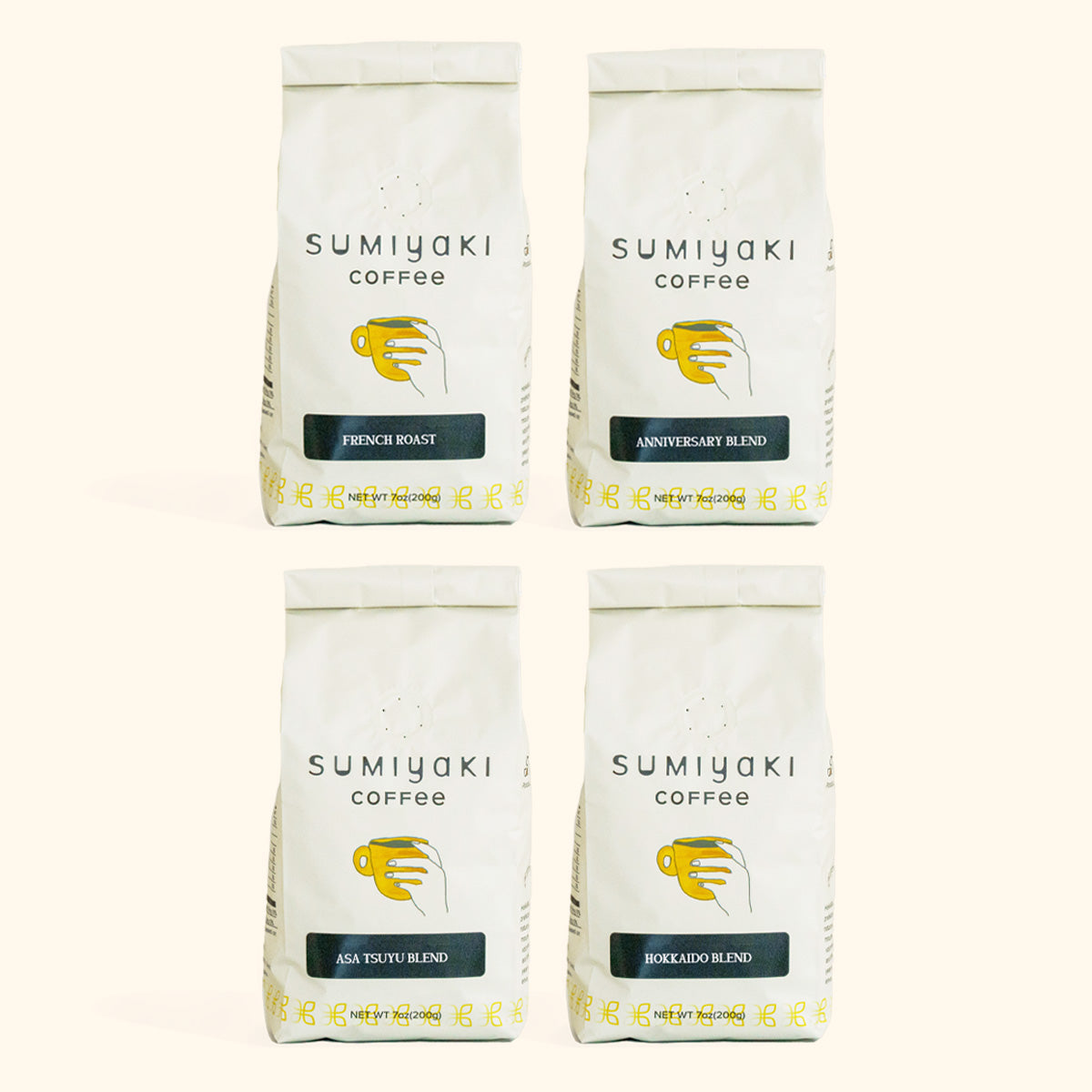
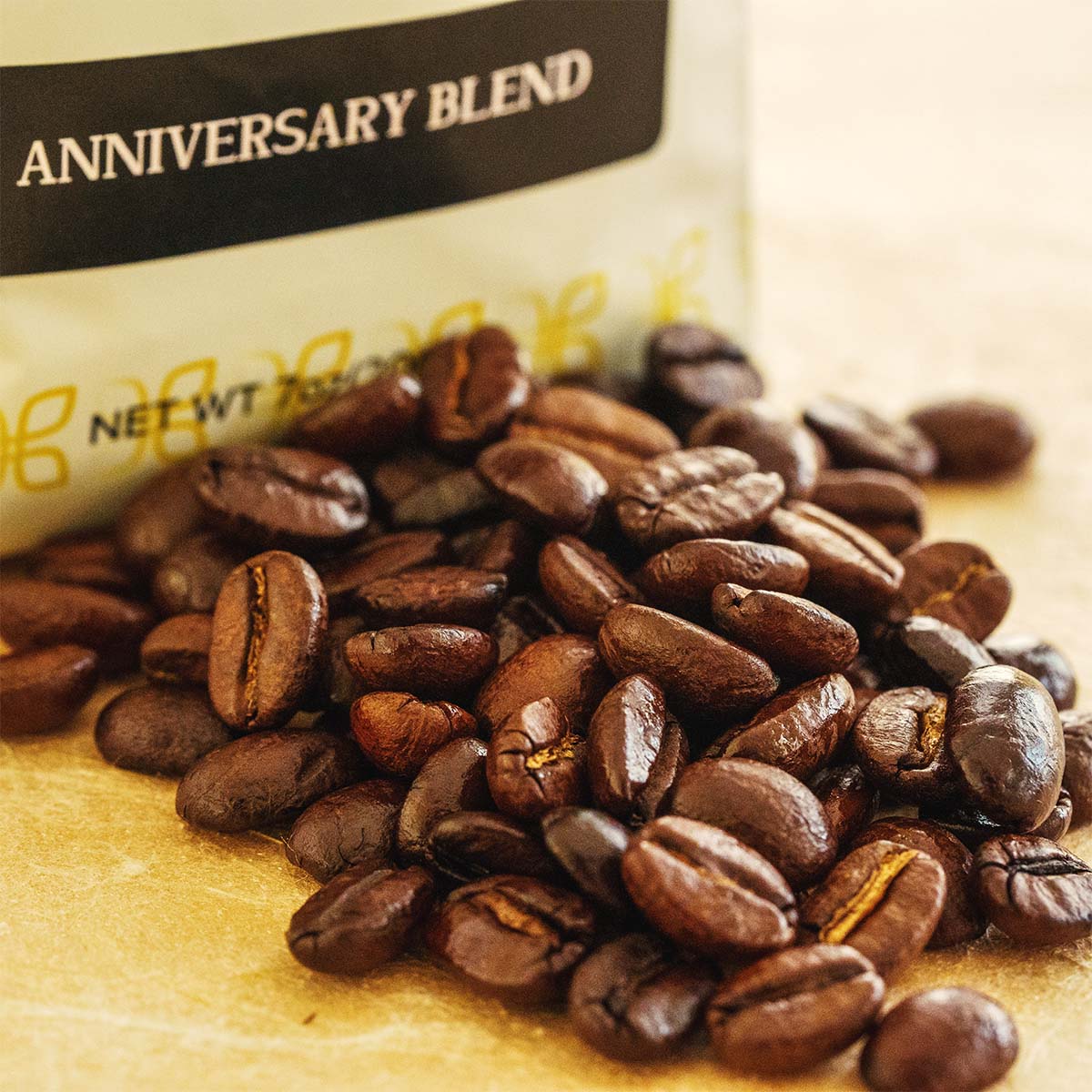
Get 30% off for a limited time when you purchase this special Combination Set featuring four of our most popular Premium Blend Sumiyaki Coffees. Your order will include four 200g packages: Anniversary Blend Coffee (Colombia, Brazil, Indonesia), the fruity favorite originally created for Sapporo Coffee Kan’s 30th anniversary; Asa Kiri Blend, a light roast with pure coffee flavor and a soft touch of sourness; Hokkaido Blend, the signature house blend beloved for its rich and balanced taste; and French Roast Blend, a dark, smoky roast perfect for pairing with milk or crafting café au lait and coffee cocktails. All beans are roasted to order under the expert blending tradition of Sapporo Coffee Kan, led by Ito Eiichi, the renowned “King of Blenders” in Japan, ensuring every cup is a masterful balance of flavor and aroma.


Related Articles You May Be Interested

Everything You Need to Know about Different Types of Coffee - List of every type of coffee in the universe (maybe)
Everything You Need to Know about Different Types of Coffee  - List of every type of coffee in the universe (maybe)
What is So Special About Sumiyaki Charcoal Roasting?
About Sapporo Coffee Kan - The Roaster
Manu Coffee - Everything You Need to Know
Major Japanese Coffee Manufacturers In 2025 and Their Best Sellers
Everything You Need to Know about Peru Coffee

Get Free Bonus Books

Join Japanese Coffee Club

Sign up for free to the Coffee Club to get advice and exclusive articles about how to choose Japanese Coffee, and tips, tricks, and recipes for enjoying Japanese coffee.

Unsubscribe anytime. It’s free!

About the author

Kei Nishida

Kei Nishida

Author, CEO Dream of Japan

info@japaneseCoffeeCo.com

Certifications: PMP, BS in Computer Science

Education: Western Washington University

Kei Nishida is a passionate Japanese tea and coffee connoisseur, writer, and the founder and CEO of Japanese Coffee Co. and Japanese Green Tea Co., both part of Dream of Japan.

His journey began with a mission to introduce the world to the unparalleled quality of Japanese green tea. Through Japanese Green Tea Co., he established the only company that sources premium tea grown in nutrient-rich sugarcane soil—an innovation that led to multiple Global Tea Champion awards.

Building on this success and his passion for Japanese craftsmanship, Kei expanded into the world of coffee, pioneering the launch of Japanese Coffee Co., the first company to bring Sumiyaki charcoal-roasted coffee to a global audience. His dedication to authenticity and quality ensures that this traditional Japanese roasting method, once a well-kept secret, is now enjoyed worldwide.

Beyond tea and coffee, Kei has also introduced Japan’s legendary craftsmanship to the world through Japanese Knife Co., making handmade katana-style knives—crafted by a renowned katana maker—available outside Japan for the first time.

Kei’s journey continues as he seeks out and shares the hidden treasures of Japan, one cup and one blade at a time.

Related Posts

How to Make Japanese Coffee Jelly
How to Make Japanese Coffee Jelly (with Video Recipe)

Step up your coffee game with this unique Japanese coffee jelly recipe! Impress your guests and satisfy your sweet tooth

Read More
Balmuda Brings Japanese Lifestyle to Brooklyn – My First-Hand Journey at Cibone O’te

Step into Brooklyn’s ‘Little Tokyo’ where timeless Japanese craftsmanship meets sleek innovation—dashi, design, and dram

Read More
Exciting News: We Acquired the History of Katana YouTube Channel!

Welcome to the famed History of Katana YouTube Channel—unlocking rare stories, epic blades, and what comes next. Curious

Read More
Leave a comment

Your email address will not be published..

Cart

Your cart is currently empty.

Start Shopping

Select options