Skip to content

Why We Don't Vacuum-seal Our Coffee

Would vacuum-sealed packs be the best to store your coffee beans?

You spend too much on its quality. You do not want it to go wrong right away, right? You were so excited to unpack your fresh ground coffee and resealed it for the next day. The following day, you just unpacked it, and you were happy to smell the aroma all over your house. You resealed the coffee pack again, trapping more oxygen in the bag. The oxygen trapped inside the bag would surround the beans.

However, have you noticed your coffee left open in its original packaging for several days develops its staleness and loses its aroma and flavor? Just because your coffee beans are packed in an airtight vacuum-sealed package, it gives you a notion that the coffee beans are as fresh as they seem. Still, experts actually claim that coffee beans lose 50%-60% of their flavor and aroma within 14 days of the roast.

Why We Don't Vacuum-seal Our Coffee

Knowing the freshness of coffee Beans

Coffee beans would be at their freshest between twenty-four to forty-eight hours after being roasted, and after such, it is all downhill fast. However, during these twenty-four to forty-eight hours of freshness, little is known that when coffee beans are being roasted, it produces several factors and releases them, particularly carbon dioxide. A newly roasted fresh-ground coffee emits so much carbon dioxide.

What is vacuum sealing?

One of the popular ways of sealing and packing coffee in the market is through vacuum sealing. By vacuum-sealing coffees, manufacturers remove the air from the coffee bag to protect the coffee's flavor and aroma. Still, manufacturers have to wait for the coffee beans to continue to breathe and off-gas before vacuum sealing the bags. When coffee stops giving off-gases to be vacuum-sealed, it is no longer fresh.

Your Coffee Bean and Carbon Dioxide

Actually, carbon dioxide on your fresh ground coffee is not a bad thing. The presence of carbon dioxide actually lessens the presence of oxygen surrounding the coffee beans, making the beans stale. In essence, the carbon dioxide displacing the oxygen helps extend the freshness of coffee beans in a minor way.
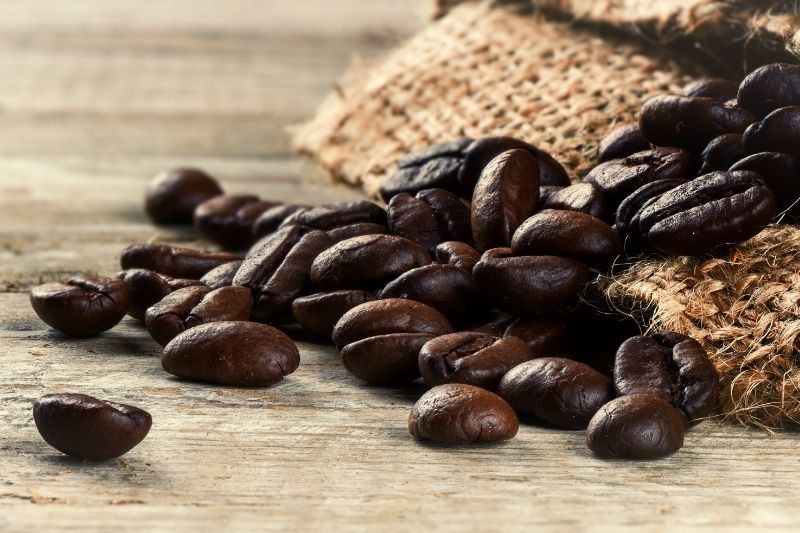
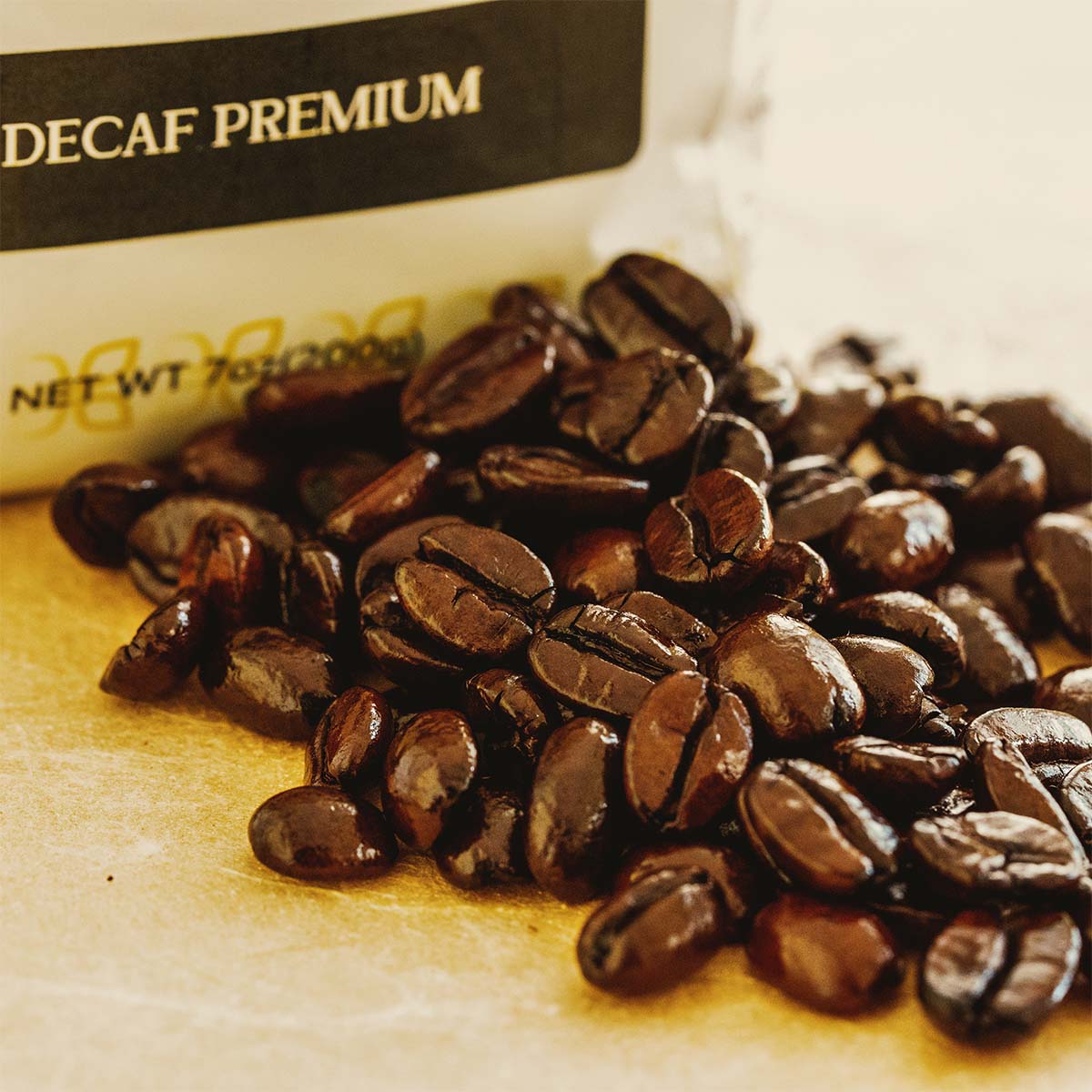
premium coffee bean

However, trapping the carbon dioxide in a vacuum-sealed pack is not a good thing. Upon roasting the coffee beans, they are usually stored and cooled at room temperature. This does not happen only for a few minutes but takes several days, usually about twenty-four to forty-eight hours to occur. If you intend to trap your fresh ground coffee together with the released carbon dioxide in it, then your coffee beans would end up as unattracted extraction output of going stale for being overexposed from oxygen. Over the few days, the coffee beans' internal changes continue to occur because of several factors and several chemical reactions initiated during roasting.

However, leaving your beans to "cool down" would decrease the flavor and bring out the mellowness added by the caramelization process. Many factors would significantly affect the taste of your coffee beans when left exposed after roasting. Some of these factors are lipids, fats, and oils that break down into oligo-fatty acids and then further break down to become rancid. You would not want an unpleasant smell in your beloved coffee beans, wouldn't you? Some proteins will denature into amino acids and amino acid-like derivatives that produce "unique and distinctive" odors.

At worst, some smell like dead fish. Suppose the coffee beans are packed right away after roasting. In that case, the carbon dioxide will end up expanding or even bursting the bag. Not just will it explode your coffee bags, but it would also harm the delicate flavors of the coffee.

What does vacuum sealing do to Your Coffee Beans?

That is why the coffee beans must be left on their own first before being packed. However, this could be a bad idea of getting the coffee beans exposed because doing so would mean letting the beans stale, and it would lose their freshness. If one would insist on vacuum sealing coffee, then what could be done is to use pre-ground coffee. Still, everything knows that it does not taste good as fresh-ground coffee. That is why vacuum-sealed bags are generally considered an inferior method of shipping freshly-roasted coffee beans.

Japanese black coffee

Once this happened, the gas will fill up the bag and would fill in a vacuum-sealed bag. The gas trapped inside the bag would eventually cause moisture, expose your beans to humidity, and dampen your beans. Obviously, your coffee beans would no longer be that fresh anymore. The moisture in the bag could even take on the flavors of other frozen items around it if it is stored inside a refrigerator.

There are also vacuum sealed cans to pack coffee beans. While one could use it to store the coffee beans longer than plastic bags, it could protect your beans from moisture, oxygen, and light, the same remains that there is a need to degas the coffee beans for several days before packing it, but this would result in the loss of the coffee bean's freshness, aroma, and taste. While you could enjoy the longer shelf life of your coffee beans, you obviously do not want to set it off with the loss of aroma and flavor of your beans.

Other packaging options

Having said the disadvantages of vacuum sealing fresh ground coffee, others opt for the better option of packing them in valve-sealed packages. With valve-sealed bags, the carbon dioxide from fresh-ground coffee could quickly be released from the bag without retaining any moisture or oxygen. Therefore, coffee beans contain their freshness and taste. Some manufacturers have also tried to get around vacuum-sealing by roasting instead into large super sacs with one-way valves that allow the coffee to gas off for a few days before being vacuum packaged, but this is the exception rather than the rule. Good coffee roasters will use a bag with a valve that lets coffee “breathe out” but not let outside gas in. These are the best choices. 

This post about Why We Don't Vacuum-seal Our Coffee was first published in 2021. We added the audio of this blog in 2022 just for you.

FAQs about Vacuum-Sealed Coffee and Freshness

Why don't all specialty coffee roasters vacuum-seal their coffee?

Vacuum sealing fights the post-roasting CO2 release that fresh coffee needs. After roasting, coffee beans release CO2 for 1-2 weeks as they degas. Vacuum sealing immediately after roasting traps that CO2 in the bag, building pressure that can rupture packaging or compromise seal integrity. One-way valve packaging (lets CO2 out, doesn't let oxygen in) is the standard alternative — preserves freshness without the vacuum-seal complications.

Some specialty roasters do vacuum-seal — typically with degassing time before sealing (5-7 days post-roasting) so CO2 has already mostly escaped before vacuum is applied. This preserves freshness for longer-term storage but trades off some of the very-fresh post-roast character.

For most home buyers, one-way valve packaging is the right tradeoff. The coffee is at peak freshness in the first 1-2 weeks post-roasting; vacuum-sealed coffee that's been degassed pre-vacuum is past peak by the time it reaches you. Trust specialty roasters' packaging choices; the decisions are intentional.

How can I tell if coffee is fresh from the packaging?

Three signals. First, roast date on packaging. Specialty roasters typically print roast date on the bag (sometimes "roasted on" or "roast date" — different from "best by" date). Coffee within 7-21 days of roast date is at peak quality. Second, one-way valve presence. The little raised plastic valve on coffee bags is a freshness signal — its presence indicates roasted coffee that needed degassing. Third, CO2 release on opening. Pressing on a sealed bag of fresh coffee should produce slight CO2 escape through the valve.

Avoid: bags with no roast date (suggests less-fresh roastery), bags with "best by" dates 6+ months out (suggests pre-roast packaging or industrial-scale operations), bags without one-way valves (less common in modern specialty packaging).

If buying online, look at the roastery's website for typical roast-to-ship times. Quality specialty roasters ship within 1-3 days of roasting; the bag arriving 5-7 days later still puts the coffee within peak freshness window.

What's actually happening with CO2 in fresh coffee?

Roasting coffee creates CO2 as a byproduct of the chemistry. The CO2 is trapped inside the bean during roasting; after roasting completes, the CO2 starts releasing as the beans cool and over the following days. Peak CO2 release happens in the first 24-48 hours; meaningful release continues for 1-2 weeks; then trace amounts continue for weeks more.

CO2 affects coffee in two ways. First, CO2 displaces oxygen, which means fresh coffee with lots of CO2 has less oxidation happening. Second, CO2 in the bean affects brewing — fresh coffee with high CO2 content blooms more aggressively (the bubbling you see when water hits fresh coffee grounds is CO2 release). Older coffee with less CO2 doesn't bloom as much; brewing is similar but the bloom phase is muted.

Practical: drink coffee within 4-8 weeks of roast date for peak freshness. The CO2 protective effect fades over weeks; coffee 6+ weeks past roast is past peak even if not noticeably stale yet. Buy in quantities you'll consume within this window.

Should I store opened coffee in the original bag or transfer to a different container?

Original bag with valve sealed is fine for short-term storage (1-2 weeks). The packaging is designed for freshness preservation; if you'll finish the bag within 2 weeks, transferring isn't necessary.

For longer storage (3+ weeks per bag) or for bulk purchases (pound+ at once), transfer to airtight container in dark cabinet. Specialty coffee canisters with one-way valves (Airscape, Fellow Atmos, Friis) maintain freshness longer than original packaging once opened. $25-50 investment lasts decades; meaningful freshness extension over generic Tupperware.

Don't refrigerate or freeze coffee for short-term storage. The moisture cycling from cold storage to room temperature damages flavor; coffee absorbs other refrigerator smells. Freezing is acceptable only for very long-term storage of vacuum-sealed unopened bags (3+ months); not appropriate for daily-drinking coffee.

What's the most important freshness factor for great coffee at home?

Time from roast date. Coffee at 1-2 weeks past roast tastes meaningfully better than coffee at 4-6 weeks past roast tastes meaningfully better than coffee at 8+ weeks past roast. The freshness curve is real and steep. Buying coffee close to roast date and drinking quickly produces dramatic improvement over older coffee regardless of how it's packaged.

Buy small, drink fast. 4-8 oz bags purchased frequently outperform 1-2 lb bags purchased rarely. The cumulative cost is similar; the per-cup quality is dramatically better. JPCo's Hokkaido Blend comes in sizes appropriate for 2-4 weeks of normal household consumption — designed to be finished within freshness window.

Establish freshness routine. Buy from specialty roasters with documented roast dates, on a schedule matching your consumption. Drink within 4-8 weeks of roast date. Store properly during this window. The combined practices preserve specialty coffee freshness more than any single intervention.

Related products

16 reviews

Hokkaido Blend (Colombia, Brazil, Honduras, Indonesia)

USD $25.00
Quick view

Sapporo Coffee Kan's most popular and long-selling signature blend, known as "the house blend," offers a rich, full-bodied coffee experience with a pleasant, mild bitterness and a mellow taste. Crafted by adding the finest Mandheling Berkat Lingtong beans to the blend, it achieves a rare balance—delivering depth and complexity without the sharp acidity often found in other coffees. For those who prefer a smoother, less acidic cup without sacrificing richness and flavor, this special house blend truly hits the spot.

5 reviews

Decaf Premium Blend (Colombia, Brazil, Ethiopia)

USD $35.00
Quick view

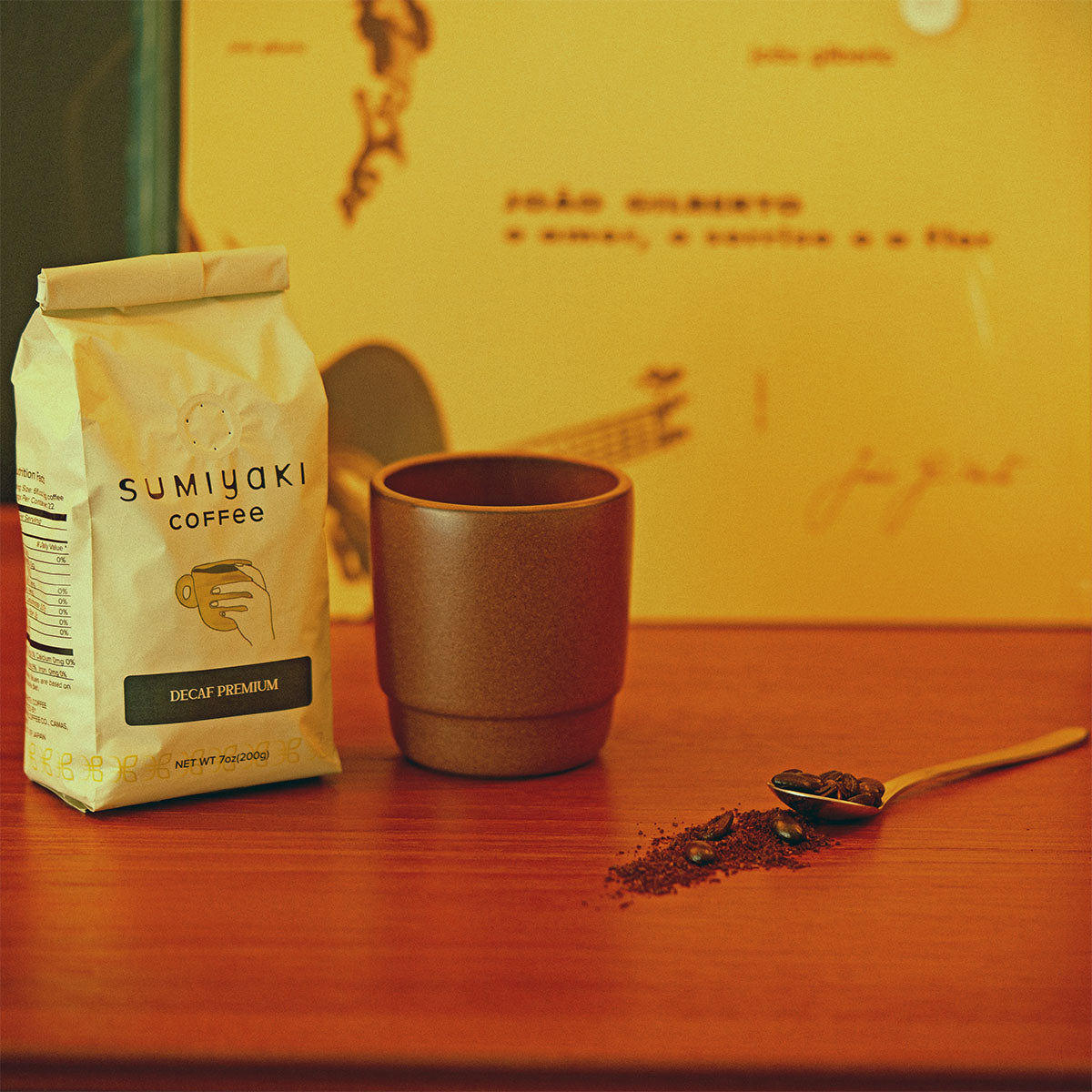
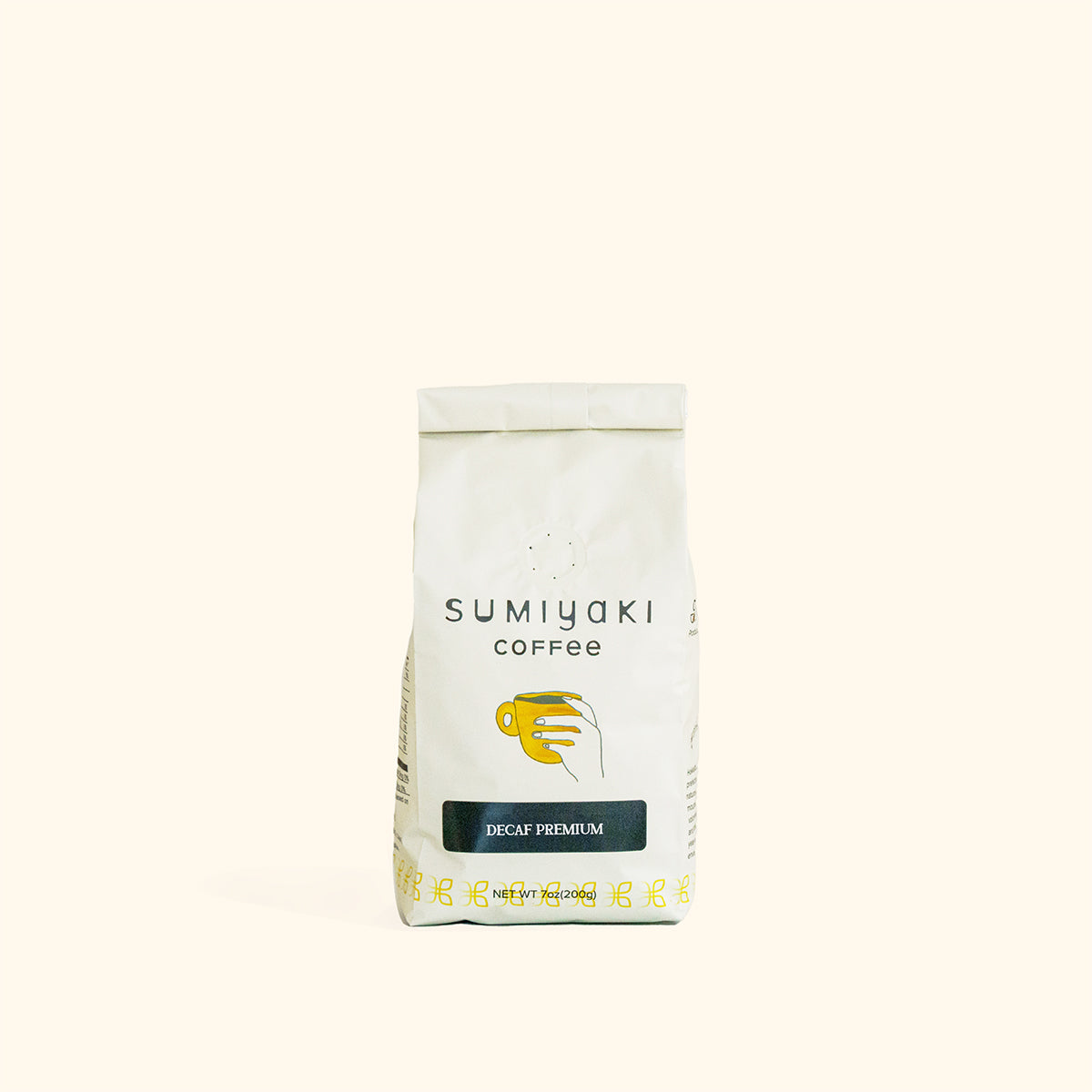
The secret behind Sapporo Coffee Kan’s original Caffeine-off blend lies in a groundbreaking German method called the "Liquid Dicarboxylic Acid Extraction Method," which removes 93–98% of caffeine while preserving the coffee’s original flavor, aroma, and richness. Unlike conventional decaf processes that strip away essential taste components, this technique uses a careful combination of low pressure and temperature over an extended period, ensuring the coffee’s delicious character remains intact. The beans are then roasted using Sapporo Coffee Kan’s unique CSR (Charcoal Straight Roasting) method, minimizing oxidation and preserving the coffee’s vibrant profile. As a result, this decaf coffee is so flavorful and satisfying that it is served at high-end restaurants with evening desserts, offering a true specialty coffee experience for caffeine-sensitive individuals, pregnant women, nursing mothers, and anyone advised to reduce caffeine intake.

10 reviews

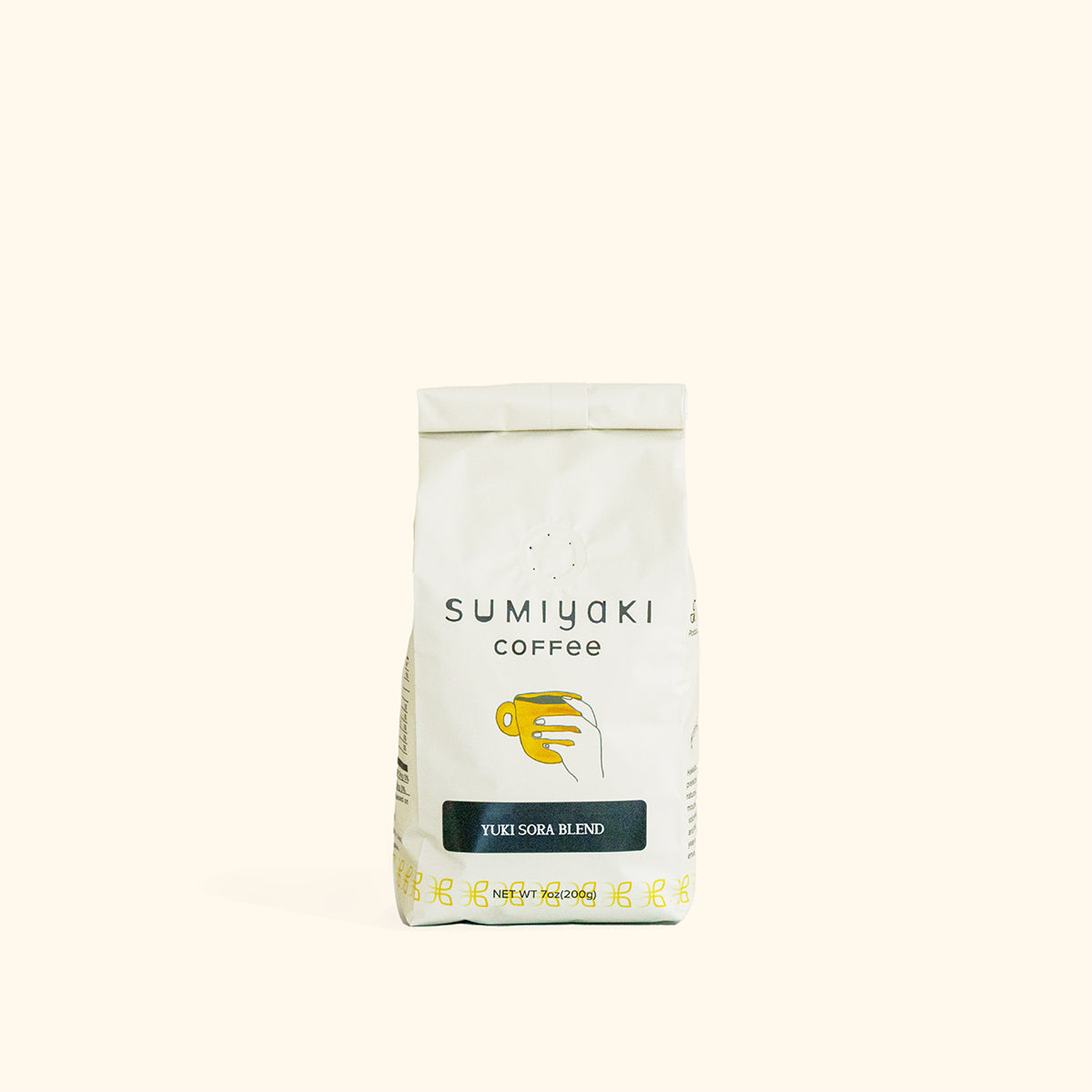
Yuki Sora Blend (Colombia, Ecuador, Indonesia, Uganda)

USD $48.00
Quick view

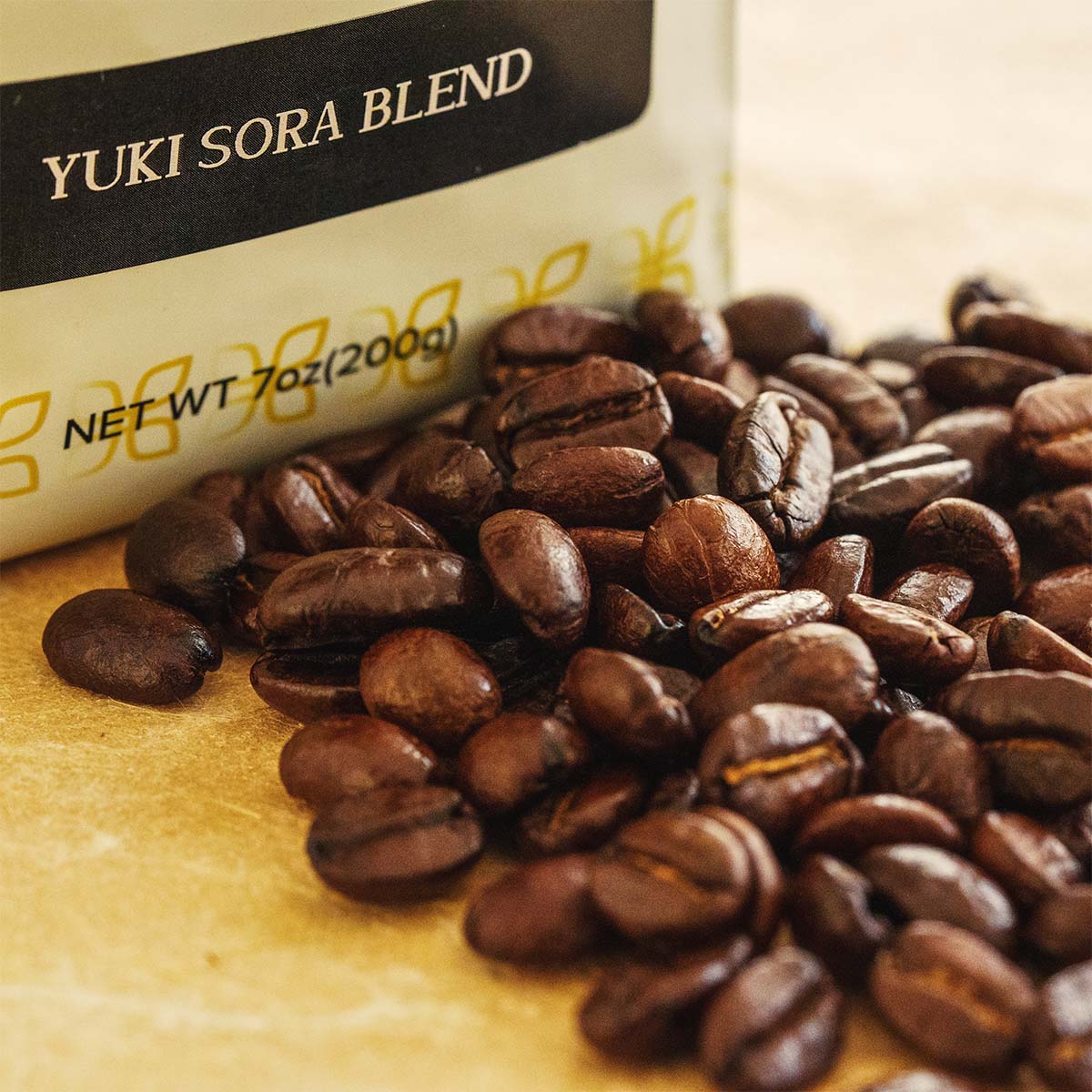
The Yuki Sora Blend was created to highlight the finest qualities of Blue Mountain coffee—its smooth texture, impeccable balance, and the complete harmony of sweet, sour, and bitter tastes without any off-flavors. To achieve this, four carefully selected mountain coffees were blended using a precise Golden Ratio of 3:3:2:2. Through repeated cupping and taste testing, the perfect cup was crafted, resulting in a blend with rich flavors, a mellow taste, and a silky-smooth consistency. Originally named the Mountain Quattro Blend, Yuki Sora stands as the ultimate expression of balance and refinement in a cup.

5 reviews

Select Blend Combination Set (Get 30% Off)

USD $110.00 USD $77.00
Quick view

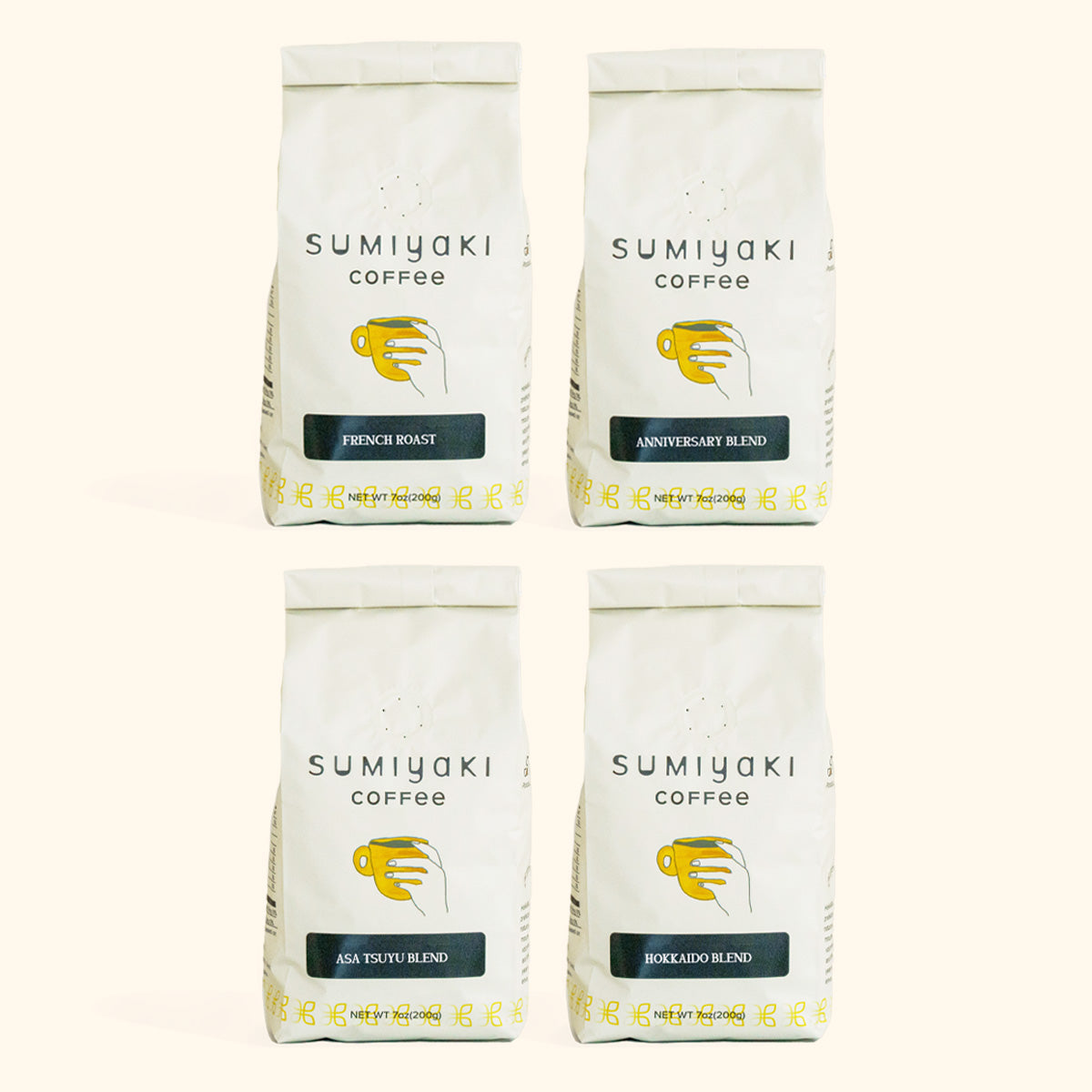
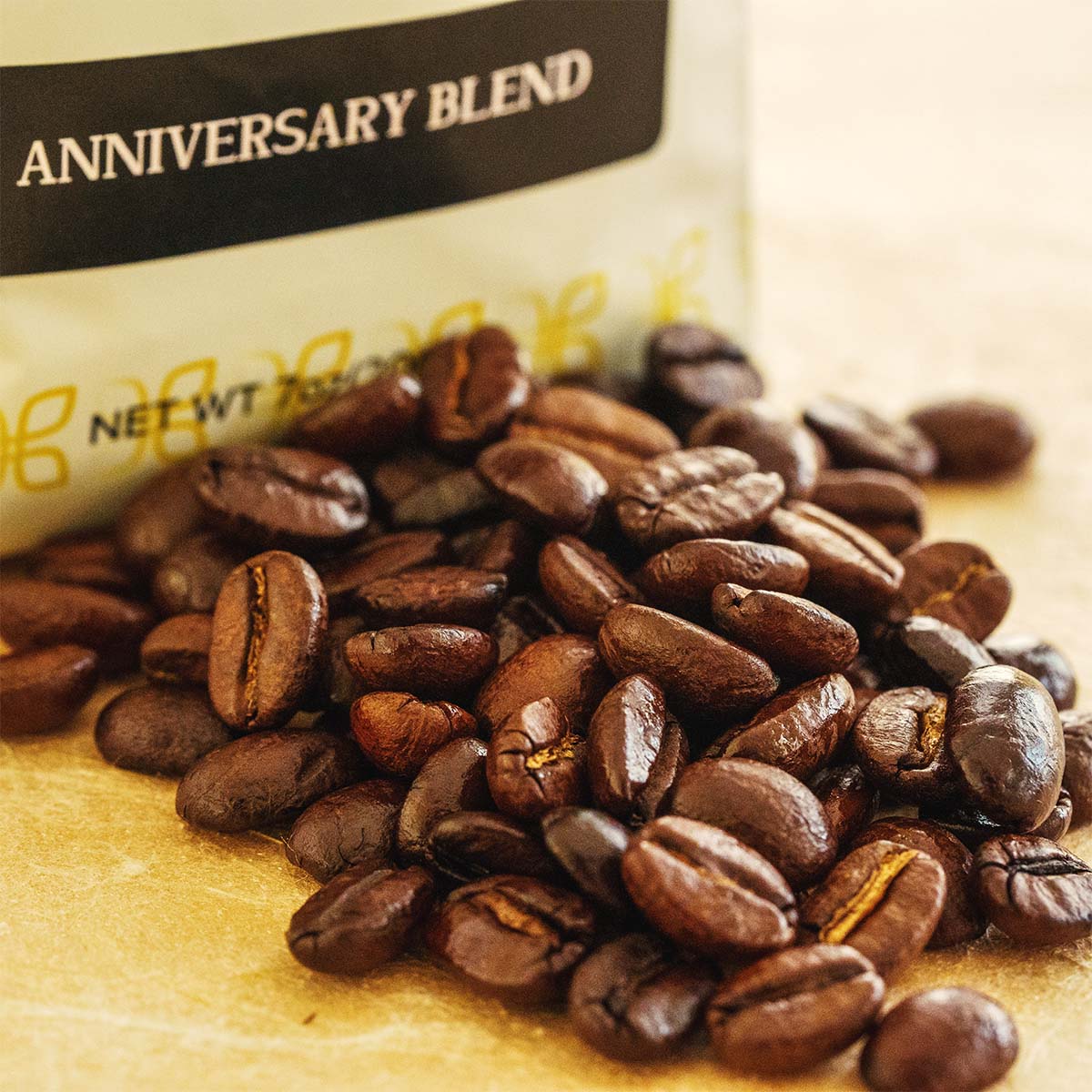
Get 30% off for a limited time when you purchase this special Combination Set featuring four of our most popular Premium Blend Sumiyaki Coffees. Your order will include four 200g packages: Anniversary Blend Coffee (Colombia, Brazil, Indonesia), the fruity favorite originally created for Sapporo Coffee Kan’s 30th anniversary; Asa Kiri Blend, a light roast with pure coffee flavor and a soft touch of sourness; Hokkaido Blend, the signature house blend beloved for its rich and balanced taste; and French Roast Blend, a dark, smoky roast perfect for pairing with milk or crafting café au lait and coffee cocktails. All beans are roasted to order under the expert blending tradition of Sapporo Coffee Kan, led by Ito Eiichi, the renowned “King of Blenders” in Japan, ensuring every cup is a masterful balance of flavor and aroma.

Asa-Yuu Blend Duo (Get 20% Off)

USD $50.00 USD $39.00
Quick view

Meet the Asa-Yuu Blend Duo (朝夕): a roasted-to-order set featuring Asa Tsuyu (light roast, Colombia/Brazil/Ethiopia) and Hokkaido (medium roast, Colombia/Brazil/Honduras/Indonesia). Bright in the morning, smooth and balanced through the day—now 20% off for a limited time.


Related Articles You May Be Interested

How to Select Good Decaf Coffee from Bad Decaf Coffee? - Coffee Quiz
Top 10 Most Exotic Premium Coffees
7 different Arabica varieties that are cultivated in Colombia
Why Japanese Iced Coffee is So Popular
Kalita - Everything You Need to Know
About Our Premium Decaf Coffee
Do you still get the health benefits of coffee if you switch to decaf
What Happens If You Heat up Nitro-Cold-Brew Coffee?
Why We Don't Vacuum-seal Our Coffee

Get Free Bonus Books

Join Japanese Coffee Club

Sign up for free to the Coffee Club to get advice and exclusive articles about how to choose Japanese Coffee, and tips, tricks, and recipes for enjoying Japanese coffee.

Unsubscribe anytime. It’s free!

About the author

Kei Nishida

Kei Nishida

Author, CEO Dream of Japan

info@japaneseCoffeeCo.com

Certifications: PMP, BS in Computer Science

Education: Western Washington University

Kei Nishida is a passionate Japanese tea and coffee connoisseur, writer, and the founder and CEO of Japanese Coffee Co. and Japanese Green Tea Co., both part of Dream of Japan.

His journey began with a mission to introduce the world to the unparalleled quality of Japanese green tea. Through Japanese Green Tea Co., he established the only company that sources premium tea grown in nutrient-rich sugarcane soil—an innovation that led to multiple Global Tea Champion awards.

Building on this success and his passion for Japanese craftsmanship, Kei expanded into the world of coffee, pioneering the launch of Japanese Coffee Co., the first company to bring Sumiyaki charcoal-roasted coffee to a global audience. His dedication to authenticity and quality ensures that this traditional Japanese roasting method, once a well-kept secret, is now enjoyed worldwide.

Beyond tea and coffee, Kei has also introduced Japan’s legendary craftsmanship to the world through Japanese Knife Co., making handmade katana-style knives—crafted by a renowned katana maker—available outside Japan for the first time.

Kei’s journey continues as he seeks out and shares the hidden treasures of Japan, one cup and one blade at a time.

Related Posts

OC Japan Fair April 2026 — Visit Us at Booth #A8!
OC Japan Fair Spring 2026 Recap (April 3 - 5 2026)

We were at OC Japan Fair again! April 3-5 2026 with new products, Miki Pon's art debut and more. Here is a recap video f

Read More
Introducing the Sakura Blend (桜ブレンド): Our Limited-Time Spring Seasonal Coffee Is Here!

Meet Sakura Blend — our first spring seasonal coffee! Bright, smooth, naturally sweet. Not sakura-flavored. While suppli

Read More
How a Sumiyaki Roaster Machine Works: Inside the Japanese Charcoal Roasting Process

Discover the art of Japan’s charcoal coffee roasting — where binchotan, far-infrared heat, and artisan skill create a de

Read More
Leave a comment

Your email address will not be published..

Cart

Your cart is currently empty.

Start Shopping

Select options