Skip to content

4 Tasty Japanese Savory Dishes You Can Make Using Coffee


In Japan, we have a vegetable called Goya (also called Bitter Gourd or Bitter melon) that we use in various dishes, starting from stir-fries to super-healthy salads. You might be wondering why I am talking about a bitter vegetable in a coffee blog, and I will tell you why. Several days ago, I was going through one of those days that I was craving a bitter Japanese dish to rekindle the taste of home in my kitchen. However, it turned out that it was not so easy to get hold of a good-quality fresh bitter gourd right away, and I started to brainstorm for an alternative. Then, after about half an hour of rummaging through the cupboards and my memory, I had the biggest Eureka moment – Coffee!

cook with coffee tiramisu


Once I started cooking with coffee, there was no turning back. The first dish I made with coffee turned out so well and delicious that what I considered a substitute for a vegetable turned out to be one of the best cooking ingredients that I have been missing out on! So, I researched, improvised, and experimented with using different kinds of coffee in the kitchen. In the end, I came up with a list of some of the most fantastic savory Japanese recipes to make with coffee. I hope you enjoy making the dishes as much as I did using your favorite coffee. 

Download Printable Recipe PDF Now

  • Sign up for the free Japanese Coffee Club (unsubscribe anytime) to download the printable PDF of this recipe now.


Why Cook With Coffee? 

I think the bitter taste is one of the most under-rated tastes in cuisine; when incorporated at the correct level, it can elevate even the humblest ingredients to the level of sophistication and add tons of depth to the overall flavor of a dish. It is straightforward to control the level of bitterness you want to add to the dish with coffee. So it is perfect even for beginners to create something unique and delicious using bitter taste and flavors.

Another great advantage of using coffee in cooking that I have discovered is that it adds gorgeous color to the finished dish – it is really like the cherry on top. Coffee’s natural deep brown color makes the food more visually appetizing. Imagine the color of grilled meat or toasted bread – the golden-brown tint adds a nice finishing touch to how the dish looks, making your mouth water even before you take the first bite of your coffee dish.

Japanese Style Coffee Infused Salad Chicken – A Light and Healthy Dish With Deep Flavors

 Japanese style Coffee infused Salad Chicken – A light and healthy dish with deep flavors.

Although the name of the recipe is Salad chicken, it actually does not contain any vegetables. Japanese Salad Chicken is a very healthy recipe made with chicken breast meat. It is low in calories, easy to make, and is mess-free. Using coffee in this recipe adds a nice brown tint to the outer layer of the chicken meat and deepens its taste and flavor. Try this recipe with Sumiyaki charcoal roasted coffee to add a nice smoky flavor to the meat if you want the best results.

Ingredients
Preparation
  1. Remove the skin from the meat and tenderize the meat by poking holes all over using a fork.
  2. In a Zip-lock bag, add all the ingredients and the chicken meat, close the seal, and massage nicely from outside so that all the ingredients are mixed and the meat is marinated in the mixture.
  3. When closing the Zip-lock bag, try to remove as much air as possible, then leave it to marinate in the fridge overnight.
  4. Boil water in a large pot; when the water is boiling, add the chicken while still in the bag, and simmer for 3 minutes.
  5. Cover the pot with a lid, turn off the heat, and let it stand for 30-40 minutes.
  6. When it cools down, take it out, and slice the meat like ham, and serve.
  7. You can even shred the meat or cut them into cubes and add to your salad as toppings or use them in your sandwiches.


Coffee Gyoza – Japanese Dumplings With a Hint of Coffee

Coffee Gyoza – Japanese dumplings with a hint of coffee

Crispy on the outside, meaty and packed full of flavors on the inside, Japanese gyoza dumplings are a real treat for your taste buds. Here we added coffee to the meat filling inside, and my oh my! If not for this recipe, I would have never known that soy sauce, meat, and coffee could go so well together. The slight bitterness of the coffee balances the oil and fats, and before I knew it, I had finished eating a whole batch of dumplings by myself!

Ingredients
  • Minced pork 150g
  • Soy sauce 1 Tbsp
  • Chicken stock 1 Tbsp
  • Instant coffee 2 Tbsp
  • ½ of a long leek (chopped)
  • Sesame oil 1 Tsp
  • Salt to taste
  • Gyoza wrappers 24 sheets
For topping (If you have)
  • Fresh coriander leaves
  • Red bell pepper
Preparation
  1. Combine minced pork meat, soy sauce, chicken stock powder, and instant coffee powder and knead well until everything is mixed well together.
  2. Add leek, sesame oil, and salt. Then knead everything well again.
  3. Wrap a spoonful of the filling in Gyoza wrappers. It can be tricky to get the hang of folding the gyoza wrappers, but once you have become familiar with it, you can do it while having a friendly chat with your friends and family members.
  4. In a frying pan, heat some frying oil to 180°C and then fry the dumplings.
  5. This is optional but if you have, fry some bell peppers and then add on top of the dumplings and garnish with coriander.
  6. To make the dipping sauce, mix some chili or sesame oil, soy sauce, and vinegar.


Coffee Croquettes – Deep-Fried Yet Healthy, Guaranteed to Impress Your Guests 

Coffee Croquettes – Deep-fried yet healthy, guaranteed to impress your guests

The word croquette might make you think it is a complicated French culinary technique; however, it is a pretty simple recipe that is widely popular in Japan both at home and in restaurants. Usually, Japanese croquette is made using potatoes, but in our version, we will use Okara (soy pulp) and sweet potatoes instead to make it diet-friendly. In addition, the slight bitterness of coffee creates a delicious balance when combined with sweet potatoes.

Ingredients
  • Okara 150g (Okara is soy pulp, and if you can not find this, you can substitute with mashed tofu)
  • Instant Coffee
  • Butter 15g
  • One medium-sized yellow onion (chopped)
  • Salt and pepper to taste
  • Sweet potatoes 400g (peeled, boiled, then mashed)
  • Minced meat (pork/beef/mixed) 200g
  • Flour as needed
  • 3 Eggs
  • Frying Oil
Preparation
  1. Put Okara (soy pulp), 2Tbsp instant coffee, chopped onions, and butter in a frying pan and fry until the Okara is fluffy, dry, and toasty.
  2. Heat the butter on a frying pan and then fry the onions until they are golden brown. Then add the Okara mixture to it.
  3. Take this mixture into a bowl and when it has slightly cooled down, add the mashed sweet potatoes. Mix well and add eggs until the mixture reaches your desired consistency.
  4. Make 12 round balls using this mixture.
  5. Apply flour and then eggs to the balls and fry them.


Coffee Okonomiyaki – Japanese Style Savory Pancake With Coffee

Coffee Okonomiyaki – Japanese style savory pancake with coffee

Okonomiyaki is a Japanese street food classic. Served piping hot, it is saucy, full of different textures, and packed with flavors. Okonomiyaki is also a perfect way for using up all the left-over vegetables in your fridge that are too good to be thrown away. Adding coffee to the okonomiyaki was a massive success as it adds layers of flavors to the batter and takes this popular Japanese comfort food to a whole new level.

Ingredients

  • All-purpose flour 200g
  • Water 150ml
  • Salt to taste
  • Instant coffee 1 Tbsp
  • Oil appropriate amount for frying
  • Cabbage (1/4th of cabbage thinly sliced)
  • Thinly sliced pork belly 200g
  • Two eggs
  • Toppings – Sauces (anything you like mayonnaise, ketchup, soy sauce, okonomiyaki sauce, etc.), powdered dry seaweed, bonito flakes, etc.

Preparation

  1. Mix the flour, water, salt, and coffee in a big bowl.
  2. Add the cabbage and mix lightly.
  3. Heat oil on a frying pan and then add the okonomiyaki batter to the pan.
  4. Add the pork belly and the eggs (lightly whisked).
  5. Fry until the cabbages are slightly cooked, and the batter starts to become fluffy.
  6. Flip the okonomiyaki and fry the other side.
  7. Add your favorite toppings and sauces and serve!

These were some of the best savory Japanese recipes you can make at home using coffee. Savory coffee recipes are also a genius way to use up coffee that might have been sitting on the shelf for a long time. When mixed with other cooking ingredients, even old coffee that might not have brewed a nice cup on its own can help you to create a delicious dish.

Download Printable Recipe PDF Now

  • Sign up for the free Japanese Coffee Club (unsubscribe anytime) to download the printable PDF of this recipe now.

FAQs about Coffee in Japanese Savory Cooking

Is using coffee in savory cooking actually a Japanese culinary tradition?

Modern Japanese fusion rather than traditional. Coffee arrived in Japan only ~150 years ago; traditional Japanese cuisine predates coffee by centuries. Using coffee in Japanese savory dishes emerged in the 20th century as Japanese chefs experimented with international ingredient fusion. Some modern "Japanese savory coffee dishes" are actually French-Japanese fusion or American-Japanese fusion adapted for Japanese palates.

Specific dishes have become recognized Japanese savory coffee applications. Coffee-glazed pork tenderloin, coffee-rubbed wagyu beef, coffee-infused dashi-based broths for ramen, coffee-marinated grilled fish. Each combines coffee's umami-and-bitterness with Japanese culinary techniques and ingredients in ways that produce coherent dishes rather than novelty fusion.

This is different from coffee jelly or coffee shochu (which use coffee in dessert or beverage formats). Savory coffee dishes use coffee as seasoning or marinade ingredient rather than as primary flavor. The functional role differs.

What are some Japanese savory coffee dishes worth trying?

Coffee-glazed pork. Marinate pork tenderloin in mixture of strong cold brew + soy sauce + brown sugar + ginger; grill or pan-sear with reduction glaze. The coffee provides umami depth that complements pork's natural richness without overwhelming. Pairs with steamed rice and pickled vegetables — classic Japanese plate format.

Coffee dashi for ramen. Add 2 oz strong-brewed coffee to standard pork or chicken dashi during the final 10 minutes of simmering. The coffee character integrates into the broth as background note; subtle but distinctive. Use for tsukemen-style dipping ramen where the broth is savored slowly.

Coffee-rubbed grilled fish. Mix ground coffee + sea salt + sansho pepper + brown sugar; rub on salmon, mackerel, or tuna; grill briefly. The coffee adds char-and-roast character that complements fish without dominating. JPCo's Hokkaido Blend works well for these savory applications — Japanese-charcoal-roasted character integrates naturally with Japanese culinary traditions.

What kind of coffee should I use for savory cooking?

Strong, dark-roasted, freshly-brewed. The coffee character needs to be prominent enough to register through cooking heat and other ingredients. Light-roasted specialty coffee gets buried in savory cooking; medium-dark to dark roast survives better.

Cold brew concentrate is the easiest cooking-format. Brew 1:8 ratio cold brew (10g coffee per 80g water, 12-hour cold steep), strain, refrigerate. Add to recipes as needed; the concentrated form delivers coffee character without diluting the dish with extra liquid.

Don't use stale or low-quality coffee. The cooking process doesn't mask off-flavors — bad coffee in savory cooking just produces savory dishes with bad coffee flavor. Use good coffee for cooking applications; the per-recipe coffee amount is small enough that quality coffee is economically reasonable.

How do coffee savory dishes pair with traditional Japanese accompaniments?

Surprisingly well. The coffee character in savory dishes integrates with Japanese flavor profiles (umami, sweet-savory, mild bitterness, light fermentation notes from soy sauce and miso). Coffee-glazed pork pairs beautifully with steamed rice, miso soup, and pickled vegetables — the standard Japanese plate accommodates the coffee element without conflict.

Specific pairings worth trying. Coffee-rubbed fish + chilled sake + pickled cucumber. Coffee-glazed pork + steamed rice + miso soup. Coffee dashi ramen + soft-boiled egg + sliced scallions. Each combination uses traditional Japanese plate structure with the coffee element integrating naturally rather than disrupting.

Avoid pairing coffee savory dishes with bright fruit-forward ingredients — the coffee + bright citrus interaction doesn't work in savory context any better than in beverage context. Stick with traditional Japanese savory accompaniments rather than fusion fruit elements.

Can I make Japanese savory coffee dishes at home without specialty ingredients?

Most accessible recipes require only basic Japanese pantry. Soy sauce, brown sugar, ginger, sake (or dry white wine substitute), garlic, sesame oil — these cover most Japanese savory coffee recipes. Add coffee + protein (pork, chicken, fish, beef) for the main ingredient.

Specialty additions (sansho pepper, yuzu zest, dashi powder, mirin) elevate the dishes but aren't strictly required. Start with basic pantry; add specialty Japanese ingredients gradually as you develop interest in deeper Japanese cuisine. The savory coffee dishes work at multiple ingredient sophistication levels.

Asian groceries in major U.S. cities (Mitsuwa, Marukai, H Mart) carry all the specialty ingredients you might want. For ongoing Japanese cooking, building a basic Japanese pantry over a few grocery trips covers most recipe needs. Then incorporating coffee into Japanese cooking becomes easy ingredient addition rather than rebuilding pantry from scratch.

START COOKING WITH OUR JAPAN ROASTED PREMIUM COFFEE NOW!

3 reviews

French Roast Blend (Colombia, Brazil, Indonesia)

USD $25.00 USD $19.99
Quick view

Experience the dark side of coffee with our French Roast Blend, crafted from a rich combination of beans from Colombia, Brazil, and Ethiopia. This bold blend features low acidity, a heavy body, and deep, smoky flavors, achieved by roasting the beans at a high temperature that brings their natural oils to the surface. Versatile and full of character, it delivers exceptional taste both with and without milk, making it perfect for café au lait, iced coffee, or even coffee-based cocktails with a splash of brandy.

5 reviews

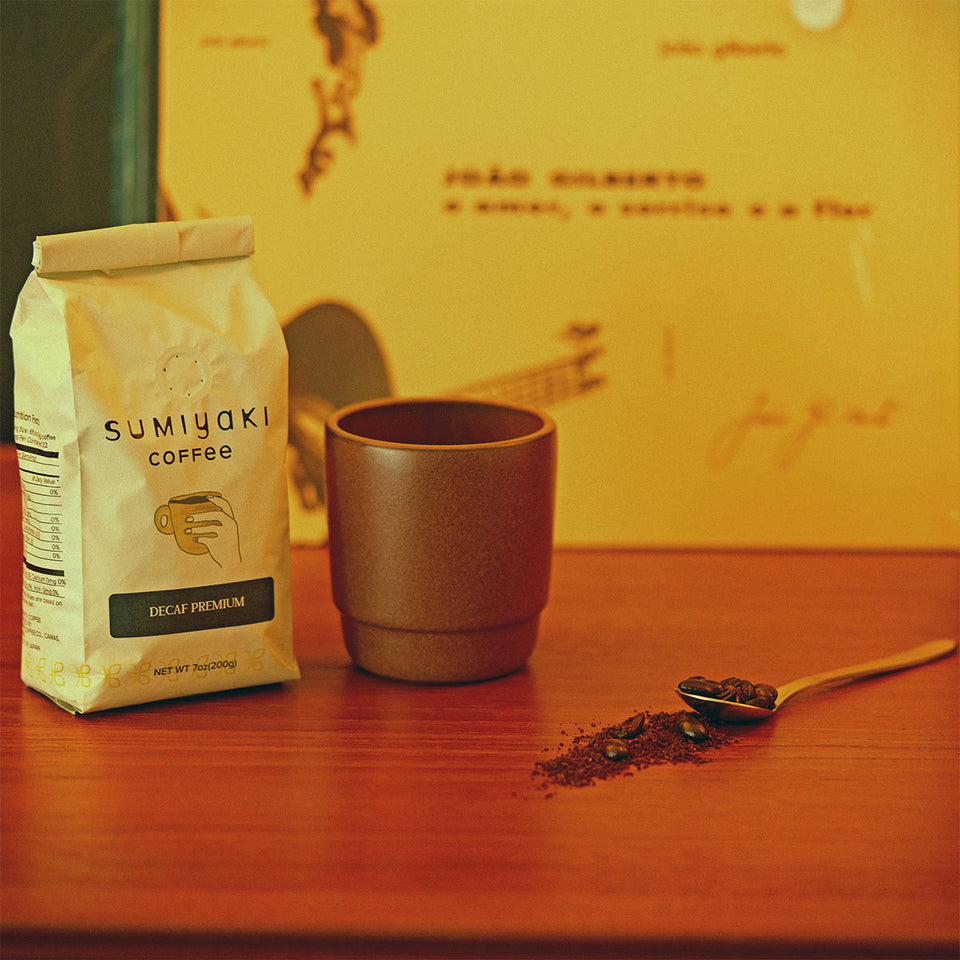
Decaf Premium Blend (Colombia, Brazil, Ethiopia)

USD $35.00
Quick view

The secret behind Sapporo Coffee Kan’s original Caffeine-off blend lies in a groundbreaking German method called the "Liquid Dicarboxylic Acid Extraction Method," which removes 93–98% of caffeine while preserving the coffee’s original flavor, aroma, and richness. Unlike conventional decaf processes that strip away essential taste components, this technique uses a careful combination of low pressure and temperature over an extended period, ensuring the coffee’s delicious character remains intact. The beans are then roasted using Sapporo Coffee Kan’s unique CSR (Charcoal Straight Roasting) method, minimizing oxidation and preserving the coffee’s vibrant profile. As a result, this decaf coffee is so flavorful and satisfying that it is served at high-end restaurants with evening desserts, offering a true specialty coffee experience for caffeine-sensitive individuals, pregnant women, nursing mothers, and anyone advised to reduce caffeine intake.

3 reviews

Brazil Cerrado - Arabica Catuai

USD $35.00
Quick view

This exclusive contract farm coffee from Brazil’s Cerrado region comes from the Shimada Plantation, managed by third-generation Japanese American coffee producer Hugo Shimada. Since 2018, a direct partnership has connected us to this farm, located in the Patrocínio municipality of Minas Gerais, a renowned area for producing exceptional coffee. To preserve the beans' natural sweetness and distinctive character, the coffee is processed using the natural method, allowing the beans to stay in contact with the ripened cherry longer and absorb its rich flavors. Stored carefully and aged in the cherry form, this process brings out a deep, sweet, and vibrant profile in every cup. To ensure even higher quality, production is limited to a select 247-hectare area, capturing the true individuality and excellence of the Cerrado terroir.

3 reviews

Asa Tsuyu Blend [Light Blend] (Colombia, Brazil, Ethiopia)

USD $25.00 USD $19.99
Quick view

Delicate, invigorating, and oh so pure! This blend knows how to dish up a warm welcome. Our lightest blend features beans from Columbia, Brazil, and Ethiopia. We’ve found that this roast makes an incredible espresso, as well as a beautiful, bright drip coffee. With pure coffee flavor, soft touch of sourness and a rich sweet aroma —this light blend helps you start the day off right.

16 reviews

Hokkaido Blend (Colombia, Brazil, Honduras, Indonesia)

USD $25.00
Quick view

Sapporo Coffee Kan's most popular and long-selling signature blend, known as "the house blend," offers a rich, full-bodied coffee experience with a pleasant, mild bitterness and a mellow taste. Crafted by adding the finest Mandheling Berkat Lingtong beans to the blend, it achieves a rare balance—delivering depth and complexity without the sharp acidity often found in other coffees. For those who prefer a smoother, less acidic cup without sacrificing richness and flavor, this special house blend truly hits the spot.

5 reviews

Select Blend Combination Set (Get 30% Off)

USD $110.00 USD $77.00
Quick view

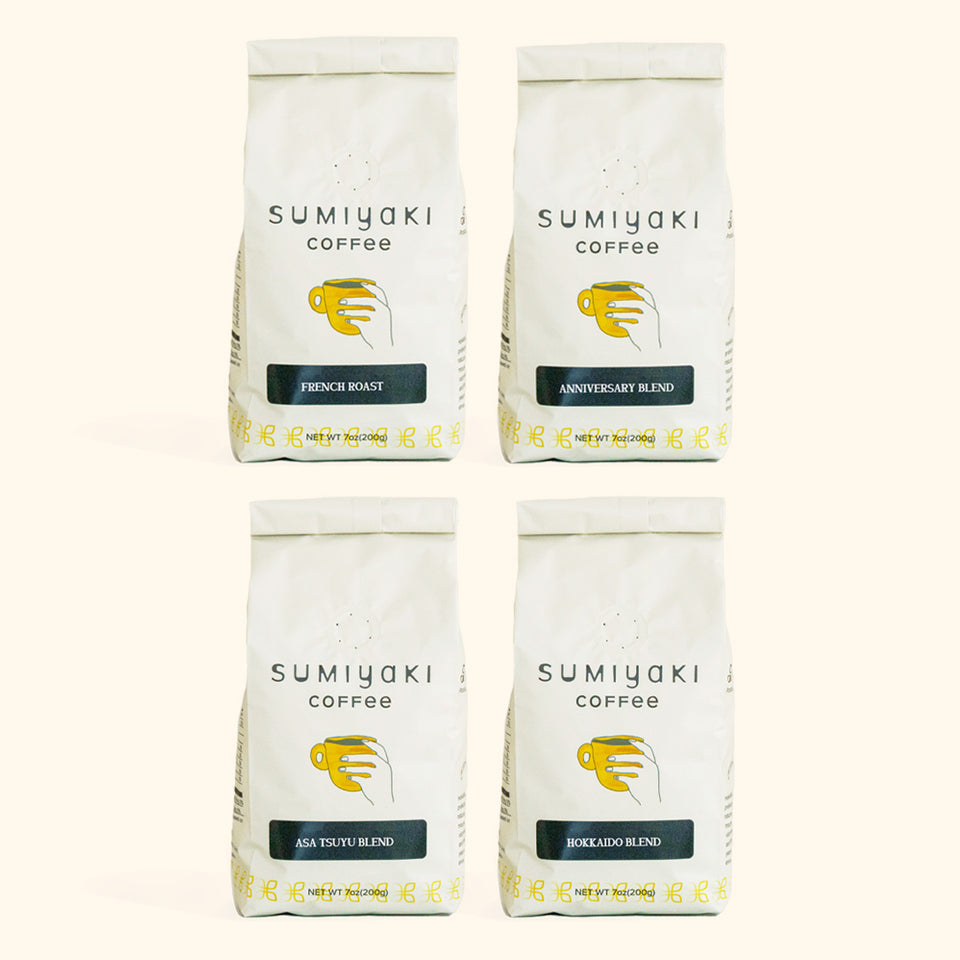
Get 30% off for a limited time when you purchase this special Combination Set featuring four of our most popular Premium Blend Sumiyaki Coffees. Your order will include four 200g packages: Anniversary Blend Coffee (Colombia, Brazil, Indonesia), the fruity favorite originally created for Sapporo Coffee Kan’s 30th anniversary; Asa Kiri Blend, a light roast with pure coffee flavor and a soft touch of sourness; Hokkaido Blend, the signature house blend beloved for its rich and balanced taste; and French Roast Blend, a dark, smoky roast perfect for pairing with milk or crafting café au lait and coffee cocktails. All beans are roasted to order under the expert blending tradition of Sapporo Coffee Kan, led by Ito Eiichi, the renowned “King of Blenders” in Japan, ensuring every cup is a masterful balance of flavor and aroma.

• Disclosure: I only recommend products I would use myself, and all opinions expressed here are my own. This post may contain affiliate links that I may earn a small commission at no additional cost to you.
The commission also supports us in producing better content when you buy through our site links.
Thanks for your support.
- Kei and Team at Japanese Green Tea Co.


Related Articles You May Be Interested

5 Delicious Japanese Food Recipes You Can Make With Coffee
Anko & Coffee – AnCoffee?
How to Make Japanese Coffee Jelly (with Video Recipe)
Top 5 Japanese Food that Pairs Well With Premium Coffee
10 Trendy Coffee Cocktail Recipes You will Love

Get Free Bonus Books

Join Japanese Coffee Club

Sign up for free to the Coffee Club to get advice and exclusive articles about how to choose Japanese Coffee, and tips, tricks, and recipes for enjoying Japanese coffee.

Unsubscribe anytime. It’s free!

About the author

Kei Nishida

Kei Nishida

Author, CEO Dream of Japan

info@japaneseCoffeeCo.com

Certifications: PMP, BS in Computer Science

Education: Western Washington University
Kei Nishida is a passionate Japanese tea and coffee connoisseur, writer, and the founder and CEO of Japanese Coffee Co. and Japanese Green Tea Co., both part of Dream of Japan.

His journey began with a mission to introduce the world to the unparalleled quality of Japanese green tea. Through Japanese Green Tea Co., he established the only company that sources premium tea grown in nutrient-rich sugarcane soil—an innovation that led to multiple Global Tea Champion awards.

Building on this success and his passion for Japanese craftsmanship, Kei expanded into the world of coffee, pioneering the launch of Japanese Coffee Co., the first company to bring Sumiyaki charcoal-roasted coffee to a global audience. His dedication to authenticity and quality ensures that this traditional Japanese roasting method, once a well-kept secret, is now enjoyed worldwide.

Beyond tea and coffee, Kei has also introduced Japan’s legendary craftsmanship to the world through Japanese Knife Co., making handmade katana-style knives—crafted by a renowned katana maker—available outside Japan for the first time.

Kei’s journey continues as he seeks out and shares the hidden treasures of Japan, one cup and one blade at a time.

Related Posts

The Story Behind Our Booth Backdrop: Craftsmanship, Engineering, and Sacred Wood
Behind the Scenes – How We Made the Event Booth & Backdrop Using Sacred Wood

Discover how our one-of-a-kind event booth came to life—from Japanese Kōshi (格子) design and rare Port Orford Cedar to mo

Read More
How to Make Japanese Coffee Jelly
How to Make Japanese Coffee Jelly (with Video Recipe)

Step up your coffee game with this unique Japanese coffee jelly recipe! Impress your guests and satisfy your sweet tooth

Read More
Balmuda Brings Japanese Lifestyle to Brooklyn – My First-Hand Journey at Cibone O’te

Step into Brooklyn’s ‘Little Tokyo’ where timeless Japanese craftsmanship meets sleek innovation—dashi, design, and dram

Read More
Leave a comment

Your email address will not be published..

Cart

Your cart is currently empty.

Start Shopping

Select options