Skip to content

Coffee Varietals With Naturally Low Caffeine


Do you ever feel like you need a little caffeine break in the middle of the day? You're not alone. Many people rely on coffee to give them an energy boost. But what if you want a cup of coffee but don't want the caffeine?

Well there are actually some naturally low-caffeine coffee varietals! So, you can still enjoy all the flavor without feeling wired afterwards. Let’s find out more about them!

Coffee Varietals with Naturally Low Caffeine

Coffee Varietals with Naturally Low Caffeine

If you're looking for a coffee that has less caffeine, you don't have to sacrifice flavor. There are several coffee varietals that have naturally low levels of caffeine. This means that these varietals are low in caffeine without having to go through an industrial decaffeination process.

Decaffeinated coffee has been around for a long time. Although not completely deprived of caffeine, the stimulating substance is almost completely removed from the coffee. And despite advertising messages to the contrary, it is usually at the expense of taste.

During decaffeination, important aromatic substances are lost in the chemical process, depending on the method used. Here at Japanese Coffee Co., we use a process that keeps the flavors and aromas intact, so you don’t have to compromise.

If, however, you are ready to try something new, then coffee that is naturally low in caffeine might just be the thing for you!

Varietals that are Naturally Low In Caffeine

Coffee varietals that are naturally low in caffeine is not something rare; it's just that the lower-caffeine variants tend to produce much less coffee than varietals with higher levels of caffeine.

Such varietals are:

  • Coffea Lancifolia from Madagascar
  • Coffea Racemosa from South Africa and Zimbabwe
  • Arabica Laurina from Central America and Brazil
Coffee Fruit

What does the research tell us?

The Brazilian researchers examined more than 3,000 coffee plants of the species Coffea arabica and finally found three shrubs that contained almost no caffeine. The scientists around Paulo Mazzafera from the University of Campinas analyzed the metabolism of the plants with radioactively labeled molecules and chromatography methods.

What they found is that the cause of the caffeine deficiency is probably a mutation of the responsible gene. The plants from Ethiopia apparently lack an enzyme that is necessary for the conversion of a chemical precursor to caffeine.

Since the new plants belong to the classic Coffea arabica species, they could easily be crossed with already-known varieties. Because the world's most widespread type of coffee also includes varieties that are known for their good taste,

Given the low genetic diversity of Coffea arabica and the fact that even unusual and older varieties make good coffee, the scientists conclude that the low-caffeine plant should also make a tasty drink possible.

Genetically modified coffee plant yields low-caffeine beans

Researchers have developed a genetically modified coffee plant whose beans contain up to 70 percent less caffeine. This could replace the expensive industrial decaffeination, which also often affects taste, the scientists report in the journal Nature.

Japanese Coffee Beans

Three enzymes are responsible for the biosynthesis of caffeine in the coffee plant, Coffea canephora. In the genetically modified variant, the team led by Shinjiro Ogita from the Nara Institute of Science and Technology blocked a gene that encodes one of these enzymes. As a result, the plant lacks one of the biocatalysts for caffeine production, and coffee beans are produced with a greatly reduced content of the stimulating substance.

Shinjiro Ogita and his team at the Nara Institute of Science and Technology also want to apply the technique to Arabica coffee plants. High-quality Arabica coffee accounts for about 70 percent of the world market.

The method also opens up the possibility of crossing existing plant species more quickly, thus shortening the breeding period. In addition, completely new types of coffee plants can be developed in this way.

So far, however, all attempts to breed low-caffeine coffee plants by naturally crossing different species have failed. The genetic barriers between the species turned out to be too high.

What are the differences between the types of coffee in terms of caffeine content?

Not only the caffeine content in the coffee of the two coffee tree species, Arabica and Robusta, differs significantly. The different Arabica varieties also have very different levels of caffeine. Arabica coffee has a caffeine content of 0.8%–1.4%, and Robusta beans have a caffeine content of 1.7%–4% of the stimulating substance.

Black Strong Arabica Coffee

With a cup of coffee (150 ml) made from Arabica beans, it absorbs around 60 to 100mg of caffeine. People don't usually drink Robusta coffee pure. The particularly strong coffee bean is usually used in espresso blends to obtain strong coffee. In addition, the Robusta bean is particularly suitable for preparing an espresso due to its low oil content, which creates a thick, stable crema.

Naturally Low In Caffeine vs. Decaf

Decaf coffee is not caffeine-free. It contains some caffeine because decaf coffee beans usually contain about 0.1% to 1.5% caffeine, depending on the bean variety used, the growing conditions, and the decaffeination process. This is about one-tenth to one-half of the caffeine normally present in coffee beans before they are decaffeinated.

Decaf coffee can be a good choice for individuals who do not wish to consume caffeine in their diet because it provides many of the flavor elements and the bulk of a cup of coffee without caffeine.

And while it is widely accepted that drinking several cups of decaf coffee daily will provide some health benefits, research indicates that individuals who drink large amounts of caffeinated coffee may be at greater risk for heart disease. Decaf coffee also provides many essential nutrients, including magnesium, potassium, riboflavin, niacin, and vitamin E.

Because decaffeination is a chemical process that removes caffeine from the coffee bean, it strips the beans of many essential nutrients as well. In fact, about 97% of the flavor of a coffee bean is contained in the oils it contains.

Caffeine has no flavor, and so, when a decaffeination process removes 97% of a bean's flavor, a cup of brewed coffee made from these beans will not taste nearly as rich or complex as a cup of regular coffee. Choosing coffee that is naturally low in caffeine can eliminate this problem.

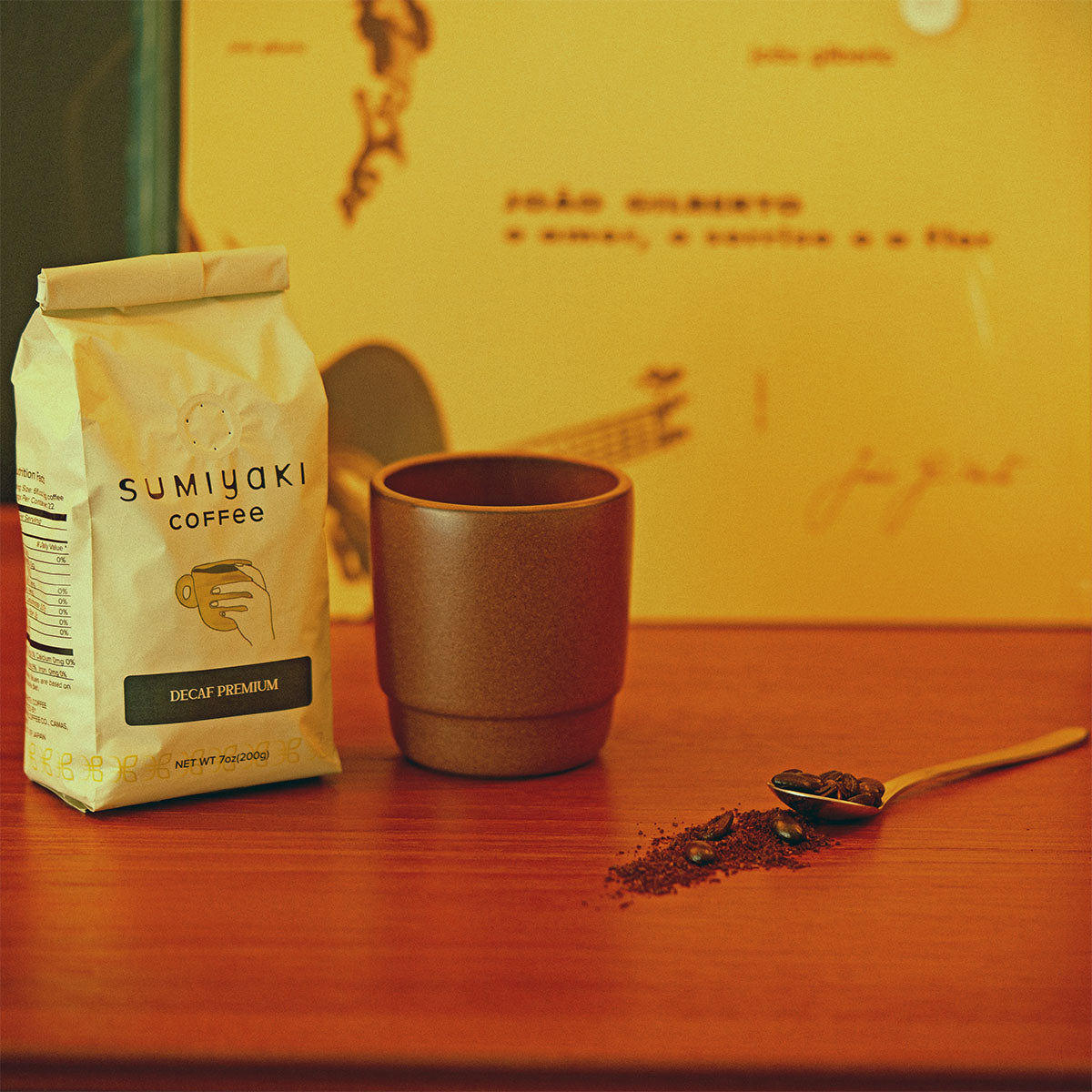
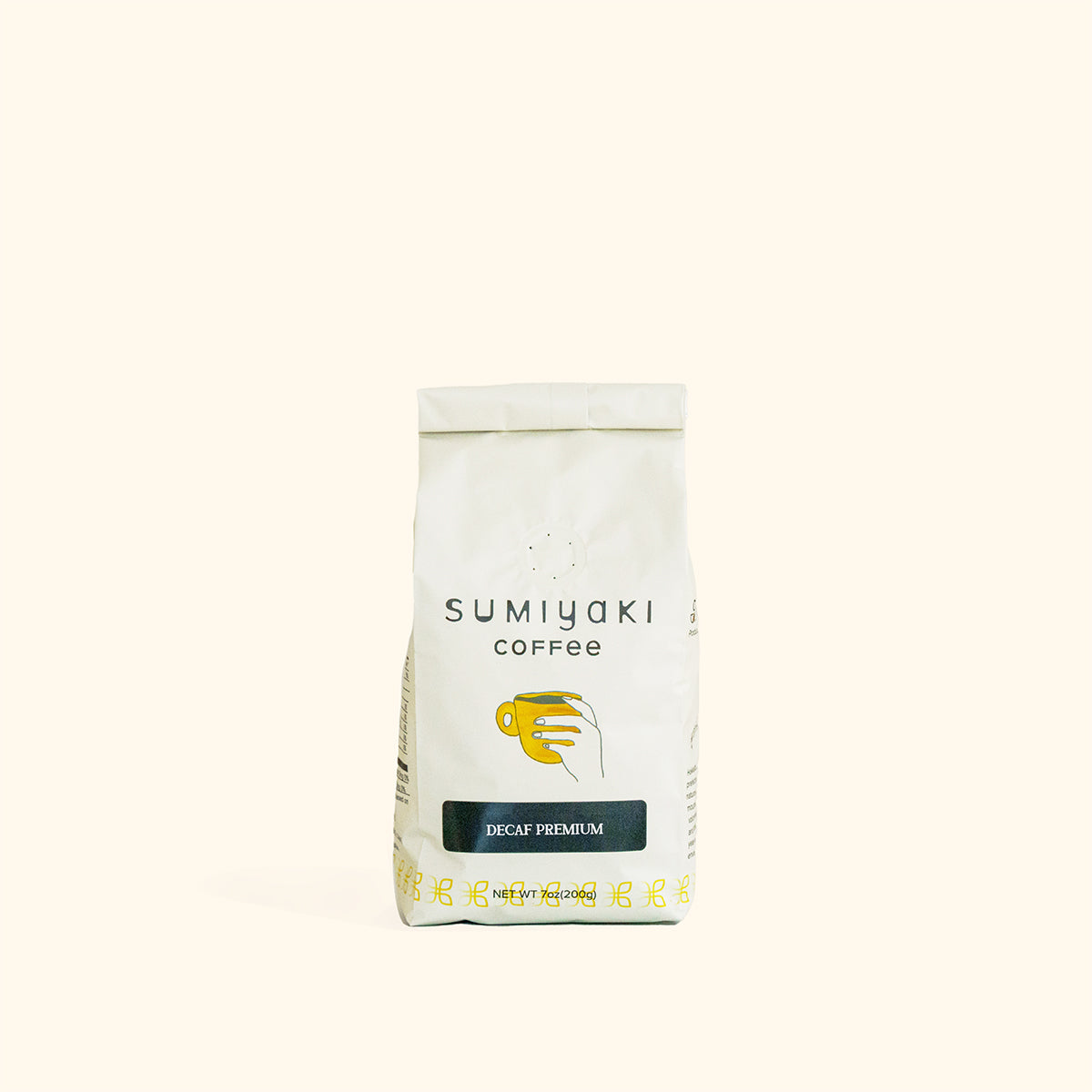
There are, however, some decaffeination methods that do not strip coffee of its natural flavor and aroma, like the one we use at Japanese Coffee Co. This is exactly the reason why our Premium Decaf Blend is so popular.

Final Thoughts

If you’re looking to cut back on caffeine, there are a few great coffee varietals with naturally low levels of the stimulant. I should, however, warn you that they are not as easy to find, so you might have to do some research first.

All in all, the most popular alternative to high-caffeine drinks is decaf coffee. I actually wrote an article about the 10 Surprising Things About Decaf Coffee, so go check it out; you will definitely be surprised!


FAQs about Naturally Low-Caffeine Coffee Varietals

Are there really coffee varietals that naturally have less caffeine?

Yes. Some Arabica varietals contain meaningfully less caffeine than standard Caturra or Bourbon. Laurina (also called Bourbon Pointu) has roughly half the caffeine of standard Arabica — about 0.6% caffeine by dry weight vs 1.2% for typical Arabica. Decaffito (rare, Arabica-Robusta hybrid) and a few other naturally-low-caffeine cultivars also exist.

These varietals aren't decaffeinated — they grew with naturally lower caffeine content from the bean's chemistry. The flavor profiles are typically similar to other Arabicas (Laurina has been compared to mild Caturra) but caffeine content is genetically lower. Different from chemical or water decaffeination, which removes caffeine from beans that grew with normal caffeine.

Total caffeine in a cup: Laurina at 30-40mg per 8oz cup vs typical Arabica at 80-120mg. Half the caffeine of normal coffee at near-normal flavor. Worth seeking out for caffeine-sensitive coffee drinkers who want to keep coffee experience without full caffeine load.

How does Laurina coffee compare to decaf?

Better flavor than typical decaf. Laurina retains its natural flavor profile because no decaffeination process strips compounds. Decaf coffee always loses some flavor in the decaffeination process (Swiss Water and CO2 process minimize loss but don't eliminate it). Laurina at 30-40mg caffeine per cup is naturally what it grew as; decaf at 5-10mg caffeine per cup has been processed to remove caffeine.

Caffeine content sits between full-strength coffee and decaf. Decaf is essentially zero caffeine; Laurina is about a third of full-strength caffeine. For drinkers who want significant caffeine reduction without going to decaf, Laurina offers a middle option that decaf doesn't provide.

Availability is the issue. Laurina is rare and expensive — global production is small, almost all goes to specialty roasters at premium prices. Decaf is universally available at all price points. If you can find Laurina (some specialty roasters carry it; sometimes appears at ~$50/lb), it's a unique experience. Don't expect everyday availability.

Where can I buy naturally low-caffeine coffee varietals?

Specialty roasters with rotating origin programs. Counter Culture, Stumptown, Onyx Coffee Lab occasionally carry Laurina or other low-caffeine varietals as seasonal offerings. Direct-from-farm specialty importers (Cafe Imports, Vournas) sometimes have Laurina lots available. Reunion Island is the historical Laurina origin; modern Laurina is grown there plus some specialty farms in Brazil and Colombia. JPCo's Decaf Premium Blend is a complementary option for caffeine reduction — actual decaf rather than naturally low-caffeine, but easily accessible at U.S. specialty quality.

Online: search specialty coffee sites for "Laurina," "Bourbon Pointu," or "low-caffeine arabica." Availability is sporadic; new harvests come to market in specific windows. Sign up for specialty roaster newsletters that announce limited-availability lots.

Don't expect supermarket availability. Naturally low-caffeine varietals are specialty-grade products at specialty pricing. If you're casually caffeine-conscious, regular decaf is the more practical option. If you're specialty-coffee-curious and willing to seek out distinctive coffee, Laurina is worth the hunt.

Why don't all coffee plants produce low-caffeine beans?

Caffeine has evolutionary purpose for coffee plants — it's a natural pesticide that deters insects from eating the plant. Coffee that produces less caffeine is more vulnerable to insects in the wild; standard Arabica's caffeine content evolved as plant defense, not as human-caffeine-supplier.

Naturally low-caffeine cultivars are partial accidents — genetic mutations that reduced caffeine production. Laurina specifically is a mutation discovered on Reunion Island in the 1700s. Modern coffee breeding is exploring deliberate development of low-caffeine cultivars but the underlying plant biology resists easy modification.

From a coffee farming economic perspective, growing Laurina or other low-caffeine cultivars is risky — these plants are more vulnerable to pests and produce smaller yields than standard Arabica. Most coffee farmers stick with standard varieties unless they have specific specialty market relationships that justify the risk premium.

What's the right brewing approach for low-caffeine coffee varietals?

Standard pour-over (V60 or Kalita) with same parameters as regular Arabica. Laurina specifically benefits from medium grind, water at 200°F, 1:16 ratio. The bean character resembles standard Caturra; brewing principles transfer directly.

Don't try to compensate for lower caffeine by brewing stronger. Stronger brewing of Laurina just produces stronger Laurina coffee, not more caffeine. The caffeine content is fixed by the bean genetics; brewing affects extraction of all compounds equally. If you want more caffeine, drink more cups of Laurina (still less total than equivalent Arabica) or switch to standard Arabica.

Match drinking schedule to your caffeine goals. Laurina at 30-40mg per cup means you can drink 3-4 cups for what one cup of standard Arabica delivers in caffeine. The slower caffeine ramp can suit study sessions or sustained focus better than acute single-cup caffeine spike.

Related products

5 reviews

Decaf Premium Blend (Colombia, Brazil, Ethiopia)

USD $35.00
Quick view

The secret behind Sapporo Coffee Kan’s original Caffeine-off blend lies in a groundbreaking German method called the "Liquid Dicarboxylic Acid Extraction Method," which removes 93–98% of caffeine while preserving the coffee’s original flavor, aroma, and richness. Unlike conventional decaf processes that strip away essential taste components, this technique uses a careful combination of low pressure and temperature over an extended period, ensuring the coffee’s delicious character remains intact. The beans are then roasted using Sapporo Coffee Kan’s unique CSR (Charcoal Straight Roasting) method, minimizing oxidation and preserving the coffee’s vibrant profile. As a result, this decaf coffee is so flavorful and satisfying that it is served at high-end restaurants with evening desserts, offering a true specialty coffee experience for caffeine-sensitive individuals, pregnant women, nursing mothers, and anyone advised to reduce caffeine intake.

3 reviews

Asa Tsuyu Blend [Light Blend] (Colombia, Brazil, Ethiopia)

USD $25.00 USD $19.99
Quick view

Delicate, invigorating, and oh so pure! This blend knows how to dish up a warm welcome. Our lightest blend features beans from Columbia, Brazil, and Ethiopia. We’ve found that this roast makes an incredible espresso, as well as a beautiful, bright drip coffee. With pure coffee flavor, soft touch of sourness and a rich sweet aroma —this light blend helps you start the day off right.

16 reviews

Hokkaido Blend (Colombia, Brazil, Honduras, Indonesia)

USD $25.00
Quick view

Sapporo Coffee Kan's most popular and long-selling signature blend, known as "the house blend," offers a rich, full-bodied coffee experience with a pleasant, mild bitterness and a mellow taste. Crafted by adding the finest Mandheling Berkat Lingtong beans to the blend, it achieves a rare balance—delivering depth and complexity without the sharp acidity often found in other coffees. For those who prefer a smoother, less acidic cup without sacrificing richness and flavor, this special house blend truly hits the spot.

Asa-Yuu Blend Duo (Get 20% Off)

USD $50.00 USD $39.00
Quick view

Meet the Asa-Yuu Blend Duo (朝夕): a roasted-to-order set featuring Asa Tsuyu (light roast, Colombia/Brazil/Ethiopia) and Hokkaido (medium roast, Colombia/Brazil/Honduras/Indonesia). Bright in the morning, smooth and balanced through the day—now 20% off for a limited time.

5 reviews

Select Blend Combination Set (Get 30% Off)

USD $110.00 USD $77.00
Quick view

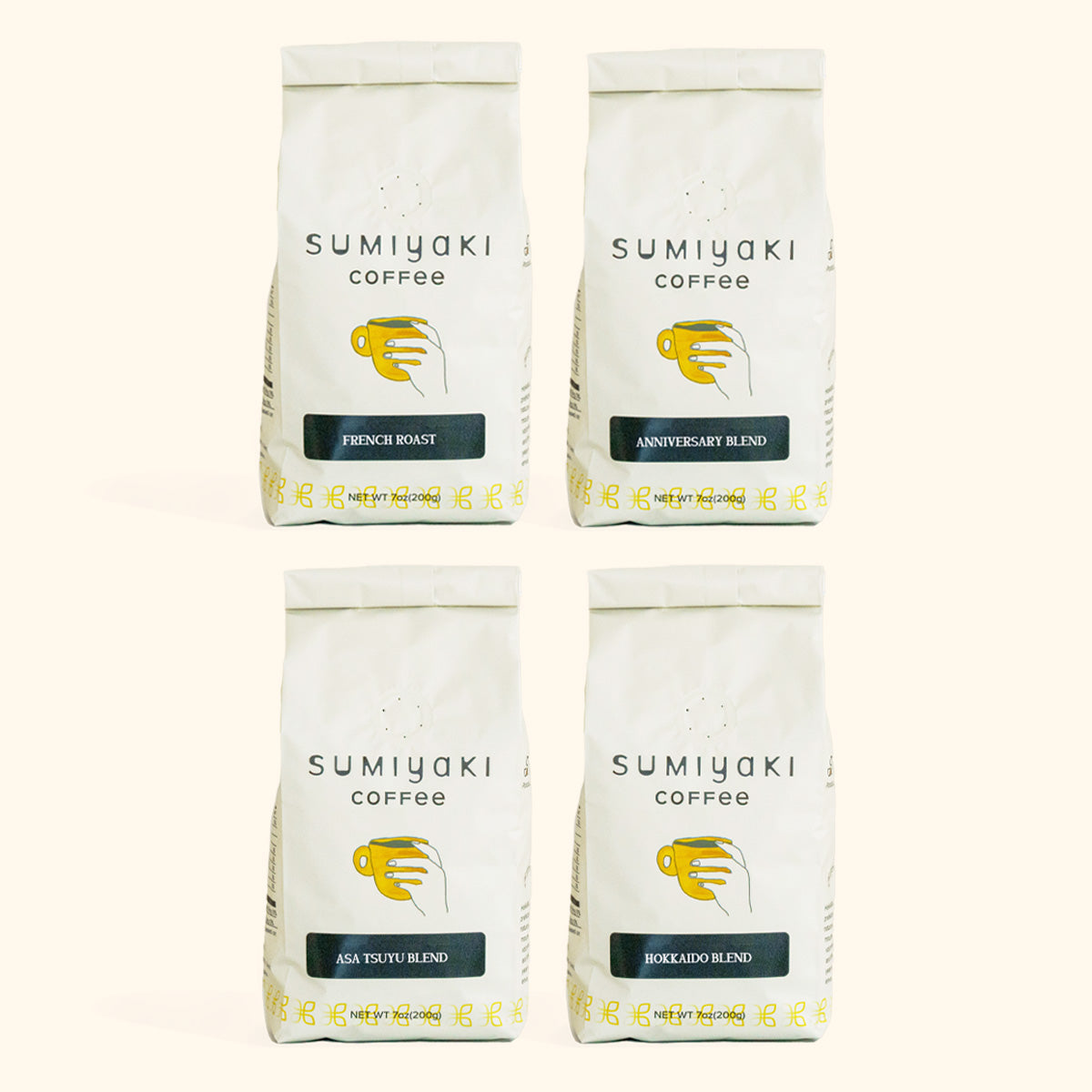
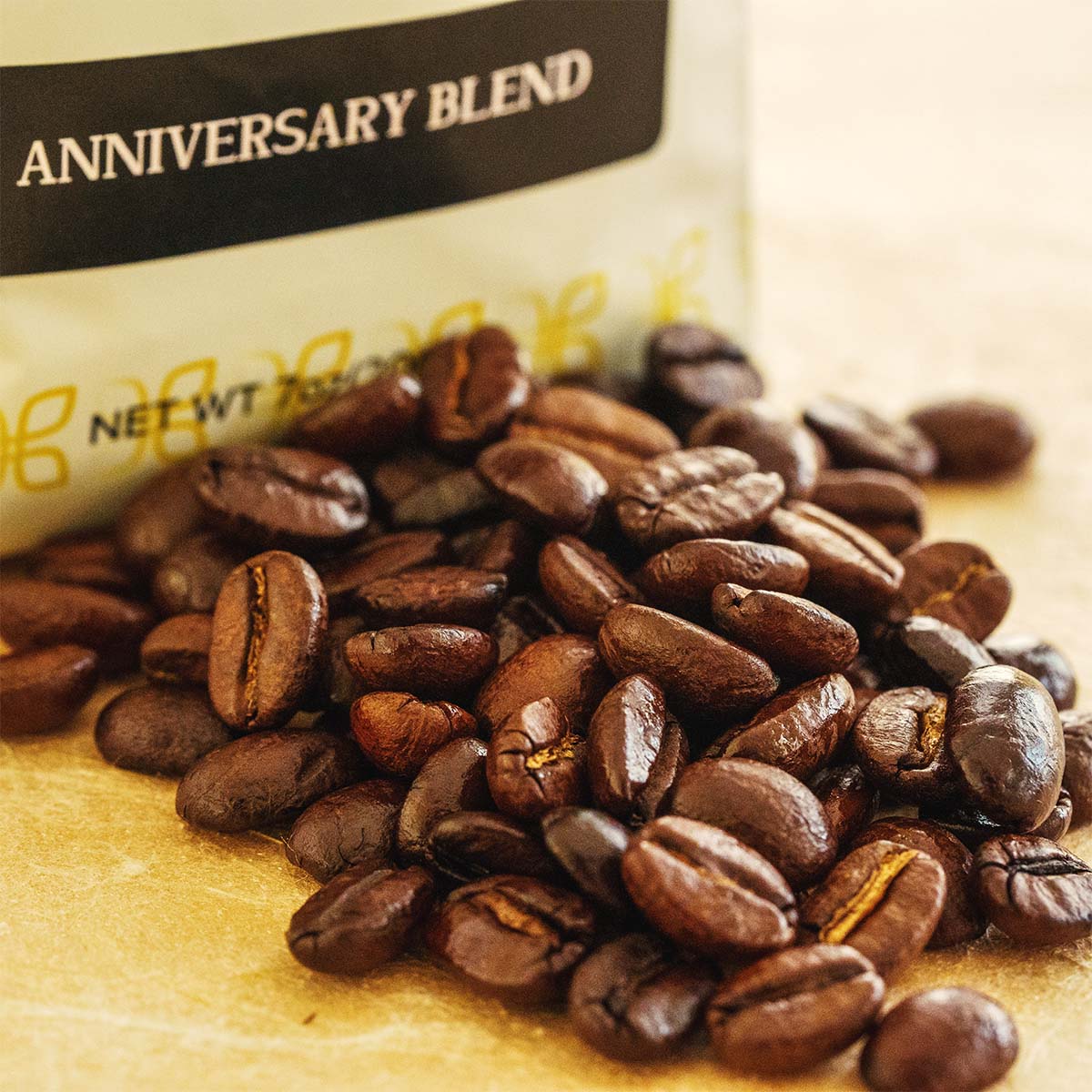
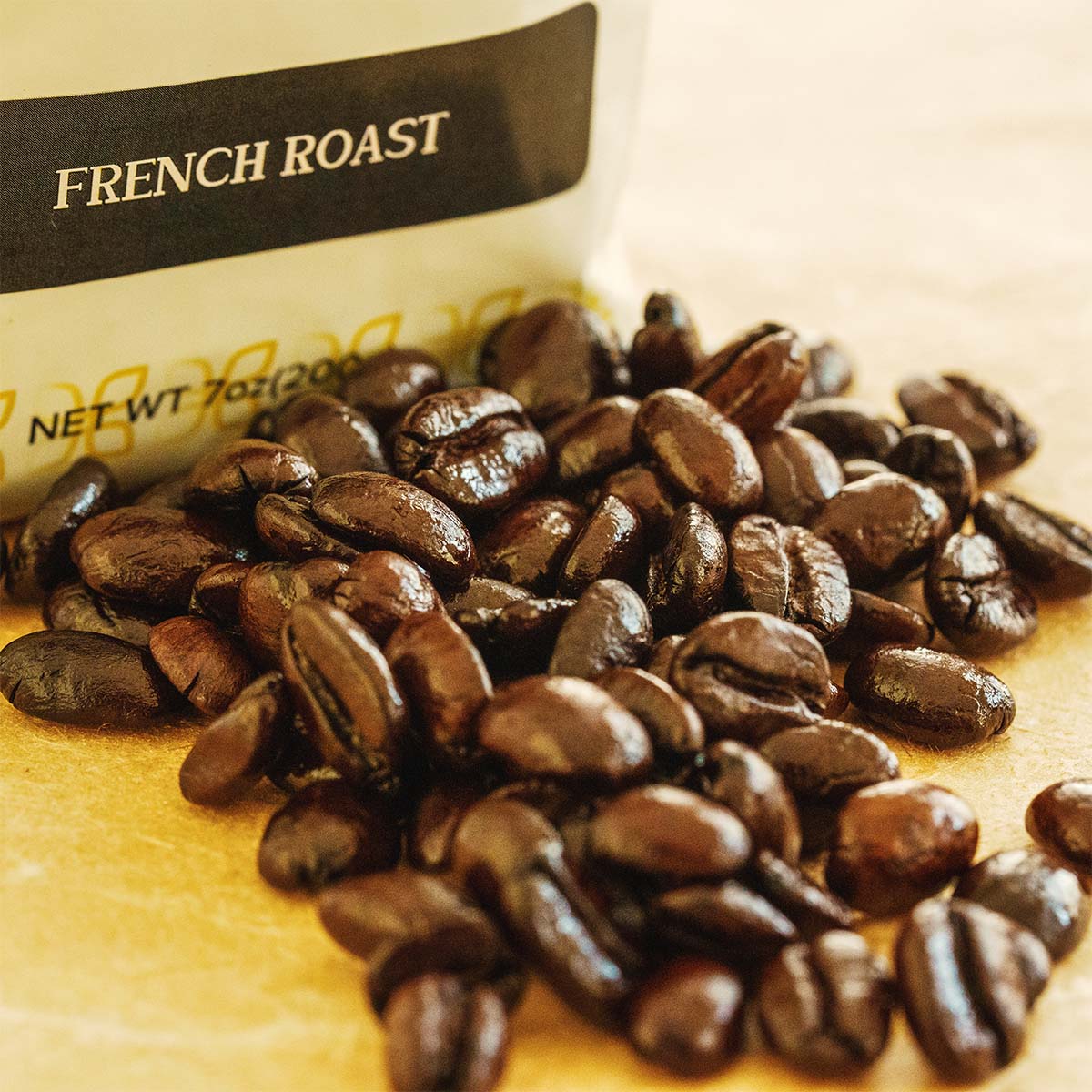
Get 30% off for a limited time when you purchase this special Combination Set featuring four of our most popular Premium Blend Sumiyaki Coffees. Your order will include four 200g packages: Anniversary Blend Coffee (Colombia, Brazil, Indonesia), the fruity favorite originally created for Sapporo Coffee Kan’s 30th anniversary; Asa Kiri Blend, a light roast with pure coffee flavor and a soft touch of sourness; Hokkaido Blend, the signature house blend beloved for its rich and balanced taste; and French Roast Blend, a dark, smoky roast perfect for pairing with milk or crafting café au lait and coffee cocktails. All beans are roasted to order under the expert blending tradition of Sapporo Coffee Kan, led by Ito Eiichi, the renowned “King of Blenders” in Japan, ensuring every cup is a masterful balance of flavor and aroma.


Related Articles You May Be Interested

Everything You Need to Know About Caffeine and Coffee
What Makes a Cup of Coffee Strong?
Everything you need to know about Decaf Coffee
How to Select Good Decaf Coffee from Bad Decaf Coffee? - Coffee Quiz
Major Japanese Coffee Manufacturers In 2025 and Their Best Sellers

Get Free Bonus Books

Join Japanese Coffee Club

Sign up for free to the Coffee Club to get advice and exclusive articles about how to choose Japanese Coffee, and tips, tricks, and recipes for enjoying Japanese coffee.

Unsubscribe anytime. It’s free!

About the author

Kei Nishida

Kei Nishida

Author, CEO Dream of Japan

info@japaneseCoffeeCo.com

Certifications: PMP, BS in Computer Science

Education: Western Washington University

Kei Nishida is a passionate Japanese tea and coffee connoisseur, writer, and the founder and CEO of Japanese Coffee Co. and Japanese Green Tea Co., both part of Dream of Japan.

His journey began with a mission to introduce the world to the unparalleled quality of Japanese green tea. Through Japanese Green Tea Co., he established the only company that sources premium tea grown in nutrient-rich sugarcane soil—an innovation that led to multiple Global Tea Champion awards.

Building on this success and his passion for Japanese craftsmanship, Kei expanded into the world of coffee, pioneering the launch of Japanese Coffee Co., the first company to bring Sumiyaki charcoal-roasted coffee to a global audience. His dedication to authenticity and quality ensures that this traditional Japanese roasting method, once a well-kept secret, is now enjoyed worldwide.

Beyond tea and coffee, Kei has also introduced Japan’s legendary craftsmanship to the world through Japanese Knife Co., making handmade katana-style knives—crafted by a renowned katana maker—available outside Japan for the first time.

Kei’s journey continues as he seeks out and shares the hidden treasures of Japan, one cup and one blade at a time.

Related Posts

Balmuda Brings Japanese Lifestyle to Brooklyn – My First-Hand Journey at Cibone O’te

Step into Brooklyn’s ‘Little Tokyo’ where timeless Japanese craftsmanship meets sleek innovation—dashi, design, and dram

Read More
Exciting News: We Acquired the History of Katana YouTube Channel!

Welcome to the famed History of Katana YouTube Channel—unlocking rare stories, epic blades, and what comes next. Curious

Read More
Mikado Coffee: A Timeless Brew With a Legacy in Japan
Mikado Coffee: A Timeless Coffee With a Tradition in Japan - Cafe Spotlight

Is Mikado just another café—or the soul of Japan’s coffee culture? Step inside and uncover the rich legacy brewed into e

Read More
Leave a comment

Your email address will not be published..

Cart

Your cart is currently empty.

Start Shopping

Select options