


- What is decaf coffee?
- What are the most common decaffeination methods?
- What is the decaffeination process at Japanese Coffee Co.?
- Who should drink decaf coffee?
- Does decaf coffee contain acid and oils that regular coffee has?
- Is decaf coffee 100% free of caffeine?
- Why does decaf coffee taste different to caffeinated coffee?
- Will decaf coffee keep me awake?
- What is the difficulty in making decaf coffee taste better?
- Is decaffeinated coffee safe to drink?
- Is decaffeinated coffee safe for diabetics?
- Is decaffeinated coffee good for weight loss?
- What's the point of decaf coffee?
- What are the side effects of decaffeinated coffee?
- How can you tell if coffee is decaf?
- Is decaffeinated coffee healthier?
- Which is better: decaf tea or coffee?
- Should I switch to decaf coffee?
- Does decaf coffee make you poop?
- Can decaf cause anxiety?
Coffee is a drink that has been around for centuries and it's not going anywhere anytime soon. Some people love the taste of coffee, while others prefer tea. One thing all types of coffee have in common is caffeine.
But what about decaf? If you're looking to cut back on your intake of caffeine, read on to learn more about this type of coffee!
All you need to know about decaf coffee
Decaf coffee is a great option for people who want to cut down on caffeine but still enjoy the flavor of their favorite cup of joe. This type of coffee has had most, if not all, caffeine removed from it using solvents or water.
I know you might have tons of questions regarding decaf coffee so I’ve compiled them all on this article to satisfy your curiosity once and for all. By the end of this article you are going to be an expert on decaf coffee!
But before I explain all about decaf coffee, here is an article I wrote about caffeine in case you need some answers on the subject.
So, let’s get into it!
Decaf Coffee Q&A

What is decaf coffee?
Decaf coffee is a beverage brewed from the decaffeinated coffee beans of the Coffea plant. In short, it's a variety of coffee that has significantly less amount of caffeine compared to caffeinated coffee.
The decaffeination process removes as much as 97 percent of the caffeine from the beans, but some amount is still present in decaf coffee - about 0.01-0.1 percent by some estimates. Caffeine content may vary depending on the type of plant and method used for decaffeination.
What are the most common decaffeination methods?
There are three most common ways to perform the decaffeination process.
1. Methylene Chloride
First, coffee beans are steamed in order to open their pores and allow for better absorption of the chemical solvents used during this process. Then a mixture of methylene chloride and water is added to a machine that agitates them together at high speeds.
A byproduct of this process is chloroform gas which you can see bubbling in through the coffee beans. The beans are agitated in this mixture so that the caffeine can be fully absorbed and removed from within them.
Next, activated charcoal is added to absorb any remaining solvent or byproducts and then the coffee is dehydrated with hot air and canned up into standard tin cans before being sold to consumers.

2. Ethyl Acetate
Coffee beans are again steamed and placed into a machine called a percolator where they are combined with ethyl acetate for about 20 minutes at high speeds which allows it to absorb all of the caffeine from within them. Then, activated charcoal is once again used to remove any excess chemical compounds from your finished product.
3. Super Carbon Dioxide (CO2)
When the beans are removed from their pods, they are soaked in water so that they can absorb any chemicals within it. This mixture is then agitated to open the pores of the coffee bean and allow for maximum absorption.
Afterward, carbon dioxide gas at high pressure is used to force the caffeine out of the beans by pushing all of the air out of them which forces CO2 into it. After this process is complete, many producers use activated charcoal once again to remove chemical residues before packaging up their product to be sold.
What is the decaffeination process at Japanese Coffee Co.?
At Japanese Coffee Co. we work together with Sapporo Coffee Kan, a Japanese charcoal coffee roasting company from the northernmost region of Japan.
During this process, Liquid Dicarboxylic Acid is used at a certain relatively low atmospheric pressure and temperature to remove caffeine from the raw coffee beans. The milder conditions of the process in terms of pressure and temperature helps the coffee beans to retain their original taste, richness, flavor, and aroma. In other words, it doesn't affect the taste of the released coffee beans.

We have found that this decaffeination method ensures that our decaf coffee beans still maintain their original nuanced characteristics and we are happy we can offer our customers this luxury.
Who should drink decaf coffee?
Many people opt for decaffeinated beverages because they can not tolerate caffeine at all or simply it's not good for them. Some of these groups of people include:
- People who are pregnant or breastfeeding, as their babies can be affected by caffeine through breast milk.
- People with problems such as anxiety disorders and cardiovascular diseases, since caffeine is thought to worsen these issues.
- People on certain kinds of medications and those who have had addiction problems in the past should avoid caffeinated beverages, as they may react poorly to them.
- Teens whose brains and bodies are still developing should also steer clear of caffeine, as it is a drug that gives them a buzz (or rush) like adults receive from alcohol and other illegal drugs (though not nearly as severe).
These groups should opt for decaf drinks instead, because they have been shown to have no negative effects on their bodies.

Does decaf coffee contain acid and oils that regular coffee has?
Yes. Decaffeination is the process of removing caffeine from coffee beans but the oil and acids remain, something which is noticeable during the roasting process. As decaf coffee is roasted it starts to "pop" just like popcorn. This is because of the oil in the beans, once again showing that there are oils and acid in decaf coffee.

Is decaf coffee 100% free of caffeine?
No. It is virtually free of caffeine, but not completely. Decaffeinated coffee contains some caffeine. The reason for this is that caffeine is only selectively removed from the beans during the decaffeinating process so some traces remain in the beans and in your cup of decaf.
According to the USDA National Nutrient Database, an average 8 oz serving of regular roasted coffee contains about 95mg of caffeine while an average 8 oz serving of decaf has about 6mg (almost 1/10th).
So you can see why it might be difficult to remove all the caffeine from coffee beans without losing some flavor. The proper term for decaf caffeine is "traces" or the more accurate, non-specific term of any amount.
Why does decaf coffee taste different to caffeinated coffee?
The difference in flavour depends on which decaffeination method has been used. Some methods result in a more drastic difference between caffeinated and decaffeinated coffees, others, like the one we are using, result in a very subtle difference or no difference at all.
Studies on these methods have shown that they do indeed modify the flavour of the coffee, even though it is a much different taste to what you would normally expect from a cup of decaf or caffeinated coffee.
Furthermore, studies on the chemical properties on the resulting bean have been carried out to see if this could also account for any of the changes in flavour. These studies have revealed whether caffeine affects specific flavours present within the bean during roasting which might contribute towards differentiating between caffeinated and decaf beans.
In practice however it has been found that there are enough physical differences between decaf and caffeinated beans to explain all of the differences in flavour.
Will decaf coffee keep me awake?
It's highly unlikely for that to happen but it also depends on how much coffee you have.
This is because caffeine's half-life is about five hours, that means that if you have 100mg of caffeine at 10AM it will be close to 50mg by 1PM. Since decaf coffee only has around .1% the strength of caffeinated coffee, having two cups should not keep you awake.
However, your body's tolerance is based on many factors like; age, weight, how often you ingest caffeine and individual body chemistry.

What is the difficulty in making decaf coffee taste better?
Decaf coffee can taste just fine but when you compare it to caffeinated coffee, the latter always tastes better. To make decaf taste better, some people suggest that you add something in order to obscure its flavor in order to give it a more pleasing taste. However, it's actually all about the process of decaffeination. The process we use manages to maintain the coffee bean's original flavor instead of eliminating the caffeine only.
Is decaffeinated coffee safe to drink?
The short answer is: Yes. Coffee decaffeinated using the traditional method is safe for consumption. In fact, there is no evidence to suggest that drinking decaffeinated coffee results in negative health effects.
Is decaffeinated coffee safe for diabetics?
Yes, the American Diabetes Association has approved the use of caffeinated and decaffeinated coffee in people with diabetes. However, we still recommend consulting with your physician before making any dietary changes.
Is decaffeinated coffee good for weight loss?
Decaf coffee can indeed help with weight loss but in combination with a diet that avoids sugar and carbohydrates. Decaf coffee helps you lose weight because of its high content of chlorogenic acid. This substance helps your body to become more effective in burning fat and it also suppresses the release of glucose into the blood stream by inhibiting a liver enzyme called glycogenase.
In addition, chlorogenic acid has a positive impact on the hormone that makes you feel hungry. This will reduce your urge to eat and as a result, you'll lose weight easier.
However, decaf coffee alone cannot help you much in losing weight. That's because it contains about 5-10% of caffeine which is needed for the metabolism of the chlorogenic acid.
What's the point of decaf coffee?
Decaf isn't necessarily produced for those who can't drink caffeine. It's made for those who really like coffee but want to be able to brew a fresh cup in the morning before heading off to work or school and not worry about moving around too much after drinking it since they won't have that quick burst of energy they would get from a similar amount of caffeinated coffee.
Decaf is also made for those who suffer from stomach issues caused by caffeine consumption, even though most of the time decaf coffee is not any less acidic than regular coffee. It's simply that most people are unaware about how they react to caffeine because they drink caffeinated all their lives. A lot of people do experience acidity from caffeinated coffee though, even if they didn't realize it.
What are the side effects of decaffeinated coffee?
The side effects of decaffeinated coffee depend on how much of it you consumer per day and on your own metabolism. For example, if you have a slow metabolism, you will usually absorb more. If you consume large amounts of it in a short amount of time there is a good chance that the effects could be severe and immediate.
The funny thing about decaf coffee is that lots of people wrongly assume it to be non-caffeine filled, when in fact it contains a very small level of caffeine. So keep that in mind when you plan your daily caffeine intake.

How can you tell if coffee is decaf?
It will be on the label of the coffee bag or you can always confirm with the shop assistant or barista that it is decaf.
Is decaffeinated coffee healthier?
Decaffeinated coffee is just as healthy, if not more healthy than caffeinated coffee. In fact, both caffeinated and decaffeinated coffee can have a variety of benefits. However, the main difference between the two is that one contains caffeine and one only a tiny amount of it.
Which is better: decaf tea or coffee?
There are differences between the two, but these differences are not necessarily good or bad.
Decaf tea can be made by boiling decaffeinated tea leaves in water for a long time, and then putting the liquid into teabags. Decaf coffee can be made by treating coffee beans with a specific decaffeination process to remove caffeine.
Decaf tea and coffee can both be caffeine free. However, decaf tea retains all its flavors even after being boiled in water for a long time. Thus, many people prefer to drink decaf tea simply because it has better flavor than decaf coffee according to some people.
But that again is a matter of personal preference and like mentioned above decaf coffee can taste just as delicious as caffeinated coffee.
Should I switch to decaf coffee?
It's a common question, and the answer is…it depends on your motives. For some people, the decision to switch is simple.
Many people have reported that they've experienced a variety of conditions including fatigue, headaches, restlessness, irritability, and insomnia after drinking coffee. These types of symptoms are often attributed to caffeine sensitivity or caffeine withdrawal.
But switching to decaf is one way to reduce these symptoms. While some people use the switch as an opportunity to reduce their overall caffeine intake, others will continue to drink decaf in addition to regular coffee or other drinks that contain caffeine.
Does decaf coffee make you poop?
Decaf coffee, just like regular coffee, might make you poop. That of course depends on your physiology. The reason it can lead you to the bathroom lies with the fact caffeine affects your digestive tract through the activation of the enteric nervous system.
This is basically a separate nervous system whose cells seem to outnumber those in your spine and brain by 100 to 1, so you might imagine it's quite sensitive and responsive to stimuli.
My interpretation: The fact that decaf coffee can make you poop lies with how caffeine affects your digestive tract by way of the enteric nervous system.

Can decaf cause anxiety?
It depends on the person and their unique physiology.
Some people may be sensitive to caffeine and decaf coffee can still produce a stimulating effect for them. Others who are especially vulnerable to caffeine's effects, such as those with anxiety disorders, may react to even decaf coffee with unwanted symptoms like stress and difficulty relaxing.
If you're struggling with anxiety or find yourself sensitive to coffee's effects, it's a good idea to avoid caffeine altogether.
If you want to decrease your consumption of caffeine try switching from caffeinated coffee and tea to herbal teas, such as peppermint. Peppermint contains menthol which provides an interesting sensation in the mouth and aids in digestion.
Final Thoughts
The most important thing to remember is that decaffeinated coffee has less caffeine than regular coffee, and it tastes just as good. As with all things in life, moderation is key.
It’s not a bad idea to drink some caffeinated coffee if you want more of an energy boost or need help getting through the day without feeling tired; however, try limiting your intake so you don't overdo it and suffer from negative side effects like headaches and jitters.
It’s all a matter of personal preference and listening to your body!
FAQs about Decaf Coffee
How is decaf coffee actually made? Is it safe?

How do I find quality decaf coffee that actually tastes good?
Buy Decaf Coffee
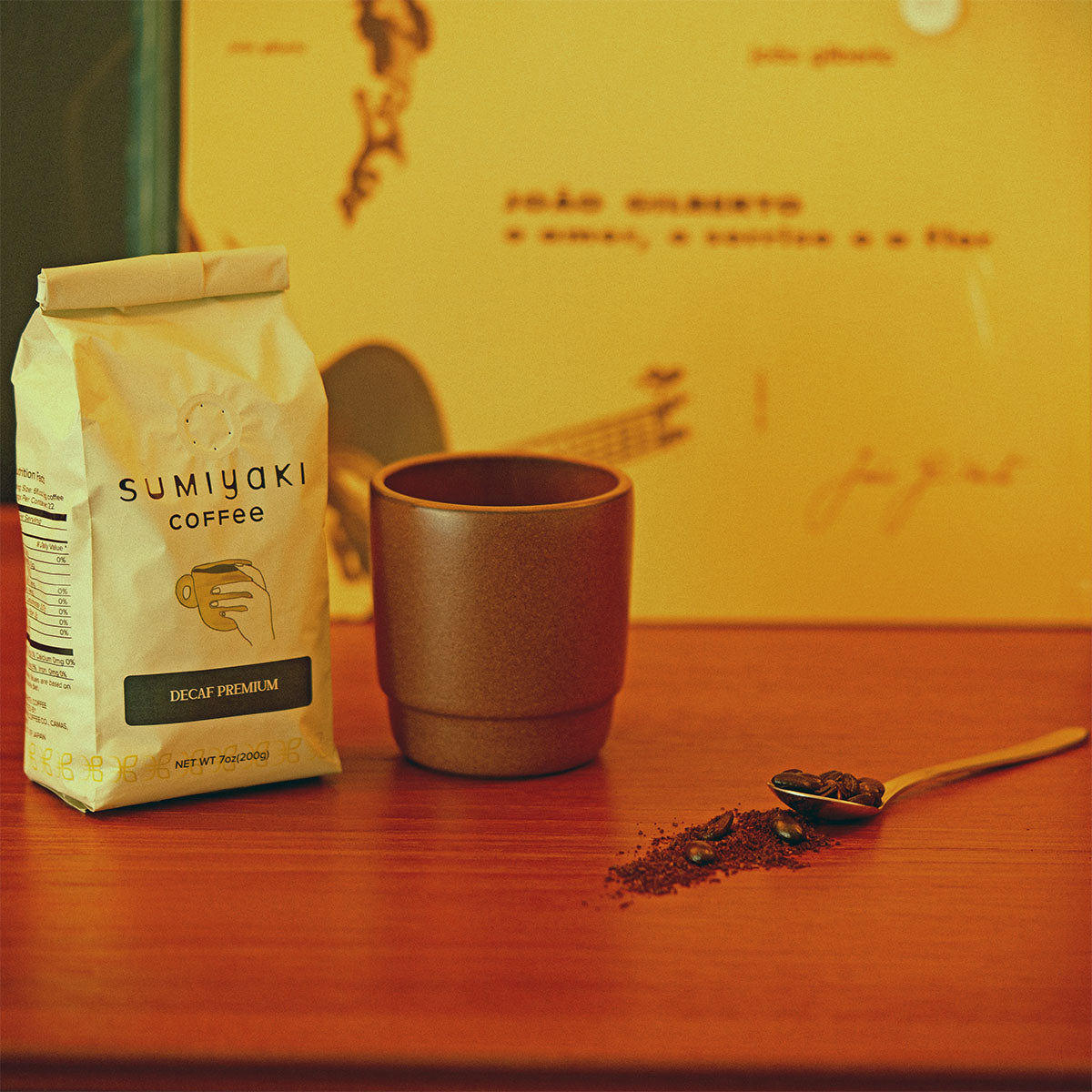
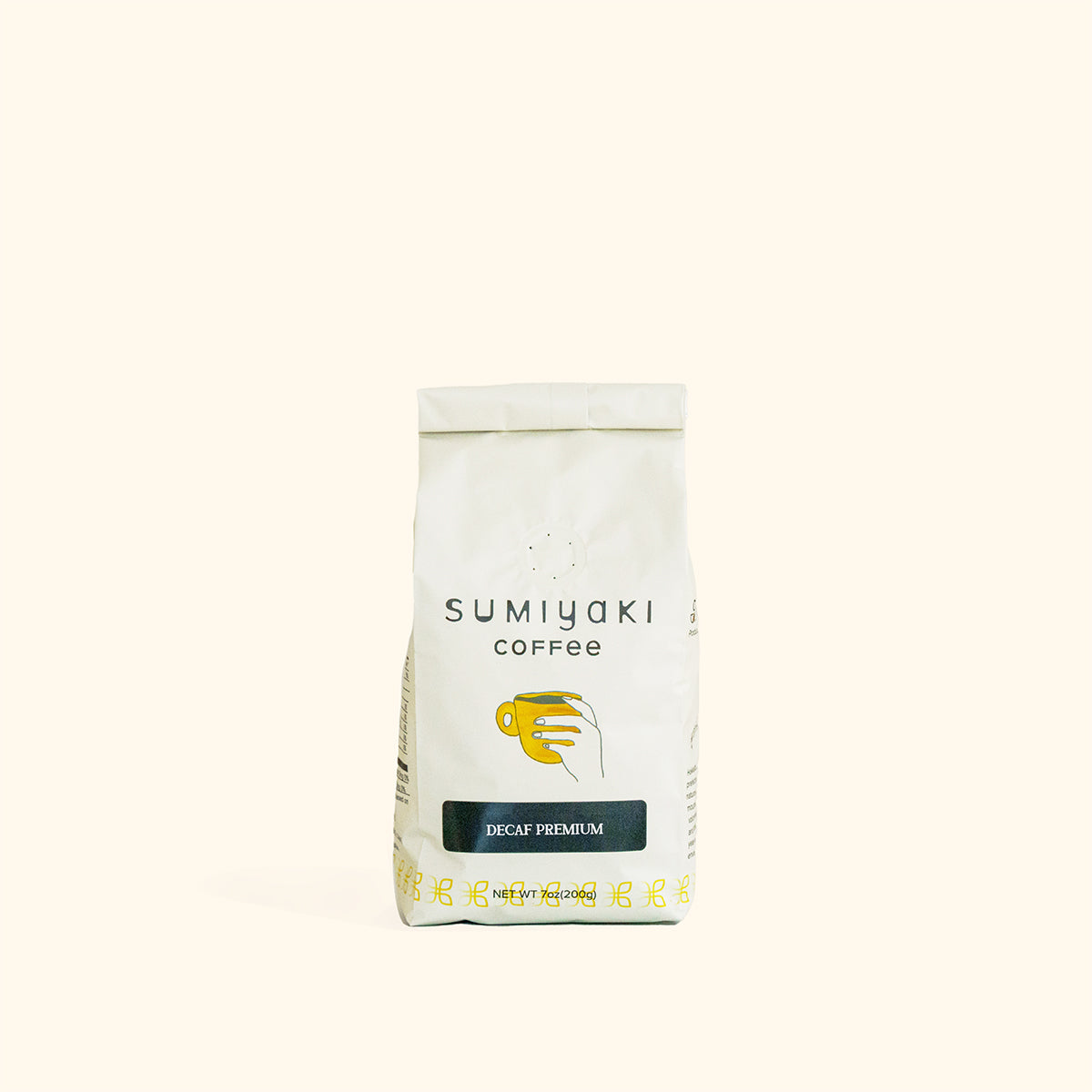
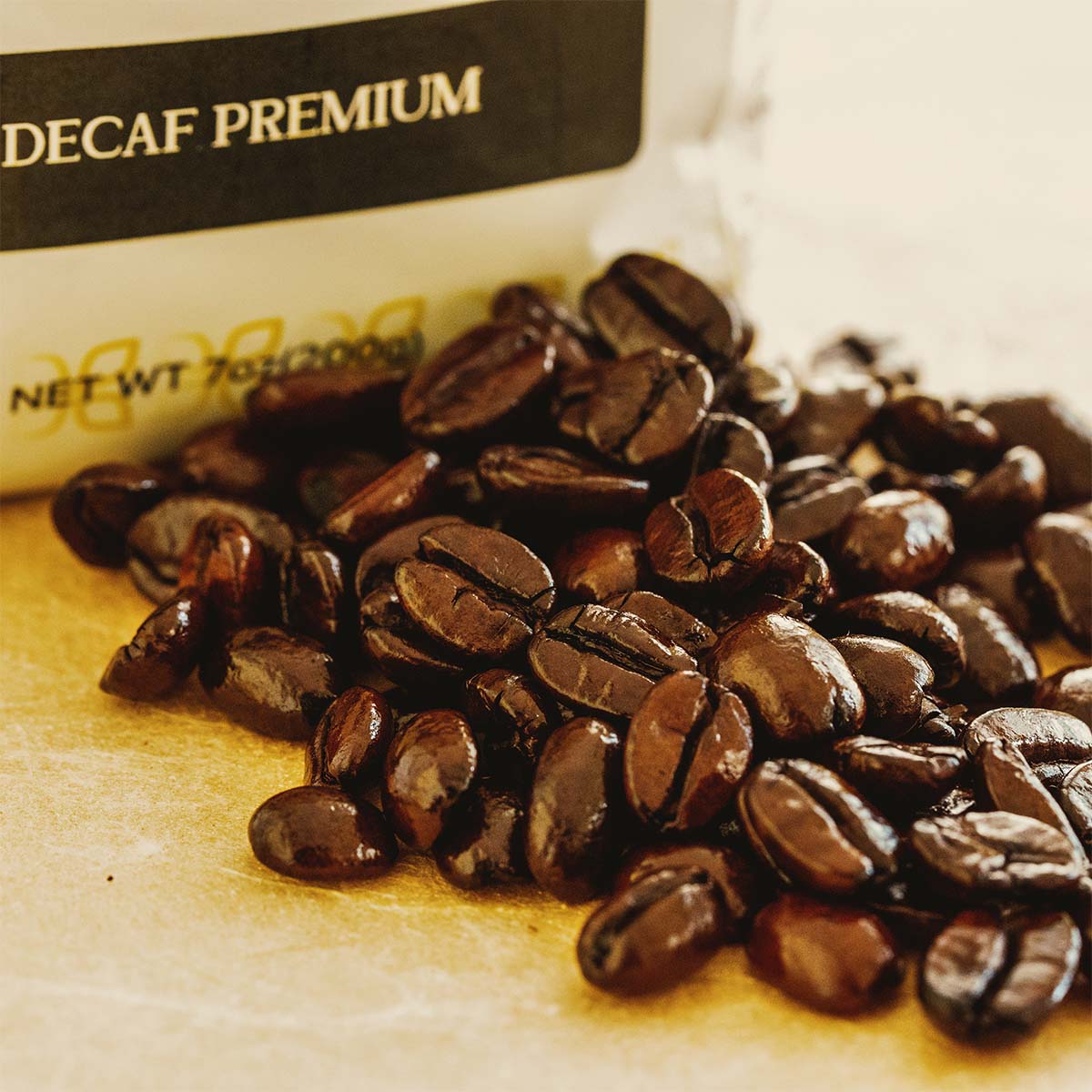


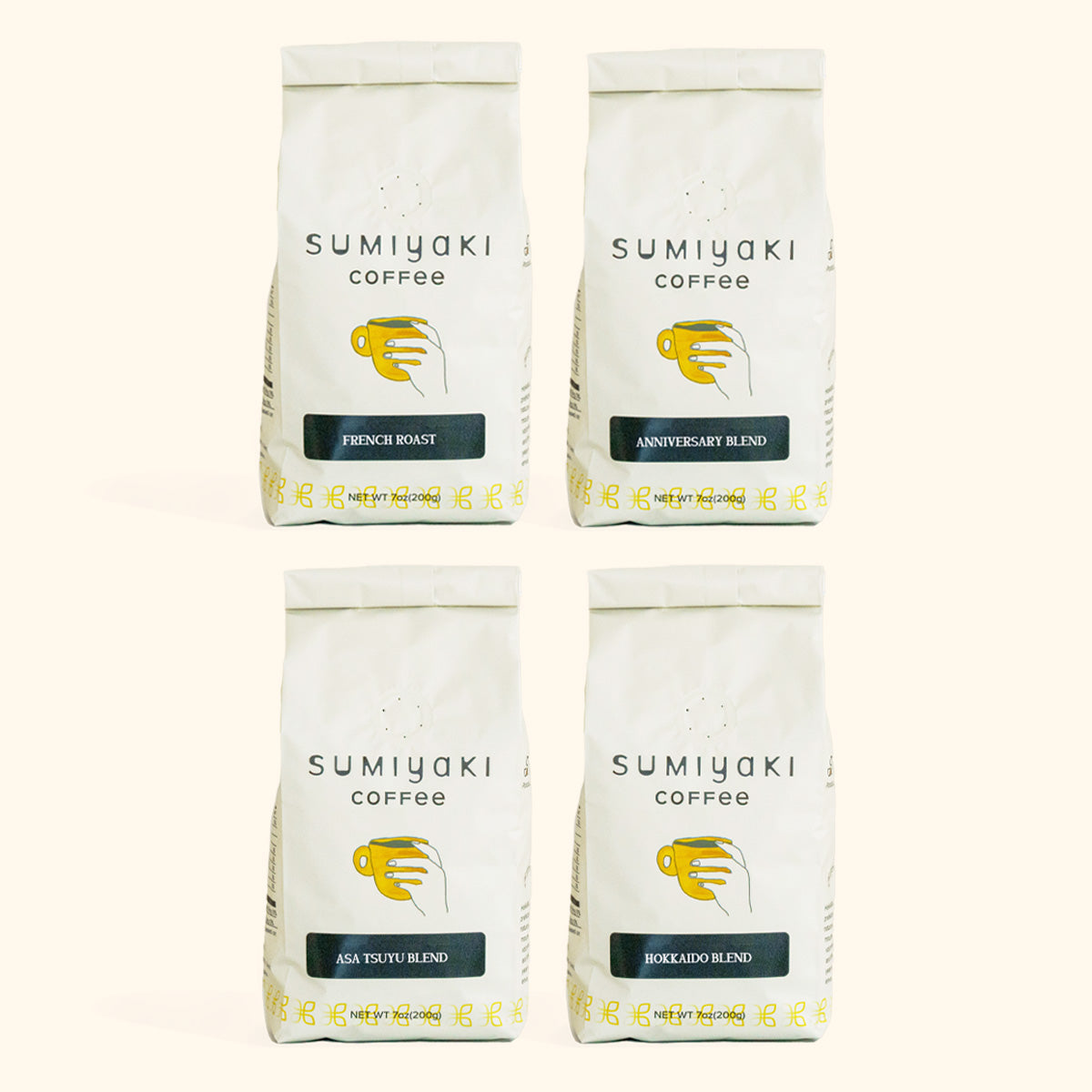
![Asa Tsuyu Blend [Light Blend] Coffee Beans (Colombia, Brazil, Ethiopia)](http://japanesecoffeeco.com/cdn/shop/files/AsaTsuyuBlendcoffeebeans.jpg?v=1770838125)


Get Free Bonus Books

Sign up for free to the Coffee Club to get advice and exclusive articles about how to choose Japanese Coffee, and tips, tricks, and recipes for enjoying Japanese coffee.
About the author

Kei Nishida
Author, CEO Dream of Japan
Certifications: PMP, BS in Computer Science
Education: Western Washington University


