Skip to content

Exploring the World of Compressed Tea and Chinese Tea Cakes


Tea is one of the world’s most ancient and culturally rich beverages, enjoyed for its comforting nature, health benefits, and deep historical roots. Among its many forms, compressed tea stands out as one of the most fascinating. Known for its unique shape, long shelf life, and evolving flavor profile, compressed tea has been a part of Chinese tea culture for centuries. One of the most popular types is the Chinese tea cake, a compact disc-shaped form that continues to attract both casual tea drinkers and dedicated tea collectors.

Understanding how compressed teas are made, why they are valued, and how to use them can help anyone appreciate this distinctive part of the tea world.

What Is Compressed Tea?

Compressed tea refers to regular leaves that are turned into hard shapes using steam and pressure. Rather than staying loose, they’re packed into flat rounds, blocks, tiny wheels, or fancy art-like figures. The practice started ages ago, mainly so people could carry and keep tea without much trouble on old trading paths.

Nowadays, people still love squashed tea because it lasts long, improves with age, and packs a strong taste. Based on what kinds’s used - often Pu-erh or white, now and then green - the flavors shift and grow richer through the years, so every round feels different.

The Special Role of the Chinese Tea Cake

Among all forms of compressed tea, the Chinese tea cake (also called cha bing) is perhaps the most iconic. These circular tea cakes usually tip the scale at 100 to 357 grams; they’re formed by softening loose leaves with steam, then shaping them in a press. Over time, their flavor might mellow out, deepen, or gain aroma - particularly when kept in stable temp and moisture levels.

Tea lovers enjoy these cakes because they taste good - also, and they carry deep traditions. These treats tie back to old Chinese tea customs; people collect them similarly to vintage wine or mature cheese.

To explore varieties of tea cakes or learn more, you may refer to long-tail resources such as Chinese tea cakes for long-term storage, best aged compressed tea cakes, or traditional Chinese pressed tea varieties.

How Compressed Tea Is Made

Although each tea producer may have variations in technique, the general process of making compressed tea includes:

1. Selecting and processing the leaves

Tea often gets dried, twisted, then exposed to air - or broken down by microbes - based on what kind you want. Take pu-erh - it ages well 'cause tiny organisms work on it over time.

2. Steaming

The loose leaves get a quick steam so they bend better when shaped.

3. Pressing

The leaves go into molds, then squeezed using hands, stones, or machines. Stone pressure from old methods is still liked - it makes denser, smoother cakes.

4. Drying and aging

When squeezed, the tea discs air-dry then, based on type, sit stored for many years.

Why Compressed Tea Remains Popular Today

Although originally created for convenience, compressed tea is now valued for several reasons:

✔ Longevity and durability

Pressed tea handles dampness better, so it keeps longer compared to unpackaged leaves because it’s tighter and harder for air to get in.

✔ Flavor development

Certain teas - like Pu-erh or white ones - change slowly as they age. Some fans say old tea bricks are like wine, gaining depth over years.

✔ Cultural and historical appeal

With lots of folks, tight-packed tea links straight to old trading paths along with age-old sipping customs.

✔ Space-saving storage

Packed tea needs way less room than big bags of loose leaves - so it’s simpler to keep tidy. Because it's compact, arranging your stash becomes hassle-free.


Different Shapes and Forms of Compressed Tea

Though the tea cake’s most famous, you’ll find pressed tea in lots of shapes - each one acts differently

  • Tea bricks: chunky rectangles once traded like money across Asian regions.

  • Tuocha: a round, squished tea form once meant for one-time use.

  • Tea coins or discs: Tiny round bits that make steeping tea outside super easy.

  • Handmade forms: A few makers design fun figures like hearts, critters, or blossoms.

  • Raw Pu-erh tea, or sheng, is a traditional type of Pu-erh from Yunnan, China, that is sun-dried and compressed after harvest.

Every version keeps the tea fresh but gives a unique way to brew it. 

How to Brew Chinese Tea Cakes

Making tea from a Chinese tea cake takes a little extra know-how compared to loose leaves - yet it’s easy when you get the hang of it.

1. Break off a portion

Grab a tea pick or tiny blade - loosen a bit from the cake’s side, just ease it out slowly.

2. Rinse the leaves

Many tight tea bundles do well with a fast pour of hot water - this helps unfold the leaves while washing off surface grit.

3. Brew in short steeps

Tea that's been pressed down opens up more with each brew. Begin using quick soaks - just 10 to 20 seconds - then stretch the time a bit every round.

4. Adjust based on taste

Firmer brews - say, aged Pu-erh - often need more time soaking; on the flip side, gentle white tea bricks do better with a quicker touch.

Tips for Storing Compressed Tea

Proper storage is essential for maintaining quality:

  • Keep in a cool, ventilated space.

  • Avoid direct sunlight, which may degrade flavor.

  • Store away from strong odors, as tea absorbs scents easily.

  • Maintain stable humidity to prevent mold.

Following these guidelines helps ensure your tea cakes age gracefully.

Conclusion

Tea bricks plus pressed leaves bring together old customs, craft, and changing tastes over time. If you're just starting out or have been sipping tea for years, trying various cake styles helps you connect better with this longtime ritual. They last ages, pack small, improve with time - setting them apart from most brews; meanwhile, how you store and steep them brings extra layers to enjoy.


FAQs about Compressed Tea

What is compressed tea?

Tea leaves pressed into solid forms — cakes, bricks, or balls. The most famous is pu’er from Yunnan, China, but other regions produce compressed teas too. The compression preserves leaves for long-term aging (some pu’er is decades old), and the tea is broken off to brew. It’s a fundamentally different format from Japanese loose-leaf green tea.

How does pu’er differ from Japanese green tea?

Almost everything. Pu’er is fully fermented (or post-fermented) and aged; Japanese green tea is unfermented and consumed fresh. Pu’er develops earthy, woody, sometimes mushroom-like notes; sencha stays grassy, sweet, and bright. Different categories of beverage entirely.

Should a coffee drinker try pu’er?

Honestly, yes — once. Pu’er has a depth and "earthy umami" character that bridges to dark-roast coffee in interesting ways. If you love our Yuki Sora (charcoal-roasted) for the smoky-sweet depth, you’ll find pu’er fascinating. Look for an aged sheng (raw) pu’er from a reputable Chinese tea shop.

Are there Japanese compressed teas?

Rarely. Japan has a few traditional compressed forms (kataricha, etc.) but they’re obscure even within Japan. The Japanese tea tradition is overwhelmingly loose-leaf and fresh. If you want serious Japanese tea, our sister brand Japanese Green Tea Co. is the right place.

How do I brew compressed tea?

Break off ~5g, rinse with hot water, then steep in a small clay or porcelain pot for 30–60 seconds at 200°F. Multiple infusions are normal — quality pu’er gives you 8–10 distinct steeps from one portion. The ritual is meditative, similar to Japanese gongfu but deeper and slower.

Related products

3 reviews

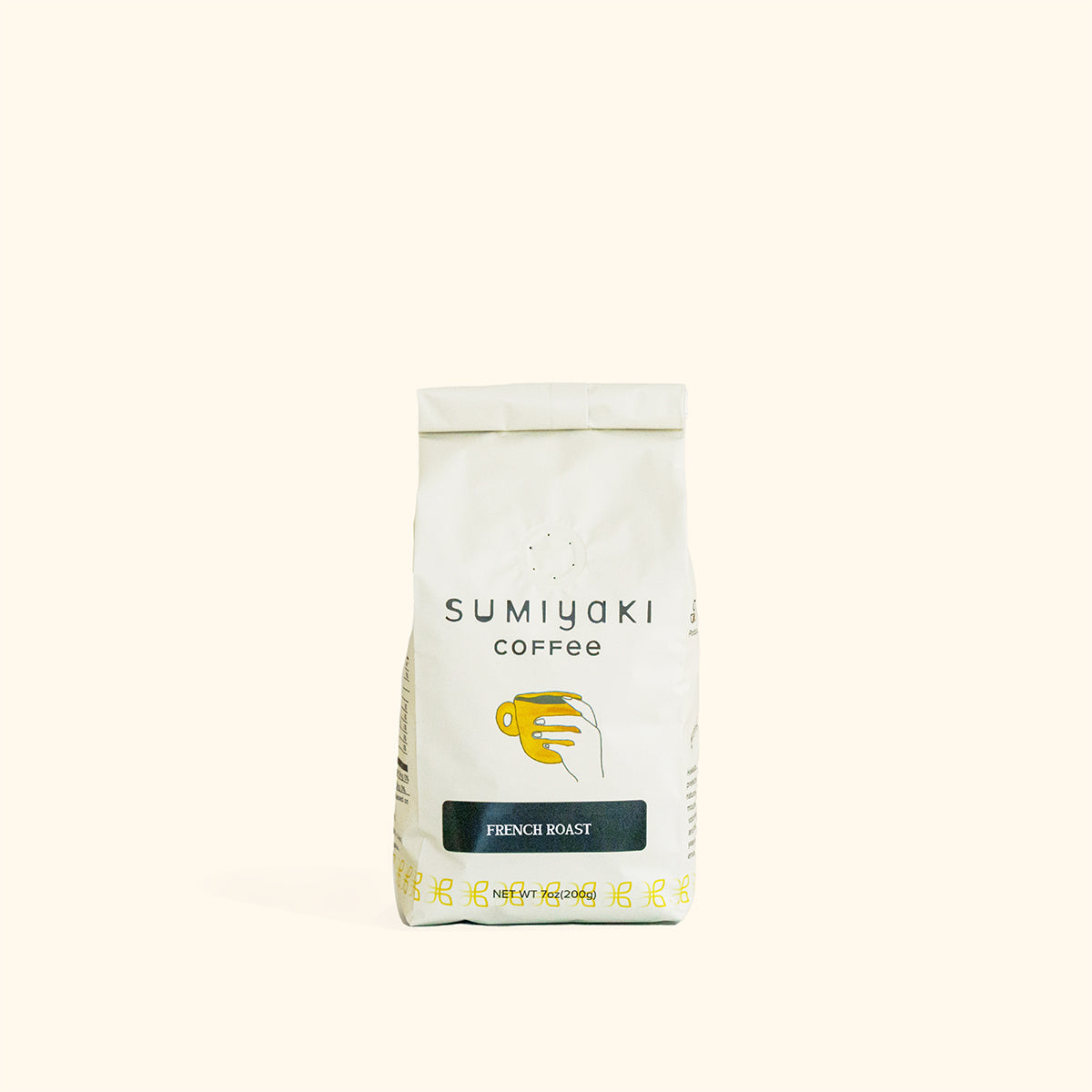
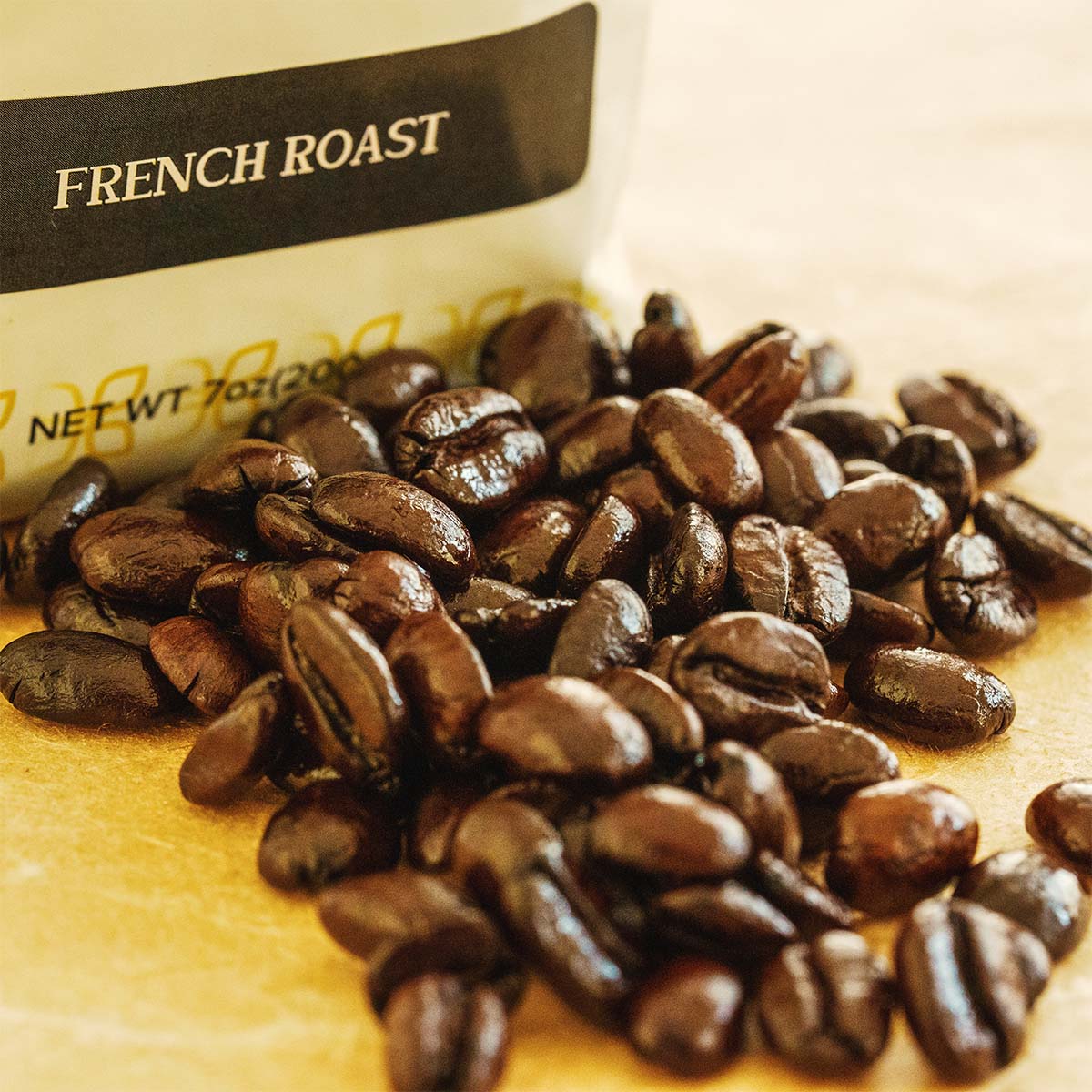
French Roast Blend (Colombia, Brazil, Indonesia)

USD $25.00 USD $19.99
Quick view

Experience the dark side of coffee with our French Roast Blend, crafted from a rich combination of beans from Colombia, Brazil, and Ethiopia. This bold blend features low acidity, a heavy body, and deep, smoky flavors, achieved by roasting the beans at a high temperature that brings their natural oils to the surface. Versatile and full of character, it delivers exceptional taste both with and without milk, making it perfect for café au lait, iced coffee, or even coffee-based cocktails with a splash of brandy.

5 reviews

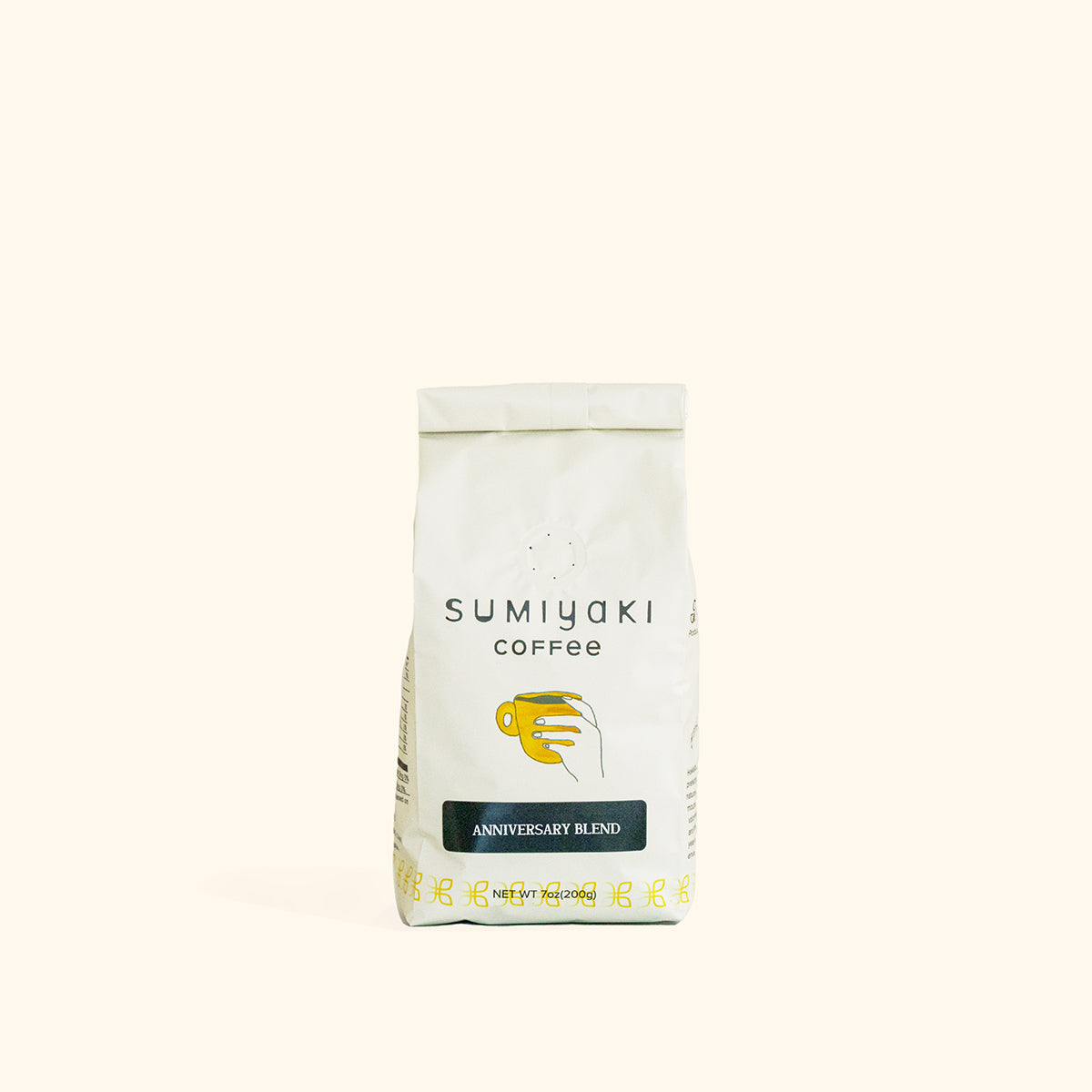
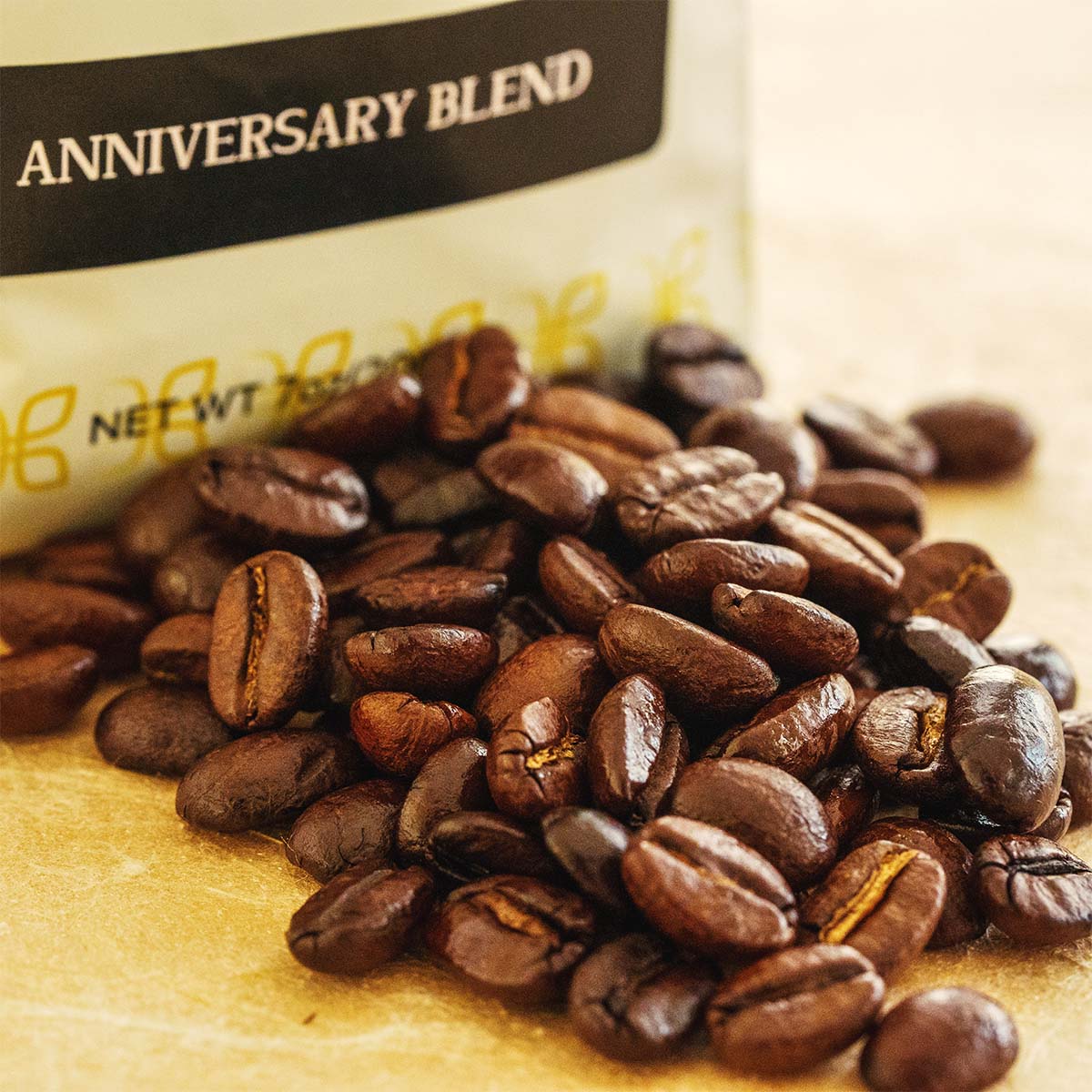
Anniversary Blend (Colombia, Brazil, Indonesia)

USD $35.00
Quick view

Do you enjoy your coffee fruity & sweet? Then this premium blend is for you, with beans from Colombia, Brazil, and Ethiopia. This blend is the fruitiest coffee in our selection.

This blend was the limited 30th-anniversary blend of Sapporo Coffee Kan in 2012. It was widely popular and was kept as a regular selection. The base of the blend is Colombia Pital-Mountain - Single Origin Premium Coffee.

With bright and sweet tones and a citrusy finish, this coffee invokes the sweeter side of life. For the best enjoyment of this high-end blend, use it to make a creamy espresso or latte-style coffee.

16 reviews

Hokkaido Blend (Colombia, Brazil, Honduras, Indonesia)

USD $25.00
Quick view

Sapporo Coffee Kan's most popular and long-selling signature blend, known as "the house blend," offers a rich, full-bodied coffee experience with a pleasant, mild bitterness and a mellow taste. Crafted by adding the finest Mandheling Berkat Lingtong beans to the blend, it achieves a rare balance—delivering depth and complexity without the sharp acidity often found in other coffees. For those who prefer a smoother, less acidic cup without sacrificing richness and flavor, this special house blend truly hits the spot.


Related Articles You May Be Interested

How to Make Japanese Coffee Jelly (with Video Recipe)
10 Trendy Coffee Cocktail Recipes You will Love
5 Delicious Japanese Food Recipes You Can Make With Coffee
How to Make Coffee Shochu (コーヒー焼酎)
Unveiling Tokyo's hidden gem – 'Kies,' where the aroma of freshly baked homemade cookies welcomes you like a warm, cozy hug

Get Free Bonus Books

Join Japanese Coffee Club

Sign up for free to the Coffee Club to get advice and exclusive articles about how to choose Japanese Coffee, and tips, tricks, and recipes for enjoying Japanese coffee.

Unsubscribe anytime. It’s free!

About the author

Kei Nishida

Kei Nishida

Author, CEO Dream of Japan

info@japaneseCoffeeCo.com

Certifications: PMP, BS in Computer Science

Education: Western Washington University

Kei Nishida is a passionate Japanese tea and coffee connoisseur, writer, and the founder and CEO of Japanese Coffee Co. and Japanese Green Tea Co., both part of Dream of Japan.

His journey began with a mission to introduce the world to the unparalleled quality of Japanese green tea. Through Japanese Green Tea Co., he established the only company that sources premium tea grown in nutrient-rich sugarcane soil—an innovation that led to multiple Global Tea Champion awards.

Building on this success and his passion for Japanese craftsmanship, Kei expanded into the world of coffee, pioneering the launch of Japanese Coffee Co., the first company to bring Sumiyaki charcoal-roasted coffee to a global audience. His dedication to authenticity and quality ensures that this traditional Japanese roasting method, once a well-kept secret, is now enjoyed worldwide.

Beyond tea and coffee, Kei has also introduced Japan’s legendary craftsmanship to the world through Japanese Knife Co., making handmade katana-style knives—crafted by a renowned katana maker—available outside Japan for the first time.

Kei’s journey continues as he seeks out and shares the hidden treasures of Japan, one cup and one blade at a time.

Related Posts

Introducing the Asa-Yuu Blend Duo (朝夕 ブレンドデュオ): Two of Our Most Popular Coffees, Now Together!

The Asa-Yuu Blend Duo (朝夕) is here! Two of our most popular Sumiyaki coffees in one set – bright Asa Tsuyu and smooth Ho

Read More
The Story Behind Our Booth Backdrop: Craftsmanship, Engineering, and Sacred Wood
Behind the Scenes – How We Made the Event Booth & Backdrop Using Sacred Wood

Discover how our one-of-a-kind event booth came to life—from Japanese Kōshi (格子) design and rare Port Orford Cedar to mo

Read More
How to Make Japanese Coffee Jelly
How to Make Japanese Coffee Jelly (with Video Recipe)

Step up your coffee game with this unique Japanese coffee jelly recipe! Impress your guests and satisfy your sweet tooth

Read More
Leave a comment

Your email address will not be published..

Cart

Your cart is currently empty.

Start Shopping

Select options