Skip to content

Can a coffee pot make the coffee taste better?

It is a coffee enthusiast’s guilty pleasure to always look for more things that could make our beloved beverage taste even better.

And countless methods for brewing and processing have been invented to achieve just that. From Turkish Coffee in the 16th century, all the way to Clever and AeroPress in the 21st, ingenious coffee makers have strived to make the best coffee they possibly could. 

Can a coffee pot make the coffee taste better?

Most of these methods took advantage of the unique scientific successes of their time and until now they all brought something new to the table.

There is however one brewing method that breaks that pattern! One device that takes your coffee one step ahead, took one step back.

I am talking about no other than the Vandola!

Vandola - What is it?

The Vandola brewing device is a jug made of clay that resembles a Chemex. It has the same cone-shaped top with a collecting chamber underneath, and a small hole connects them.

It was invented in 2015 by Minor Alfaro, a coffee lover and potter, in Costa Rica based on traditional Columbian and Costa Rican brewing methods, with a few changes of his own to adjust the taste to modern standards.

Each Vandola is handmade and takes around one month to make. The top and bottom halves are made separately and then united before the clay is left to dry for 15-22 days.

black coffee

The reason it takes this long to make is due the thickness of the clay as well as the humidity levels where it is made.

After that, it is baked at 800 degrees, painted, and varnished, and after it has cooled down, baked again at 1.100 degrees. Not all Vandolas make it through the baking process.

Because each and every single one of them is handmade, all Vandolas are unique, which might result in slight differences in body or flavor.

You can call that an additional touch of individuality, exclusive to you.

Why does it work?

The reason the Vandola is not just a replica of the Chemex, regardless of their similarities, lies in the material used for its making.

Like the Takoname Yaki teapot that is known for enhancing green tea’s individual flavors, the same is true for the Vandola’s relationship with coffee.

Because the coffee reacts with the minerals in the clay, that reaction has a direct influence on the taste of the beverage.

Gabriel Cespedes, a Two-time, World Cup Tasters Champion, has also noted that the aroma is highlighted with a longer endurance. To that he adds that the brightness of the coffee is emphasized in a very delicate manner, and the body of the beverage is softer than if brewed otherwise.

It should be noted that there is one more feature, an air hole (valve), located just below the funnel. According to the inventor, this valve was added to assist by improving oxygenation while brewing, and therefore result in a sweeter flavor.

Overall, both the shape and the material of the mug have a positive effect on the drinker’s experience.

coffee beans

How to make coffee with a Vandola?

To make coffee using a Vandola you will need a Chemex filter, some ground coffee, (which due to the unique bottleneck size will take a few tries before you find the most suitable grind), and some hot water.

At the beginning, wet the filter and warm the Vandola with hot water, because if you don’t, the clay will rob the beverage of its heat before you have a chance to pour it in your cup.

If you do however warm it up, the heat within the jug is estimated to be preserved for approximately 30 minutes.

According to Minor Alfaro, the inventor of the device, the brewing process should not take more than 4 minutes.

After rinsing your filter and warming the clay, throw the ground coffee in the filter and pour a small amount of water inside. Let it bloom for around 30 seconds.

Then add some more water, depending on the amount you are making and let it brew until only the ground coffee is left.

Repeat the process until you have made the amount of coffee you want. Try not to exceed the 4-minute mark.

Now you can pour the coffee in your mug and enjoy!

What coffees work the best with a Vandola?

While there are not many recommendations when you start using a new brewing method, keep in mind that different roasts, grinds, and blends will give you a unique end result every time.

Depending on your own individual tastes and your own Vandola, it is best to experiment with multiple kinds of coffee until you find what works for you.

black coffee

Due to the minerals in the coffee curving the acidity and softening the body, light to medium roasts are advised, as they have a more distinct individual flavor to offer, which can really shine in this method.

For grinds, it comes down to what filter you are using. For a Chemex filter a more coarsely ground coffee would be ideal.

Conclusion

Of the wide variety of brewing methods invented until now, the Vandola is of the most fascinating ones.

With its one-of-a-kind properties and all the craftsmanship put in its making, no other process can match the individuality this device grants to your drink.

It might go one step back by using a material such as clay, that is not encountered often in the Coffee Industry, but this exact trait opens the door to a whole new range of distinct flavors and aromas.

It’s still relatively new as a method, but once it gets more widespread, it has a lot to offer to coffee lovers all around the world!

FAQs about Coffee Pot Quality

Does the coffee pot really affect taste?
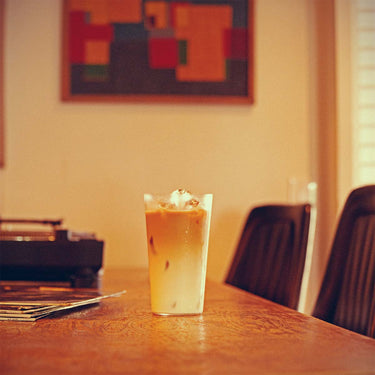
Yes, but less than people think. The brewing method matters far more than the pot itself. That said, pot material (glass vs metal vs ceramic) affects heat retention and trace flavor, and pot shape affects aroma volatiles reaching your nose. A good pot won’t fix bad coffee, but a bad pot can ruin good coffee. Pair our Anniversary Edition with quality glass and the cup holds together.

What pot material is best?

Glass for clarity (no flavor imparted, beautiful presentation). Stainless steel for travel (durable, retains heat). Ceramic for traditional Japanese aesthetic (slight thermal mass smooths the cup). Avoid plastic — it can leach trace flavors over time. The Hario V60 server is glass for a reason.

Are expensive coffee pots worth it?

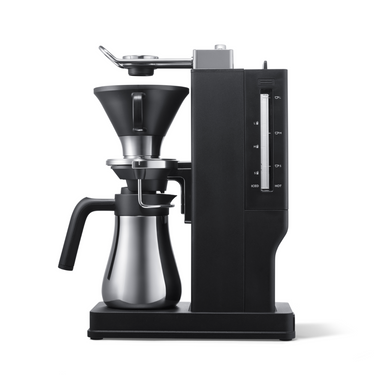
Honestly, mid-range is fine. A $30 Hario glass server is excellent and lasts years. A $300 designer pot doesn’t pour better coffee. The exception is gear with real functional value (Balmuda The Brew, for instance, which is more brewer than pot). For pure pots, mid-range glass wins.

Black and silver coffee brewing device on a white background BALMUDA The Brew USD $699.00

Should I use a thermal carafe or a glass pot?

Depends on your coffee timing. Glass = beautiful, immediate, requires drinking soon (coffee cools in 20 minutes). Thermal stainless = keeps coffee hot for 2+ hours but at slow flavor degradation cost. For drinking within 20 minutes, glass. For office or family situations where coffee sits longer, thermal.

How do I clean a coffee pot properly?

Daily: rinse with hot water, no soap (soap leaves residue that affects flavor). Weekly: gentle scrub with baking soda paste for stains. Monthly: descale with vinegar-water mix if you have hard water. A clean pot tastes meaningfully better than a stained, residue-coated one. Pair with fresh Asa Tsuyu and you’ll taste the cleanliness.

Related products

16 reviews

Hokkaido Blend (Colombia, Brazil, Honduras, Indonesia)

USD $25.00
Quick view

Sapporo Coffee Kan's most popular and long-selling signature blend, known as "the house blend," offers a rich, full-bodied coffee experience with a pleasant, mild bitterness and a mellow taste. Crafted by adding the finest Mandheling Berkat Lingtong beans to the blend, it achieves a rare balance—delivering depth and complexity without the sharp acidity often found in other coffees. For those who prefer a smoother, less acidic cup without sacrificing richness and flavor, this special house blend truly hits the spot.

5 reviews

Select Blend Combination Set (Get 30% Off)

USD $110.00 USD $77.00
Quick view

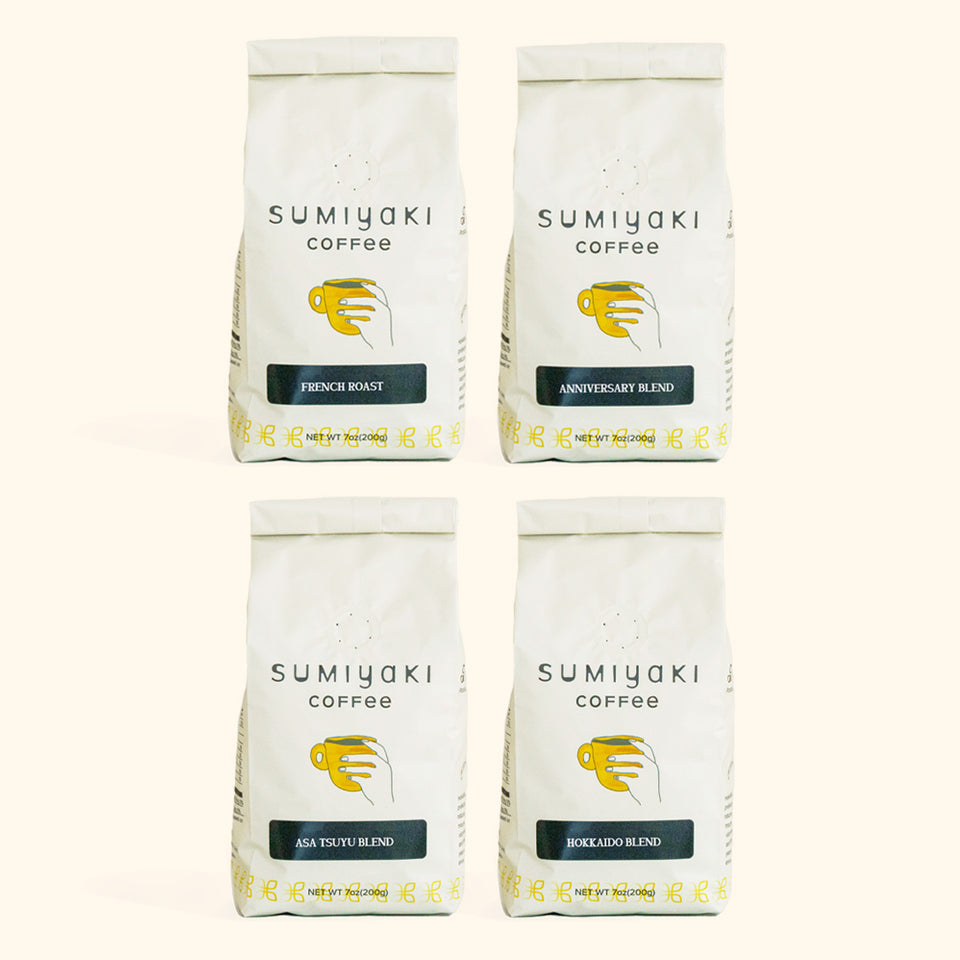
Get 30% off for a limited time when you purchase this special Combination Set featuring four of our most popular Premium Blend Sumiyaki Coffees. Your order will include four 200g packages: Anniversary Blend Coffee (Colombia, Brazil, Indonesia), the fruity favorite originally created for Sapporo Coffee Kan’s 30th anniversary; Asa Kiri Blend, a light roast with pure coffee flavor and a soft touch of sourness; Hokkaido Blend, the signature house blend beloved for its rich and balanced taste; and French Roast Blend, a dark, smoky roast perfect for pairing with milk or crafting café au lait and coffee cocktails. All beans are roasted to order under the expert blending tradition of Sapporo Coffee Kan, led by Ito Eiichi, the renowned “King of Blenders” in Japan, ensuring every cup is a masterful balance of flavor and aroma.

Asa-Yuu Blend Duo (Get 20% Off)

USD $50.00 USD $39.00
Quick view

Meet the Asa-Yuu Blend Duo (朝夕): a roasted-to-order set featuring Asa Tsuyu (light roast, Colombia/Brazil/Ethiopia) and Hokkaido (medium roast, Colombia/Brazil/Honduras/Indonesia). Bright in the morning, smooth and balanced through the day—now 20% off for a limited time.


Related Articles You May Be Interested

What to Look For When Buying Coffee Filters
How Water Affects the Taste of Coffee
Hario Vs. Kalita
Hario Vs. Kalita
Kalita’s ‘Made in Japan’ series
How Roasting Affects Taste of Coffee
HARIO Nel Drip - Everything You Need to Know
What is Single-Serve Pour-Over Disposable Filter Bag (Cup-On)?

Get Free Bonus Books

Join Japanese Coffee Club

Sign up for free to the Coffee Club to get advice and exclusive articles about how to choose Japanese Coffee, and tips, tricks, and recipes for enjoying Japanese coffee.

Unsubscribe anytime. It’s free!

About the author

Kei Nishida

Kei Nishida

Author, CEO Dream of Japan

info@japaneseCoffeeCo.com

Certifications: PMP, BS in Computer Science

Education: Western Washington University
Kei Nishida is a passionate Japanese tea and coffee connoisseur, writer, and the founder and CEO of Japanese Coffee Co. and Japanese Green Tea Co., both part of Dream of Japan.

His journey began with a mission to introduce the world to the unparalleled quality of Japanese green tea. Through Japanese Green Tea Co., he established the only company that sources premium tea grown in nutrient-rich sugarcane soil—an innovation that led to multiple Global Tea Champion awards.

Building on this success and his passion for Japanese craftsmanship, Kei expanded into the world of coffee, pioneering the launch of Japanese Coffee Co., the first company to bring Sumiyaki charcoal-roasted coffee to a global audience. His dedication to authenticity and quality ensures that this traditional Japanese roasting method, once a well-kept secret, is now enjoyed worldwide.

Beyond tea and coffee, Kei has also introduced Japan’s legendary craftsmanship to the world through Japanese Knife Co., making handmade katana-style knives—crafted by a renowned katana maker—available outside Japan for the first time.

Kei’s journey continues as he seeks out and shares the hidden treasures of Japan, one cup and one blade at a time.

Related Posts

OC Japan Fair April 2026 — Visit Us at Booth #A8!
OC Japan Fair Spring 2026 Recap (April 3 - 5 2026)

We were at OC Japan Fair again! April 3-5 2026 with new products, Miki Pon's art debut and more. Here is a recap video f

Read More
Introducing the Sakura Blend (桜ブレンド): Our Limited-Time Spring Seasonal Coffee Is Here!

Meet Sakura Blend — our first spring seasonal coffee! Bright, smooth, naturally sweet. Not sakura-flavored. While suppli

Read More
How a Sumiyaki Roaster Machine Works: Inside the Japanese Charcoal Roasting Process

Discover the art of Japan’s charcoal coffee roasting — where binchotan, far-infrared heat, and artisan skill create a de

Read More
Leave a comment

Your email address will not be published..

Cart

Your cart is currently empty.

Start Shopping

Select options