Skip to content

How Blue Bottle was Inspired by Japanese Coffee Culture

In the past decade, Blue Bottle Coffee has taken the world by storm. The coffee chain is  opening coffee shops in many locations all over the world and it looks like nothing is stopping them. But what’s so special about these coffee shops and what does Japan have to do with all of this? Let’s find out! 

Blue Bottle

Origins of Blue Bottle Coffee

Back in 2002, when founder and CEO of Blue Bottle Coffee, James Freeman left a career as a musician to open a cafe in a small garage in San Francisco, he probably didn’t expect it would grow to be one of the most important coffee chains of the past decade.

We are no longer talking about a simple cafe, but about a whole network of cafes and partners, a meeting place for those who love good coffee. The company currently has stores on both sides of the U.S. coast a few locations in Japan, one in South Korea, and one in Hong Kong.

State-of-the-art coffee equipment, high quality coffee beans and a unique interior vibe are the main reasons why customers keep coming back and why it has become the favorite hangout spot of hipsters and techies.

When asked what inspired him to start Blue Bottle Coffee, Freeman often refers to different aspects of Japanese coffee culture. Indeed, someone who knows a thing or two about Japanese culture, in general, can tell how it has influenced Blue Bottle Coffee in more ways than one.

Blue Bottle Coffee

However, when most of us think about coffee, we don’t really think about Japan. It seems odd to talk about coffee in a country that’s stereotypically considered a place where tea takes center stage. So, let’s find out a bit more about how coffee conquered Japan.

Brief History of Coffee in Japan

The first coffee beans came into the country in 1877 when Japanese migrant workers went to Brazil to plant and manage coffee plantations. As a thank you, the Brazilian government gave Japan lots of coffee beans for 5 years.

Shortly afterward, the first traditional coffee house, the so-called "Kissaten" opened. In fact, Kissaten was the main source of inspiration for James Freeman when he decided to open his first coffee shop.

Today, Japan imports about 430,000 tons of coffee a year, ranking third in the world, just behind the United States and Germany. What’s more, many of the leading coffee companies such as Hario, Porlex, and Kalita are based in Japan and the country is famous for its talented baristas.

Not bad for a tea country! It seems that Japanese people always add elements of their unique culture to everything they do. Some of these elements are why Blue Bottle Coffee exists today.

Blue Bottle Coffee Packaging

How Blue Bottle Coffee was inspired by Japanese culture and Kissaten

When James Freeman tells the story of Blue Bottle Coffee, he often refers to Café Bach, a Kissaten in Tokyo. The Kissaten are all about one thing: staying and enjoying a cup of high quality coffee in a quiet and relaxing atmosphere.

The delicious coffee on offer testifies to the high quality of the coffee beans and the craftsmanship of the Kissaten owners. Many of these owners still roast by hand today and brew pour-overs with cloth filters, paying attention to precision.

This precision and attention to detail is a Japanese cultural element that goes beyond Kissaten shops. Japan has many valuable core concepts regarding everyday practices and today we are going to briefly talk about the ones that inspired Freeman: Kodawari, Omotenashi and Japanese Minimalism.

Blue Bottle SFC shop


Picture of Blue Bottle Flagship store located at historic Ferry Building in San Francisco

Blue Bottle variety of coffee

Kodawari (こだわり)

Kodawari is the Japanese concept of commitment and perseverance beyond what is necessary. It is the striving for one’s own possible perfection, not in the sense of pressure to perform, but to one’s own satisfaction. It’s meeting your own standards and exceeding them by paying even more attention to detail and being present.

This concept is inextricably linked with even the smallest action. In the world of coffee, this could translate to the ultimate precision pour, the ideal grind setting that suits a certain coffee bean, the prewarming not just of the cups but also the saucers, etc.

This constant effort to exceed expectations to elevate oneself spiritually and mentally is a core concept in Japanese culture and was Freeman’s goal for Blue Bottle Coffee to represent Kodawari in all aspects of coffee preparation.

Blue Bottle Coffee shop - inspired by Japan

Omotenashi (おもてなし)

This word could be translated as Japanese hospitality but is more than just that. It is a complex concept of hospitality and customer service that can be experienced in a wide variety of everyday situations.

The Japanese do not differentiate between the terms guest and customer. Nor do they differentiate between customer and service provider. Omotenashi describes the Japanese understanding of refined hospitality at the very highest level.

Despite the clear distribution of roles, there is a fundamentally equal and mutually respectful relationship between guest and host. Freeman has said that Kissaten embodies the idea of Omotenashi, an idea he himself brought back to Oakland with him when he decided to found Blue Bottle Coffee.

On a side note (which has nothing to do with Blue Bottle or Coffee... sorry!), the word "omotenashi" was mentioned by French-Japanese TV Announcer Christel Takigawa on September 8, 2013, during a presentation at International Olympic Committee in Buenos Aires, which got a "buzz" worldwide.  Here is a short video of that speech.

videoid="ZNigPTJZZ0E"

Japanese Minimalism

Japanese minimalism teaches us that less is more. Simplicity, reduction, purification and concentration form the cornerstones of traditional Japanese minimalism and are still part of the philosophy in modern times.

Today's minimalism in Japan clearly bears traces of this sense of beauty and can be found in products, in rituals of everyday life and in the interiors of houses. Freeman has said that he is influenced by the very rigorous simplicity of a lot of Japanese design elements and their focus on simplicity and quality.

If you visit any of Blue Bottle Coffee's locations, you will notice the minimalist influence. The shops have huge windows, clean lines, warm touches, and no excess decorations, thus embracing the environment and providing a simple yet elegant space for the guests.

Blue Bottle Coffee Minimalist style shop

Final Thoughts

It’s clear that Freeman already had a unique and innovative concept in mind when he founded Blue Bottle Coffee. Sticking to this concept and continuing to be inspired by Japanese culture as the chain is growing has proven a recipe for success for Blue Bottle Coffee. So, thank you Japan!

FAQs about Blue Bottle and Japanese Coffee Influence

How did Japanese coffee culture actually influence Blue Bottle?

Founder James Freeman has been explicit about Japanese influence on Blue Bottle's founding philosophy. After visiting Tokyo specialty kissaten in the early 2000s, Freeman returned to Oakland inspired by the careful pour-over technique, freshness emphasis, and customer-care approach he'd seen at high-end Japanese coffee shops. Blue Bottle's early signature was bringing kissaten-influenced precision to American specialty coffee.

Specific influences: pour-over emphasis (Japanese kissaten almost exclusively used pour-over and siphon methods rather than espresso), freshness-roasting commitment (Blue Bottle's "48-hour freshness" guarantee echoes Japanese kissaten freshness standards), and quiet contemplative cafe atmosphere (Blue Bottle stores deliberately avoid music, fast-food chain energy, that didn't fit kissaten aesthetic).

Blue Bottle has since opened multiple Japan locations (now Japanese-owned after acquisition by Nestle's Japanese parent company), bringing the influence full-circle. Modern Blue Bottle Japan operates within the Japanese cafe market it originally drew inspiration from.

What did James Freeman specifically take from his Japan trip?

Documented in interviews: Freeman has cited specific Japanese coffee shops and techniques that shaped Blue Bottle. The careful kettle technique used at top kissaten — slow controlled pours rather than aggressive American-style pour-over — became the Blue Bottle pour-over standard. The freshness ethic — beans roasted within 48 hours, not weeks — adopted from Japanese specialty practice. The quiet curated cafe atmosphere — no laptops policy at original Blue Bottle stores — drew from kissaten quiet-cafe culture.

More broadly, Freeman absorbed the Japanese specialty coffee ethos that coffee preparation deserves precision and respect comparable to other crafts. American specialty coffee in the early 2000s was still developing this ethos; Japan was 50 years ahead. Bringing that ethos to America was Blue Bottle's value-add over standard American specialty coffee.

If you've visited Tokyo specialty kissaten, you'll recognize the influence immediately at Blue Bottle stores. The aesthetic genealogy is direct, even if Blue Bottle has evolved its own American identity over the past decade.

Are there Japanese specialty coffee shops worth visiting if I like Blue Bottle?

Yes, several. Onibus Coffee (Tokyo) is widely considered the closest Japanese-cafe equivalent to Blue Bottle's aesthetic — careful pour-over, third-wave bean selection, contemplative cafe atmosphere. Coffee Mameya (Tokyo) is a more boutique single-origin specialty experience. Glitch Coffee & Roasters (Tokyo) competes at similar tier. Saza Coffee (Ibaraki) offers more traditional Japanese kissaten experience at specialty quality.

Blue Bottle Japan operates 20+ locations in Tokyo, Kyoto, Yokohama. Visiting these shows you the Japanese-Japanese version of Blue Bottle (operationally Japanese, originally American, designed for Japanese tastes). The differences vs U.S. Blue Bottle are subtle but real.

If you're a Blue Bottle fan and traveling to Japan: visit a Japanese Blue Bottle for one experience, visit Onibus or Coffee Mameya for the deeper Japanese specialty experience that inspired Blue Bottle. The combination shows you both ends of the influence relationship.

How has Japanese influence shaped third-wave coffee more broadly?

Significantly. Beyond Blue Bottle, the U.S. third-wave coffee movement (Counter Culture, Stumptown, Intelligentsia) absorbed Japanese influences during the 2000s-2010s — pour-over emphasis, single-origin focus, careful brewing technique, freshness commitment. The Japanese kissaten tradition essentially provided the operational template for American specialty coffee.

Japanese coffee equipment (HARIO drippers, kettles, scales) became the international specialty coffee standard during this period. Most American specialty cafes use HARIO V60 drippers; many use Japanese gooseneck kettles for pour technique. The equipment signals the influence even when cafe owners don't explicitly cite Japanese inspiration.

Practical: most U.S. specialty coffee customers experience Japanese coffee influence daily without realizing it. The pour-over they enjoy at their local third-wave cafe is using Japanese equipment with Japanese-derived technique. JPCo's coffee lineup like the Hokkaido Blend represents the Japanese-charcoal-roasted side of Japanese coffee that hasn't fully transferred to American specialty culture yet.

Has Blue Bottle changed since Japanese acquisition?

Subtly yes. Nestle (which now owns Blue Bottle through its Nestle Japan parent) has integrated Blue Bottle into broader Japanese coffee distribution. Some menu items have become more Japan-influenced (more matcha-coffee fusion drinks, more Japanese-aesthetic seasonal items). U.S. operations have continued largely unchanged.

Some original Blue Bottle aesthetic decisions have softened over time — the no-laptops policy that defined early stores has relaxed at most locations. Cafe atmosphere remains quieter than chain norms but more accommodating to working-cafe customers than the original kissaten-purity standard.

For long-time Blue Bottle customers, the brand has matured rather than radically changed. The specialty-coffee fundamentals (pour-over, freshness, careful preparation) remain. The cafe-experience details have evolved with broader specialty coffee market conditions. Some original purists prefer the early Blue Bottle; most customers don't notice meaningful day-to-day differences.

Related products

16 reviews

Hokkaido Blend (Colombia, Brazil, Honduras, Indonesia)

USD $25.00
Quick view

Sapporo Coffee Kan's most popular and long-selling signature blend, known as "the house blend," offers a rich, full-bodied coffee experience with a pleasant, mild bitterness and a mellow taste. Crafted by adding the finest Mandheling Berkat Lingtong beans to the blend, it achieves a rare balance—delivering depth and complexity without the sharp acidity often found in other coffees. For those who prefer a smoother, less acidic cup without sacrificing richness and flavor, this special house blend truly hits the spot.

3 reviews

Asa Tsuyu Blend [Light Blend] (Colombia, Brazil, Ethiopia)

USD $25.00
Quick view

Delicate, invigorating, and oh so pure! This blend knows how to dish up a warm welcome. Our lightest blend features beans from Columbia, Brazil, and Ethiopia. We’ve found that this roast makes an incredible espresso, as well as a beautiful, bright drip coffee. With pure coffee flavor, soft touch of sourness and a rich sweet aroma —this light blend helps you start the day off right.

5 reviews

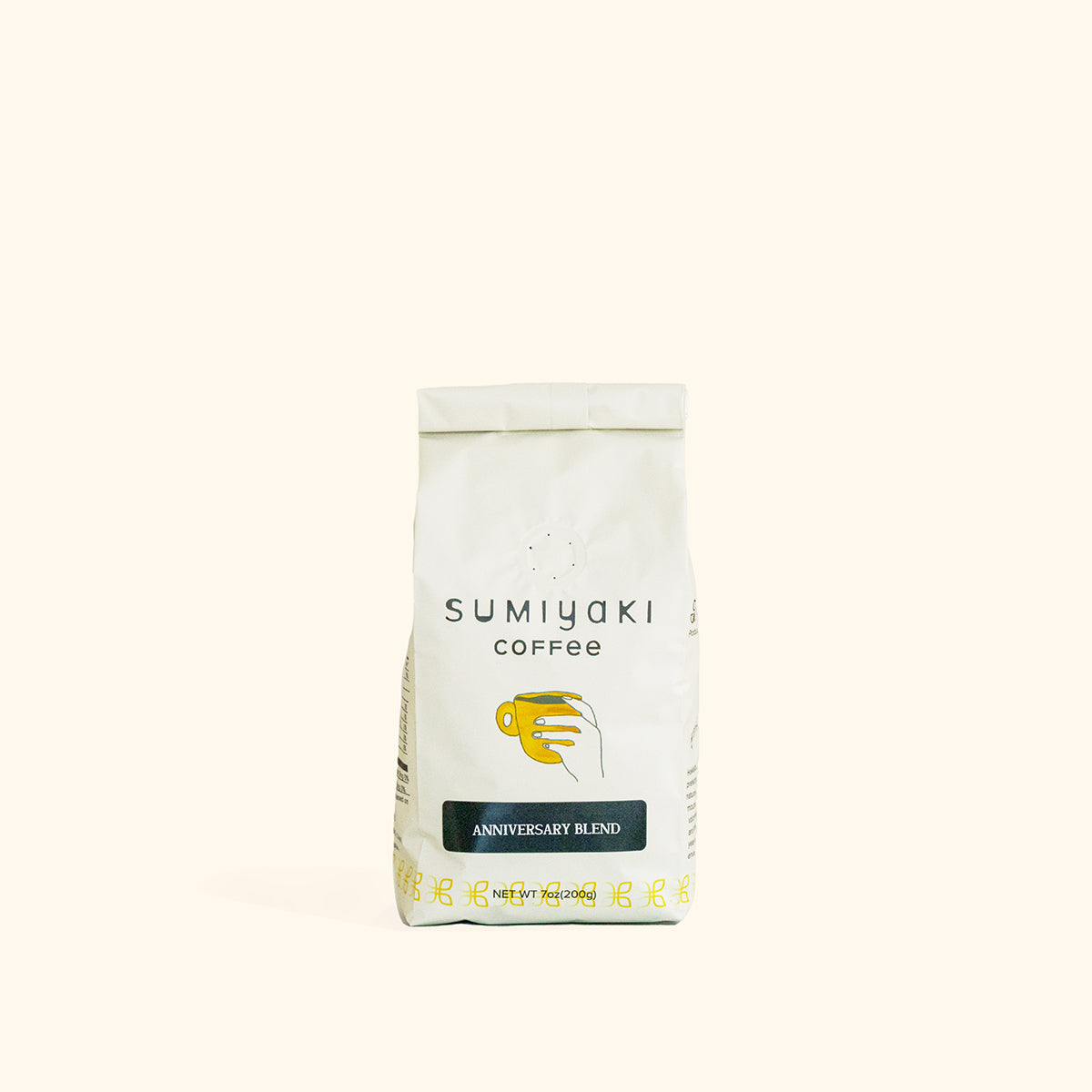
Anniversary Blend (Colombia, Brazil, Indonesia)

USD $35.00
Quick view

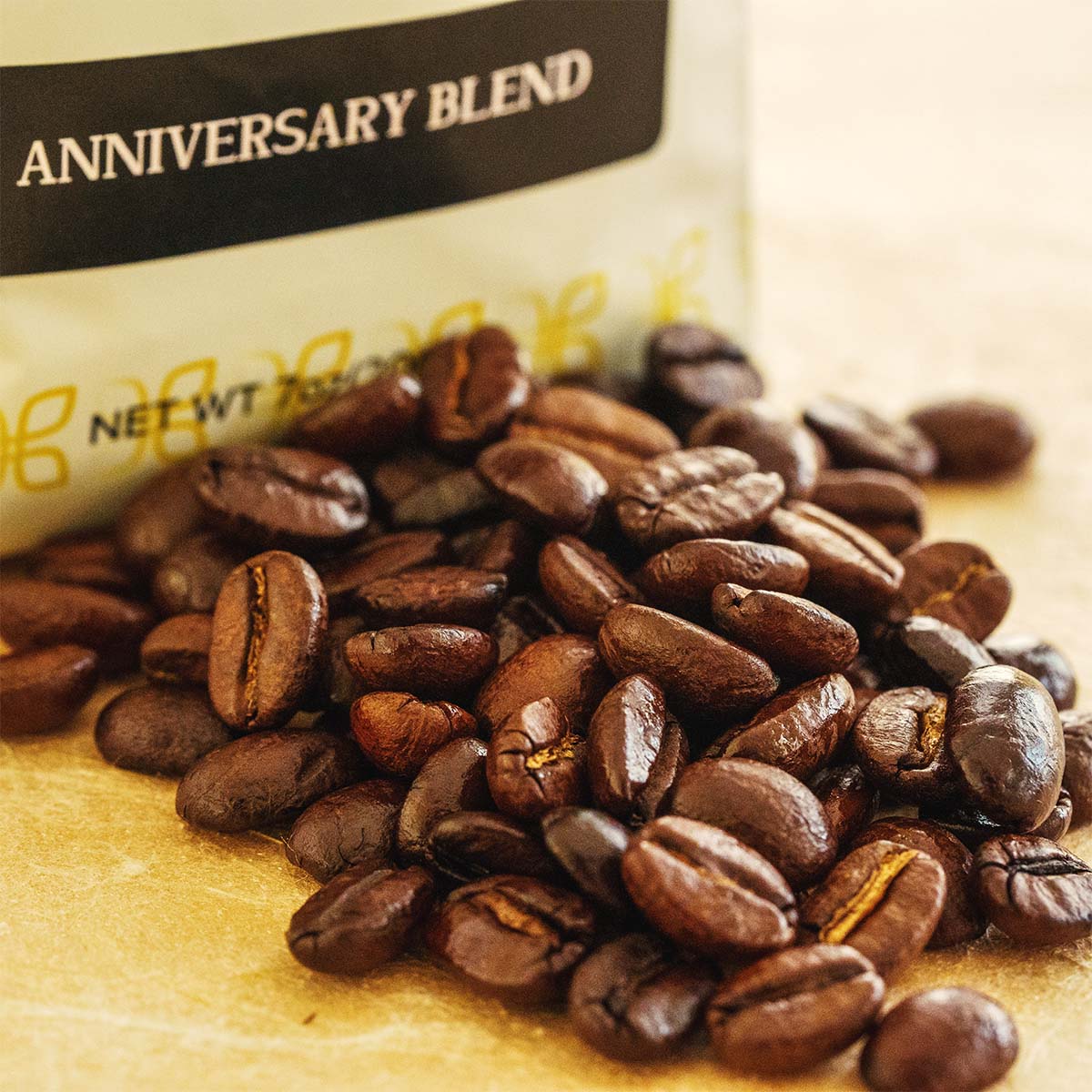
Do you enjoy your coffee fruity & sweet? Then this premium blend is for you, with beans from Colombia, Brazil, and Ethiopia. This blend is the fruitiest coffee in our selection.

This blend was the limited 30th-anniversary blend of Sapporo Coffee Kan in 2012. It was widely popular and was kept as a regular selection. The base of the blend is Colombia Pital-Mountain - Single Origin Premium Coffee.

With bright and sweet tones and a citrusy finish, this coffee invokes the sweeter side of life. For the best enjoyment of this high-end blend, use it to make a creamy espresso or latte-style coffee.

3 reviews

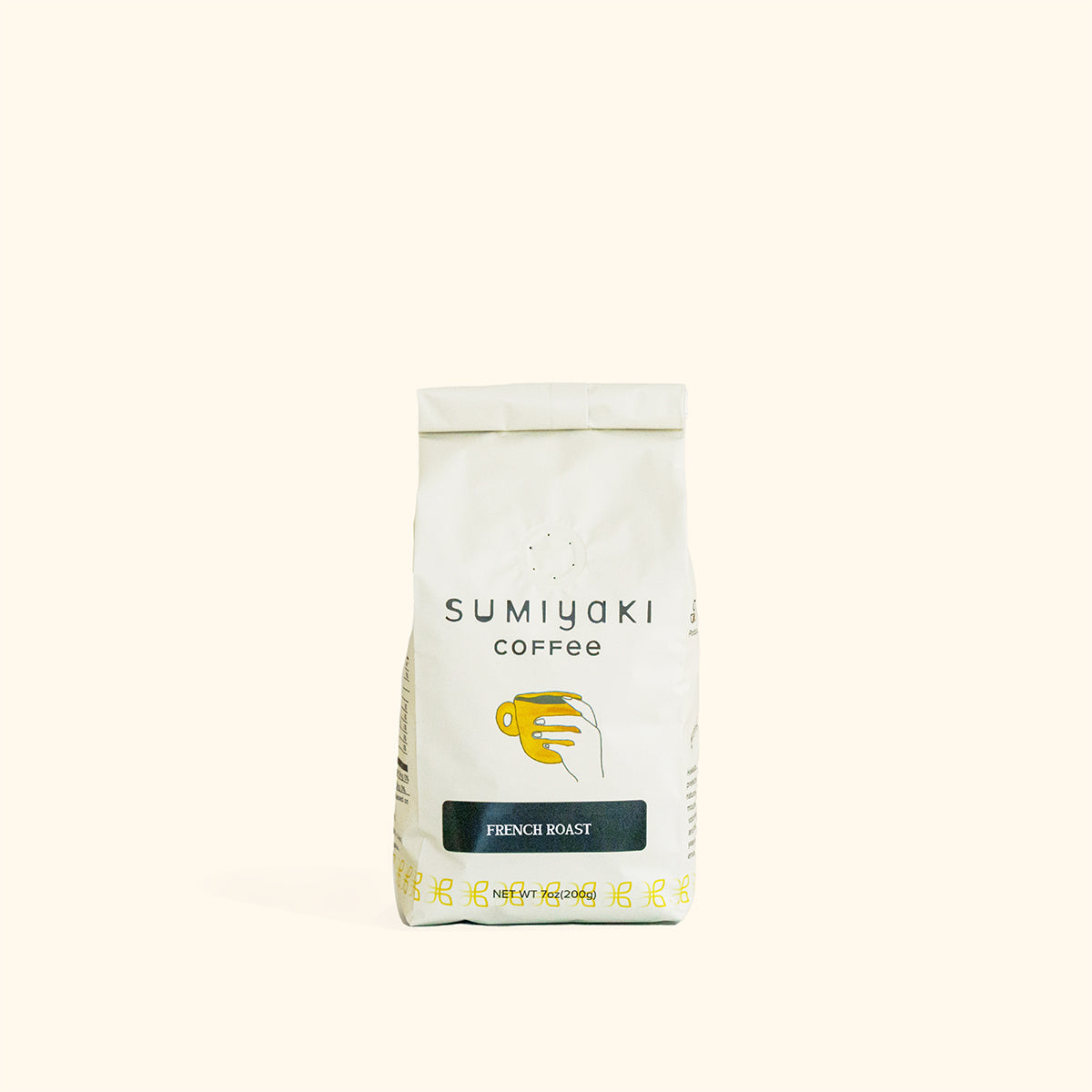
French Roast Blend (Colombia, Brazil, Indonesia)

USD $25.00
Quick view

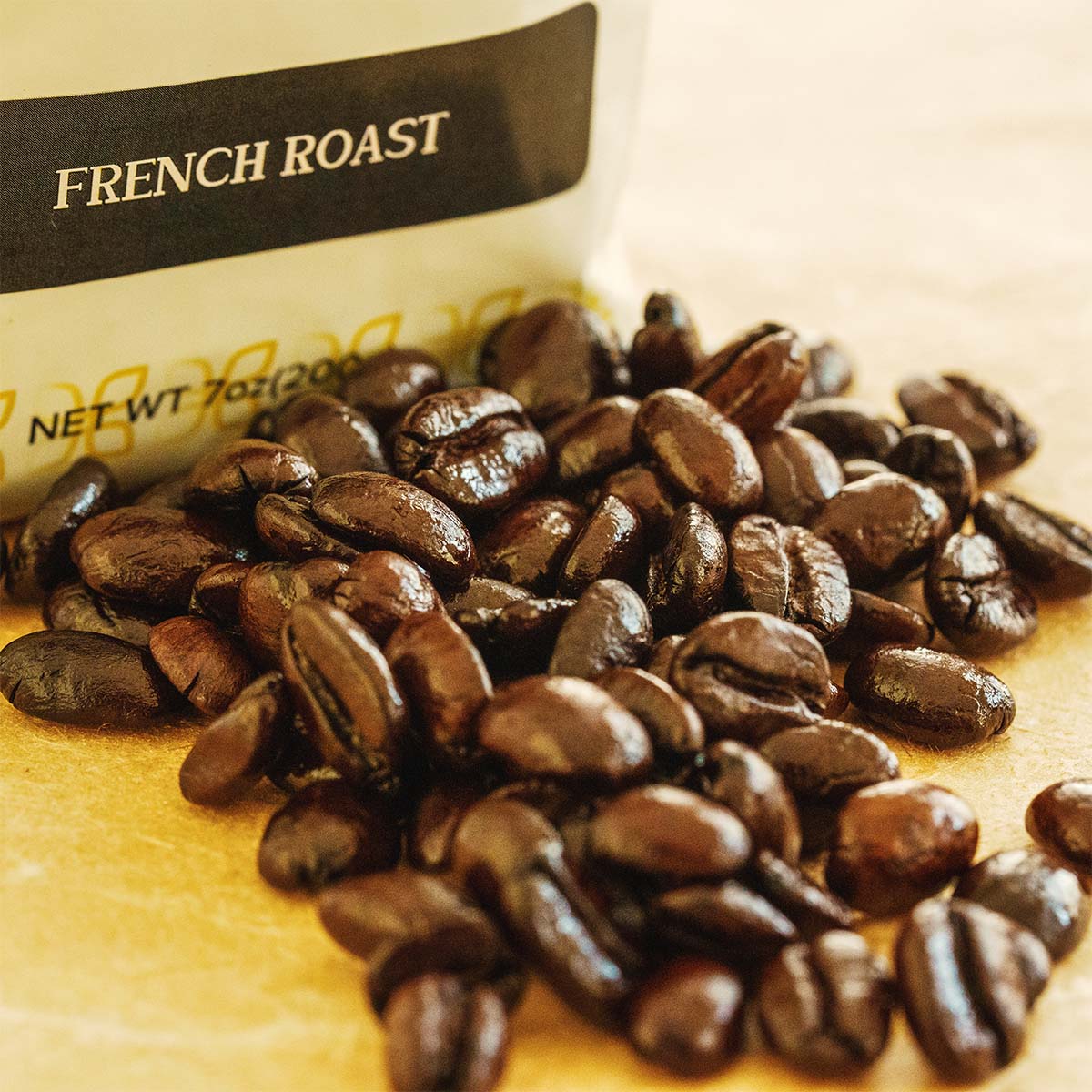
Experience the dark side of coffee with our French Roast Blend, crafted from a rich combination of beans from Colombia, Brazil, and Ethiopia. This bold blend features low acidity, a heavy body, and deep, smoky flavors, achieved by roasting the beans at a high temperature that brings their natural oils to the surface. Versatile and full of character, it delivers exceptional taste both with and without milk, making it perfect for café au lait, iced coffee, or even coffee-based cocktails with a splash of brandy.

Asa-Yuu Blend Duo (Get 20% Off)

USD $50.00 USD $39.00
Quick view

Meet the Asa-Yuu Blend Duo (朝夕): a roasted-to-order set featuring Asa Tsuyu (light roast, Colombia/Brazil/Ethiopia) and Hokkaido (medium roast, Colombia/Brazil/Honduras/Indonesia). Bright in the morning, smooth and balanced through the day—now 20% off for a limited time.

5 reviews

Select Blend Combination Set (Get 30% Off)

USD $110.00 USD $77.00
Quick view

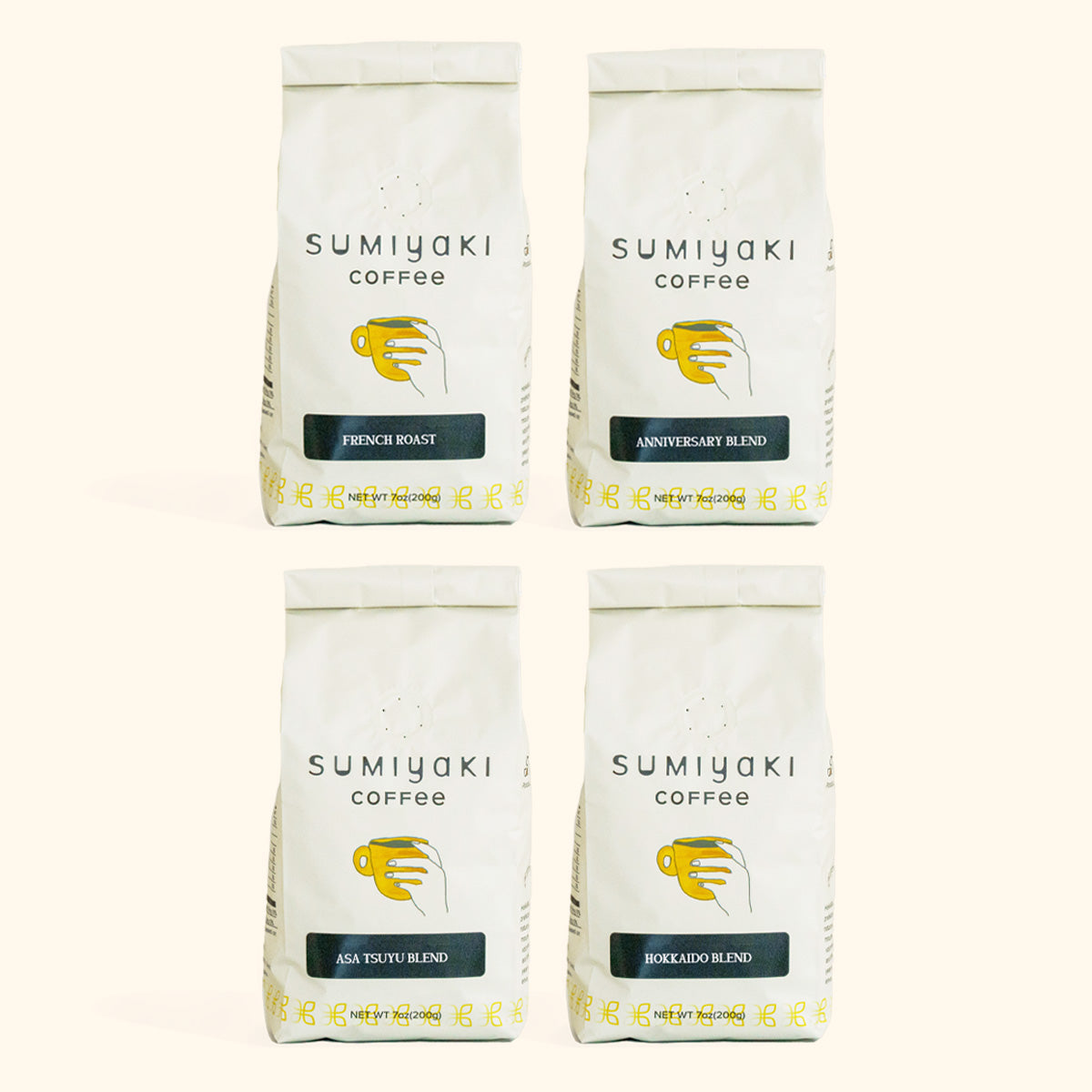
Get 30% off for a limited time when you purchase this special Combination Set featuring four of our most popular Premium Blend Sumiyaki Coffees. Your order will include four 200g packages: Anniversary Blend Coffee (Colombia, Brazil, Indonesia), the fruity favorite originally created for Sapporo Coffee Kan’s 30th anniversary; Asa Kiri Blend, a light roast with pure coffee flavor and a soft touch of sourness; Hokkaido Blend, the signature house blend beloved for its rich and balanced taste; and French Roast Blend, a dark, smoky roast perfect for pairing with milk or crafting café au lait and coffee cocktails. All beans are roasted to order under the expert blending tradition of Sapporo Coffee Kan, led by Ito Eiichi, the renowned “King of Blenders” in Japan, ensuring every cup is a masterful balance of flavor and aroma.


Related Articles You May Be Interested

Blue Bottle coffee vs. Sapporo Coffee Kan
UCC’s Charcoal Roasted Coffee
Japanese Convenience Store Coffee War
Kissaten (喫茶店): Its Birth up to the Present Day Concept
Hario Vs. Kalita
Hario Vs. Kalita
Starbucks Vs. Sapporo Coffee Kan
Top 10 JIMOTO Frappuccino You Should Try (expired)
About Sapporo Coffee Kan - The Roaster
Single Origin Coffee vs. Blend Coffee
Vietnamese Coffee vs Japanese Coffee
Japanese Contributions to the World of Coffee

Get Free Bonus Books

Join Japanese Coffee Club

Sign up for free to the Coffee Club to get advice and exclusive articles about how to choose Japanese Coffee, and tips, tricks, and recipes for enjoying Japanese coffee.

Unsubscribe anytime. It’s free!

About the author

Kei Nishida

Kei Nishida

Author, CEO Dream of Japan

info@japaneseCoffeeCo.com

Certifications: PMP, BS in Computer Science

Education: Western Washington University

Kei Nishida is a passionate Japanese tea and coffee connoisseur, writer, and the founder and CEO of Japanese Coffee Co. and Japanese Green Tea Co., both part of Dream of Japan.

His journey began with a mission to introduce the world to the unparalleled quality of Japanese green tea. Through Japanese Green Tea Co., he established the only company that sources premium tea grown in nutrient-rich sugarcane soil—an innovation that led to multiple Global Tea Champion awards.

Building on this success and his passion for Japanese craftsmanship, Kei expanded into the world of coffee, pioneering the launch of Japanese Coffee Co., the first company to bring Sumiyaki charcoal-roasted coffee to a global audience. His dedication to authenticity and quality ensures that this traditional Japanese roasting method, once a well-kept secret, is now enjoyed worldwide.

Beyond tea and coffee, Kei has also introduced Japan’s legendary craftsmanship to the world through Japanese Knife Co., making handmade katana-style knives—crafted by a renowned katana maker—available outside Japan for the first time.

Kei’s journey continues as he seeks out and shares the hidden treasures of Japan, one cup and one blade at a time.

Related Posts

OC Japan Fair April 2026 — Visit Us at Booth #A8!
OC Japan Fair Spring 2026 Recap (April 3 - 5 2026)

We were at OC Japan Fair again! April 3-5 2026 with new products, Miki Pon's art debut and more. Here is a recap video f

Read More
Introducing the Sakura Blend (桜ブレンド): Our Limited-Time Spring Seasonal Coffee Is Here!

Meet Sakura Blend — our first spring seasonal coffee! Bright, smooth, naturally sweet. Not sakura-flavored. While suppli

Read More
How a Sumiyaki Roaster Machine Works: Inside the Japanese Charcoal Roasting Process

Discover the art of Japan’s charcoal coffee roasting — where binchotan, far-infrared heat, and artisan skill create a de

Read More
Leave a comment

Your email address will not be published..

Cart

Your cart is currently empty.

Start Shopping

Select options